REVIEW · PRAGUE
Prague: Communism History and Nuclear Bunker Guided Tour
Book on GetYourGuide →Operated by Prague Special Tours · Bookable on GetYourGuide
Prague keeps some of its darkest secrets underground. What I liked most here is the real 1950s nuclear bunker with authentic Cold War displays, plus the human stories told by guides such as Stan, Pavel, and Ladislav. The subject matter is heavy, and you should also note there’s a lot of walking and stairs, plus tight underground spaces, so it’s not a great match for claustrophobia or mobility limits.
This is a guided, about-150-minute experience that mixes Prague’s visible communist-era landmarks with a tram ride out to the bunker. You’ll get a guided museum visit, a gasmask workshop, and plenty of time for questions. The pace is brisk, and group size can shift timing a bit, but most people come away feeling they finally understand what fear and paranoia meant in daily life under Czechoslovak communism.
In This Review
- Key things that make this tour worth your time
- Prague’s communism story starts in public, not in a classroom
- Velvet Revolution Memorial and Wenceslas Square: the afterstory that shapes everything
- The tram ride out to the bunker is part of the lesson
- Entering the nuclear bunker: 50 feet underground, no guessing
- One honest downside to factor in
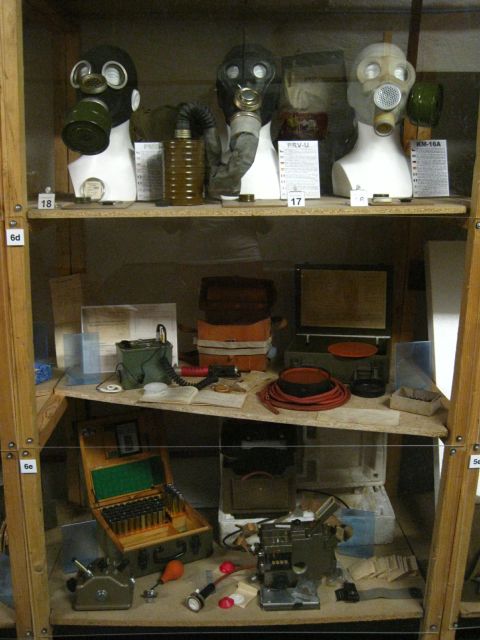
- Cold War expositions and genuine equipment: the details that make it click
- Gas mask workshop: practical, unforgettable, and not just for show
- What the guides do best: firsthand perspective, then clear explanations
- Price and time: is $44 a good deal for what you get?
- Who should book this Prague communism and nuclear bunker tour
- Should you book this Prague communism and nuclear bunker tour?
- FAQ
- How long is the Prague Communism and Nuclear Bunker Guided Tour?
- What languages are available for the live guide?
- What does the tour include besides the bunker?
- How much time do you spend at the nuclear bunker?
- Is the nuclear bunker visit wheelchair accessible?
- Are toilets available at the start of the tour?
- Are pets or smoking allowed during the tour?
- Is the tour suitable for young children?
Key things that make this tour worth your time
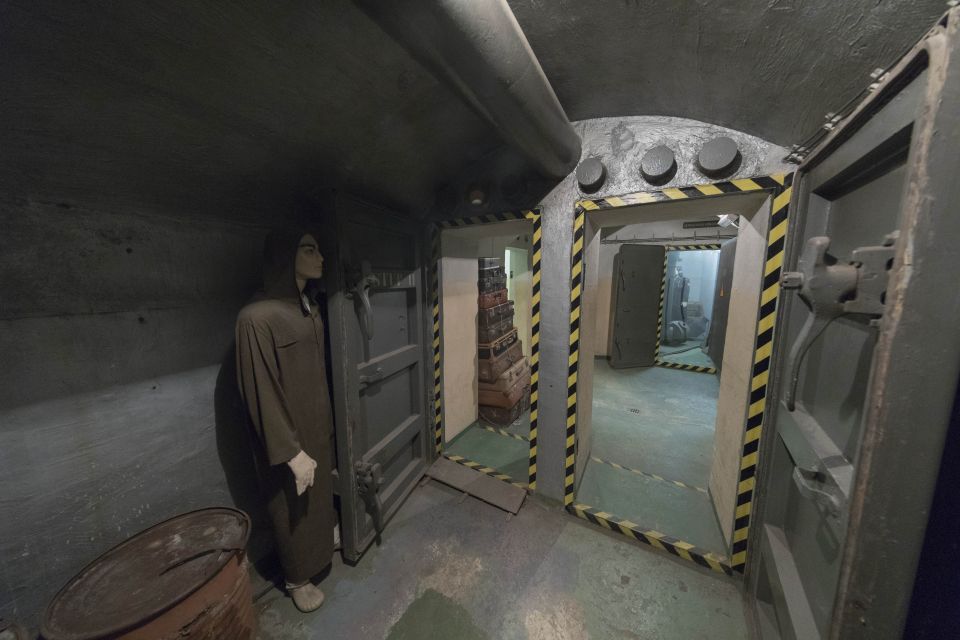
- A true 1950s bunker, 50 feet underground, built for mass sheltering during the Cold War
- Cold War artifacts and expositions, not just generic photos or posters
- Gasmask workshop inside the bunker museum area
- Stops around Prague’s communist-era touchpoints, including the Velvet Revolution area and Wenceslas Square
- Guides with real-life connection to the era, often balancing hard facts with a bit of humor
Prague’s communism story starts in public, not in a classroom
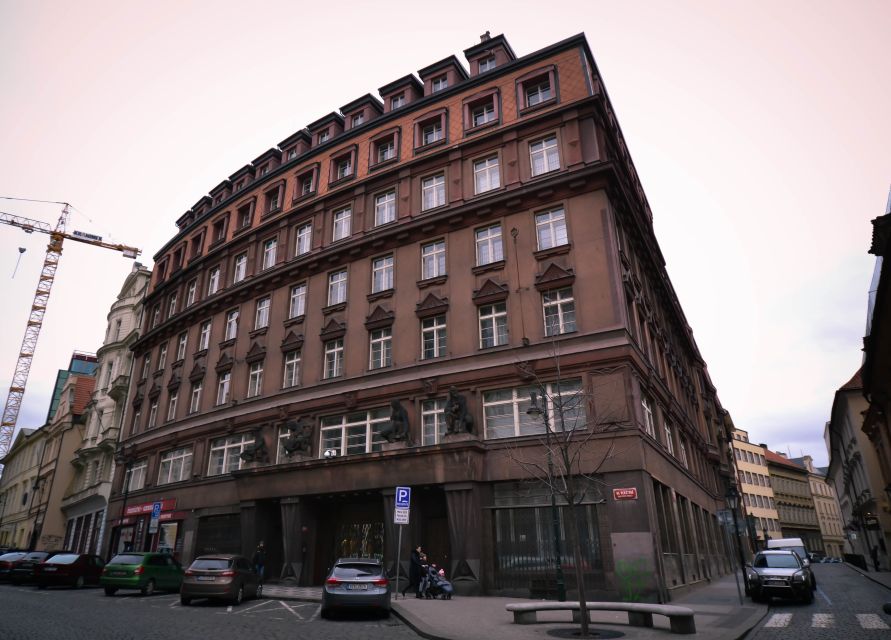
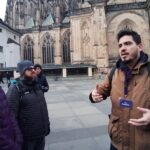
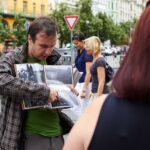
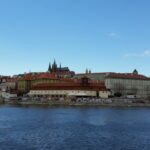
The strongest thing about this tour is how it treats history as something you can still see. Before you ever go underground, you’re on the streets with a guide walking you through themes like surveillance, propaganda, and political control. Prague is famous for beauty, but this tour reframes the city as a place where people learned to measure their words, their movements, and their loyalties.
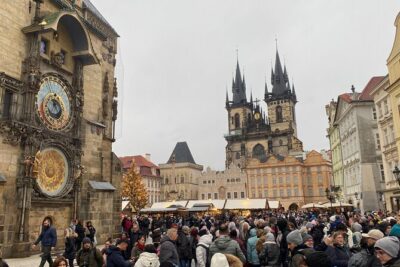
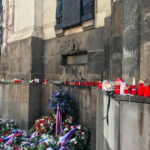
One standout for me is the way the guide uses specific locations to make the story concrete. You’ll spend time at major landmarks tied to the communist era and its aftermath, including the Velvet Revolution Memorial and Wenceslas Square. Along the way, the tour also points you toward bigger symbols, like the largest statue of Stalin ever built and the former headquarters area of the secret police.
Even if you’re not a history nerd, you’ll probably leave with a clearer mental map. The tour doesn’t just say communism happened. It shows how power shaped daily rhythms: what people feared, what they pretended not to notice, and how dissidents and refugees moved through a society under pressure.
You can also read our reviews of more guided tours in Prague
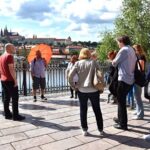
Velvet Revolution Memorial and Wenceslas Square: the afterstory that shapes everything
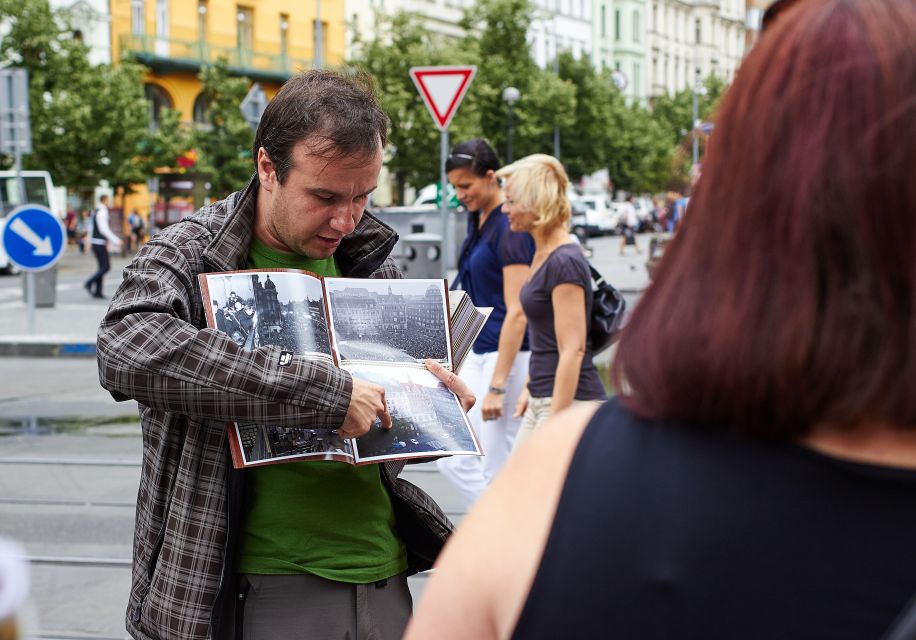
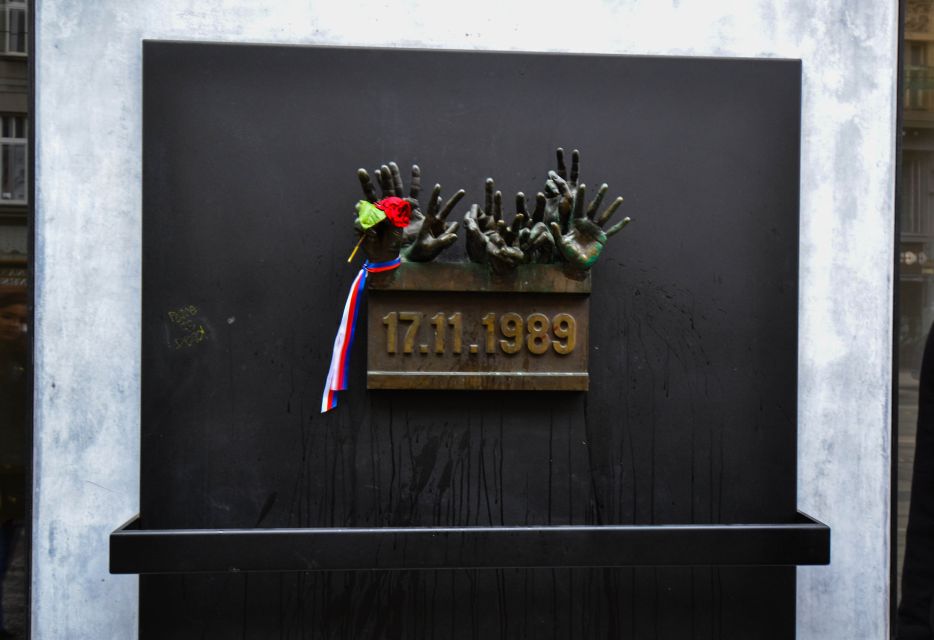
These stops matter because they connect two timelines: life under communism and the moment the system started breaking. The Velvet Revolution Memorial is the kind of place where you feel the idea of change immediately, but the tour helps you understand that the change didn’t come from nowhere. It came from years of pressure, resistance, and people refusing to disappear quietly.
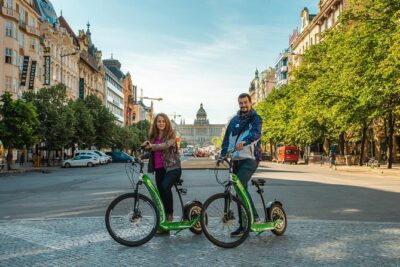
Wenceslas Square is the other key. It’s a giant stage in the city, and this tour uses that size to talk about public messaging, gatherings, and the way the state tried to control what people saw and believed. If you’ve only ever thought of Prague as a place for cameras, this portion pushes you to think of it as a place where politics played out in very physical ways.
A small practical note: the tour begins with short guided segments and then moves to transport. That means you’ll want comfortable shoes and patience for crowds, especially if you’re traveling during busy seasons.
The tram ride out to the bunker is part of the lesson
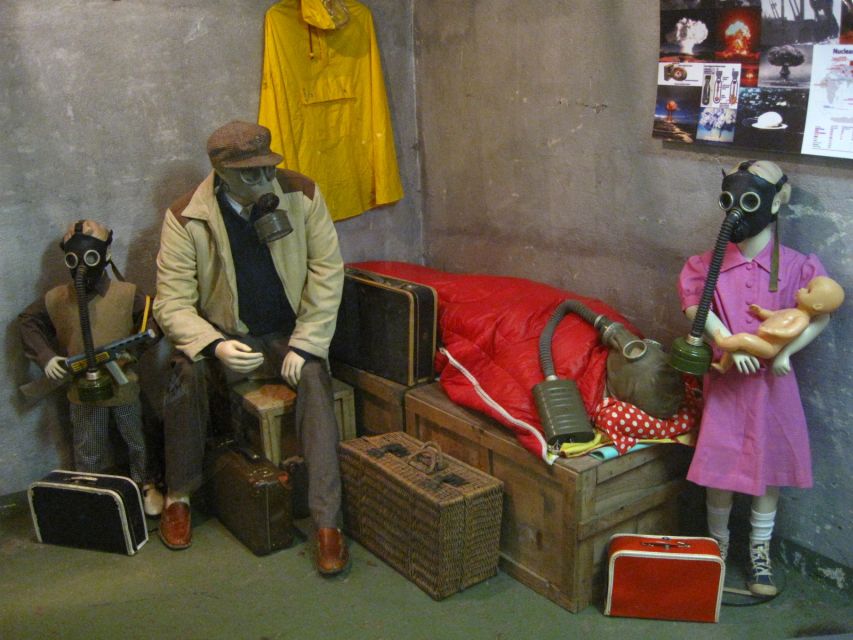
A big part of the tour’s effectiveness is the simple shift in setting. You’re not staying in the postcard center. You ride out by public transport to the bunker area, and it helps you understand something people often miss: the Cold War wasn’t only about grand speeches. It was built into infrastructure and planning.
During the ride, your guide is usually doing what good guides do: keeping the story moving while you’re still sheltered from boredom. Multiple guides in the experience have been praised for handling groups well on the tram, keeping everyone together, and answering questions on the spot. You also get a brief sense of Prague outside the busiest blocks, which makes the whole “from city politics to underground survival” arc feel more real.
Also remember: there are no toilets at the starting point, so plan accordingly before you meet the group.
Entering the nuclear bunker: 50 feet underground, no guessing
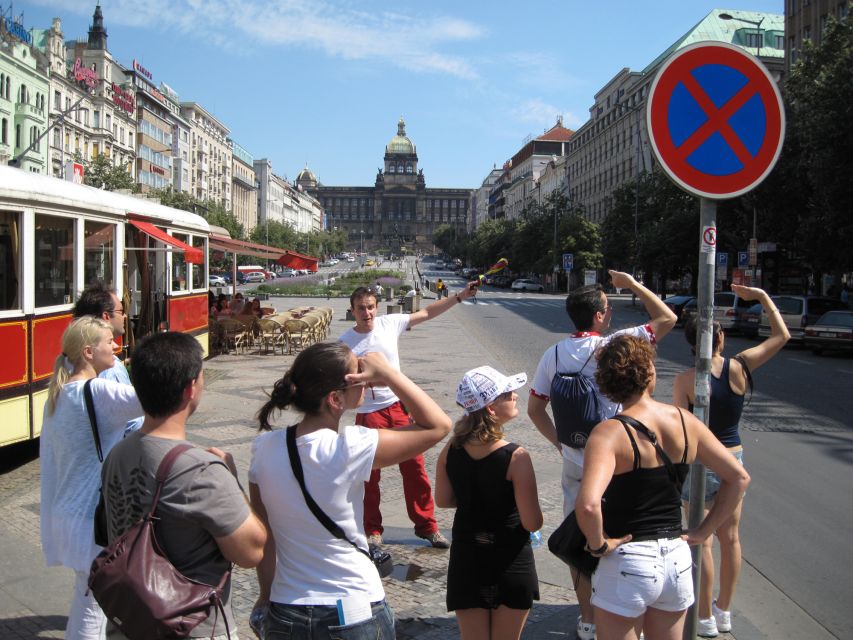
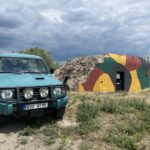
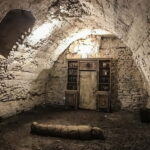
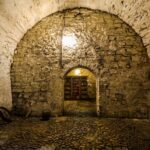
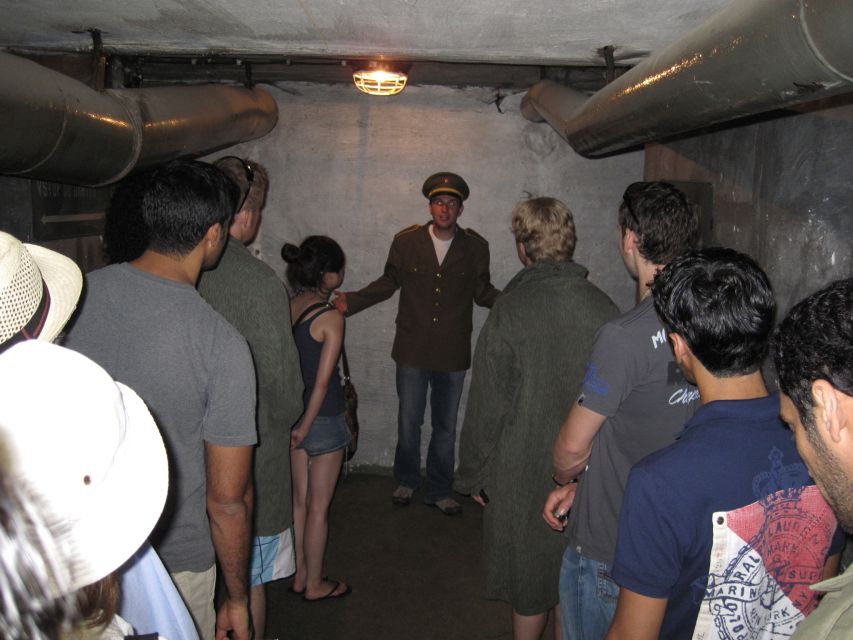
Now for the main event. The bunker visit is where the tour stops being theoretical and starts feeling physical. You’ll tour a real nuclear bunker built in the 1950s, situated about 50 feet underground, designed to accommodate up to 5,000 people.
Inside, expect guided walkthroughs that focus on two layers at once:
- how the space was meant to function during a crisis
- how the Cold War mindset shaped the equipment, daily routines, and public messaging
What makes this portion special is that you’re not just looking at a room. You’re looking at a system built from fear. Your guide explains how communism and the Cold War created an environment where paranoia wasn’t a mood, it was a governing tool. That shows up in the exhibits and in the stories you hear about spying, political prisoners, cold war refugees, dissidents, and other real categories of people living under pressure.
You’ll also spend time in the nuclear bunker museum area. This is where you can slow down and read, and where the tour typically includes more of the Cold War expositions tied to daily life and survival planning.
One honest downside to factor in
One review flagged that some bunker exhibits look tired and could use maintenance. I’d treat that as a “present reality” detail rather than a dealbreaker. The core value is the real bunker setting and the guided interpretation, and those are still the big draw.
You can also read our reviews of more historical tours in Prague

Cold War expositions and genuine equipment: the details that make it click
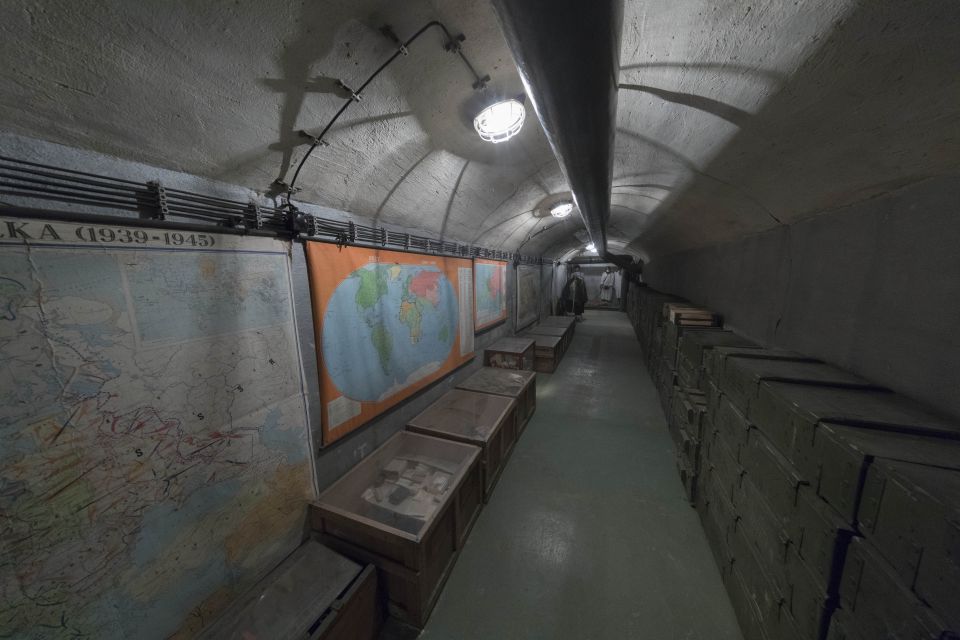
A lot of history tours show you stuff. This one explains why it mattered. You’ll see Cold War displays and genuine equipment tied to the era, plus artifacts and photo material that helps connect the bunker to real events and real people.
Some visitors specifically noted that the bunker has photographs and artifacts they hadn’t seen elsewhere, including compared with other communism-focused museums. That matters because you’re not repeating the same handful of images. You’re seeing another angle on the same system.
The guide’s storytelling also seems to be the difference between “interesting” and “stays with you.” Multiple guides were praised for mixing hard facts with a human approach, and for balancing seriousness with occasional humor. That doesn’t soften the message. It just makes the long timeline easier to follow without turning the experience into a lecture.
Gas mask workshop: practical, unforgettable, and not just for show
The gas mask workshop is one of the most memorable parts because it changes the tone from listening to doing. You’ll get hands-on time as part of the museum visit, tied directly to the Cold War fear of chemical and nuclear threats.
Even if you know the theory already, the workshop forces your brain to picture what people expected to face. These weren’t abstract “what if” scenarios. The bunker was designed around drills, readiness, and the assumption that you might need to act fast.
If you have allergies or sensitivity to dust, plan smart. One visitor offered a practical tip: wearing a face mask during the bunker visit can make the experience more comfortable if you’re reactive. You might find it helpful even if you’re not sure you’re sensitive.
What the guides do best: firsthand perspective, then clear explanations
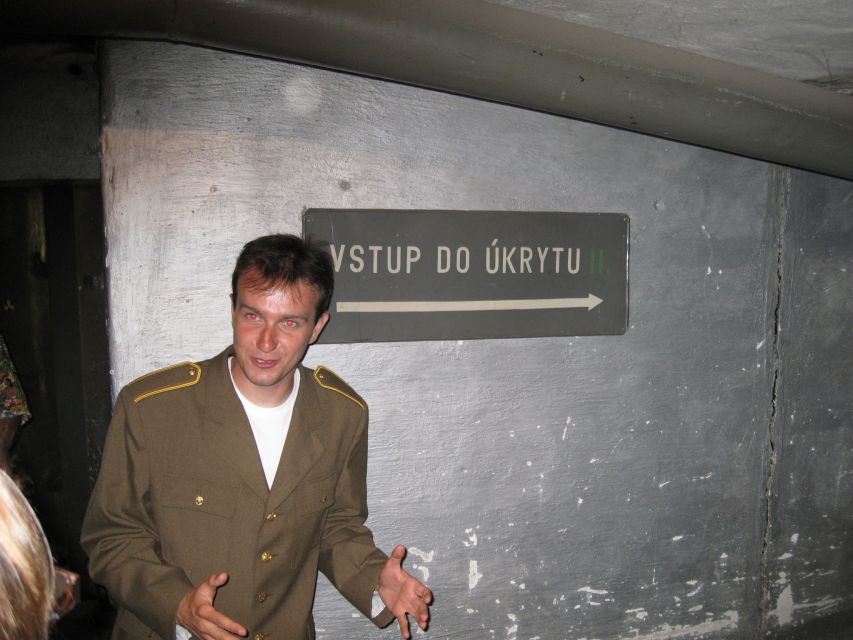
This tour lives or dies by the guide, and the feedback here is strongly consistent. Names that came up again and again include Stan, Pavel, Ladislav, Maki, Katerina, Susanna, Paula, and Parvel. Many of these guides are praised for bringing either personal experience or deep understanding of the communist era, which changes the way the story lands.
You’ll probably notice three guide strengths:
- They keep the narrative linked to real locations, not vague claims.
- They explain how ordinary life got shaped by fear and propaganda.
- They make it easier to ask questions, even when the subject is grim.
One review also mentioned humor as a deliberate tool. It’s not comedy night. It’s the kind of pacing that prevents the experience from becoming emotionally heavy in a way that makes it harder to absorb facts.
And yes, there can be some interactive moments. One visitor mentioned a photo shooting moment involving guns, which suggests some guides incorporate period-appropriate props or photo time. If that’s your style, you’ll likely enjoy it. If you prefer quiet museum viewing, just know the tour is guided and can be more active than a typical walk-through.
Price and time: is $44 a good deal for what you get?
At about $44 per person, this is priced like a guided historical experience, not a bare-bones museum ticket. For that money, you’re getting:
- live guide commentary (German or English)
- public transportation to and from the bunker area
- entry to the bunker museum and exhibitions
- a longer site visit underground (around 70 minutes at the bunker)
The real value here is the combination. A nuclear bunker is a specific, hard-to-recreate type of visit. Most cities don’t offer a genuine underground site tour tied to Cold War context. Pair that with the guided Prague walk that sets up the story, and you get more than two separate activities. You get a cause-and-effect timeline in one outing.
A minor “time reality” to keep in mind: the tour duration can vary by about 10 minutes depending on group size. That’s common for guided tours, but it means you should avoid tight appointment windows immediately after.
Who should book this Prague communism and nuclear bunker tour
This is a great fit if you want more than surface-level Prague history. You’ll enjoy it if you’re interested in communism in Czechoslovakia, the Cold War mindset, and the way political power works when people are watched and controlled.
You’ll likely love this approach if you appreciate:
- guided narrative history
- hands-on or workshop elements (like the gas mask part)
- off-the-center access by tram to reach a less touristed site
It’s not the right pick if you have mobility limits. The experience isn’t suitable for wheelchair users or baby strollers due to walking and stairs. It also isn’t a good match for anyone with claustrophobia, heart issues, attention disorder, or young children under school age (and not for the smallest infants).
Also, plan for a language-led experience. For safety, you need to speak the chosen tour language during the tour, and you can’t translate to other languages during the walk.
Should you book this Prague communism and nuclear bunker tour?
If you want an authentic Cold War experience that connects Prague landmarks to a real underground bunker, I’d book it. This isn’t a generic history circuit. The 1950s bunker setting, the museum expositions, and the gas mask workshop create a full story, not just a stop on a map.
Skip it if you’re sensitive to tight underground spaces or if you need step-free access. And if you dislike tours that include some walking and getting from place to place by tram, this may feel like too much movement for your style.
If you do book it, come with sturdy shoes, a willingness to think about fear and survival planning, and a few questions for your guide. With guides like Stan, Pavel, and Ladislav leading the storytelling, you’ll probably leave with more than facts. You’ll leave with a clearer sense of what life under communism could feel like.
FAQ
How long is the Prague Communism and Nuclear Bunker Guided Tour?
The tour lasts about 150 minutes.
What languages are available for the live guide?
The tour is offered with live guides in German and English.
What does the tour include besides the bunker?
It includes a guided walking segment around communist-era Prague landmarks, plus public transportation to and from the bunker.
How much time do you spend at the nuclear bunker?
You’ll spend about 70 minutes at the nuclear bunker with a guided visit.
Is the nuclear bunker visit wheelchair accessible?
No. The tour is not possible for wheelchair users due to walking and stairs.
Are toilets available at the start of the tour?
No toilets are available at the starting point.
Are pets or smoking allowed during the tour?
Pets are not allowed, and smoking is not allowed. Alcohol and drugs are also not allowed.
Is the tour suitable for young children?
It is not allowed for infants or the smallest children under school age, and it’s not suitable for babies under 1 year.