REVIEW · PRAGUE
Prague: WWII Tour with Local Historian SMALL GROUP
Book on GetYourGuide →Operated by Local Historian Tours · Bookable on GetYourGuide
WWII Prague hits differently when you’re standing on the streets. This is a small-group tour built around stories that connect key events—Nazi occupation, resistance, and survival—to real spots in the city. What I like most is how it stays story-first, not lecture-first, and how the guide (Gerry or jiri, depending on the session) can turn grim history into something you actually remember.
The tour also works at a human pace: up to 7 people, guided in English, with a built-in rhythm that helps you follow the timeline without feeling rushed. One possible drawback is that the subject matter is heavy, and it’s not intended for kids under 10 or for people who may not handle intense historical topics well.
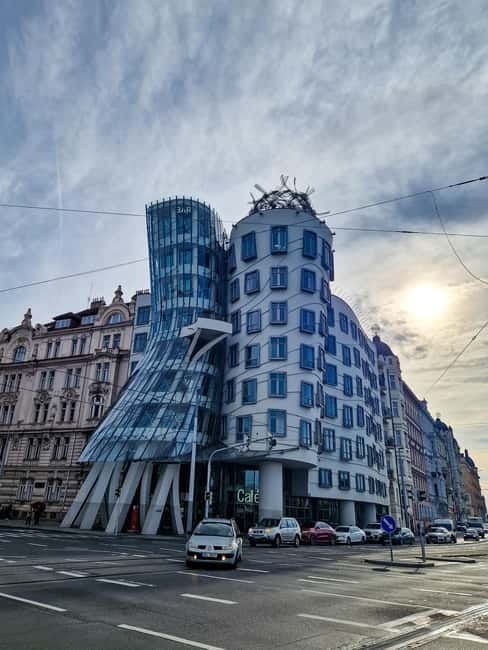
You’ll start in a major square, then move through the city’s WWII landmarks—starting with the shadow of Reinhard Heydrich, and ending with a finish point near the Dancing House. Expect walking and public-transit time; it’s designed for a small group, so you won’t have the chaos factor of a big bus tour. If you prefer purely light sightseeing, this one may feel like emotional homework.
In This Review
- Key moments to look for
- Walking Vaclavske namesti: where the tour sets its wartime compass
- Reinhard Heydrich and Operation Anthropoid on foot in Prague
- Paratroopers Church and the bullet holes you can actually see
- Former Gestapo headquarters: secrets and consequences in a real setting
- 1945 in Prague: uprising and American bombing
- Nicholas Winton and the Kindertransports: a thread of survival
- Ending near the Dancing House: how to process what you saw
- Price and value: what $61 buys you in 2.5 hours
- Who this WWII Prague tour suits best
- Should you book this tour with a local historian?
- FAQ
- How long is the Prague WWII tour?
- What’s the group size?
- Where does the tour start?
- Where does the tour end?
- Is the tour in English?
- What WWII topics does the tour cover?
- Does the tour include any tickets or admissions?
- Is skip-the-ticket-line included?
- Is it suitable for children or families?
- Is it wheelchair accessible?
Key moments to look for
- Vaclavske namesti start at the Statue of Saint Wenceslas, where the guide sets the wartime context fast
- Reinhard Heydrich’s story and why his death mattered in Nazi hierarchy
- Operation Anthropoid on foot, including the assassination focus tied to the city’s landmarks
- Paratroopers Church visit, with attention to the famous bullet holes you can see in person
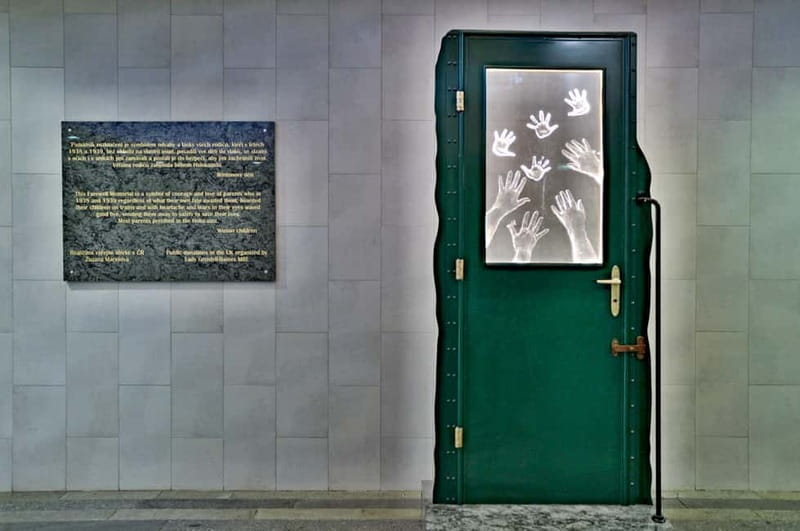
- Nicholas Winton and the Kindertransports, including the 669-child number and its wider story
- 1945 Prague events, including the uprising and the American bombing in the city
Walking Vaclavske namesti: where the tour sets its wartime compass
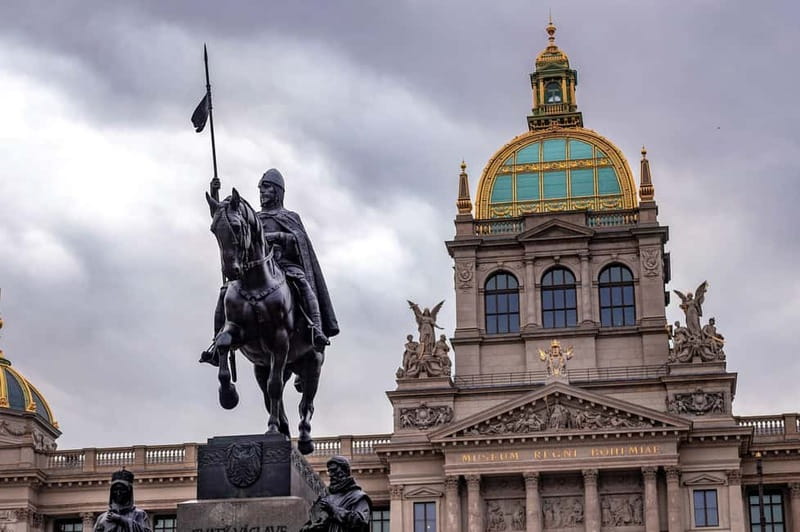
Most WWII tours in Prague start with buildings. This one starts with a place—and a feeling. You meet at the Statue of Saint Wenceslas at Vaclavske namesti, in front of the National Museum. It’s a big, easy-to-find anchor point (there’s even a McDonald’s nearby, so you won’t be playing guessing games with tram stops).
From the first minutes, the guide’s job is to help you understand the city as a “map of events.” You’re not just learning dates. You’re learning how occupation reshaped everyday life, and how resistance and survival played out across Prague’s streets. That matters, because the rest of the walk depends on you feeling where each chapter fits.
Two practical benefits help too. First, the group is small (limited to 7), so you can actually hear the guide without fighting the noise level. Second, you get a public transport ticket as part of the experience, which means less time figuring out logistics and more time paying attention to the story being told.
You can also read our reviews of more tours and experiences in Prague.
Reinhard Heydrich and Operation Anthropoid on foot in Prague
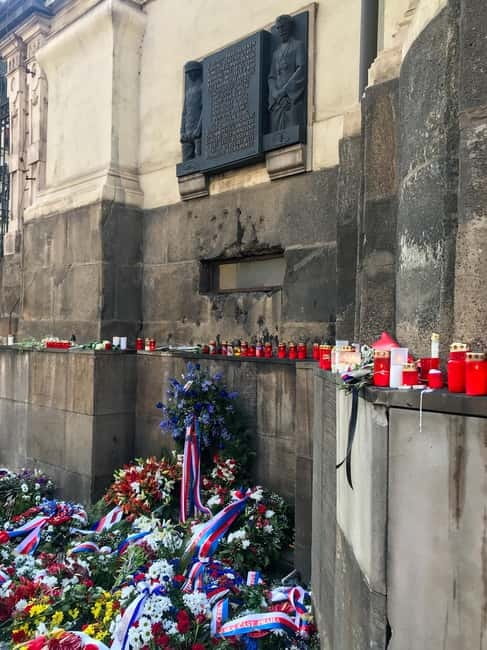
The heart of the tour is the wartime pressure that Prague felt under Nazi occupation—especially through Reinhard Heydrich, described here as the Butcher of Prague and architect of death. You’ll hear why his role wasn’t only administrative. It carried violence, fear, and a chilling level of control over lives.
Then the story snaps into resistance mode with the assassination of Heydrich, tied to Operation Anthropoid. This is not presented as a movie plot. The guide frames it as a high-stakes act of resistance that became the pinnacle moment of anti-tyranny efforts during that time. You’ll be walking through the city with the assassination angle in mind, which changes how you look at everything around you—suddenly streets stop being “just streets.”
One reason I think this part is valuable is that the tour balances emotion with structure. You don’t just get the dramatic headline. You also get the “why it mattered” piece: Heydrich’s death is described as the killing of the highest-ranking Nazi ever killed in World War II, and the tour uses that to explain the ripple effects in the city afterward.
Paratroopers Church and the bullet holes you can actually see
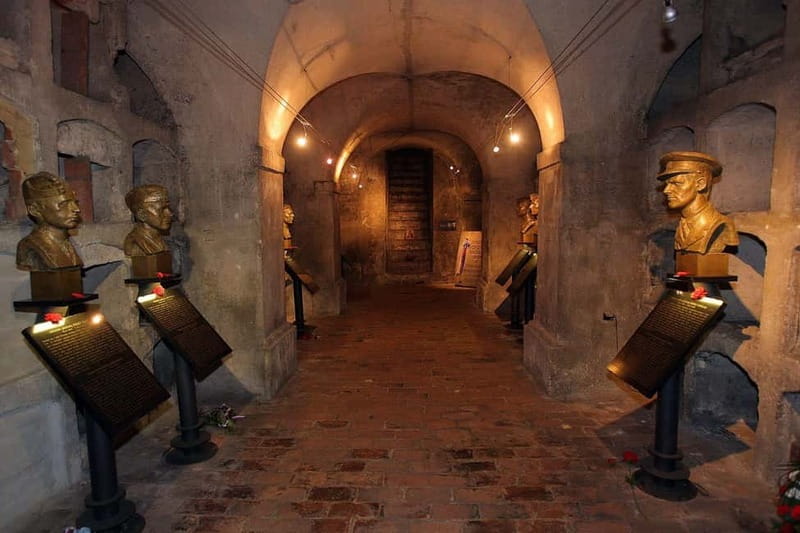
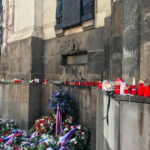
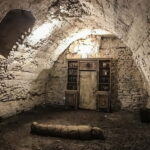
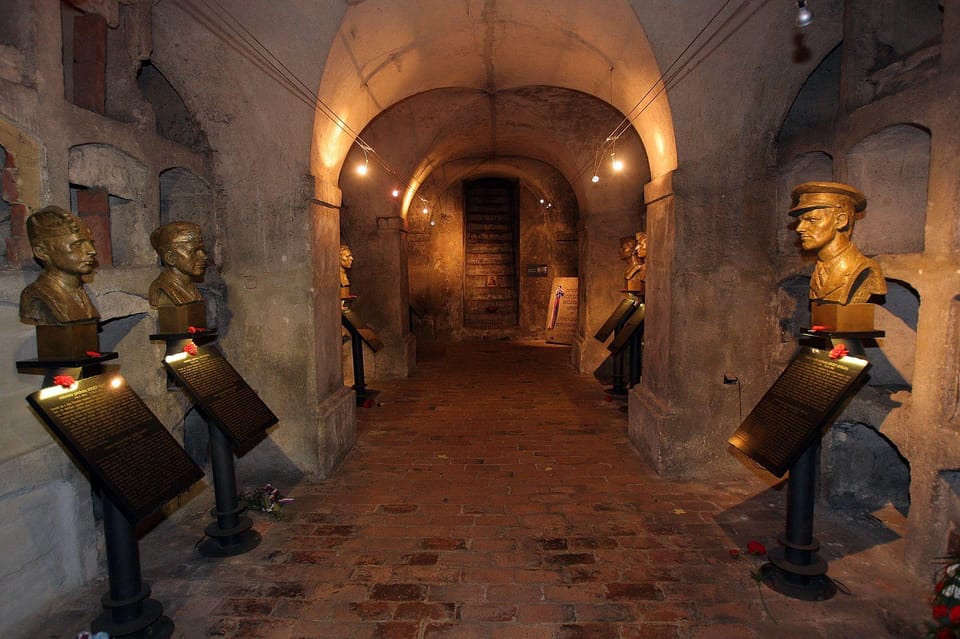
A highlight on this walk is the visit to the Paratroopers Church. This is the sort of stop that turns history from story into evidence. You’ll see the church and learn about its connection to the resistance events, and the tour includes entrance specifically for this site.
The most memorable detail is the attention to the bullet holes. It’s one thing to hear about wartime attacks. It’s another to stand where damage remains visible, years later. The guide’s approach helps you connect those marks to the wider “how did people respond” question—because that’s what resistance looked like in real life: sudden, dangerous, and incredibly costly.
The potential drawback here is also simple: it’s a sober, war-era setting. If you’re easily unsettled by physical reminders of violence, this stop can land hard. But if you want a Prague tour that feels honest rather than polished, this is exactly the kind of place that gives you that clarity.
Former Gestapo headquarters: secrets and consequences in a real setting
Another key stop is the former Gestapo headquarters, described as a place shrouded in secrets and shadows. You won’t walk past it like it’s just another historic building. The guide gives you the context for what the Gestapo represented: a system built to hunt, punish, and break resistance.
This is where the tour’s small-group format helps. In a large group, you’d probably rush through. Here, the guide can slow down and focus on why this location matters in the story you’re hearing. That’s the difference between memorizing WWII facts and understanding what it felt like to live under that kind of pressure.
Also, it’s a useful counterweight to the more “action-forward” assassination portion. The resistance story is thrilling, yes. But the Gestapo stop brings you back to the cost—the consequences that followed, the fear that spread, and the way occupation shaped daily life.
1945 in Prague: uprising and American bombing
Late-war Prague isn’t only about resistance. It’s also about destruction, chaos, and a city trying to survive its last months of war. During the guided walk, you’ll hear about the Czech national uprising in 1945 and the American bombing of Prague in 1945.
Why I like the way this is handled is that it doesn’t treat these events like separate trivia. The guide keeps the thread tied to the same central theme: resistance, retaliation, and how Prague’s streets became part of the battlefield. You’ll feel how the story moves from targeted acts (the Heydrich assassination) into broader upheaval and heavy wartime violence.
A quick reality check for your expectations: at 2.5 hours, you’re not getting a textbook on every aspect of WWII. You’re getting a guided storyline through the most sharply connected sites. If you come in wanting a full academic survey, you might wish for more time. If you come in wanting a focused “practical map of key moments,” this tour delivers.

Nicholas Winton and the Kindertransports: a thread of survival
Not everything on this walk is about resistance attacks and occupation terror. One of the most powerful sections is the story of Nicholas Winton, credited here with saving 669 Jewish children through the Kindertransports. You’ll also hear that this story has been widely known through the Hollywood movie One Life.
I like this inclusion because it shifts the emotional balance without pretending the world was fine. After learning about violence and persecution, the Winton story lands as the other side of wartime humanity: people who acted to protect children when systems were designed to destroy them.
It’s also a smart lesson in how to read history. The tour uses Winton’s number—669 children—as a concrete anchor, which helps your brain hold onto the story instead of letting it blur into generalities. You walk away with both sides: the darkest machinery of the time, and the human choices that disrupted it.
Ending near the Dancing House: how to process what you saw
The tour finishes at Dancing House. This is a good place to end for one practical reason: it’s a modern landmark you can use as a mental reset after the wartime heaviness.
In my view, that matters. WWII history can feel like it’s still “hanging in the air.” A finish at a clearly contemporary building helps you step back and recognize how Prague contains layers—occupation and survival, then the city moving forward.
One small note: the meeting-point info says the activity ends back at the meeting point. The itinerary also points to Dancing House as the finish. Either way, you’re not left stranded across town without a plan. Just expect the tour to bring you back toward the area you started from.
Price and value: what $61 buys you in 2.5 hours
At $61 per person, you’re paying for more than a walk and a few photos. You’re paying for guided interpretation by a local historian, plus practical extras: a public transport ticket, entrance to the Paratroopers Church, skip-the-ticket-line convenience, fees and taxes, and water.
For a 2.5-hour session, the value hinges on what kind of traveler you are. If you’re the type who wants to read a plaque, shrug, and move on, you might feel the cost. If you like connecting the city to the people and events behind it—then $61 feels reasonable, because the guide is doing real work: translating complex WWII events into a path you can follow in the real streets of Prague.
The small group limit (up to 7) also protects your experience. In Prague, where walking tours can turn into crowded noise fast, keeping the group tight is a real quality feature, not a marketing detail.
Who this WWII Prague tour suits best
This tour fits you well if you want:
- a focused WWII storyline tied to specific Prague locations
- a small-group pace with an English-speaking local historian
- practical city orientation alongside the history
It may be a less-than-perfect fit if:
- you’re traveling with children under 10
- you’re pregnant or you have reasons you prefer to avoid intense historical subject matter
- you need mobility accommodations (the information includes wheelchair accessibility language, but it also states it’s not suitable for wheelchair users or people with mobility impairments—so you should confirm before booking)
Should you book this tour with a local historian?
If you want WWII Prague that feels grounded and human, I’d book it. The strongest reason is the combination of site-specific stops (like the Paratroopers Church with bullet holes and the former Gestapo headquarters) plus a guide who can tell the story clearly. With a small group and a tight 2.5-hour format, you get focused value without spending your whole day in “serious mode.”
If you’re comfortable with heavy history and prefer guided context over self-guided plaque reading, this is a smart choice. If you’re looking for a light, casual overview, you’ll probably want a different kind of Prague tour.
FAQ
How long is the Prague WWII tour?
It lasts 2.5 hours.
What’s the group size?
The small group is limited to 7 participants.
Where does the tour start?
You start at the Statue of Saint Wenceslas at Vaclavske namesti, in front of the National Museum.
Where does the tour end?
The tour ends at Dancing House, and the activity notes also say it ends back at the meeting point.
Is the tour in English?
Yes, it’s a live English tour guide.
What WWII topics does the tour cover?
It covers Reinhard Heydrich and the assassination connected to Operation Anthropoid, the Paratroopers Church events, the Prague uprising in 1945, the American bombing of Prague in 1945, and Nicholas Winton’s Kindertransports story.
Does the tour include any tickets or admissions?
Yes. It includes a Prague public transport ticket and entrance to the paratroopers church.
Is skip-the-ticket-line included?
Yes, skip the ticket line is included.
Is it suitable for children or families?
It’s not suitable for children under 10.
Is it wheelchair accessible?
The information includes wheelchair accessibility, but it also states it’s not suitable for wheelchair users and people with mobility impairments, so you should confirm the best option with the provider before booking.