REVIEW · PRAGUE
World War II 4WD Tour from Prague with Lunch
Book on GetYourGuide →Operated by Offroadsafari.cz · Bookable on GetYourGuide
Underground bunkers change how you hear WWII. This 7-hour 4WD tour from Prague takes you into the former Sudetenland and Czechoslovakia, where you see original shelters, documents, and wartime wreckage up close. The day mixes education with hands-on history, not just a drive-by look.
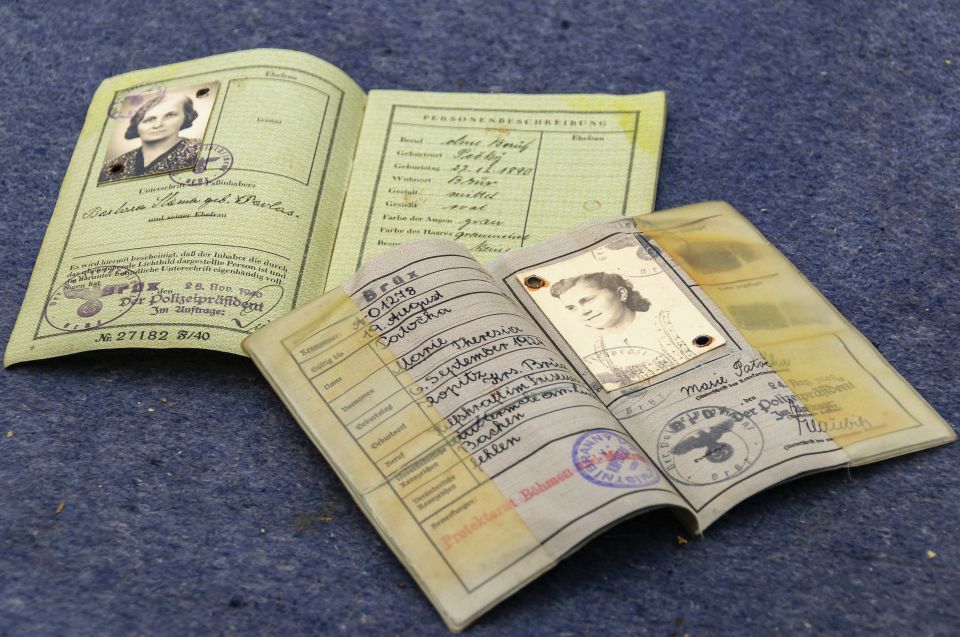
I love the small group size (max 6), which makes it easier to ask questions and actually follow the story. I also love that you start in an authentic WWII underground shelter filled with original items you can see and touch, including wartime papers and personal IDs.
One drawback to plan for: the sites are outdoors and not wheelchair-friendly, so bring comfortable shoes and outdoor clothing and expect uneven ground.
In This Review
- Key Highlights You’ll Feel in Real Time
- Getting From Prague to the Former Sudetenland (and Why the Drive Matters)
- Step Inside: The WWII Underground Shelter Experience
- Bunkers, Shelters, and Tunnels: What You’ll Notice Once You’re There
- Nazi-Era Industry and POW Forced Labor You Can Trace in the Countryside
- RAF and US Air Raids: Where the Story Gets Even More Specific
- Lunch in the Czech Republic: Unlimited Beer Included, Not an Afterthought
- Martin’s Questions-Plus-Answers Approach (Czech History Beyond WWII)
- Timing and Structure: How the 7 Hours Feel in Real Life
- Who This WWII 4WD Tour Fits Best (Ages, Comfort, and Expectations)
- Price and Value: What $293 Per Person Really Buys
- What You Should Bring (So Your Day Stays Comfortable)
- Should You Book This WWII 4WD Tour From Prague?
- FAQ
- How long is the WWII 4WD tour from Prague?
- What’s included with the tour price?
- How big is the group?
- Is the tour suitable for children?
- Is the tour wheelchair accessible?
- What should I wear or bring?
Key Highlights You’ll Feel in Real Time
- Original underground shelter to see and touch, not a plastic museum set-up
- Hands-on wartime items like WWII documents, personal IDs, maps, and even gun-related remnants
- POW forced labor story linked directly to Nazi-built petrochemical industry in the area
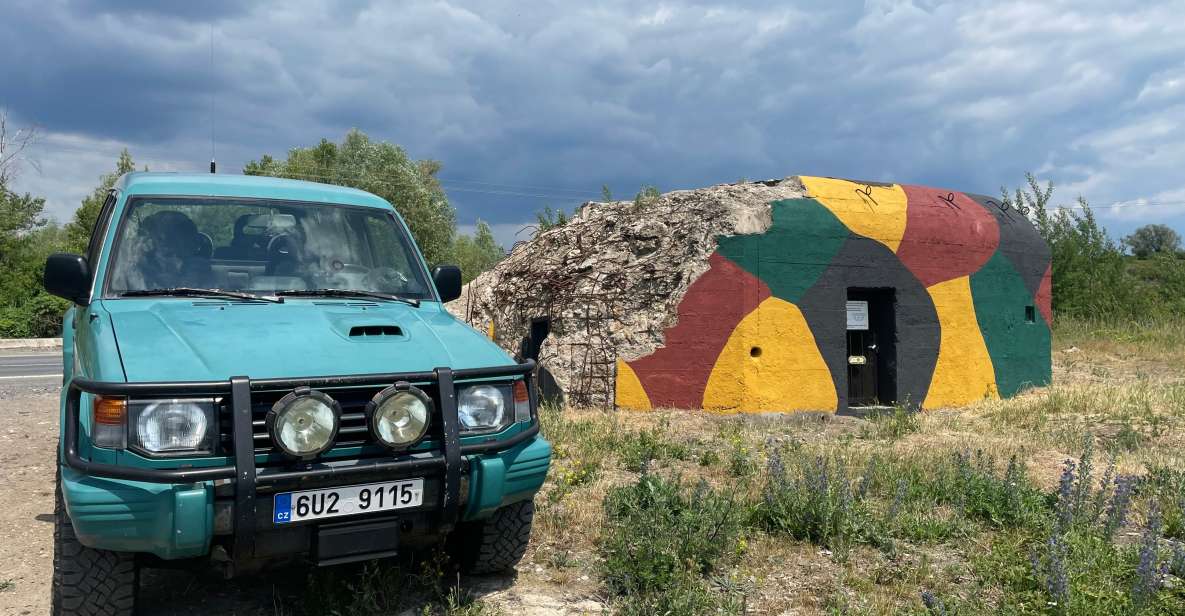
- Bunkers, shelters, and tunnels (Czech and Nazi-made) across the countryside
- RAF and US bombing context tied to air-raid shafts and shoot-down stories
- Martin’s Q&A on Czech history, traditions, and democracy
Getting From Prague to the Former Sudetenland (and Why the Drive Matters)
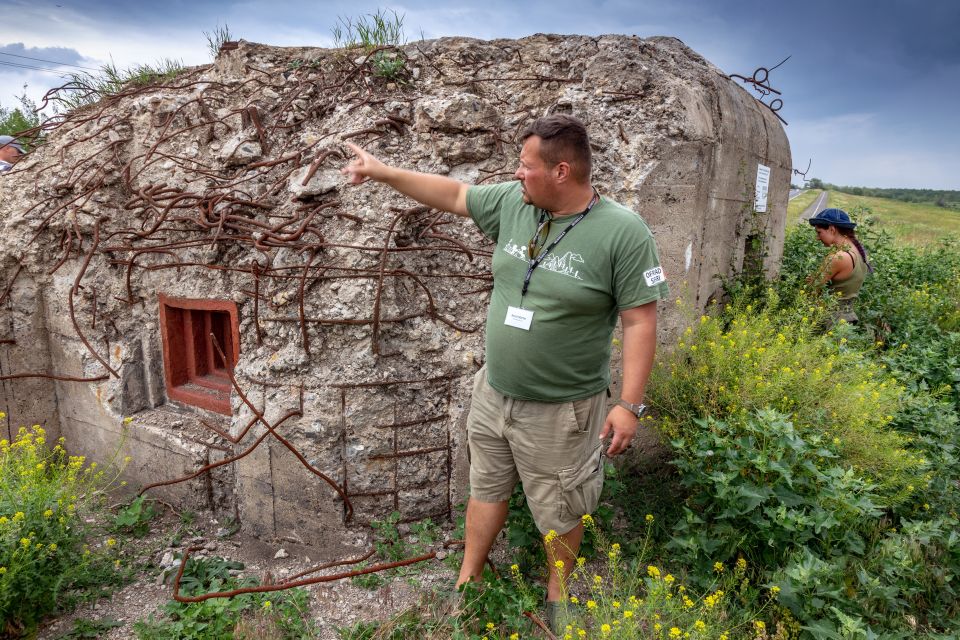
Your day starts with pickup from your hotel in Prague and a ride out toward northwest Bohemia, the former Sudetenland. The timing is built for a full half-day: you’re out long enough to leave the city behind, but not so long that you lose the thread of the story.
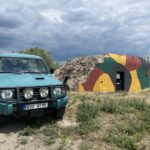
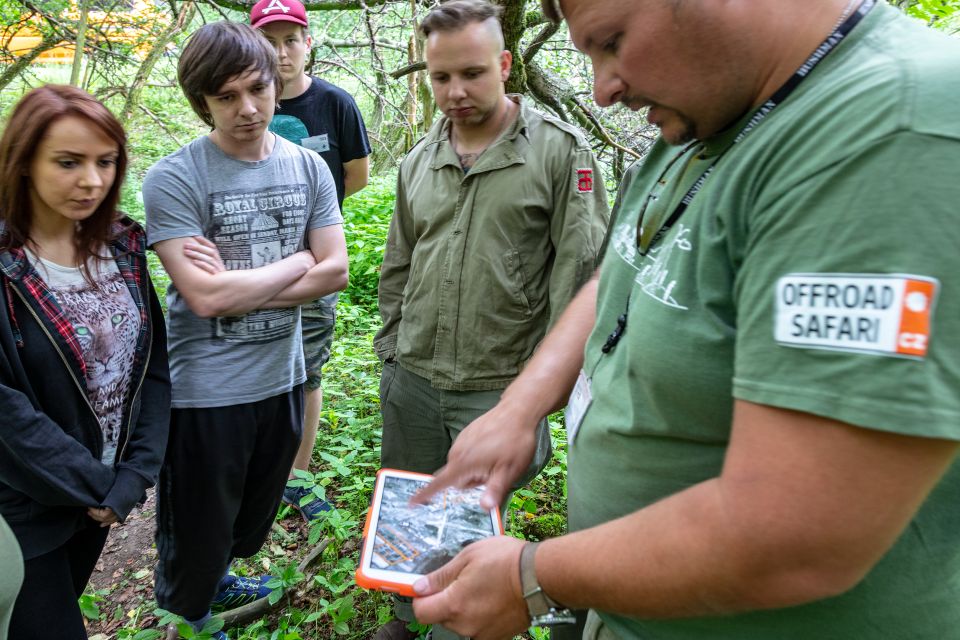
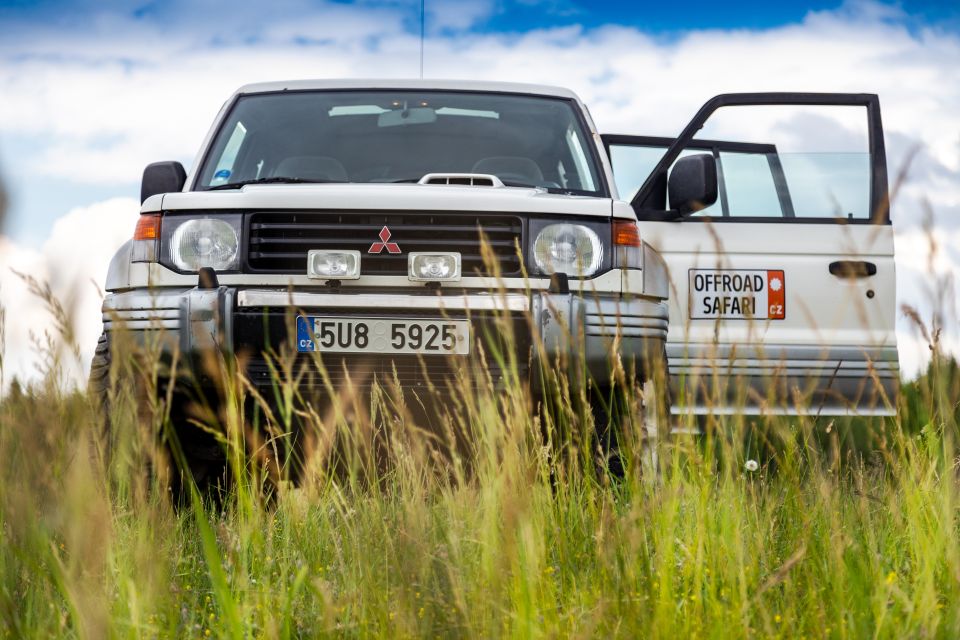
I like that you’re traveling in a 4×4 vehicle, because this isn’t only about “where” things happened—it’s about seeing the terrain. When you move through the countryside like this, you start to understand why bunkers were placed where they were and why certain routes mattered during the war.
If you’re the type who hates group days that feel rushed, this one is structured with stops that include time for guided explanation and actual visiting. It still moves, but it doesn’t feel like a checklist.
You can also read our reviews of more tours and experiences in Prague

Step Inside: The WWII Underground Shelter Experience
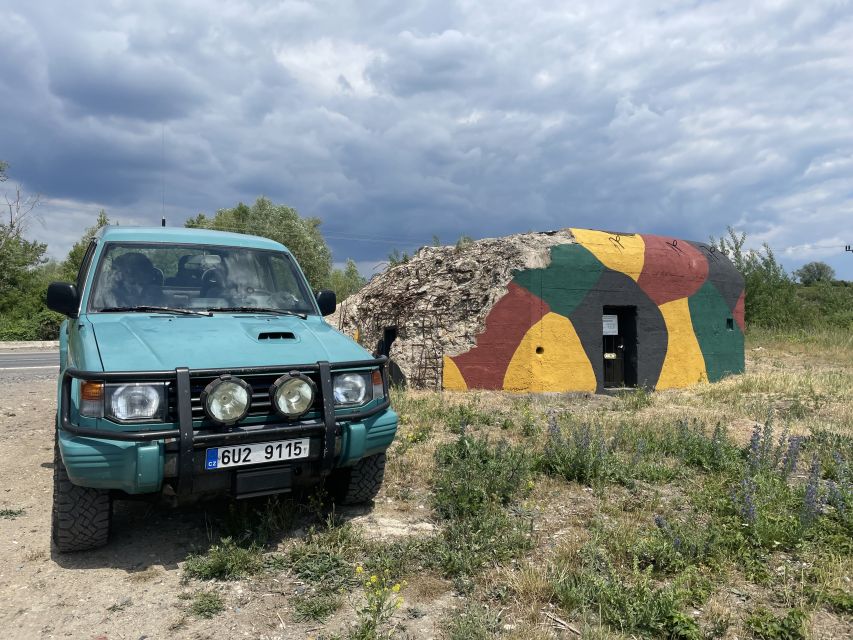
The tour begins at an authentic WWII underground shelter. This is the part that sets the emotional tone fast: you’re surrounded by the physical reality of wartime life, not just photos.
What makes this start stand out is the combination of context and contact. You’ll learn hard history from your guide, and you’ll also encounter original items stored inside—stuff you can see and touch. That matters because it turns vague dates into physical evidence: documents, period materials, and other objects connected to occupation life.
You also get exposure to artifacts connected to the Nazi side of the war effort. The tour description calls out the chance to touch old Nazi weapons and documents, plus items like WWII personal IDs, maps, and details tied to downed aircraft debris. Even if you already know the basics of WWII, these kinds of objects force you to slow down and treat the history as real people and real systems, not only “events.”
Practical thought: in an underground space, it can feel cooler and darker than outside. Wear layers you can handle without turning the visit into a coat-fumbling mess.
Bunkers, Shelters, and Tunnels: What You’ll Notice Once You’re There
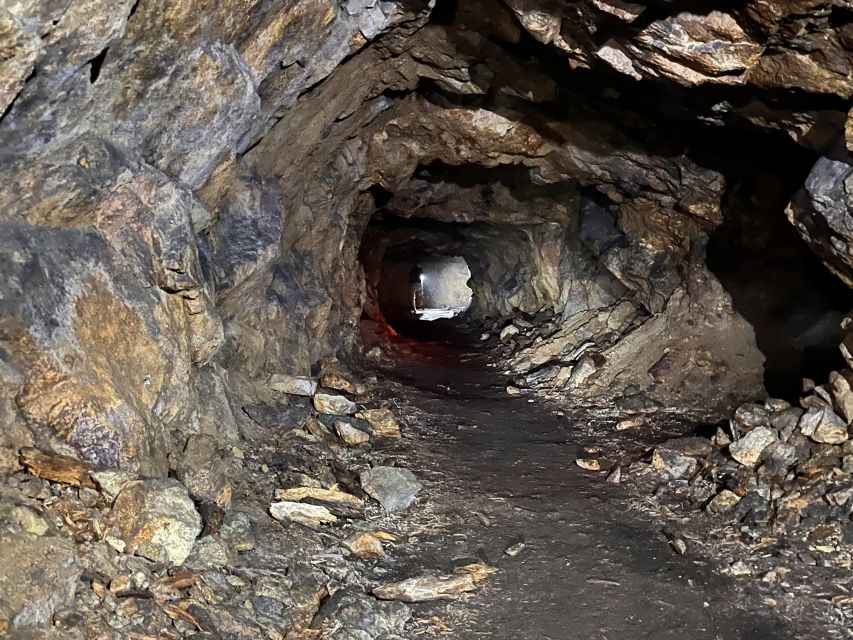
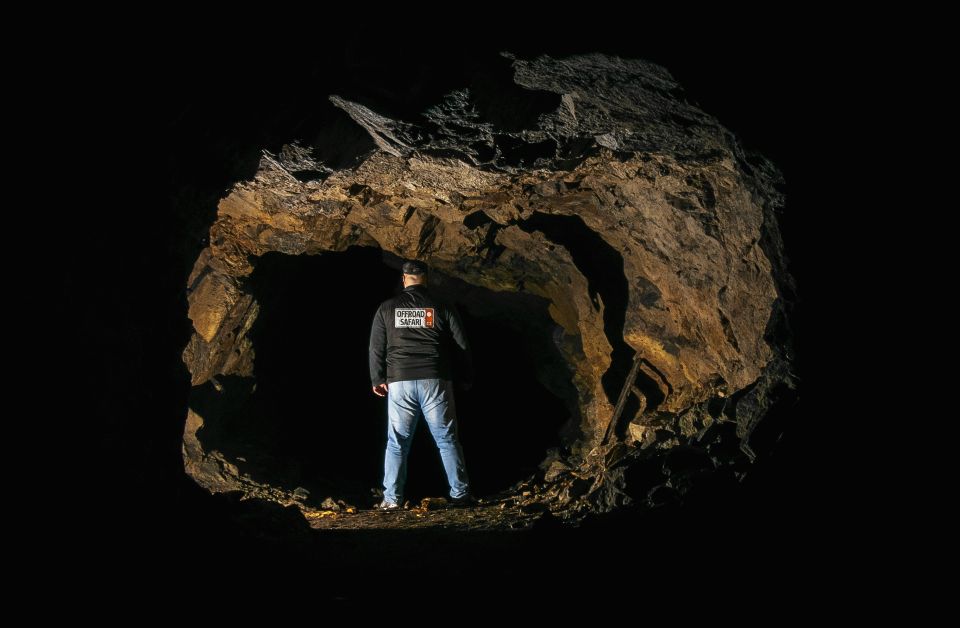
After the initial shelter visit, the day keeps building the map of wartime survival. One stop becomes a lesson, and another stop becomes proof. You’ll discover many different bunkers and shelters scattered through the area, including underground tunnels.
A key value here is variety. You’re not seeing just one bunker type or one “model” shelter. The region is packed with different forms of protection, and the tour frames them as part of a wider system rather than isolated structures.
You’ll also see air-raid-related locations, including an air-raid shaft and both Czech and Nazi-made shelters/bunkers. That mix is important. It helps you understand that WWII infrastructure wasn’t only one side’s creation—wartime needs, local realities, and occupying forces all shaped what remained.
If you like history that connects to geography, this is where it clicks. You start noticing how the terrain supports concealment and movement. You also pick up the way people organized their fears: where they hid, what they expected, and what they hoped would survive.
One consideration: this is a walking/visiting experience that happens on uneven ground. Even with a car to move between sites, you’ll still need to be steady on your feet.
Nazi-Era Industry and POW Forced Labor You Can Trace in the Countryside
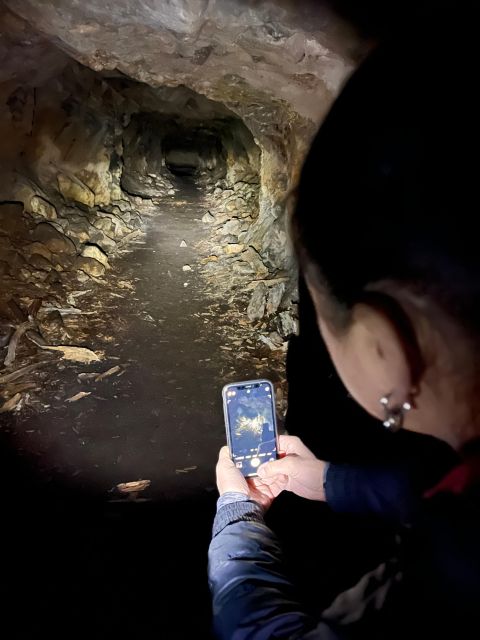
Here’s where the tour turns from “defensive WWII” to “wartime production and exploitation.” In the countryside, you’ll cruise past areas where Nazis built a huge petrochemical factory using POW and forced labor—described as totaleinsatz.
Even if you’ve read about forced labor before, seeing the industrial footprint near the places where people hid and survived changes your understanding. It connects two sides of the same reality:
- the production machine that kept running, and
- the human cost underneath it.
The tour also points you toward former camps and other wartime remnants tied to that system. That gives you a clearer idea of what “force labor” meant in practice—how it wasn’t an abstract category, but an operating method.
For you as a traveler, the value is the structure. Instead of repeating textbook lines, your guide ties each stop to a specific part of the wartime network. It helps you build a mental map: industry → forced labor → defense needs → bombing risk → underground response.
RAF and US Air Raids: Where the Story Gets Even More Specific
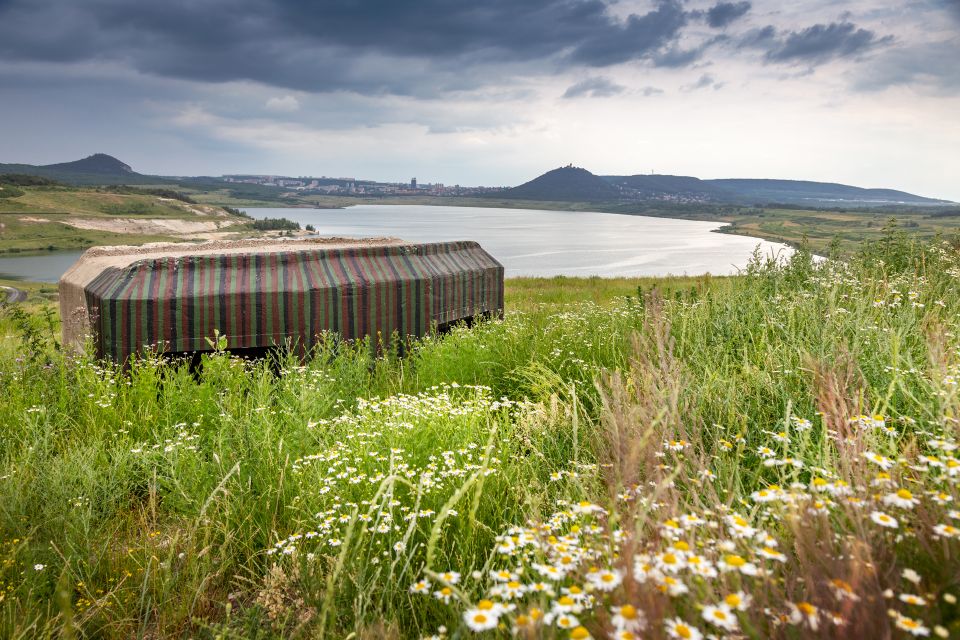
This area was heavily targeted by bombing raids. The tour highlights the role of the R.A.F. and the US Eighth and Fifteenth Air Forces in trying to stop Nazi fuel production.
What I like about how this is presented is the link between air power and physical remains you can still see. You’ll hear stories connected to shoot-down pilots and wartime events, and you’ll also encounter evidence such as shut down aircraft debris.
Then you’ll visit related structures like air-raid shelters and a shaft linked to bombing responses. That’s a powerful way to understand the war’s pressure from above. The danger wasn’t only invasion; it was the steady threat of destruction aimed at specific industrial targets.
If you’re sensitive to grim details, this tour isn’t a light day. The itinerary explicitly focuses on occupation, forced labor, bombing, and wartime casualties implied through the wreckage and stories.
For many people, that’s the point. For others, you might prefer a WWII tour that stays more strictly museum-style. Know your tolerance before you book.





Lunch in the Czech Republic: Unlimited Beer Included, Not an Afterthought
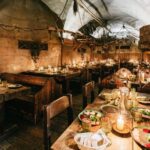
After several hours of history-heavy stops, you get lunch at a local Czech restaurant. It’s a la carte lunch, and Czech beer is included in unlimited amounts during the meal. Bottled water is also provided on board during the tour.
I appreciate that lunch here is framed as a real meal at a real restaurant, not a rushed “tour plate.” One of the best practical benefits: you’re actually fed well in the middle of a long day, and you get a typical Czech social rhythm—food, beer, and time to talk about what you just saw.
This also helps the tour feel balanced. The day is serious, but it doesn’t ignore the fact that people still ate, joked, and gathered—history happened alongside daily routines.
Tip: eat early and pace your beer. You’ll have more visiting after lunch, and you’ll want energy more than you’ll want a heavy stomach.
Martin’s Questions-Plus-Answers Approach (Czech History Beyond WWII)
One of the highlights is that you can ask your guide—Martin—anything about Czech history, traditions, democracy, and more.
That Q&A angle matters because it keeps WWII from becoming a sealed-off chapter. You get a path from the occupation era to how the country thinks about civic life now. It’s one thing to learn events. It’s another to understand how the lessons and scars show up in attitudes, institutions, and identity.
Also, the group size helps. With a maximum of 6 guests, your questions aren’t competing with ten other people’s topics. The day feels more like a guided conversation than a lecture you can’t join.
Based on the way the tour is described, Martin’s goal seems to be turning “I saw stuff” into “I understand what I saw and why it matters.” If you like direct answers and the chance to clarify confusion on the spot, this is a strong fit.
Timing and Structure: How the 7 Hours Feel in Real Life
The tour is about 7 hours total. After pickup in Prague, you get time for guided explanation, then a longer visit in the main underground area, lunch, and then another shorter visit before heading back.
That structure is useful. It prevents that common tour problem where you get only one big stop and then the rest feels like travel time. Here, you build:
1) briefing and orientation,
2) a deep underground exploration,
3) a full meal break,
4) a final burst of visiting before you return.
You’ll also have the countryside travel time, since the starting point is roughly an hour from Prague. That ride isn’t just “getting there.” It’s part of seeing where the history took shape.
If you dislike long car time, bring something that helps you pass the ride calmly. But expect the driving to be purposeful, not random sightseeing.
Who This WWII 4WD Tour Fits Best (Ages, Comfort, and Expectations)
The tour says it’s suitable for ages 8 to 99 and that body size or age doesn’t matter, which is great for families or multigenerational travel groups. Still, you should be realistic about physical movement.
It isn’t suitable for wheelchair users, so the ground and access points will not work for mobility equipment. Comfortable shoes matter, because underground and bunker areas tend to have uneven footing, steps, or tight paths.
This is a good match if you:
- want WWII history tied to physical sites,
- like small groups and question time,
- enjoy hands-on details like documents, IDs, and remnants,
- prefer a guided narrative over self-paced museums.
This may be less ideal if you:
- want a purely uplifting or light day trip,
- dislike outdoor walking or uneven paths,
- need full accessibility accommodations.
Price and Value: What $293 Per Person Really Buys
At $293 per person, this isn’t a budget activity. But it also isn’t just “a guide and a drive.” You’re paying for a full day that includes several bundled elements:
- hotel pickup and drop-off in Prague
- an English-speaking guide with a professional license
- 4×4 transport for the countryside stops
- unlimited bottled water on board
- a local la carte lunch
- unlimited Czech beer during lunch
- a small group experience capped at 6 guests
When you total those pieces, the price starts to look more like a package built for access—access to the underground shelter, access to multiple types of bunkers/shelters, and enough guiding time to explain what you’re seeing.
Also, the max-6 group rule is one of the best value signals here. You get fewer people competing for attention, and Martin’s answers can stay specific instead of general.
If you’re comparing to cheaper tours, the difference will usually come down to vehicle type, group cap, and the number of funded stop-hours at wartime locations.
What You Should Bring (So Your Day Stays Comfortable)
The tour guidance is simple: bring comfortable shoes and outdoor clothing.
That’s not random advice. Even if you mostly rely on the 4WD for the driving segments, you’ll be doing short visits in different conditions—underground spaces, shelter areas, and outdoor remains. Layers help, because temperatures can shift between underground and open air.
If you wear sturdy shoes and dress for weather, the day becomes much more enjoyable. You’ll spend less time thinking about discomfort and more time taking in details.
Should You Book This WWII 4WD Tour From Prague?
I’d book this if you want WWII history that feels tangible—original shelters, actual documents, and the kind of guided explanation that connects occupation life to industry, bombing raids, and survival infrastructure. The small group cap and Martin’s Q&A are real quality markers, and the lunch with unlimited Czech beer makes the day feel human rather than only heavy.
I’d think twice if you need wheelchair access, if you dislike walking on uneven ground, or if you know you’re not comfortable with the darker parts of occupation history.
If you’re looking for a standout day trip that doesn’t feel like a generic “stop-and-photos” tour, this one is built for you.
FAQ
How long is the WWII 4WD tour from Prague?
The tour lasts 7 hours total.
What’s included with the tour price?
Pickup and drop-off in Prague, an English-speaking licensed guide, transport in a 4×4 vehicle, a local la carte lunch, unlimited beer during lunch, unlimited bottled water, and guided visits to the WWII sites are included.
How big is the group?
The group is limited to a maximum of 6 guests for the best enjoyment.
Is the tour suitable for children?
Yes. The tour states it’s suitable for kids from 8 up to age 99.
Is the tour wheelchair accessible?
No. It isn’t suitable for wheelchair users.
What should I wear or bring?
Bring comfortable shoes and outdoor clothing.