REVIEW · PRAGUE
Terezin Concentration Camp – A town of rich and painful history
Book on Viator →Operated by Prague Tours by Tatiana · Bookable on Viator
Terezin forces history into focus. This 6-hour private tour from Prague makes the Nazi-era story feel concrete, walking you through the places where Terezin was transformed from a fortress into a ghetto and transit prison. I especially like Tatiana’s clear, careful explanations that connect dates, buildings, and how life was controlled.
I also like the practical setup: hotel pickup and drop-off and private transportation, with an on-the-ground driver named Victor who helps keep the day smooth. For a subject this heavy, fewer logistics means more mental energy for learning and reflection.
The main drawback? This is a somber experience. You’ll be walking and absorbing difficult history, so go in prepared for emotional weight and modest physical demands.
In This Review
- Key highlights you shouldn’t skip
- Why Terezin Matters: Fortress, Ghetto, and Transit Camp
- Morning Logistics From Prague: Private Pickup that Saves Your Brain
- Main Fortress Focus: From Ghetto to Forced Waiting
- Gestapo Prison: The Place Where Fear Was a System
- Crematorium and the Reality of Loss on Site
- Barracks Premises: Forced Daily Life in a Space That Controlled Everything
- What Tatiana Adds: Clear Explanations and Room for Questions
- Price and Value: $236.59 for a Private Learning Day
- Who This Tour Is Best For (and Who Might Reconsider)
- Before You Go: Practical Tips for a Respectful Visit
- Should You Book This Terezin Tour?
- FAQ
- How long is the Terezin concentration camp tour?
- What’s the meeting and pickup process?
- Is this tour private or shared with other groups?
- What language is the tour offered in?
- Do I need to be physically fit to join?
- Does the tour require good weather?
Key highlights you shouldn’t skip
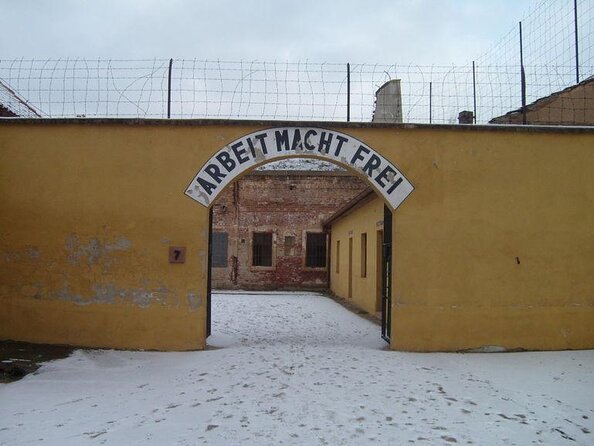
- A guide-led focus on the ghetto’s real function: Terezin was not an extermination camp, but a transit site where people were held before deportations further east.
- Main and Small Fortress sites: you get the contrast between the ghetto area and the prison function tied to the Reich’s secret police.
- Gestapo prison on the route: a key stop for understanding how fear and interrogation worked.
- Crematorium and barracks premises: you’ll see sites tied to death, confinement, and forced daily routines.
- Private group time: only your group goes, so you can ask questions without feeling rushed.
Why Terezin Matters: Fortress, Ghetto, and Transit Camp
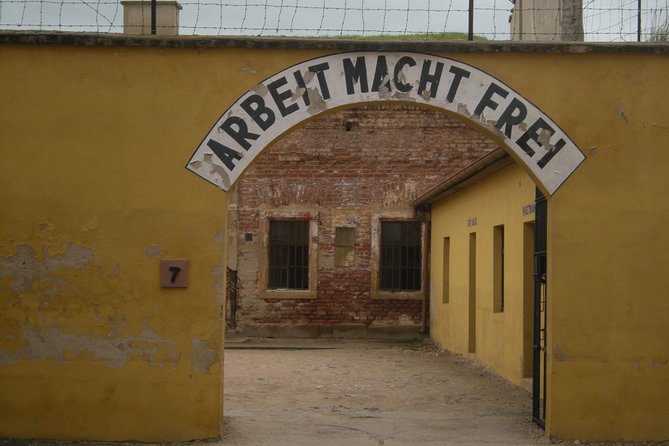
Terezin (Terezín) sits close enough to Prague that it can feel like a day trip. But the place itself doesn’t work like a day trip. It’s a reminder of how quickly Europe’s systems can grind people down.
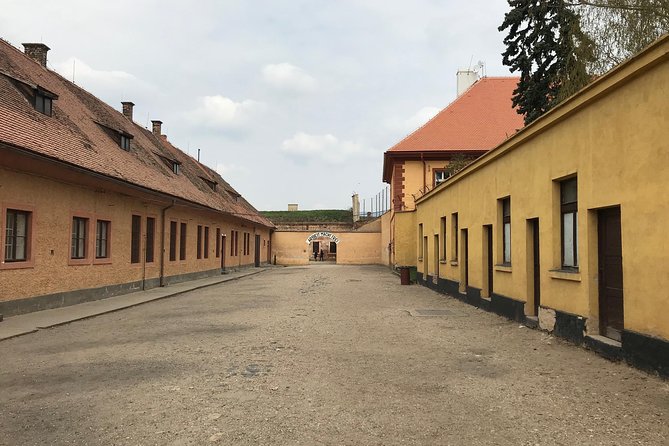
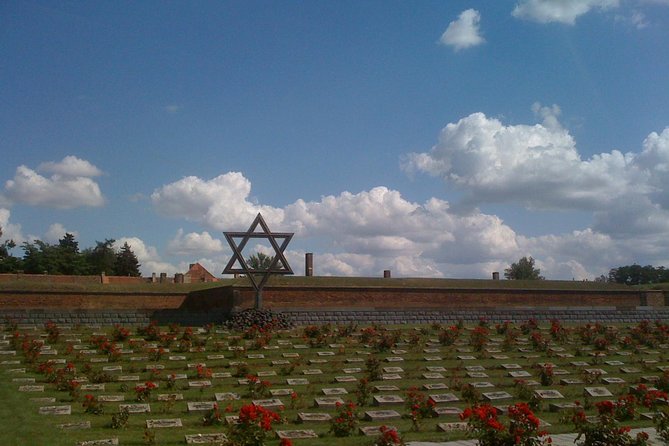
The town’s layers are part of why this tour works. Terezin started as a fortress, named after the Habsburg ruler Maria Theresa, and it became obsolete for its original military purpose. Later it served as a garrison town, then a prison during the First World War. After Nazi occupation, the Main fortress was turned into a Jewish ghetto, while the Small Fortress took on the grim role of a prison run by the Reich’s secret police (the Gestapo).
One of the most important context points you’ll take with you here: Terezin was not an extermination camp like Auschwitz. That distinction matters. In Terezin, around 155,000 people were held under desperate conditions while waiting for transport to death camps further east. Many people—including children—died in Terezin itself.
When a tour does this well, it’s not trying to shock you for shock’s sake. It’s helping you understand the machinery: detention, displacement, humiliation, and the timing of deportations. That’s what makes Terezin hard, but also valuable to learn.
You can also read our reviews of more historical tours in Prague
Morning Logistics From Prague: Private Pickup that Saves Your Brain
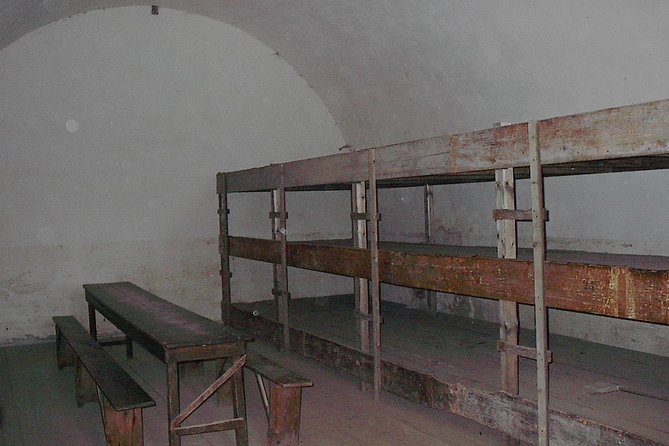
This tour is built for people who want the day to feel controlled and calm, not stressful. You get hotel pickup and drop-off, plus private transportation. That means you don’t have to figure out buses, schedules, or where to stand once you arrive.
It also helps that the tour is private. You’re not sharing the experience with strangers drifting in and out. In this kind of setting, that matters more than you’d think. Your group can stay together, and your guide can keep the story coherent instead of restarting for different arrival times.
The tour starts at 9:00 am and runs about 6 hours. Plan your day around that. You’ll likely come back to Prague with very little interest in sightseeing as if nothing happened. That’s normal.
Language is English, and confirmation happens at booking. Service animals are allowed too. (The tour is listed for people with moderate physical fitness, so wear shoes you feel steady in.)
Main Fortress Focus: From Ghetto to Forced Waiting
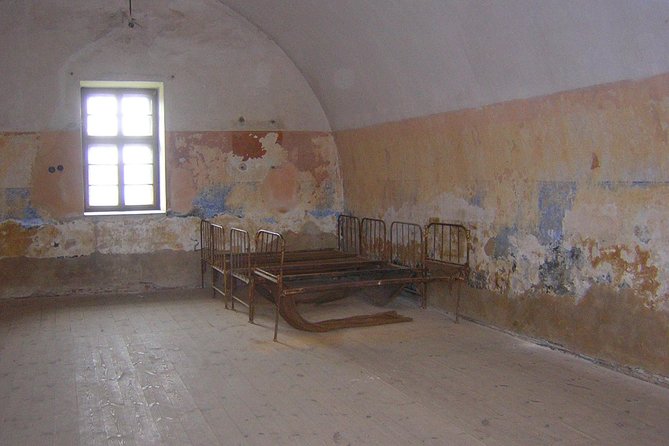
A big part of the experience is the way Terezin’s buildings and layout explain its purpose. The Main Fortress is where the Nazi authorities created the “special” Jewish ghetto. You’re not just seeing old stones; you’re seeing how space became policy.
In practical terms, the tour’s stops in this area connect daily life to the ghetto’s role as a transit holding place. People were not simply imprisoned here for an unspecified duration. They were held while preparations for deportations moved forward—often with families separated, routines broken, and hope constantly manipulated.
One stop tied closely to this story is the Magdeburg Barracks area. Barracks are one of those words that can sound generic until you’re standing where people were forced to live in cramped, constrained conditions. Even without dramatizing anything, barracks premises can make the limits of shelter and privacy feel real.
Another crucial element in the Main Fortress theme is the sense of official control. The tour helps you see that control wasn’t only guards and locks. It was also the timing of movements, the structure of daily life, and the way the ghetto served the broader Nazi system.
Gestapo Prison: The Place Where Fear Was a System
If you want one site that crystallizes what you’re learning, it’s the Gestapo prison stop. This is where Terezin stops being an abstract tragedy and becomes a specific tool of repression.
The Small Fortress is described as a cruel prison of the Reich’s secret police. When the tour points you to the Gestapo prison, it’s not only about the existence of a prison. It’s about the method: detention tied to interrogation, punishment, and the constant threat of what could happen next.
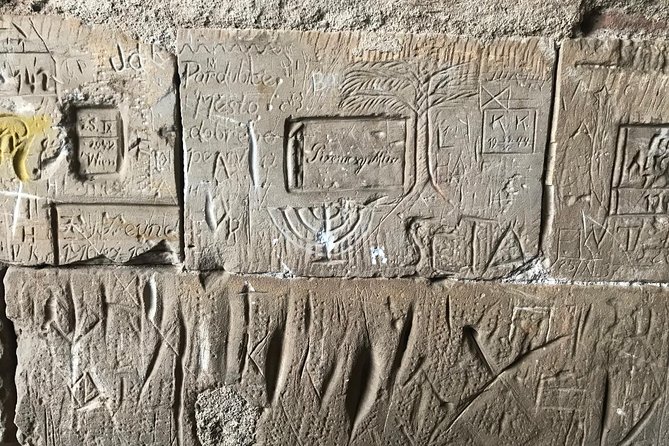
A good guide matters here. Tatiana’s explanations are highlighted in the tour feedback as patient and well handled, especially when people have questions. That’s exactly what you want in a place like this. You may notice details in the buildings that spark questions, and you’ll want answers that fit the context—not vague generalities.
One key takeaway I’d encourage you to hold onto while you’re there: fear was administered. The prison function wasn’t incidental. It was built into how the Nazis managed people.
Crematorium and the Reality of Loss on Site
The tour includes the Crematorium. That’s the kind of stop that makes your mind go quiet, even if you’ve read about the Holocaust before.
This is where the transit-camp distinction becomes emotionally sharper. Yes, deportations went east to death camps. But many people still died in Terezin itself—so the camp’s purpose wasn’t delayed suffering. It was suffering in place.
You don’t need graphic details to understand what this means. The presence of crematorium premises pushes the story beyond arrival and waiting. It forces the reality of death inside the ghetto system into view.
I find this stop especially important because it balances the narrative. Without it, a transit camp can sometimes sound like something people pass through. Here, you’re reminded that time in Terezin could be lethal, and that loss happened repeatedly and on many levels—families, children, and entire communities.




Barracks Premises: Forced Daily Life in a Space That Controlled Everything
Stops such as the Magdeburg Barracks area help you understand what the Nazis wanted people to experience every day: confinement, lack of room, and a routine defined by captors.
Barracks are a brutal concept when you actually think about how a human body and a household function. A ghetto isn’t just a holding pen. It’s where you attempt to keep a life going while your control is stripped away.
A well-run guided tour will connect these premises to the larger picture: how the Main Fortress operated as part of the Nazi plan, and how the Small Fortress added a layer of prison terror through the secret police. When those pieces fit together, the place starts making sense as a system, not a random collection of sites.
For your visit, I recommend doing one small mental exercise. Try to picture the day as a schedule set by others, not by you. Once you do that, the buildings stop being historical backdrops and start functioning like evidence.
What Tatiana Adds: Clear Explanations and Room for Questions
In a topic like this, the difference between a good and a great tour often comes down to how a guide handles your questions.
Tatiana is specifically described as having easy expressions and wonderful smiles while still taking the subject seriously. That combination can sound strange at first—how can you smile in a place like this? But it actually helps. It signals that you’re safe to ask hard questions and that the guide’s goal is understanding, not performance.
Her explanations are described as helping people grasp the complex history of the site. For many visitors, that complexity is exactly the problem: there’s so much information out there that it can turn into noise. A guide helps you sort it into a story you can remember later.
I also like that the tour is set up as a private experience. If your group includes kids (one family on a past booking had a 13-year-old and a 6-year-old), you’ll need a guide who can pace the information and handle questions thoughtfully. The value here isn’t just facts—it’s delivery.
Price and Value: $236.59 for a Private Learning Day
The price is $236.59 per group, up to 3 people. That’s not cheap in absolute terms, but it can be fair value depending on how you travel.
Here’s why it can feel worth it:
- You’re paying for a private, English-speaking guide named Tatiana who focuses on the key sites and context.
- You get hotel pickup and drop-off, plus private transportation. For many visitors, that convenience is half the benefit.
- The group is limited to your party only, so you’re not squeezed into a crowd while asking questions.
If you’re traveling as a couple or a small family, the per-person cost drops quickly. If you’re solo, it can feel more expensive—though you still get private access, which can be rare for Holocaust-focused day trips.
In my view, you’re not buying entertainment. You’re buying time, context, and access to the right sites without logistics headaches. If that matters to you, the value is there.
Who This Tour Is Best For (and Who Might Reconsider)
This tour fits people who want a structured, respectful visit to the major sites linked to Terezin’s WWII role—especially those interested in Holocaust history and daily life inside the ghetto system.
It’s also a strong choice if you:
- Prefer private tours over group buses
- Want hotel pickup to keep the day calm
- Like asking questions and getting careful answers
- Appreciate English-guided historical interpretation
It may be less suited to people who want a light, cheerful outing. There’s no way around the subject matter. Even if you come prepared, this place asks for emotional stamina.
Also note the moderate physical fitness requirement. You’ll likely spend time walking around the fortress and prison premises. Wear comfortable shoes and plan to move slowly.
Before You Go: Practical Tips for a Respectful Visit
Terezin is outdoors and on uneven grounds in fortress areas, so plan like it’s a serious walking day. Bring layers. Even in good weather, conditions can change.
And bring your brain in “listening mode.” This tour isn’t about collecting photos. It’s about learning where the Nazis held people, how the fortress was repurposed, and how the system operated across the Main and Small Fortress.
If you’re visiting with kids, consider how you’ll handle questions before you arrive. A guide like Tatiana can answer patiently, but you’ll still want your own plan for how much detail works for your family that day.
Finally, give yourself time afterward. You’ll likely return to Prague feeling quieter than you expected.
Should You Book This Terezin Tour?
Yes, if you want a private, English-guided visit that focuses on the core sites connected to Terezin’s role: the ghetto in the Main Fortress, the Gestapo prison function in the Small Fortress, and key premises like the crematorium and barracks.
It’s also a good booking choice if logistics would otherwise stress you out. Hotel pickup and drop-off plus private transportation mean you can focus on the story instead of transit.
Skip it only if you’re looking for something lighthearted or if the idea of walking through prison and crematorium sites feels too much right now. For the right traveler, this is one of those days that changes how you understand what happened—and why it mattered.
FAQ
How long is the Terezin concentration camp tour?
The tour lasts about 6 hours.
What’s the meeting and pickup process?
You meet all guests at the registration desk of your chosen hotel. Pickup time and date are arranged in advance.
Is this tour private or shared with other groups?
It’s a private tour/activity, so only your group participates.
What language is the tour offered in?
The tour is offered in English.
Do I need to be physically fit to join?
The tour is listed for people with a moderate physical fitness level.
Does the tour require good weather?
Yes. The experience requires good weather, and if it’s canceled due to poor weather you’ll be offered a different date or a full refund.