REVIEW · PRAGUE
Private Half-Day Tour To Terezin Concentration Camp
Book on GetYourGuide →Operated by LucyTours Prague · Bookable on GetYourGuide
Terezin hits fast, and you remember it. A private 5-hour tour from Prague lets you slow down with a local guide and cover both the Small Fortress Gestapo prison and the Big Fortress ghetto without feeling rushed. You also get a structured route that connects buildings, dates, and human stories into one clear walk.
The main drawback is the subject matter and pace. This is heavy content, and the day is still only five hours, so some museum areas may feel more like a guided introduction than a full, room-by-room study unless you ask your guide to focus.
In This Review
- Key Things That Make This Terezin Tour Worth Your Time
- From Prague to Terezin: Why a Private Half-Day Works
- Small Fortress: Gestapo Prison Cells, Tunnels, and the Red Cross Film
- Big Fortress Ghetto: Museum Rooms, Numbers, and What Survived in Memory
- The Hidden Synagogue and Magdeburg Barracks: Culture Under Bans
- Krematorium and Mass Graveyard: The End of the Story, Not the End of Impact
- Guides Matter: What Makes the Private Experience Feel Human
- Price and Value: What $316 Buys You
- Practical Tips for a Heavy, Moving Half-Day
- Should You Book This Private Half-Day Tour to Terezin?
Key Things That Make This Terezin Tour Worth Your Time
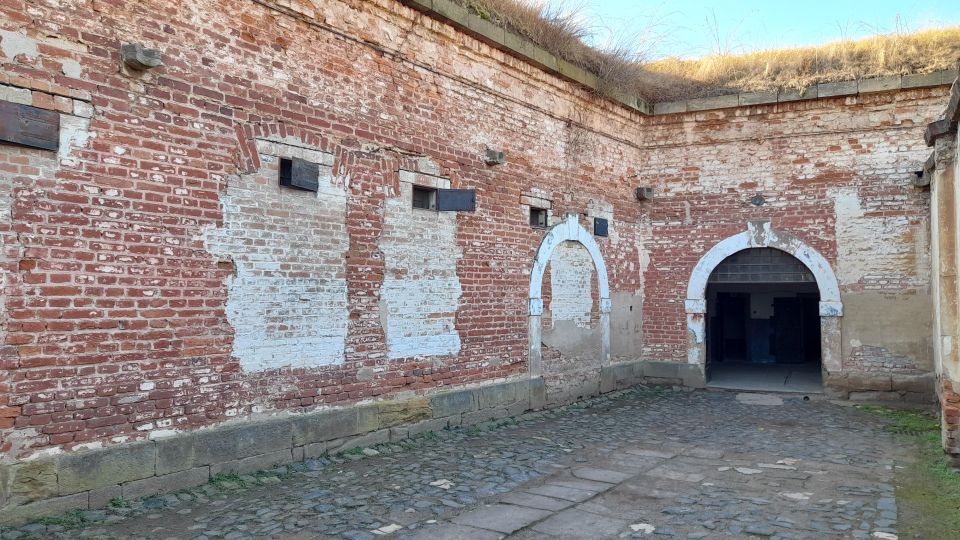
- Small Fortress walkthrough starting at the administrative court, then into men’s cells, solitary areas, and the wall tunnels
- A specific, 10-minute Nazi propaganda film shown for context around the International Red Cross
- Big Fortress ghetto depth through the Museum of the Ghetto, with special attention on children’s spaces
- Hidden synagogue and chapel visit, tucked away where open religious signs were banned
- An ending at the crematorium and mass graveyard, so the story doesn’t stop at the museum doors
From Prague to Terezin: Why a Private Half-Day Works
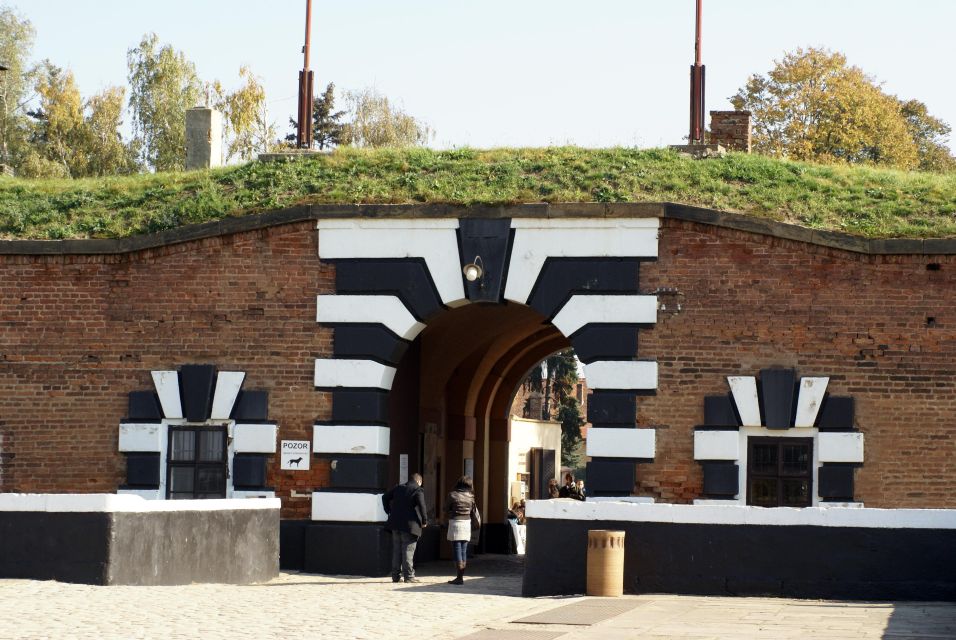
Terezin is not the kind of place where you can get the full meaning by peeking at a few signs. It’s a former fortress complex that Nazis turned into a Jewish ghetto and a prison system, and the details matter. A private format helps you make sense of what you’re seeing, in the order that was intended for the prisoners and then later for documentation.
I like that this tour is built around two locations within walking distance of each other: the Small Fortress and the Big Fortress, separated by about a mile. That means you can connect how the system worked as both a prison machine and a ghetto trap. And because it’s a private group, your guide can adjust pacing to questions, not just stick to a strict script.
You also get real logistics covered: a driver and a car or minivan, plus pickup included from wherever you want around Prague. Entrance to the Terezin Memorial is part of the package too, so you’re not bouncing back and forth between websites while trying to get your head around what you’re about to see.
Finally, there’s the human factor. The guides attached to this tour are described as warm, personable, and responsive, with one guide, Eva, adding context about daily life in Czech society before, during, and after the Velvet Revolution. That kind of framing can be useful when you’re trying to understand how normal life and political violence can connect.
You can also read our reviews of more private tours in Prague



Small Fortress: Gestapo Prison Cells, Tunnels, and the Red Cross Film
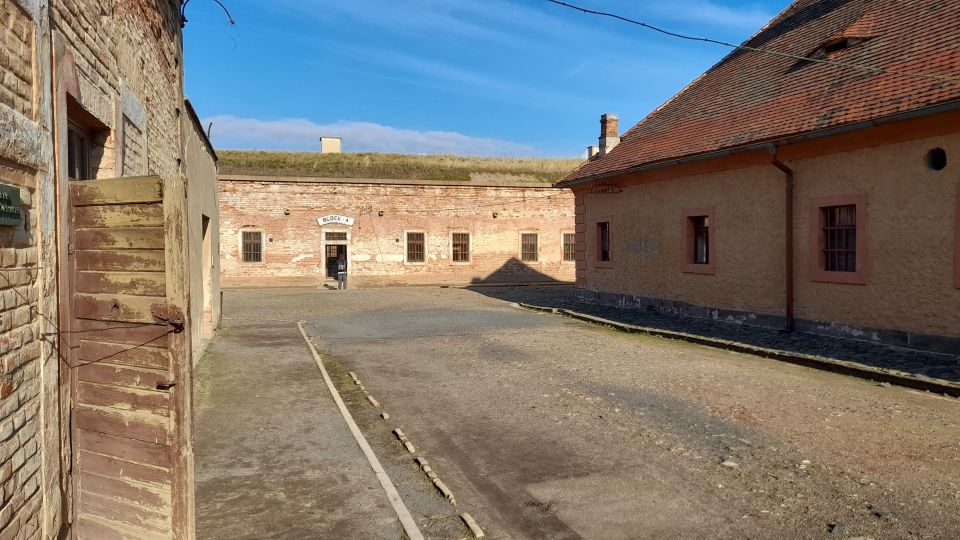
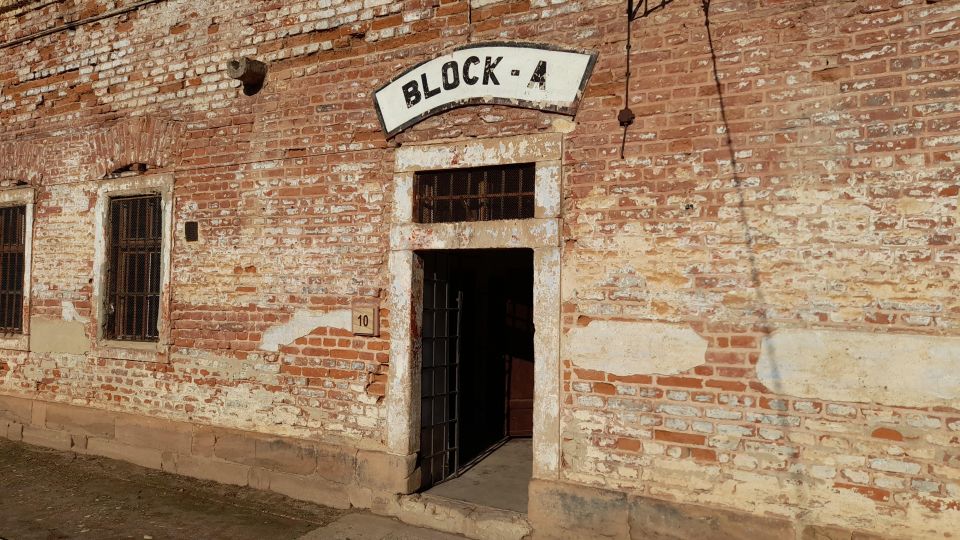
The Small Fortress is the prison side of Terezin’s story. It served as a Gestapo prison starting in June 1940, and it operated until May 8, 1945. Over those years, about 35,000 prisoners passed through its gates, including political prisoners, prisoners of war, and people sent because of who they were: Jews, Roma, people with disabilities, and others.
This part of the tour starts where prisoners entered and got processed. You’ll begin at the administrative court, then move to the office of the commander. It may sound like dry “site orientation,” but that route helps you understand power and procedure before you reach the cells. You’ll then walk through the men’s sections and see the mass cells, the Jewish cell, and the solitary cells.
One detail I appreciate here is how the tour doesn’t treat the buildings as generic history props. It lays out what each space was for. Mass cells show crowded confinement. Solitary cells show isolation as a system, not an accident. Even if you know the facts already, being led through these spaces in a guided sequence helps you register them as intentional design.
You’ll also go through the wall tunnels. These are the kind of places that can make you think about surveillance and control, not just detention. Then there’s time for the shooting range and the fourth courtyard, where later mass cells were built because the prison lacked space.
A short 10-minute propaganda film is part of the Small Fortress experience. It was made by the Nazis with an eye toward the International Red Cross, so it’s not just a film in a museum sense. It’s a reminder that the camp system included staged narratives meant to confuse outsiders and manage perceptions.
If you prefer to ask a lot of questions, this is where your guide can earn their keep. A strongly reviewed guide named Peter is described as friendly and knowledgeable, with compassion that shows through in how answers are given. In a place like this, the difference between a facts-only tour and a guided explanation is huge.
Big Fortress Ghetto: Museum Rooms, Numbers, and What Survived in Memory
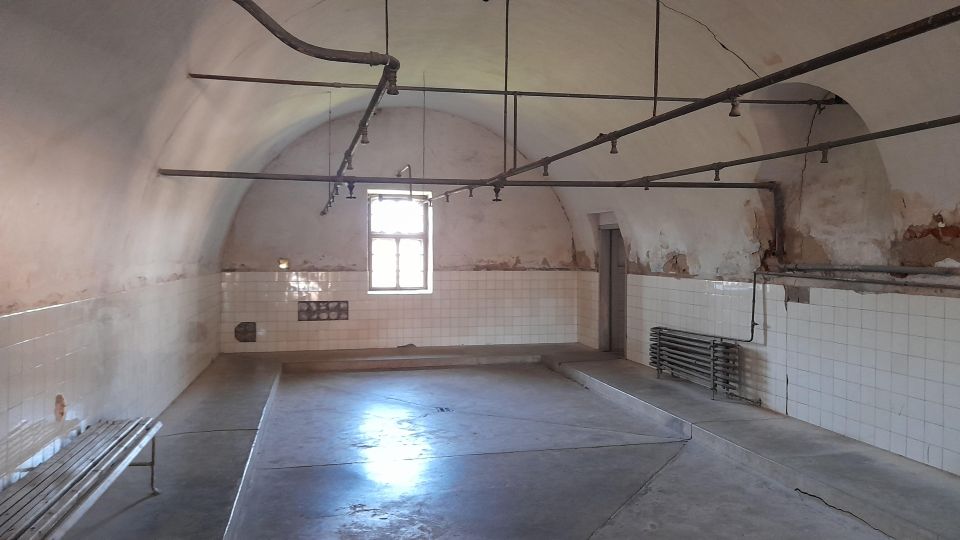
The Big Fortress is about a mile from the Small Fortress, and its function was different. Starting around November 24, it served as a ghetto for Jews. In about 3.5 years, roughly 155,000 Jews passed through its gates.
The tour anchors those numbers to what happened next. You’ll hear that 63 transports left Terezin for extermination camps in Poland, carrying 87,000 prisoners, and that only 3,600 survived the war. You’ll also learn that about 35,000 people died in the ghetto itself, mostly from disease and lack of nutrition.
I find those statistics easier to hold when the tour links them to physical places you can actually stand in. That’s why the Museum of the Ghetto visit is so important. The museum is located in former barracks for boys, so it doesn’t feel like a separate, neutral building placed beside the real history. It’s part of the space itself.
Inside the museum, the ground floor is dedicated to children who lived and perished in Terezin. The last section focuses on the extermination camps. That organization matters because it prevents the story from blurring into one long, vague tragedy. You move from the experience of those trapped inside, to what the system meant for children, to what came next in the extermination process.
If you’re someone who likes to understand human behavior under extreme conditions, look for how the tour uses the museum setting to show day-to-day meaning, not just suffering. The Big Fortress side is where the story can feel most crushing, but it’s also where the idea of courage and self-sacrifice becomes part of the conversation, not just a phrase.
The Hidden Synagogue and Magdeburg Barracks: Culture Under Bans
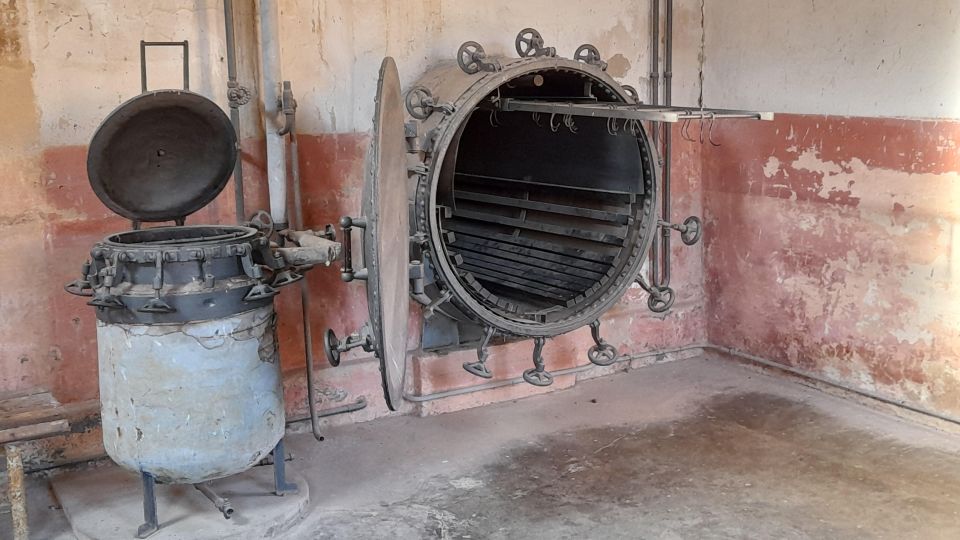
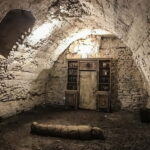
After the museum portion, the tour heads to one of the most unusual places on the site: the hidden chapel and synagogue. The hidden synagogue in Terezin is described as one of six such hidden synagogues. The one you’ll visit is hidden inside a storage room because Nazi rules banned visible signs of Jewish religion.
This is a powerful stop because it doesn’t only show what was taken away. It shows what people tried to keep. In a tour that’s already moving through prison and death spaces, this room can feel like a quiet interruption, like a reminder that religious identity and community didn’t disappear just because it was forbidden.
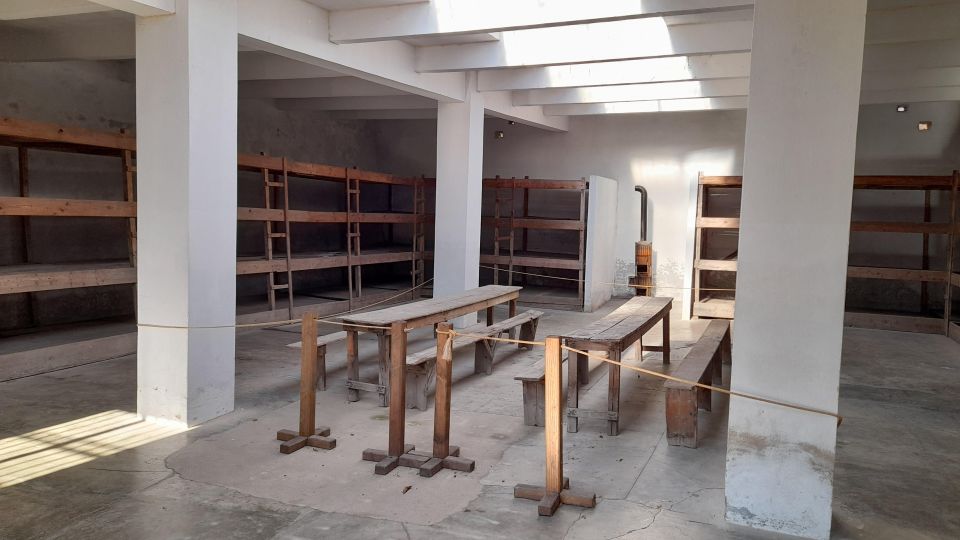
Next comes the Magdeburg barracks. Here you’ll see what dormitories looked like and learn about culture in the ghetto. The tour highlights that many of the Jewish prisoners were accomplished artists. That detail matters for your understanding of Terezin as more than a transit point. It was a place where creative skill, education, and identity continued in limited, risky ways.
I also like that the tour doesn’t treat culture as a side note. Culture was a survival method. When you’re shown dormitory layout and then connected to artistic prisoners, the ghetto becomes more vivid. You start imagining how people passed time and made meaning even while the system tightened around them.
Krematorium and Mass Graveyard: The End of the Story, Not the End of Impact
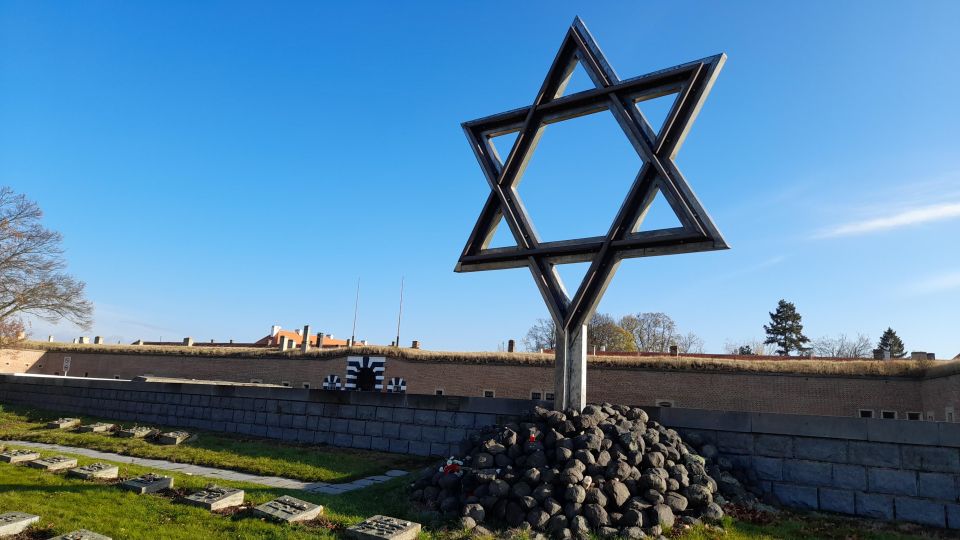
The tour finishes with the crematorium outside Terezin’s walls. It was built in 1942, and bodies were cremated there. Next to it lies a mass graveyard.
This ending is emotionally heavy, and that’s exactly why it works. Many historical tours stop once you’ve reached a museum display. Here, the tour closes with the physical reality of what the system did after deportations and imprisonment. The story doesn’t end in a room with labels. It ends where bodies were processed.
For some people, this can be the moment when everything feels real in a different way. If you’re planning your day, don’t stack lots of big activities right after. You’ll want a quiet return to Prague so your brain has room to process, even if you can’t fully process it.
If you’re going with family, consider the emotional load carefully. There’s no right answer, but five hours at Terezin is intense. Even if everyone can handle the facts, the atmosphere can be difficult to shake off.
You can also read our reviews of more tours and experiences in Prague

Guides Matter: What Makes the Private Experience Feel Human
In a place like Terezin, the guide is not just narration. It’s translation between cold facts and lived meaning. Reviews tied to this tour highlight guides who are warm and personable, and who explain with compassion.
Names that show up include Eva and Peter, with one experience noting Eva’s connection to lived experience of Czech life before, during, and after the Velvet Revolution. That kind of context can help you understand how societies change and how ordinary life can shift into oppression. You’re not just learning Holocaust history in a vacuum. You’re seeing how Europe’s political landscape made space for atrocity.
Another repeatedly praised detail is how guides handle questions. One experience credits Peter with being responsive and patient. That matters in real life because you will likely have questions. You might want clarification on specific spaces, or you might ask how the ghetto and prison system connected. A good guide can answer without rushing you toward the next stop.
The tour also includes live guidance in several languages, including English, Spanish, French, Russian, Italian, Czech, and German. If you’re traveling with someone who prefers a language you don’t speak, this flexibility is a real value.
Price and Value: What $316 Buys You
The price is $316 per person for a 5-hour private tour that includes a guide, a driver, a car or minivan, and the entrance fee to the Terezin Memorial.
Is it expensive? For a site that can be reached by public transport, yes, it can be. But private tours aren’t just about “comfort.” They’re about time and control. You get a guide who can explain why each stop matters, you can ask questions as you walk, and you don’t have to fit into a large group’s pace.
Private value often shines when:
- You want both the Small Fortress and Big Fortress covered with context, not just a checklist.
- You’re traveling with fewer people and want attention focused on your questions.
- You care about accuracy, especially when numbers and dates can get tangled.
One practical way to judge value is to think about how much mental effort you want to spend getting from stop to stop. Here, transport and entry are handled. That leaves your energy for the hard part: thinking through what you’re seeing.
Practical Tips for a Heavy, Moving Half-Day
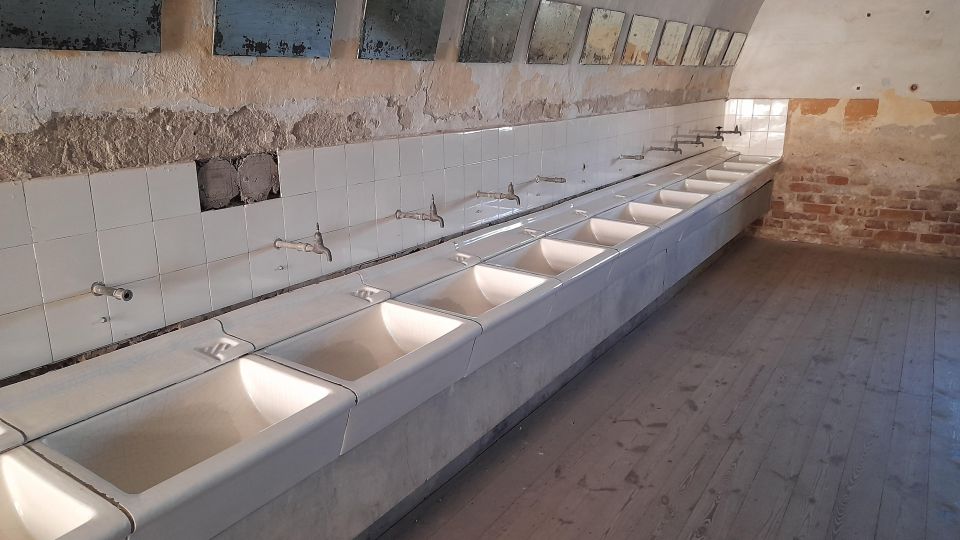
Here are a few grounded tips that can make the day smoother without turning it into something it isn’t.
First, plan to go in with a slower mindset. This tour is structured, but it’s not light. You’ll cover prison spaces, a ghetto museum, hidden religious areas, and a crematorium. Expect emotions to come in waves, not in a neat timeline.
Second, wear comfortable shoes and dress for outdoor walking. The fortresses and grounds involve getting between spaces. You’ll likely stand and walk longer than you think because the story is told physically.
Third, bring a small notebook or keep notes on your phone. There are many specific places and historical points: the administrative court, mass cells, the Jewish cell, solitary cells, wall tunnels, the shooting range, courtyards, the 10-minute film, the ghetto museum sections, the hidden synagogue in a storage room, the Magdeburg barracks, and the crematorium built in 1942. Writing down names and facts helps them land.
Finally, use your guide actively. If you want more time on a museum section or a particular courtyard, ask. Private tours work best when you treat them like a conversation, not a radio broadcast.
Should You Book This Private Half-Day Tour to Terezin?
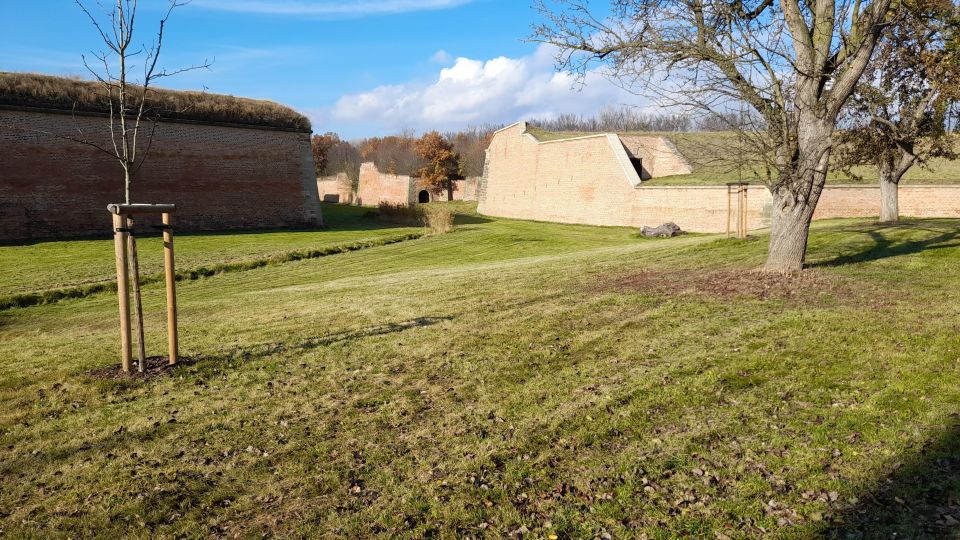
You should book if you want structure, context, and direct access to a guide while you visit both sides of Terezin. The private format fits travelers who want to understand the “how” and “why” behind each space, not just read plaques while trying to keep pace with a group. If you value guides who are warm, responsive, and compassionate, this tour is a strong match.
You might think twice if you’re looking for something light or casual. Five hours at a concentration camp site is not the day for distraction, and it won’t feel like a typical sightseeing loop.
If you are ready for a serious, well-led experience with a clear route from the Small Fortress through the Big Fortress and ending at the crematorium, this is a solid way to do it from Prague.