REVIEW · PRAGUE
Half-Day WWII Prague Walking Tour
Book on Viator →Operated by Explore Prague · Bookable on Viator
Prague hits different when WWII’s fingerprints are still visible. This 3.5-hour WWII walking tour follows the Czech story of occupation and resistance through real locations, photos, and guide-led context. I really like the way it turns famous events into walkable geography, and the way guides like Michal or Honza (Jack) use clear English and strong storytelling to make it stick. You’ll also get a breather with an included café stop, so it doesn’t feel like one long lecture.
One thing to plan around: this is a fast-paced walk on historic streets. If you have walking limits, or if cobblestones bother you, you’ll want to think twice and maybe choose a different format.
In This Review
- Key highlights worth your attention
- WWII Prague on a walk: what you actually see
- Starting point near Charles Bridge: easy to find, still central
- How the Heydrich story shapes the whole afternoon
- The museum stop: where the last battle connection becomes real
- Power sites and Old Town Square: seeing occupation, not just resistance
- The coffee break: a smart reset in the middle of a long walk
- Getting around with included public transport fees
- Group size: why 15 makes a difference
- Price and value: why $47.06 can be a good deal
- The pacing reality check: when this tour might feel too fast
- Who this tour is best for (and who should pick something else)
- Should you book this Half-Day WWII Prague Walking Tour?
- FAQ
- What time does the tour start, and where do I meet?
- How long is the WWII walking tour?
- Is museum entry and public transportation included?
- What’s included in the coffee break?
- What’s the group size limit?
- Do I get a refund if I cancel?
Key highlights worth your attention
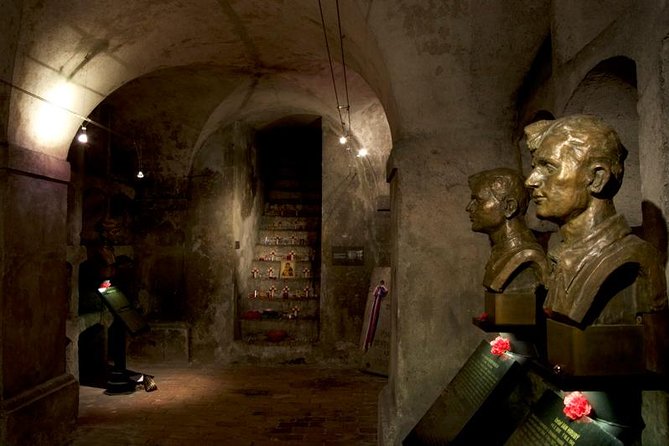
- Operation Anthropoid and the Heydrich assassination are used as the main story thread through Prague
- Museum entry included at a former last-battle site turned museum
- Foot + public transport with transit fees covered (so you spend less time figuring it out)
- Coffee break in a local café with your choice of coffee, tea, or soft drink
- Small group size with a cap of 15, which makes questions easier
- Old Town Square and key WWII power sites appear in the route, not just on a map
WWII Prague on a walk: what you actually see
This is the kind of tour that gives you context quickly. You’re not just circling monuments. You’re connecting occupation, resistance, and the cost of survival to streets you can point at and say, that’s where it happened.
The big win for me is the story focus. Instead of trying to cover every WWII topic in Prague (that would take days), the route uses one central narrative: the assassination of Reinhard Heydrich, often called The Butcher of Prague. From there, you get the lead-in events, the aftermath, and how Czech resistance fought back.
Second, the tour doesn’t treat Prague like a background. It treats Prague like a participant. You stop at sites tied to the assassination, walk through Old Town Square, and include the places that show how the occupiers operated. Even when you don’t linger, you’re learning to read the city as a historical document.
The route also includes museum entry, so you get at least one “time to look closely” moment rather than only hearing stories while walking.
You can also read our reviews of more walking tours in Prague
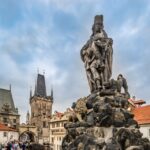
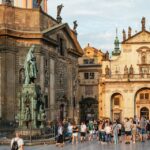

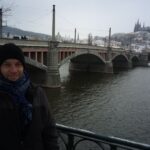
Starting point near Charles Bridge: easy to find, still central
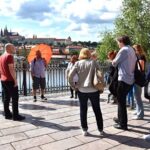
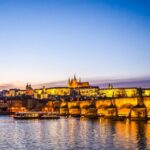
You meet at 1:30pm near central Prague, with the tour’s listed start at Křižovnické náměstí in Old Town. It’s also described as meeting by the Charles Bridge area, which makes sense because you’re basically in the same neighborhood.
Why I like this setup: it’s a smart time of day for history. Late morning can be crowded. Evening can feel rushed. A 1:30pm start lands you right in the best “afternoon energy” window—enough day left to walk, and not so late that daylight becomes a problem for photos and outdoor details.
Also, this is the sort of tour where you want to arrive a few minutes early and settle in. The pace is lively, and the guide’s job is to start telling the story as soon as you meet.
How the Heydrich story shapes the whole afternoon
This tour’s spine is the assassination of Reinhard Heydrich. You’ll hear why it mattered, how it connects to Czech resistance, and what the occupiers did in response.
Here’s what you should pay attention to while walking: your guide will keep tying small details to bigger outcomes. That means you’re not just learning names and dates. You’re learning cause and effect—what happened next and why people made the choices they did.
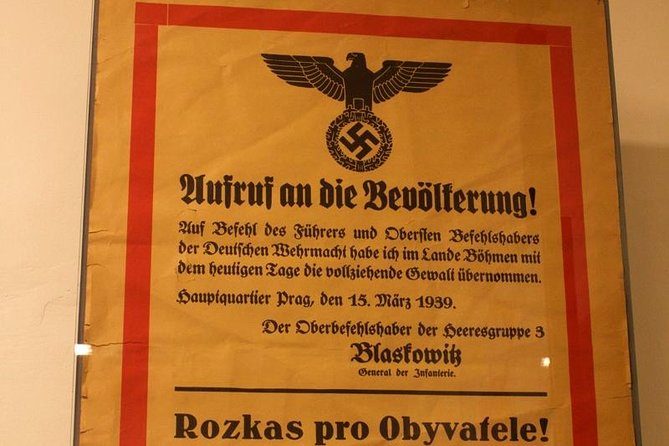
If you’ve heard of Operation Anthropoid before, you’ll probably recognize the outline. If you haven’t, you’ll still get a clear arc. Several guides are praised for using supporting material—old photos and visual context—to help you understand what you’re looking at in present-day Prague.
And yes, parts of the story are heavy. You’re walking through real history of persecution and repression. The tone tends to respect the subject, especially at the commemorative moments.
The museum stop: where the last battle connection becomes real
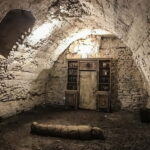
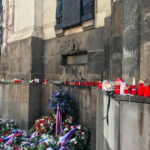
One key stop is at a place where the Czechs fought their last battle, now a museum. You’re not guessing. You’re standing at a site with exhibits that turn the war into something you can actually see.
This is valuable for two reasons:
- Walking tours can stay abstract. A museum stop forces your brain to slow down for details.
- The guide can match what you’re seeing to what you’re hearing, so the story stops being a set of talking points and starts becoming a picture in your head.
A couple of important practical notes. Museum exhibits usually mean you’ll have limited time to read everything. If you want to do that, plan to spend extra time on your own later. But as part of a half-day tour, the included entry is a big value add.
Power sites and Old Town Square: seeing occupation, not just resistance
Another major thread is the former SS and Gestapo headquarters, plus time in the historic center. This is the part of the tour that helps you understand that resistance didn’t happen in a vacuum. It happened under surveillance and control.
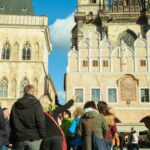
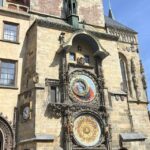
Old Town Square comes in late enough to feel like a payoff. After learning the darker side of the occupation story, you’re walking in a public space that looks ordinary today. That contrast is the point. You start noticing how history sits in plain sight.
What I’d suggest you do in Old Town Square: pause when your guide asks you to. Even a 60-second stop changes the tour from scenery to understanding. The guide often uses that beat to connect what you’re seeing now with what people faced then.
You can also read our reviews of more tours and experiences in Prague
The coffee break: a smart reset in the middle of a long walk
This tour includes a short café pause. You can choose coffee, tea, or a soft drink. The point isn’t just caffeine. It’s a reset so you can keep following the story without your brain melting.
I like that this isn’t a random “tour group trap.” It’s described as part of the experience and timed so you don’t fall behind or lose interest. In past groups, guides have also been considerate about letting people sit during the day’s hotter stretches.
Small tip: use the break to ask one question you’re curious about. WWII history can feel like a stack of facts. One good question can organize your thoughts fast.
Getting around with included public transport fees
Not every WWII site is right next to the next one, so you’ll move using foot and public transportation, with transit fees included.
This matters for value. You’re not spending your time checking routes, buying separate tickets, or trying to figure out which stop is closest when you’re tired and still processing new information. You’re paying for the guide’s ability to stitch the city together into a coherent story.
Also, public transport breaks up the walking load. Still, expect a lot of steps. It’s a walking tour, not a bus ride with occasional stops.
Group size: why 15 makes a difference
The maximum group size is 15 travelers. That’s a sweet spot. With a smaller group, the guide can answer questions without shutting people down or rushing everyone along.
This is one reason the experience tends to land so well for families and WWII fans. It’s also why you’ll hear a lot of praise for guides who answer follow-ups patiently and keep the pace moving without turning it into a sprint.
If you like asking questions, this size helps. If you’re quiet and just want to absorb, it also helps. You’re not constantly fighting for attention.
Price and value: why $47.06 can be a good deal
At $47.06 per person for about 3.5 hours, you’re paying for a professional local guide plus real inclusions: coffee break, museum entry, and public transportation fees.
That combination is what makes the price feel fair. A lot of “history tours” charge a similar amount but leave you paying separately for entry tickets or transit. Here, the tour has baked those costs into the price, which means less hassle for you and fewer surprise expenses mid-day.
Also, the tour is timed well. You’re not losing a full day, and you’re not trying to cram “research” into your evening. You get structure, context, and stops you might not find on your own.
The pacing reality check: when this tour might feel too fast
This tour is praised as long but enjoyable, and the walk can be substantial. Several guides are noted for keeping people engaged the whole time. Still, the route uses cobblestones and historic streets that can be uneven.
If you’re someone who needs frequent seating, or if long walks hurt your knees/feet, you’ll want to consider whether you can comfortably do a 3.5-hour sightseeing plan with breaks.
Also, because this tour is framed around specific WWII events and locations, it won’t feel like a textbook overview of every angle of WWII in Prague. If you came for a broad survey, you might end up wanting more time elsewhere. But if you like a focused story told through actual sites, it’s a strong fit.
Who this tour is best for (and who should pick something else)
I’d steer you toward this tour if you’re:
- Interested in WWII in Prague and especially the Czech resistance story
- The type who likes walking and learning street-level context
- Hoping for a guide who can answer questions and use old photos to explain what changed
You might skip this one if you:
- Need a slow, low-impact route with lots of rest
- Want a wide, balanced WWII overview rather than a tight narrative built around key events
It’s also a solid choice for families who want history that feels real, not distant. In past cases, guides were praised for tailoring explanations to a 10-year-old while still covering complex political context.
Should you book this Half-Day WWII Prague Walking Tour?
If you want a history tour that feels like Prague is the classroom, not just the backdrop, I think this one is worth booking. The story focus on Heydrich and Czech resistance gives you a clear through-line, and the included museum entry plus transit and coffee break reduce the “extra steps” stress.
Book it if you can handle a solid walk and you’re okay with some heavy subject matter done thoughtfully. Skip it if you’re mobility-limited or you only want a light, general history pass.
One last practical thought: if you’re a WWII nerd, you’ll likely love the old photos and the guide’s storytelling. If you’re a casual history fan, you’ll still leave with names, locations, and a better sense of how the war changed daily life in Prague.
FAQ
What time does the tour start, and where do I meet?
The tour starts at 1:30pm. The listed start point is Křižovnické náměstí (Praha 1–Staré Město), and it’s also described as meeting in the Charles Bridge area.
How long is the WWII walking tour?
It runs for about 3 hours 30 minutes.
Is museum entry and public transportation included?
Yes. Museum entry and public transportation fees are included as part of the tour.
What’s included in the coffee break?
The coffee break includes coffee, tea, or a soft drink of your choice.
What’s the group size limit?
The tour has a maximum of 15 travelers.
Do I get a refund if I cancel?
Yes. You can cancel for a full refund up to 24 hours before the experience’s start time. If you cancel less than 24 hours before, the amount paid is not refunded.