REVIEW · PRAGUE
Prague: Modern Architecture and Design Guided Tour
Book on GetYourGuide →Operated by DH Travel s.r.o. · Bookable on GetYourGuide
Prague has a modern side most miss. This 2-hour modern architecture tour is a fast, friendly way to spot how 20th- and 21st-century design shaped the city, not just what survived from older eras. I especially liked the clear guide explanations that connect styles to culture, and the personal pace that feels more like a conversation than a lecture.
One thing to consider: it is not a strict, step-by-step survey of every architectural style. If you want a methodical, classroom-style overview, you may feel the route is more story-driven than textbook-clean, even though the stops are still packed with ideas.
In This Review
- Key takeaways before you go
- Modern Prague, Not Just Old Town Postcards
- What You’ll Really Learn in 2 Hours
- The 10 Stops: How the Tour Covers Modern Architecture Types
- Stop 1: The city gets political
- Stop 2: Socialist realism’s look and rules
- Stop 3: Brutalism’s honesty
- Stop 4: How brutalism shapes street feeling
- Stop 5: Transitions between eras
- Stop 6: Design principles you can spot later
- Stop 7: Experimental installations and creative thinking
- Stop 8: Art as part of the urban setting
- Stop 9: The city’s evolution in 20th and 21st century terms
- Stop 10: Wrap-up with questions
- The Guide Makes (Or Breaks) This Kind of Tour
- Why This Tour Feels Better Than a Generic Architecture Walk
- Price and Value: Is $35 Worth It?
- Who Should Book This Modern Architecture Tour?
- Getting Ready: What Helps You Enjoy the Walk
- Booking Checklist (Quick and Honest)
- Should You Book It?
- FAQ
- How long is the Prague Modern Architecture and Design Guided Tour?
- How much does the tour cost?
- Is the tour wheelchair accessible?
- What language is the tour guide?
- What is included in the ticket price?
- Is food and drinks included?
Key takeaways before you go
- 10 points in 2 hours means quick, focused stops rather than long looks at one building.
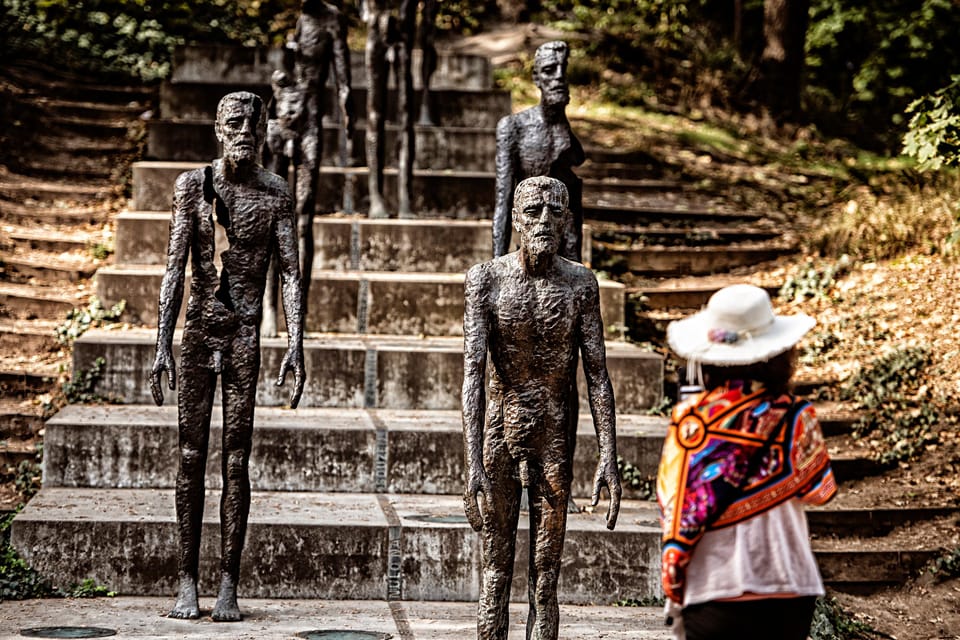
- Socialist realism, brutalism, and experimental installations are the main threads you’ll learn to recognize.
- Design explanations you can use later help you see more on your own in Prague.
- Small-group energy can make the walk feel like a tailored tour.
- English-speaking guide time is built for questions, including after the tour.
Modern Prague, Not Just Old Town Postcards
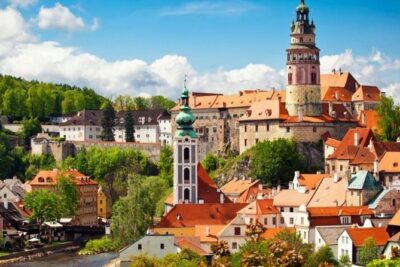
Prague is famous for romantic towers and postcard lanes. But the city also has a strong modern identity, and this tour helps you read it.
The big value here is the angle: you’re not just looking at buildings. You’re learning the design principles behind them and how cultural forces shaped what went up. That changes how you walk the streets afterward. You start noticing proportions, materials, and bold experiments the way locals do.
And yes, the tour’s focus is modern architecture. If your plan is mostly Old Town and Charles Bridge photos, this is the good counterbalance that adds surprise.
You can also read our reviews of more guided tours in Prague
What You’ll Really Learn in 2 Hours
This walk is designed to fit a lot into a short time: 10 points of interest in two hours with a live English guide. That sounds intense, but the payoff is that each stop teaches one clear idea.
You’ll hear how Prague’s modern architecture grew through different eras, including:
- Socialist realism and the influence of ideology
- Brutalism and its honest, raw approach
- Experimental installations and newer creative directions
The goal isn’t to memorize dates. It’s to leave with a working vocabulary. Once you can name what you’re seeing, Prague stops being a blur and starts making sense.
The 10 Stops: How the Tour Covers Modern Architecture Types
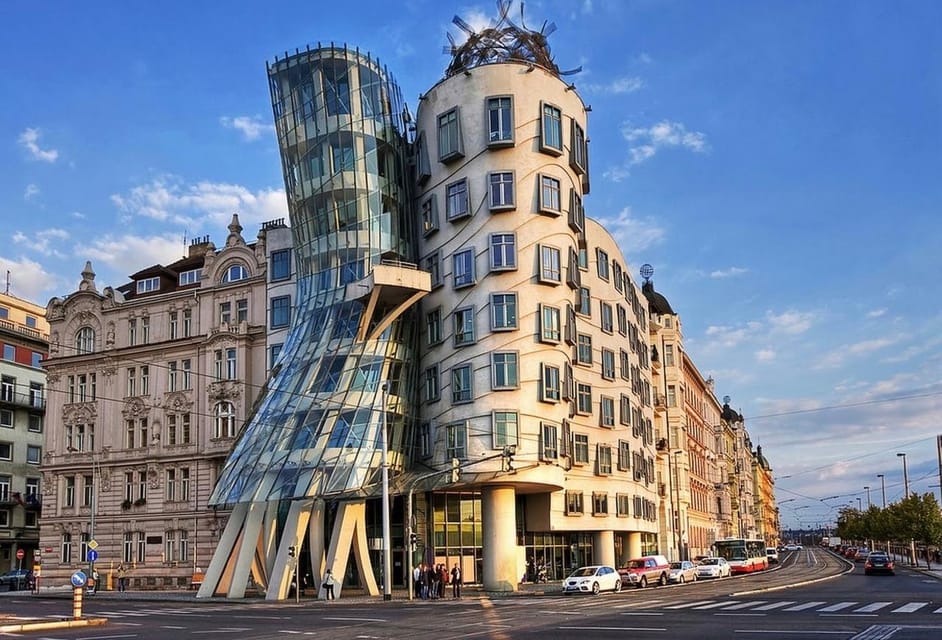
You don’t get a single headline monument experience. Instead, you get a sequence of themed “moments,” each tied to how the city evolved in the 20th and 21st centuries.
Because the exact addresses and buildings aren’t listed in the info you provided, here’s the practical way to think about the route: you’ll cycle through different styles, each stop training your eye on a few specific design cues.
Stop 1: The city gets political
Early on, you’ll run into architecture that reflects the pressure of its time. Watch for how form and function communicate messages—sometimes in very direct ways.
Possible drawback: if you’re only into sleek contemporary design, the political design logic may not feel as fun on first look. But it’s important context.
Stop 2: Socialist realism’s look and rules
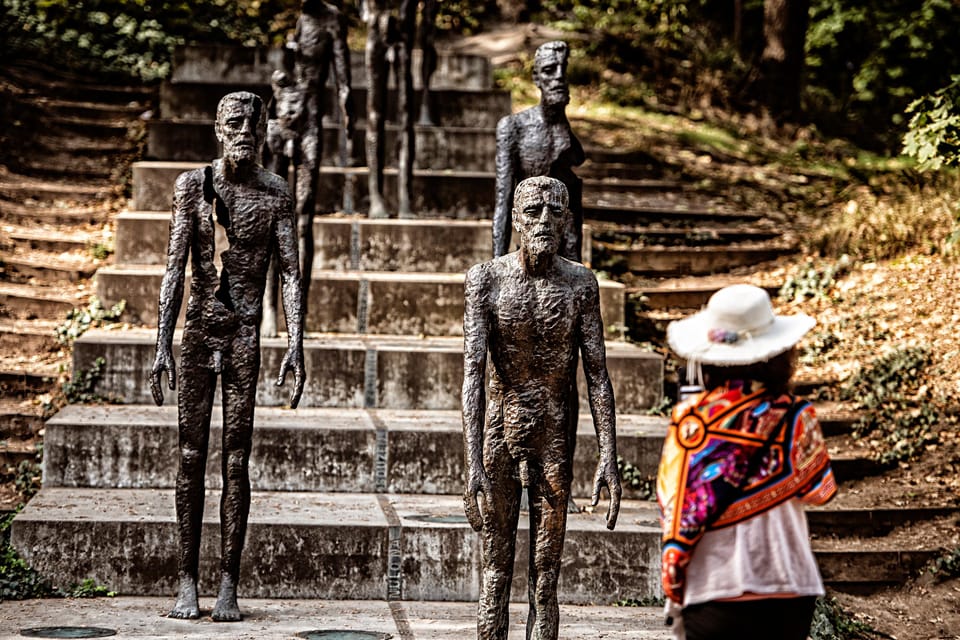
This part of the tour focuses on socialist realism. The key is understanding why buildings used certain shapes and visual signals to communicate ideals.
What helps: the guide’s explanations connect style to cultural influence, so you’re not just seeing a facade—you’re getting the reason behind it.



Stop 3: Brutalism’s honesty
Next comes brutalism, where materials and structure often take center stage. You’ll likely be nudged to look for the rawness—how concrete, massing, and repetition create presence.
If you like buildings that look unapologetic, this stop type is usually where the tour wins people over.
Stop 4: How brutalism shapes street feeling
Brutalism isn’t only about style. It changes how a block feels—scale, edges, and how buildings meet the street.
Consideration: brutalism can feel heavy in photos. In person, it reads differently once you understand the intent, so try to look up, not just forward.
Stop 5: Transitions between eras
Modern cities rarely switch styles neatly. You’ll likely see the “in-between” logic—how older urban patterns and newer design instincts overlap.
This is the stop type that helps you notice Prague as a living process, not a museum map.
Stop 6: Design principles you can spot later
At some point, the guide shifts from history to “how to see.” That’s when you start picking up patterns quickly.
I like this moment because it makes the rest of Prague easier. You’ll have a small checklist in your head: materials, geometry, and purpose.
Stop 7: Experimental installations and creative thinking
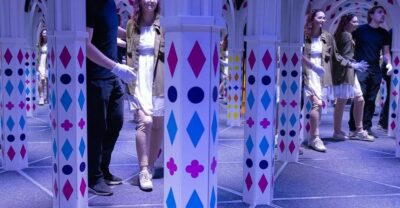
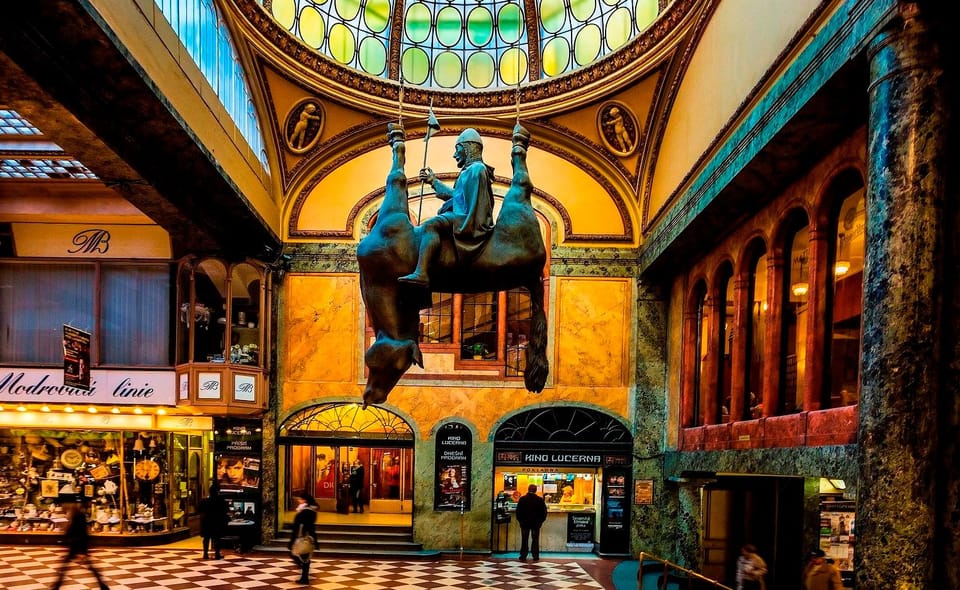
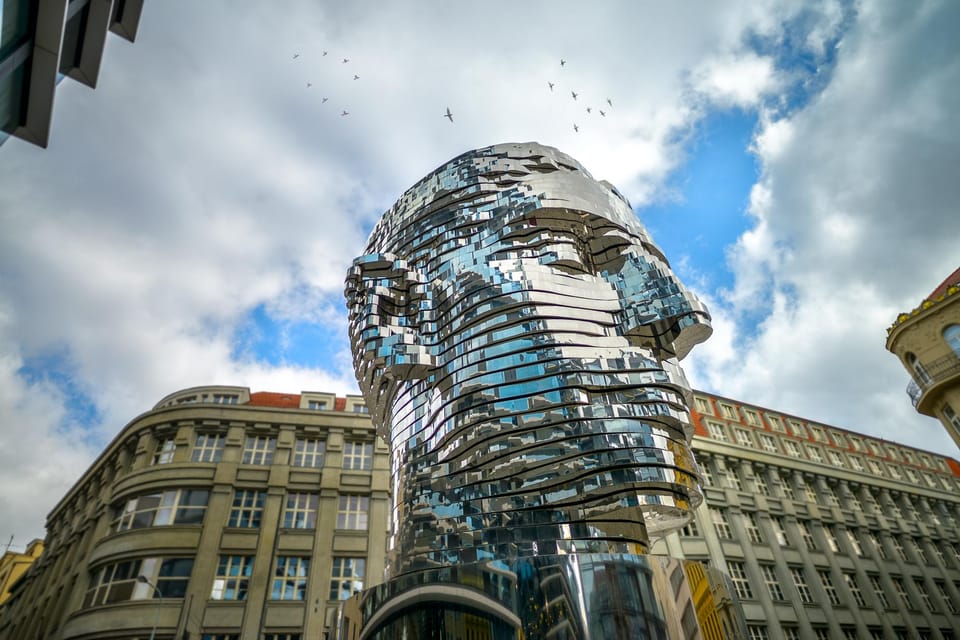
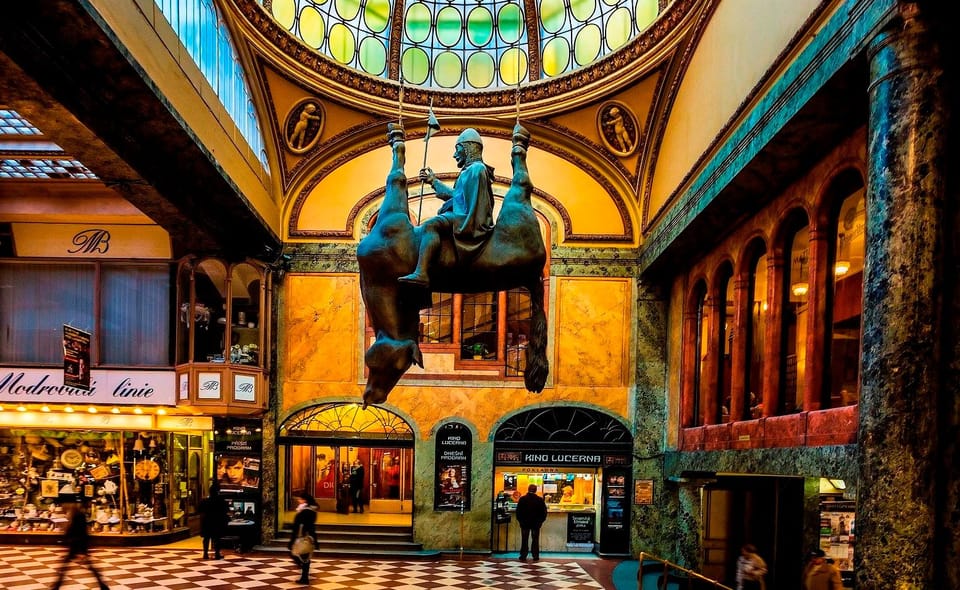
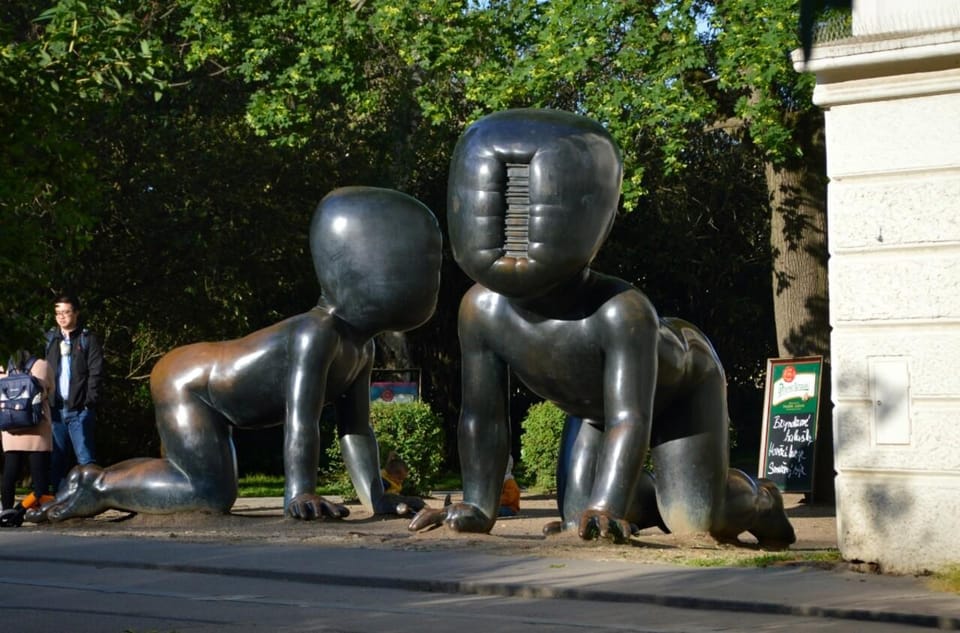
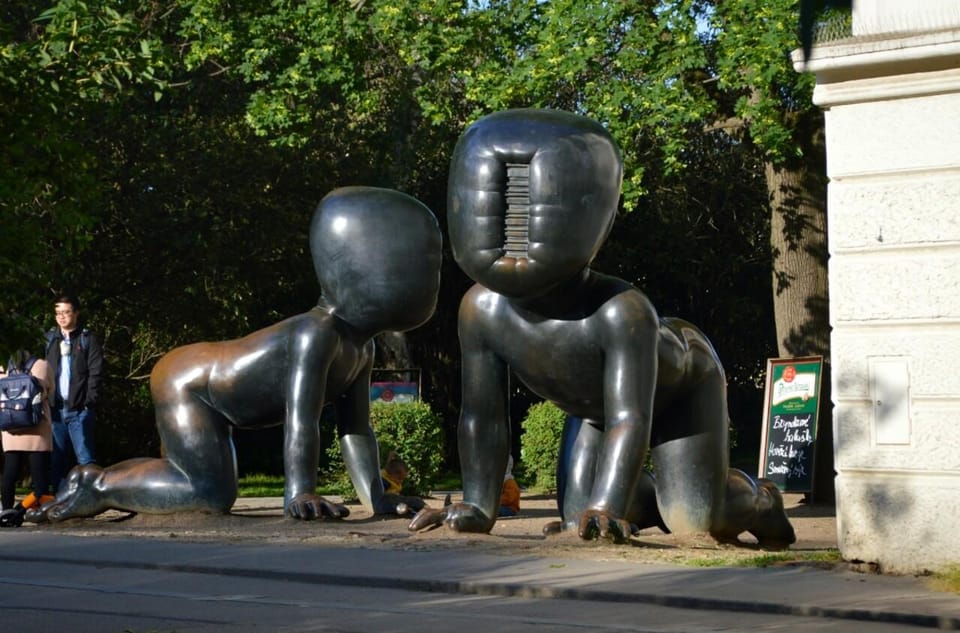
The tour also includes experimental installations. These stops are where modern Prague gets playful, sometimes surprising, and often very specific to artists and ideas.
One review highlighted that the guide pointed out installations they otherwise would have missed, with explanations about the artists. That’s exactly the kind of payoff you’re aiming for.
Stop 8: Art as part of the urban setting
This is where design connects to everyday life. Instead of treating art as separate, the tour helps you see it as part of how the city communicates now.
If you prefer architecture only as buildings, this portion might feel more mixed. Still, it’s very much part of modern identity.
Stop 9: The city’s evolution in 20th and 21st century terms
You’ll tie the dots between the earlier eras and newer approaches. The tour frames Prague’s transformation through multiple design languages, not one single style.
This can be a good reality check: cities often keep layers, even when they change direction.
Stop 10: Wrap-up with questions
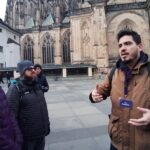
The final stop tone is usually a mix of recap and whatever questions you still have. One guide mentioned specifically by name in the reviews was Michael, and his friendliness plus follow-up availability stood out.
If you’re the type who holds questions until the end, this is your moment.
The Guide Makes (Or Breaks) This Kind of Tour
The most consistent praise in the reviews wasn’t about scenery. It was about the guide.
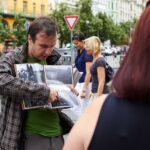
People liked how the explanations were detailed enough to change how they see Prague, especially with modern installations and the stories behind them. Another review praised the tour as intimate—just the guide with a very small group—and noted that the buildings weren’t necessarily the most visually pretty in Prague, but they had interesting stories behind them.
That tells you the style of tour you’re getting: narrative, not checklist. The guide will help you connect what you see to why it exists.
If you’re hoping for a purely aesthetic photo walk, you might not be fully satisfied. But if you want meaning with your photos, you’ll likely enjoy it a lot.
Why This Tour Feels Better Than a Generic Architecture Walk
A typical architecture tour often feels like one of two things: either too broad, or too focused only on the prettiest buildings. This one aims for something more useful.
Here’s the practical difference:
- You learn design principles you can apply instantly while walking the city
- You get cultural context tied to specific eras, like socialist realism and brutalism
- You include newer creative work like experimental installations, so modern Prague doesn’t feel stuck in the past
In other words, you’re not just collecting facts. You’re building a mental map of how modern design logic works.
And that’s why the “you’ll see more on your own afterward” effect is real.
Price and Value: Is $35 Worth It?
At $35 per person for a 2-hour guided walk with a live English guide, the value is strongest if you care about understanding what you’re looking at.
You’re paying for:
- A guide who can explain design principles and cultural influences
- A structured route that hits 10 points in limited time
- A modern-focused route (which is harder to cobble together on your own without a plan)
What you should keep in mind: the tour info clearly says food and drinks are not included. So you’ll want to budget for that separately if you’re timing this around meals.
Also, because you move between points quickly, this isn’t the best choice if you want deep study of one building for a long sit-down. It’s built for momentum and recognition.
Who Should Book This Modern Architecture Tour?
You’ll likely love this tour if:
- You already like architecture and want a modern lens on Prague
- You’re curious about 20th- and 21st-century urban change
- You want explanations that make buildings easier to read on your own later
- You like small-group conversations more than big-bus lectures
You might not be the best fit if:
- You only want the most famous historic sights
- You’re expecting a strict, systematic style-by-style curriculum with no storytelling
- You want long viewing time at one standout monument
It’s not a substitute for the classic Prague highlights. It’s a smart add-on.
Getting Ready: What Helps You Enjoy the Walk
Since the tour covers modern styles across eras, you’ll enjoy it more if you keep your expectations simple: show up willing to look at shapes, materials, and urban layout.
A few practical tips:
- Wear comfortable shoes. Two hours with multiple stops adds up.
- Keep your phone handy for notes, not just photos. The guide’s design cues are the value.
- If you’re especially interested in brutalism or installations, ask questions early. The guide is available for follow-ups after the tour, which came up in reviews.
Booking Checklist (Quick and Honest)
If you’re comparing options, the tour’s main strengths are easy to summarize:
- Live guide in English
- Wheelchair accessible
- 10 modern architecture stops
- Short duration that fits into a busy itinerary
- Price that makes sense for an explanation-driven city walk
If you want a quick modern-program boost without committing a whole day, this is a solid choice.
Should You Book It?
I’d book it if modern architecture makes you curious and you like guides who explain what you’re seeing in plain language. The strongest promise here is the story-led design interpretation—especially around socialist realism, brutalism, and modern installations.
I’d pass or choose something else if you’re only after the prettiest historic landmarks or you need a tightly structured, style-by-style lecture. This walk is guided and informed, but it’s also personal and narrative.
FAQ
How long is the Prague Modern Architecture and Design Guided Tour?
The tour lasts 2 hours.
How much does the tour cost?
The price is $35 per person.
Is the tour wheelchair accessible?
Yes, it is wheelchair accessible.
What language is the tour guide?
The live tour guide speaks English.
What is included in the ticket price?
A live guide is included.
Is food and drinks included?
No, food and drinks are not included.