REVIEW · PRAGUE
Prague: Historical Walking Tour with Focus on World War 2
Book on GetYourGuide →Operated by Spectrum Tours · Bookable on GetYourGuide
Prague can feel like a postcard. This tour turns that postcard into a timeline, with a World War 2 story told on real corners of the city. I like the way you get both the classroom part (how the conflict hit the Czech lands) and the on-the-street part (you physically stand where key events unfolded). I also love the photo-heavy guidance, with professional comments that connect what you’re seeing to what happened. One drawback: the topics are intense and the walking pace can feel brisk if you’re not used to moving and listening for 3 hours.
You’ll start in a practical spot near the Skautský Institut, meet your guide with a Spectrum Tours sign, and finish near Resslova 9a. Expect a tour that mixes Czech context, dark moments of repression, and specific stops tied to the Prague Uprising and the Heydrich assassination—so you come away with clearer names, places, and causes, not just general impressions.
In This Review
- Key highlights that make this tour worth your time
- Starting outside Skautský Institut: setting the tone fast
- World War 2 context first: why the Czech angle matters
- Former GeStaPo headquarters and the memorial minute
- A Nazi-popular hotel stop and photo-led interpretation
- Following the Prague Uprising: Old Town Square to Wenceslas Square
- Reinhard Heydrich assassination: details plus the last-resistance aftermath
- Price and value for a 3-hour WWII story on foot
- Practical notes: what to bring and what to expect from the walk
- So, who should book this Prague WWII walking tour with Spectrum Tours?
- FAQ
- Where does the tour meet?
- How long is the Prague WWII tour?
- What languages are available?
- Is the tour wheelchair accessible?
- What should I bring?
- Is this tour suitable for children?
- What are some of the main places you visit?
Key highlights that make this tour worth your time
- WW2 context tied to Czech history, before you step into the memorial stops
- A minute of silence at the former GeStaPo headquarters, marking victims of Nazism
- The Prague Uprising route, including Old Town Square and Wenceslas Square
- Reinhard Heydrich assassination details, with the last resistance aftermath explained
- A crypt beneath a church connected to resistance members’ final resistance
- Lots of photos on the spot, with guide commentary that helps you picture the past
Starting outside Skautský Institut: setting the tone fast
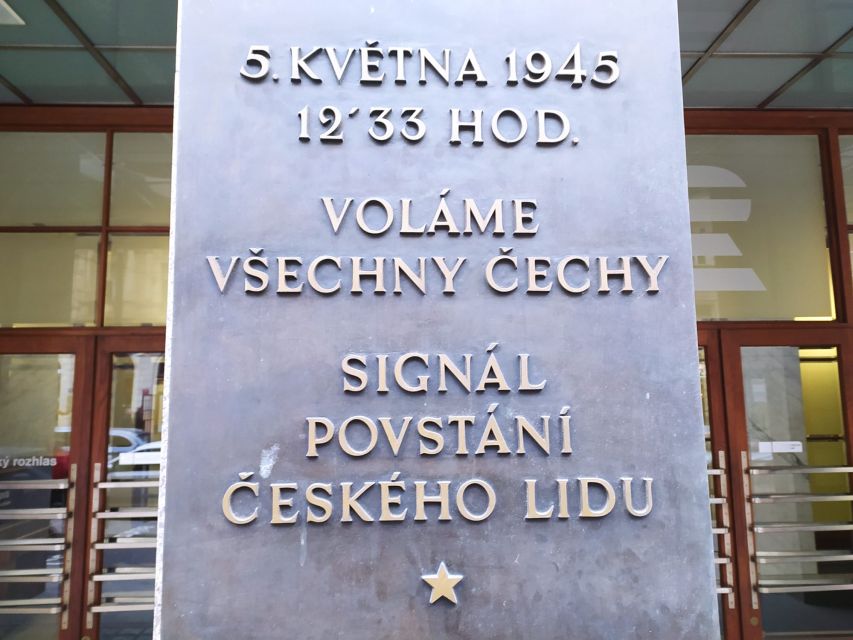
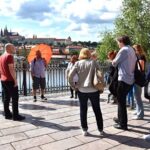
The tour begins outside the entrance to the Skautský Institut, in an archway. Your guide holds a paper that clearly says Spectrum Tours. If you chose a different start option, your pickup can vary, but this meeting setup is the fixed reference point for finding the group.
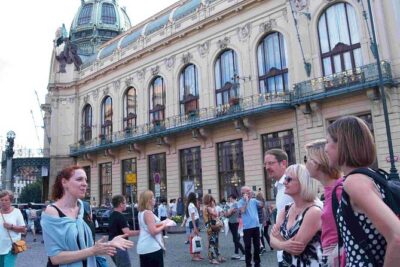
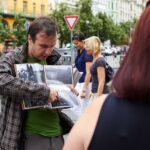
Right away, the format feels focused: this is not a casual “see the sights” stroll. The guide uses photos and explanation to pull you into the stakes of the era, then sends you to locations while the story is still fresh in your head. That matters, because WWII history in Prague can otherwise feel like scattered facts—this tour keeps it connected.
If you’re someone who likes structure—beginning, context, then places—you’ll appreciate how the walk is built. If you prefer long free time to wander and stare, you might feel you’re moving too steadily.
You can also read our reviews of more walking tours in Prague

World War 2 context first: why the Czech angle matters
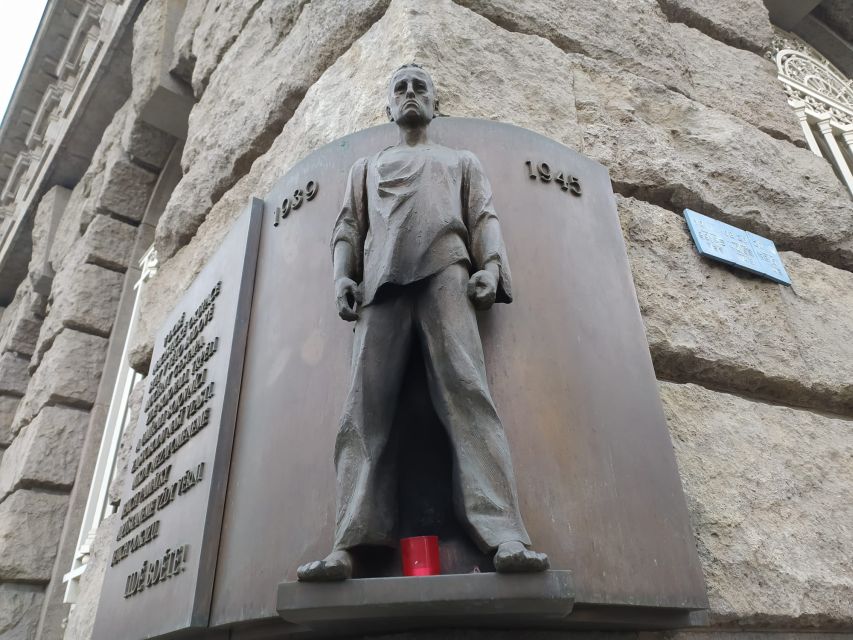
Before you start hopping between sites, you get a full theoretical introduction to WWII—especially how the conflict created pressure and danger in the Czech lands. You’ll hear about the broader problematics of WWII, but you won’t just get generic Europe talk. The tour’s emphasis is on Czech history and how events unfolded there.
This step is one of the best parts for first-timers, because it gives your brain something to hang the places on. When you later see sites connected to Nazi leadership, Czech resistance, or the Prague Uprising, it’s easier to understand why those moments happened in that particular city, not just somewhere “in WWII.”
You’ll also see how the story develops toward the end of the war, when Prague becomes a major battleground during the Prague Uprising in May 1945. That helps you read the city in layers: today’s street rhythm versus yesterday’s violence.
Former GeStaPo headquarters and the memorial minute
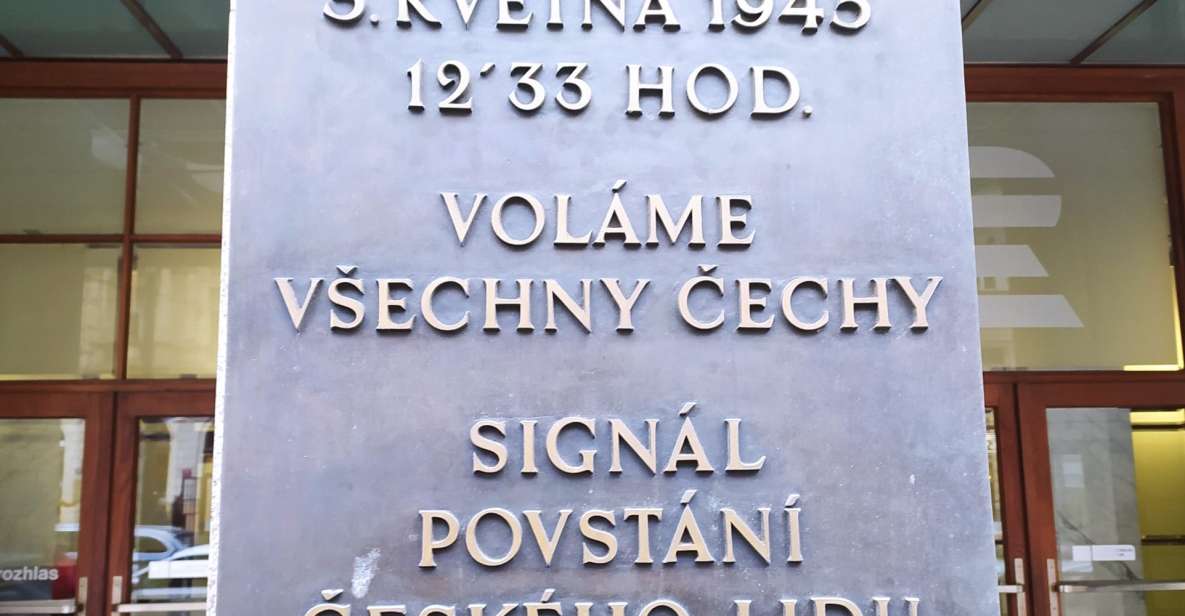
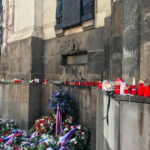
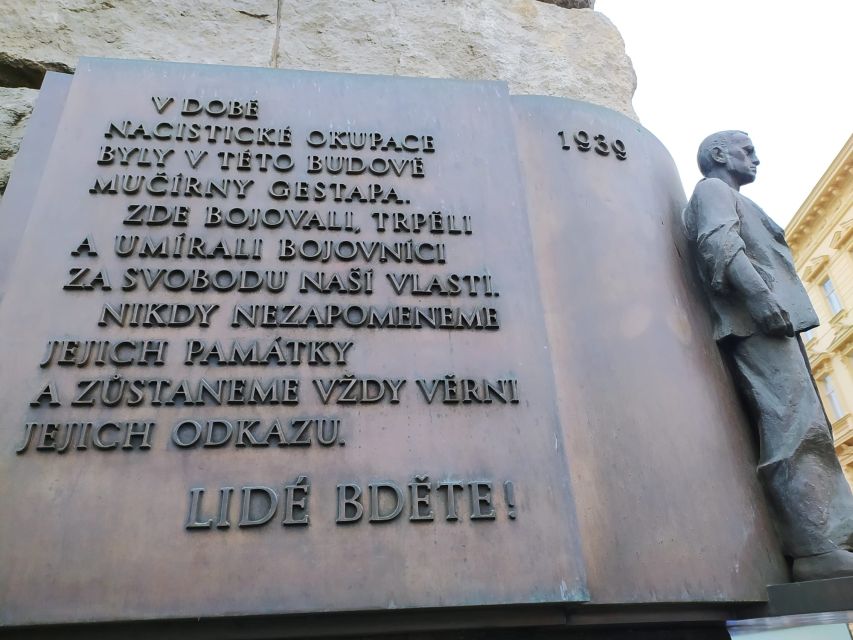
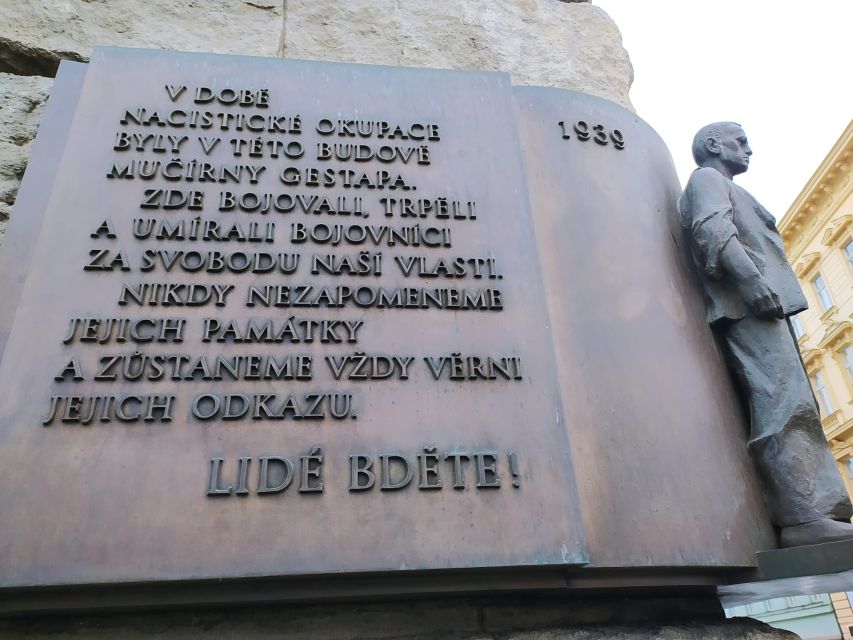
One of the stops isn’t just a “photo opportunity.” You’ll visit the former GeStaPo headquarters, and the tour includes a minute of silence at the memorial for victims of Nazism.
That kind of moment changes the energy of a tour. It slows you down in a good way. Instead of racing through tragic history, you pause and absorb what the location represents. It also makes the rest of the walk more meaningful, because you’re not treating repression as an abstract concept.
This is also where the tour’s balance shows. It doesn’t only focus on Nazi figures; it centers the human cost. If you want history with respect, this is a key reason to choose this experience.
Practical note: this is not a “fun facts” tour. The content is dark by design. If you know you prefer lighter topics, consider that before booking.
A Nazi-popular hotel stop and photo-led interpretation
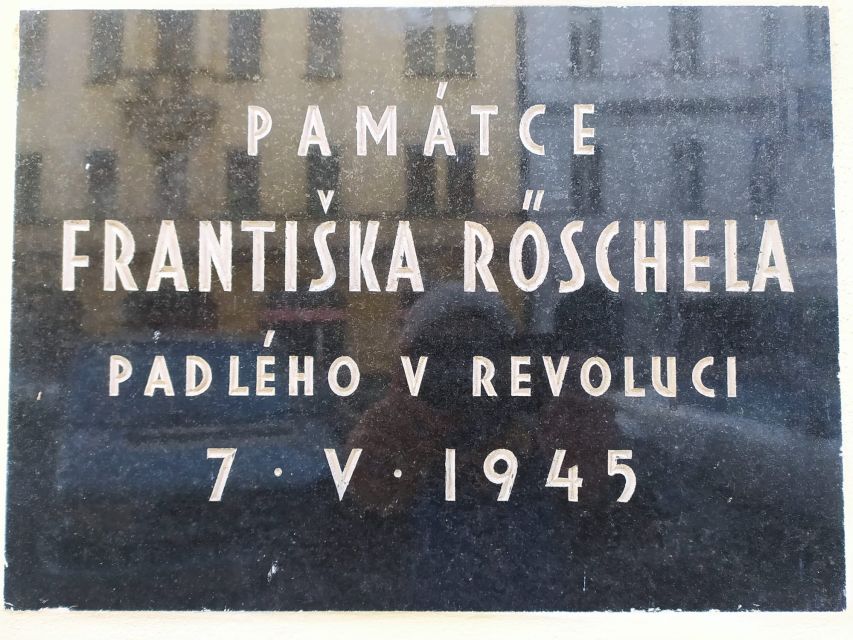
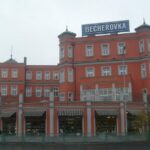
As you move through Prague, you’ll visit a hotel that was formerly very popular among Nazi prominents. You might see it today as just another building in the city, but on this walk, it becomes a clue.
The guide’s approach is important here: you don’t just stand in front of a structure and hear a single sentence. You get photographs and commentary that help you visualize what the place meant at the time. That photo support matters because many WWII-related sites aren’t obvious at first glance—history is often hidden in plain sight.
I also like how the guide keeps bringing it back to connections: who benefited, who was targeted, and how the Czech experience fit into the wider Nazi system. It gives you a clearer sense of power and control, not just an outline of dates.
One caution: this stop can be emotionally heavy, because it highlights comfort and authority alongside terror. If you’re sensitive to that contrast, go in prepared for a sober tone.
Following the Prague Uprising: Old Town Square to Wenceslas Square
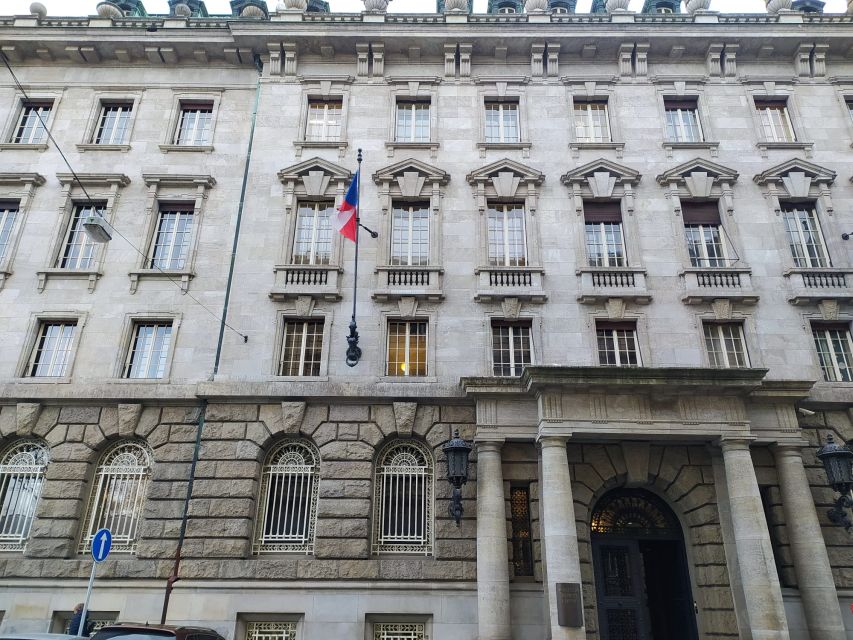
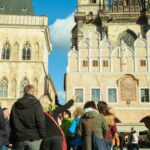
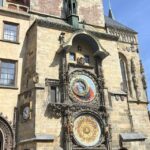
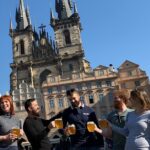
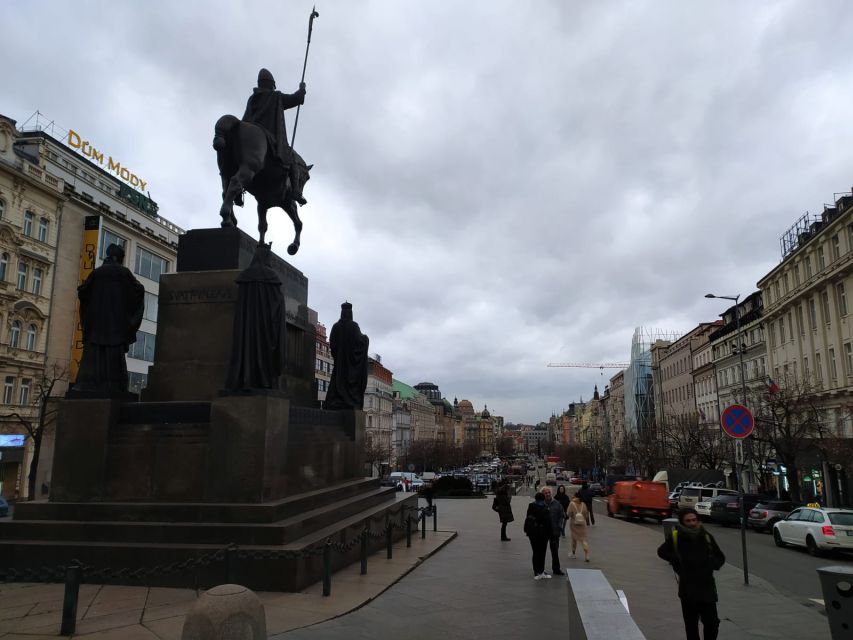
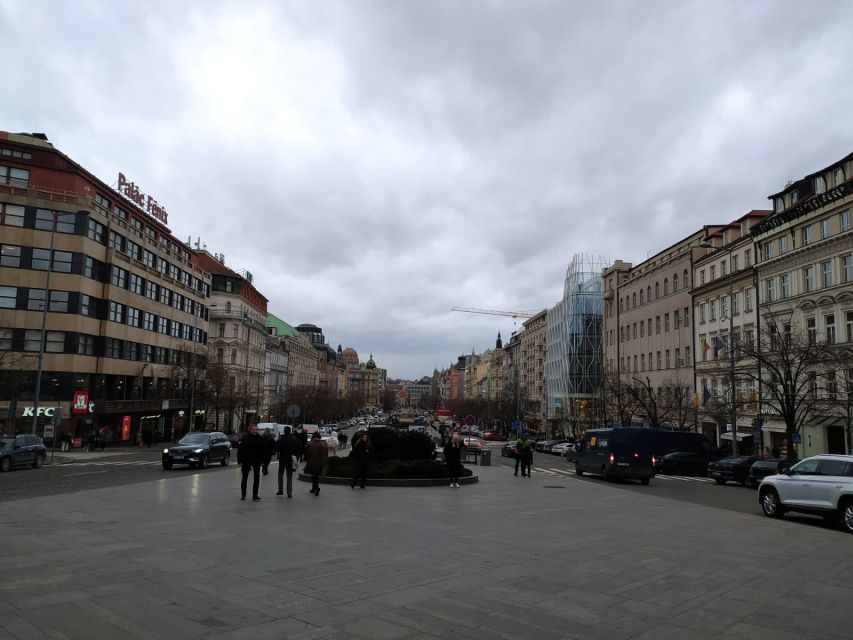
During the Prague Uprising in May 1945, the fighting was especially intense in central Prague. This tour takes you to some of the most important locations tied to those battles, including Old Town Square and Wenceslas Square.
Walking these spaces helps you understand the city layout as a stage for conflict. Squares aren’t just pretty open areas; they can be where messages move, where crowds gather, and where fighting breaks out where everyone can see it. With the guide’s framing, you notice details differently—approach routes, sightlines, and how central spaces work as hubs.
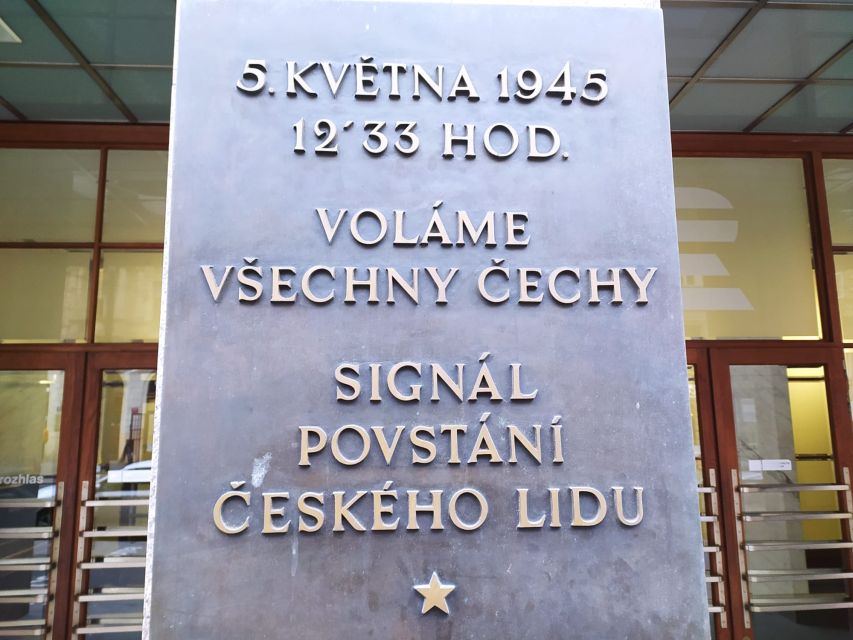
You’ll also visit the Czech Radio Headquarters, another stop connected to the uprising period. The guide explains why that kind of location mattered—communications are not a side story in wartime. It’s also the kind of stop that benefits from the photo commentary, because you’re often dealing with buildings whose past roles aren’t obvious from street level.
If you like history that feels grounded in specific streets and public spaces, this is the “wow, I get it now” portion of the walk. If you prefer quieter, out-of-the-way sites, you’ll still get value here, but expect city-center intensity.
You can also read our reviews of more historical tours in Prague
Reinhard Heydrich assassination: details plus the last-resistance aftermath
The tour devotes a major focus to the assassination of Reinhard Heydrich, one of the highest-ranked Nazi figures until 1942. You don’t just get the event name; you get problemacy and explanation around what it meant and how it fits into the broader wartime power structure.
That focus is useful because Heydrich’s role can feel like a distant “big name” if you’ve only read surface-level history. Here, the guide’s commentary tries to make the logic of the conflict clearer—why certain targets mattered and how the Nazi system responded.
From there, you move to the place of the last resistance and death of resistance members involved in the assassination. The site is described as a crypt beneath a church, and it’s presented as an incredibly impressive place. In other words: this isn’t simply a historical marker. It’s a physical space connected to the end of a struggle.
This segment hits hard in a different way than the Gestapo memorial. Instead of just remembering victims of oppression, you’re shown a moment where resistance members’ actions led directly to a final confrontation. The emotional weight is different, and the guide’s framing helps you understand why.
Tip for your comfort: this part can be intense both mentally and physically if you’ve been walking and listening the whole time. Pace yourself. Sit down if you’re offered a pause. Take in what the guide is saying, but don’t rush your own reaction.
Price and value for a 3-hour WWII story on foot
At $58 per person for a 3-hour guided walk, the price isn’t the cheapest option in Prague. But you do get value in the way the time is used.
You’re paying for:
- a professional licensed local tour guide
- a structured WWII lecture with Czech focus
- specific, hard-to-understand-without-context locations
- a photo-led explanation style that makes the past easier to picture
- a respectful memorial moment at the former GeStaPo headquarters
In plain terms, it’s not just “3 hours of walking.” It’s 3 hours of connected storytelling, where stops have a reason and names have meaning. The $58 makes more sense if WWII history interests you at all—or if you want to understand Prague beyond the usual postcard track.
If you’re traveling with someone who prefers casual sightseeing, you might want to split expectations ahead of time. This tour is focused and serious.
Also worth knowing: the tour runs with a live guide in German, Czech, and English, and it offers a private group option. That can be a big quality upgrade if you want questions answered at your pace.
Practical notes: what to bring and what to expect from the walk
Bring a passport or ID card, and wear comfortable shoes. That’s the practical baseline, since you’re on your feet for the full 3-hour session.
You should also plan for an information-heavy format. This tour includes theoretical explanation and then multiple site visits, so your brain will be doing real work. If you like to read historical plaques slowly, you may need to adjust your expectations, since the guide is driving the narrative.
Good fit:
- adults and older teens who want WWII history focused on the Czech experience
- people who like routes tied to real events, not just general monuments
- travelers who enjoy photos and explanations that connect building to story
Not ideal:
- children under 10, since the tour includes intense topics and a listening-heavy format
Wheelchair note: the tour is listed as wheelchair accessible, so you can plan around that. Still, it’s a walking tour, so confirm the exact route comfort level with the provider before you go.
One last useful detail: the tour ends at Resslova 9a, 120 00 Praha 2-Nové Město. That’s handy if you want to plan dinner or a follow-on tram ride without guessing where you’ll land.
So, who should book this Prague WWII walking tour with Spectrum Tours?
Book this tour if WWII history in Prague feels interesting to you and you want the Czech side to be part of your understanding. I’d choose it over a generic city walk if your goal is clarity: where key events happened, who was involved, and why those places mattered.
I’d think twice if you:
- want an easygoing sightseeing day
- dislike heavy historical topics
- need lots of silent time to process on your own (the tour is guided and explanatory)
If you do book, you’ll likely enjoy it most when you lean in. Ask yourself what each stop is trying to prove, not just what it represents. And give your feet a vote for comfortable shoes—you’ll be glad you did by the end.
FAQ
Where does the tour meet?
You meet outside the entrance door to Skautský Institut in an archway. The guide will be holding a paper that says Spectrum Tours.
How long is the Prague WWII tour?
The tour lasts 3 hours.
What languages are available?
The live tour guide is available in German, Czech, and English.
Is the tour wheelchair accessible?
Yes, it is listed as wheelchair accessible.
What should I bring?
Bring a passport or ID card and comfortable shoes.
Is this tour suitable for children?
It is not suitable for children under 10.
What are some of the main places you visit?
You’ll see the former GeStaPo headquarters, locations tied to the Prague Uprising such as Old Town Square and Wenceslas Square, the Czech Radio Headquarters, and a crypt beneath a church connected to the last resistance members involved in the Heydrich assassination.