REVIEW · PRAGUE
Prague: Guided Walking Tour of Prague’s Jewish Quarter
Book on GetYourGuide →Operated by TURISTICO · Bookable on GetYourGuide
Prague’s Jewish Quarter hits you fast. This guided walk connects the city’s Jewish life to specific buildings you can actually enter, from major synagogues to the Old Jewish Cemetery. You’ll come away understanding how the neighborhood grew, suffered, and survived through major turning points in Czech and Jewish history.
Two things I really like: first, you get to step inside several of the area’s most emblematic sacred sites instead of just looking at façades from the street. Second, the tour is designed around key places that show how Jewish traditions and community life changed over centuries—like the shift from early walls to later prosperity under Mayor Maisel.
One possible drawback: the whole experience is about 150 minutes on your feet, and it runs rain or shine. If you’re the type who needs frequent long breaks, plan for a steady walking pace.
In This Review
- Key takeaways before you go
- Why the Jewish Quarter still feels important
- Meeting point and how to start without stress
- Inside the synagogues: what each stop adds to the story
- The Old Jewish Cemetery: quiet, heavy, and unforgettable
- Maisel and Klausen: why prosperity and survival show up in architecture
- Price and value: is $107 worth it for 150 minutes?
- Practical tips to get the most from the walk
- Should you book this Jewish Quarter walking tour?
- FAQ
- How long is the Prague Jewish Quarter guided walking tour?
- Where do I meet the guide?
- What’s included with the ticket price?
- Is food and drink included?
- What language is the live tour guide?
- Is the tour wheelchair accessible?
- Does it run in bad weather?
Key takeaways before you go
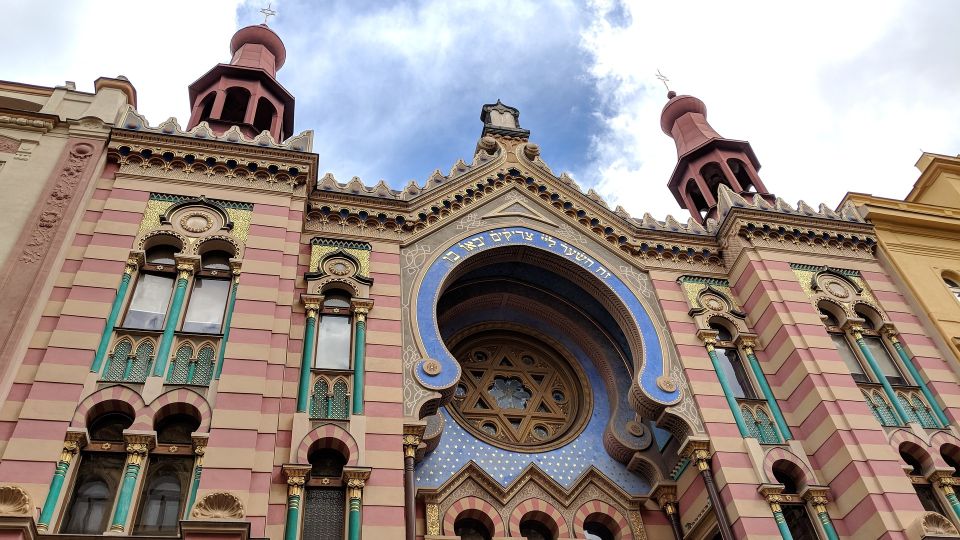
- Old-New Synagogue and other major synagogues are included, not just viewed from outside
- Old Jewish Cemetery is part of the core route, and it’s usually the favorite stop
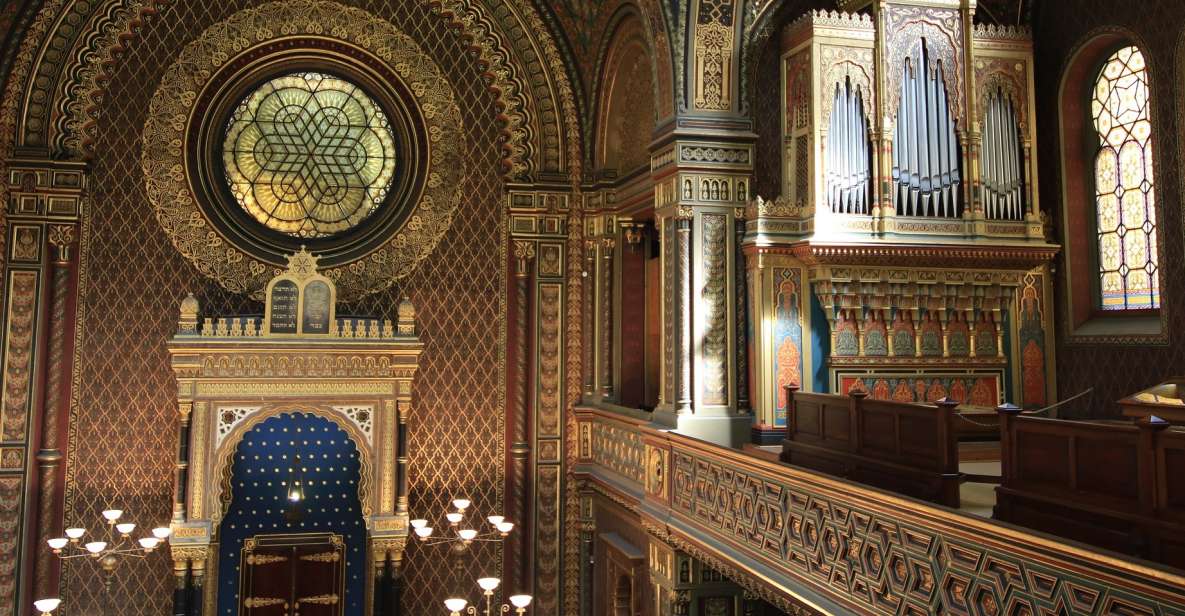
- You’ll also visit Maisel Synagogue, Pinkas Synagogue, Klausen Synagogue, and the Ceremonial Hall
- The tour includes ticketed access plus temporary exhibitions at the Robert Guttmann gallery
- Your guide speaks Spanish, so it’s a great fit if you’re comfortable there or want to practice
Why the Jewish Quarter still feels important
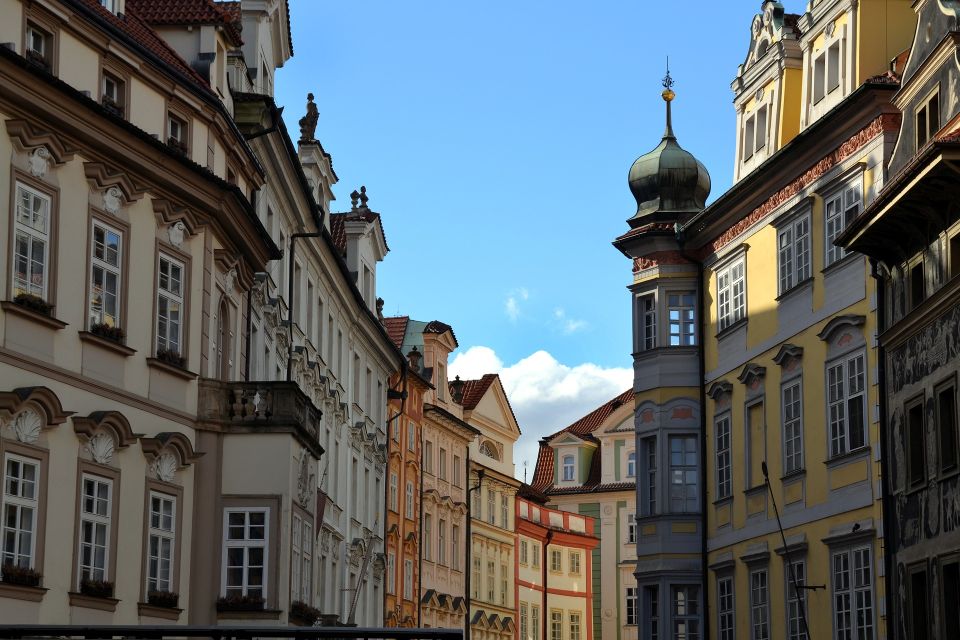
Prague’s Jewish Quarter—often associated with the historic neighborhood name Josefov—isn’t a generic “old town” stop. It’s a place where you can connect dates, policies, and community life to real spaces: synagogues, schools, and a cemetery with more than 60,000 preserved tombs.
The story starts in the 10th century, when the area formed as a Jewish community space. Over time, persecution and violence shaped daily life. After a pogrom, the community became associated with the first walled ghetto—an ugly but crucial turning point for how and where people could live. Later, in the 13th century, what is now the oldest synagogue still conserved was built. Then, much later, the neighborhood saw a period of greatest prosperity under Mayor Maisel.
What I like about this tour approach is that it doesn’t treat these sites like museum props. The buildings help you “see” the timeline. You’ll also learn how the cemetery became a long-term burial ground from the 15th to the 18th century, and how the area’s identity evolved again in the 19th century when it was renamed Josefov. In the 20th century, the site was even preserved in part because Nazi authorities planned to turn it into a museum about a people they sought to erase. That context matters when you’re standing somewhere silent and physical.
You can also read our reviews of more walking tours in Prague

Meeting point and how to start without stress
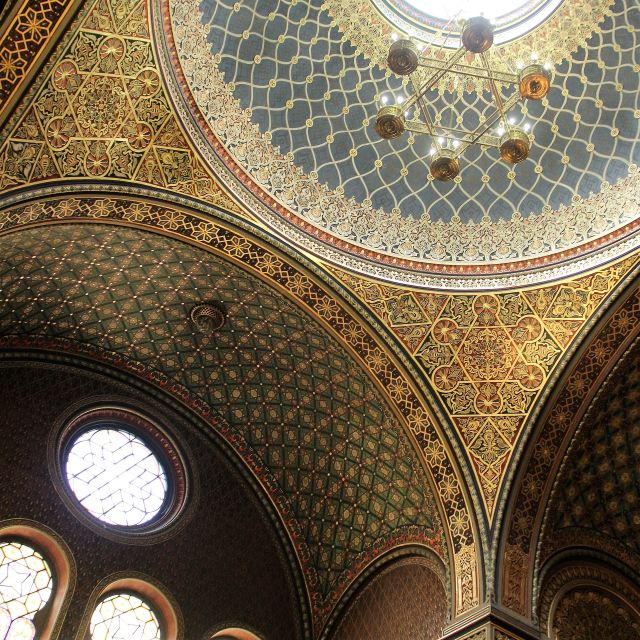
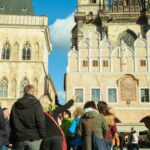
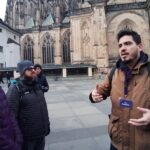
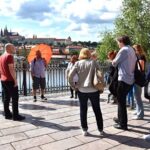
This is a ticketed, guided walking tour, so the first job is simply to find the group and get rolling. Meet up by looking for a person carrying a navy blue umbrella and/or a sign with the Turistico logo.
From there, you can expect the day to move in a clear sequence: you’ll pass through the Jewish Quarter’s core area and then enter multiple places that require admissions. The tour includes entry tickets to the Old-New Synagogue, Maisel Synagogue, Pinkas Synagogue, Old Jewish Cemetery, Klausen Synagogue, and the Ceremonial Hall (plus the Spanish Synagogue and a temporary exhibition stop at the Robert Guttmann gallery). Because admissions are handled, you spend less time figuring out lines and more time listening and looking.
The guide language is Spanish, and the tour is live. If your Spanish is rusty, you might still track the big ideas—especially in architectural and historical explanations—but it’s definitely better if you can follow more than just key words.
Also, the tour runs rain or shine. Bring comfortable shoes. You’ll be standing in and moving through indoor spaces too, but the walking time is part of the rhythm.
Inside the synagogues: what each stop adds to the story
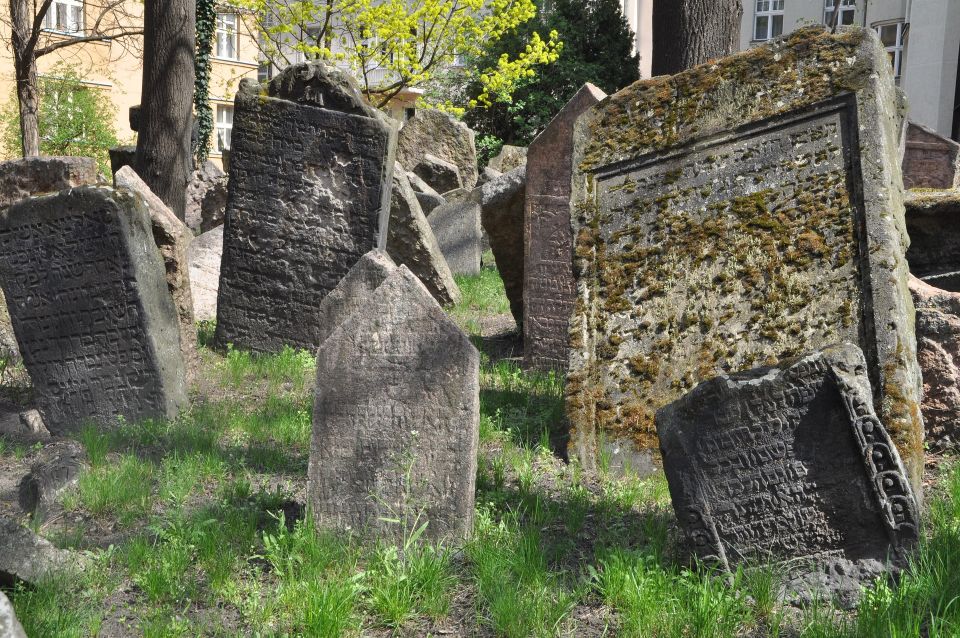
This tour is built around entering. That’s the difference between reading about Prague and actually recognizing details in the rooms. You’re going to see several different synagogue spaces, and each one adds a different layer.
You’ll start with one of the best-known icons in the area: the Old-New Synagogue. This site carries the “anchoring” feeling visitors want here because it’s tied to the oldest conserved synagogue mentioned in the tour context. From there, the experience shifts from architectural recognition to cultural meaning. You’ll hear about traditions and how community life shaped the physical spaces.
Next are the synagogues that help you understand different eras and emphases. The Maisel Synagogue connects directly to the prosperity period under Mayor Maisel—so it’s not random. The building becomes an evidence point for a time when the community had room to grow.
Then comes the Pinkas Synagogue, which often stands out because of its role as a memorial-focused space. It also helps you understand the way memory, learning, and identity were kept alive through generations.
The Klausen Synagogue and the Ceremonial Hall add additional context and continuity. Even if you’re not a synagogue specialist, the tour format gives you “hooks” to interpret what you’re seeing—details that otherwise can look like background decoration.
And don’t miss the inclusion of the Spanish Synagogue and the temporary exhibitions at the Robert Guttmann gallery. That gallery stop is a useful break in the flow: you get a change of pace, and you can compare how the story is told through exhibits versus what you learn in the rooms themselves.
The Old Jewish Cemetery: quiet, heavy, and unforgettable
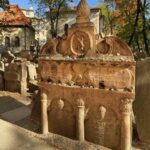
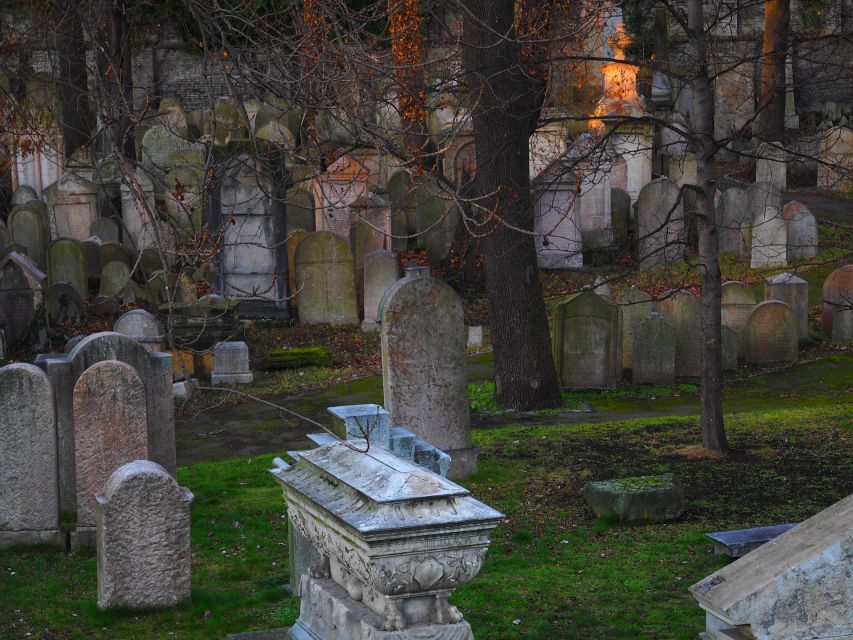
If you want one stop where the tour’s emotional weight becomes real, it’s the Old Jewish Cemetery. In the tour framing, it was used from the 15th to the 18th century, and more than 60,000 tombs are conserved. That number sounds large on paper. In person, it feels different—more like an entire landscape of individual lives.
In at least one personal highlight from the experience, the cemetery is the favorite stop. I get why. It’s not just history behind glass. You’re in a place designed for remembrance, and the sheer scale changes your sense of what “a community” means.
Practically, be ready for a slower mood. You won’t be racing through. You’ll likely spend enough time to absorb how the cemetery operates as a long-term memorial space, not a short stop. It’s also a good moment to pause and let your guide’s context land before you move on to the next synagogue.
If you’re the kind of traveler who prefers light sightseeing all day, this can feel like a tonal shift. But it’s also what makes the tour meaningful. Prague has plenty of pretty architecture—this one asks you to pay attention to people.
Maisel and Klausen: why prosperity and survival show up in architecture
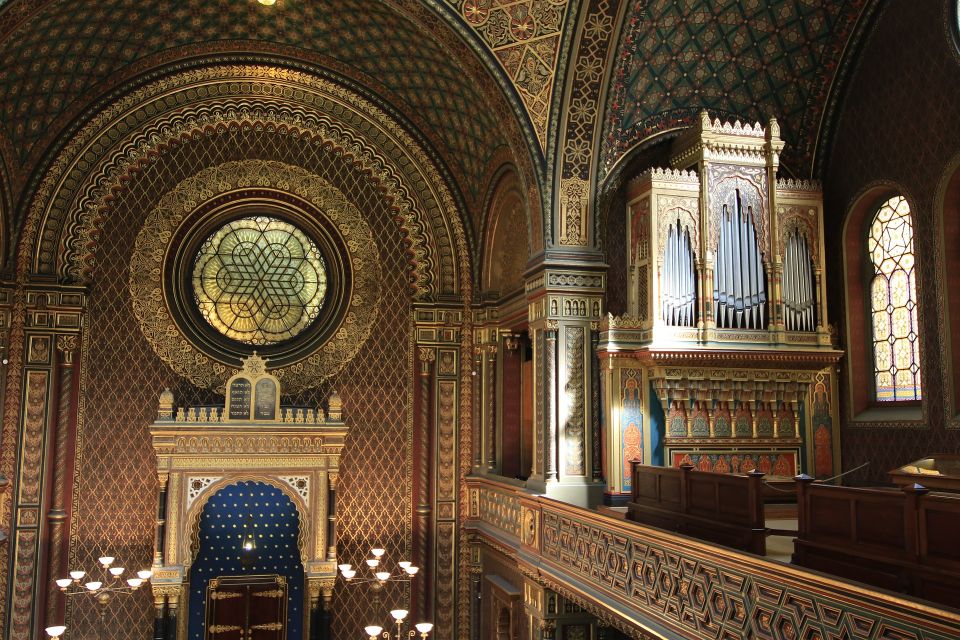
One reason I enjoy this tour design is that it doesn’t flatten everything into tragedy. It also shows how periods of stability and community growth left physical marks behind.
The Maisel Synagogue is your clue here. The tour context ties the area’s greatest prosperity to Mayor Maisel, which gives you something concrete to hold onto. When you’re inside, you can connect that era to how communities invest in sacred spaces. You’re not just seeing old stones. You’re seeing an outcome of social strength.
Then there’s Klausen Synagogue, which helps you keep the timeline moving. Together with the rest of the included sites, it supports a bigger point: the neighborhood’s identity wasn’t static. Jewish life in Prague adapted across centuries, and the built environment reflects that change.
The “survival through preservation” angle is also important. In the 20th century, Nazi authorities planned to turn the area into a museum about a race they wanted to declare disappeared. That horrifying motive is part of the background for why these sites could be preserved enough for visitors to experience them today. It’s not comfortable context, but it’s a direct reason the monuments still matter.
Even if you don’t love historical framing, these stops are worth it because they’re physical. You can feel the difference between a place built for living community needs and a place that becomes a memorial. That contrast is the lesson.
You can also read our reviews of more guided tours in Prague
Price and value: is $107 worth it for 150 minutes?
$107 for a 150-minute guided walking tour is not cheap, but it’s also not just a “tour guide fee.” The big value driver is admissions: the tour includes entry tickets to multiple synagogues and key sites—Old-New Synagogue, Maisel Synagogue, Pinkas Synagogue, Old Jewish Cemetery, Klausen Synagogue, Ceremonial Hall, and Spanish Synagogue—plus temporary exhibitions at the Robert Guttmann gallery.
It also includes skip-the-ticket-line access, which matters in central Prague where time evaporates fast. When entrances are bundled, you can focus on the experience rather than hunting down hours, ticket windows, and separate transactions.
In other words, you’re paying for a guided route that strings together several ticketed monuments. If you tried to recreate the same day on your own, you’d likely spend time coordinating multiple entrances and tickets—unless you’re a very organized planner.
The tour also benefits from being guided by a professional, certified local guide (in Spanish). Reviews associated with this experience emphasize that the guide makes the visit enjoyable and that the historical and cultural explanation lands well. One highlight repeatedly connected with the cemetery as a personal favorite, which is exactly what a guided route helps you achieve: choosing the “right” order and interpreting what matters most.
Practical tips to get the most from the walk
- Wear comfortable shoes. It’s a 150-minute walking experience and you’ll be on your feet through parts of the route.
- Expect indoor-and-outdoor time. Synagogues and gallery spaces are part of the day, but rain or shine means you still walk in the elements.
- Plan a calm finish. One review mentioned ending with a beer at a local café, which makes sense as a way to decompress after a heavier stop like the cemetery.
- Bring patience for emotional sites. The cemetery and memorial spaces aren’t designed for speed. Let your guide’s context slow you down in a good way.
Should you book this Jewish Quarter walking tour?
I’d book it if you want a structured way to see the major synagogue sites and the Old Jewish Cemetery in one efficient route, with an experienced local guide and ticketed entry handled for you. The value is strongest when you care about more than photos and want context that helps you interpret what you’re standing in.
Skip it if you want an unhurried, self-paced wandering day with lots of free time to linger wherever you feel like it. This is a guided sequence, and you’ll move steadily for 150 minutes.
If you fit the first group—history-minded but practical—you’ll likely come away feeling you understood Josefov and the Jewish Quarter as lived spaces, not just sights.
FAQ
How long is the Prague Jewish Quarter guided walking tour?
The tour duration is 150 minutes.
Where do I meet the guide?
Meet at the designated meeting point by looking for a person carrying a navy blue umbrella and/or a sign with the Turistico logo.
What’s included with the ticket price?
You get a professional, certified local guide and entry tickets to the Old-New Synagogue, Old Jewish Cemetery, Spanish Synagogue, Maisel Synagogue, Pinkas Synagogue, Klausen Synagogue, and the Ceremonial Hall, plus temporary exhibitions at the Robert Guttmann gallery.
Is food and drink included?
No. Food and drinks are not included.
What language is the live tour guide?
The live tour guide speaks Spanish.
Is the tour wheelchair accessible?
Yes, the tour is wheelchair accessible.
Does it run in bad weather?
Yes, the tour takes place rain or shine, so comfortable shoes are recommended.