REVIEW · PRAGUE
Prague: 1.5-Hour Chocolate Museum Visit with Workshop
Book on GetYourGuide →Operated by Choco-Story Praha · Bookable on GetYourGuide
Chocolate, made by you, in Prague.
At Choco-Story Prague Chocolate Museum, a short visit turns into hands-on fun: you watch sweets produced live, learn how cocoa traveled from the Americas to Europe, and leave with your own chocolate creation. The museum sits in central Prague, so it fits neatly into almost any day.
What I like most is the chocolate workshop itself. You get step-by-step help from a professional chocolatier, then you personalize tablets with decorations and toppings. I also like the balance between making and learning, especially the focus on Aztecs and Mayas and the way cocoa shaped chocolate as it reached Europe.
One possible drawback: the museum side is compact. If you’re hoping for a long, guided, museum-heavy tour, plan to treat this as mostly a workshop experience with exhibits you can take in at a comfortable pace.
In This Review
- Key Things to Know Before You Go
- Choco-Story Prague: a Chocolate Museum That Finishes in Your Hands
- 90 Minutes of Chocolate: How the Visit Actually Flows
- The Workshop With a Professional Chocolatier (Where the Time Goes)
- What to watch for
- Chocolate Tasting: The Part That Makes Learning Stick
- The Museum Side: Cocoa History, Aztecs to Europe
- Watching Pralines Being Made Live
- The Choco-Story Shop: Your Take-Home Food Budget, Planned
- Price and Value: Does $28 Make Sense?
- Best Fit: Who Will Enjoy This Most?
- Small Museum, Clear Pace: Practical Tips Before You Arrive
- Should You Book Choco-Story Prague Chocolate Museum With Workshop?
- FAQ
- What is the duration of the Choco-Story Prague chocolate museum visit with workshop?
- How much does it cost?
- What’s included in the ticket?
- Do I get to make my own chocolate tablets?
- What languages is the audio guide available in?
- Is there a live demonstration during the visit?
- Can I take chocolate home?
- Is the experience wheelchair accessible?
- What’s the cancellation policy?
- Is there a reserve now, pay later option?
Key Things to Know Before You Go
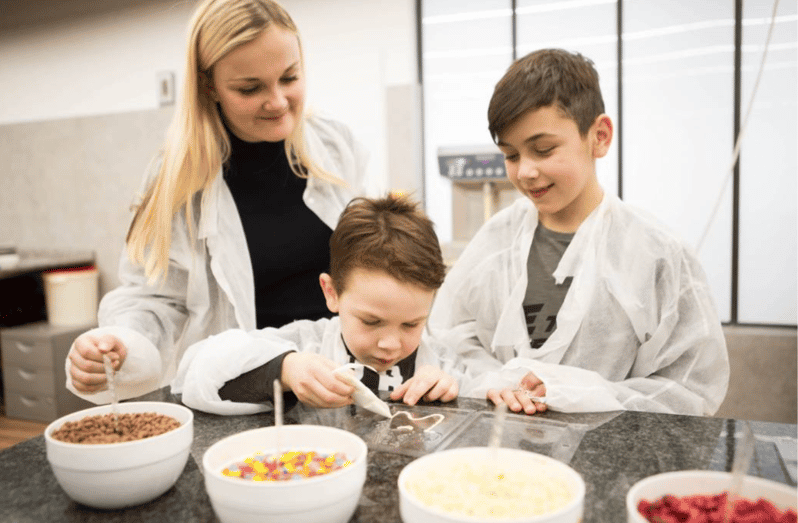
- Hands-on chocolate tablets: make your own personalized bars with a chocolatier’s guidance
- Live pralines production: watch sweets being made during your visit
- Chocolate tastings included: sample different styles and learn what you’re tasting
- Cocoa history through the Americas to Europe: learn how it traveled and changed
- Audio guide in 4 languages: Czech, English, German, and Russian
- Small museum feel: quick to see, with the workshop as the main event
Choco-Story Prague: a Chocolate Museum That Finishes in Your Hands
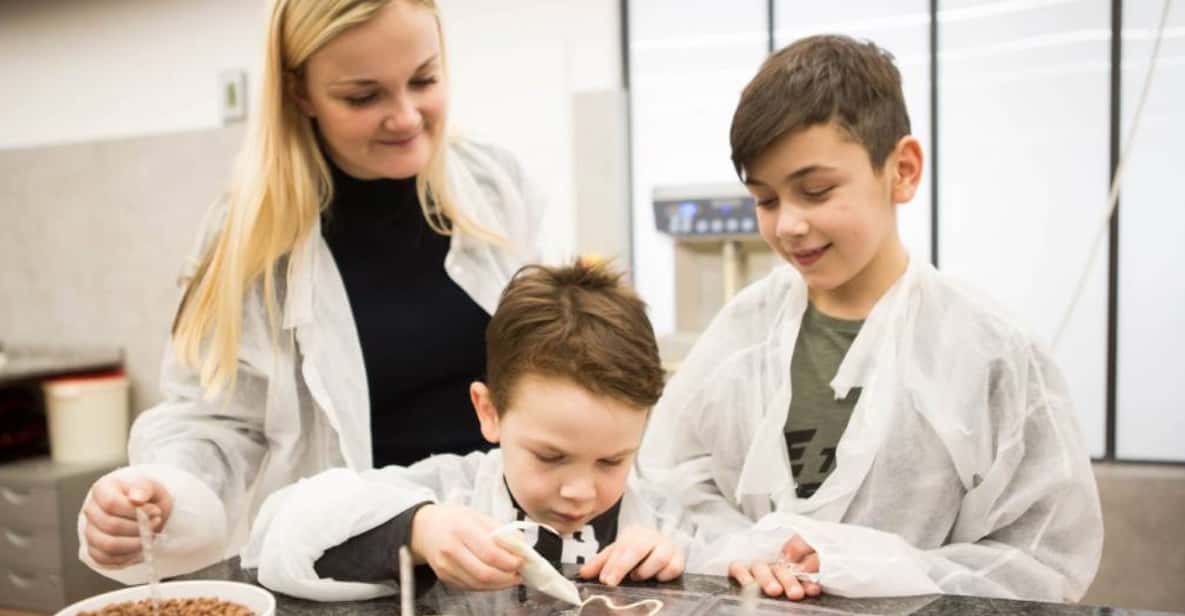
Choco-Story Prague Chocolate Museum isn’t trying to be a full-day museum. It’s built for a specific promise: you learn the story of chocolate and then you get to do something with it. In 90 minutes, that format works. You’re not wandering for hours trying to piece together facts—your making session gives the knowledge a real-world anchor.
The setting is in the heart of Prague, which matters. If you’re planning a tight itinerary, you don’t want an activity that eats your whole afternoon. This one is short enough to pair with a walk along nearby streets and still keep your evening open.
Also, the overall vibe is practical and friendly. The museum uses exhibits and videos, but the visit flows toward your workshop. That means you’ll spend less time reading walls and more time doing something you can take home.
You can also read our reviews of more museum experiences in Prague


90 Minutes of Chocolate: How the Visit Actually Flows
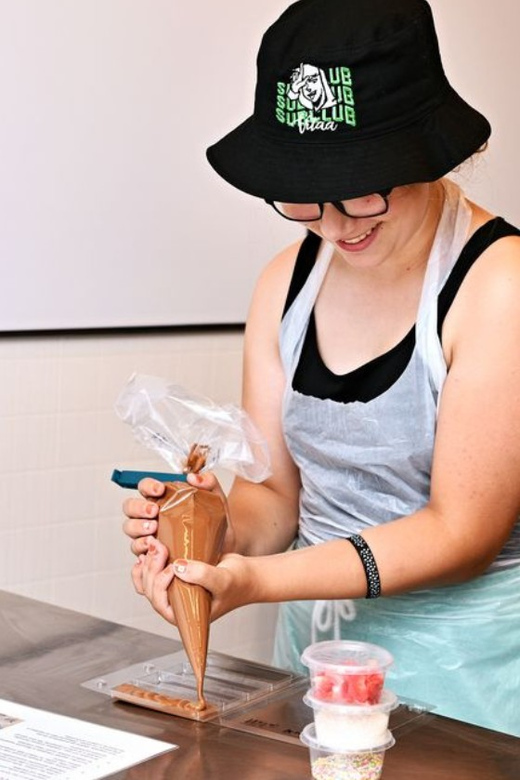
The structure is simple: you enter the museum, use the provided audio guide, then join the workshop portion when it’s your turn. Throughout the visit, there’s built-in tasting so you’re not just learning with dry facts.
Here’s what you can expect in broad strokes:
- You explore exhibits about chocolate’s origins and how it evolved into the products people recognize today.
- You follow the audio guide in your preferred language, with options including Czech, English, German, and Russian.
- You watch a live demonstration focused on sweets like Belgian pralines.
- You taste different chocolates during the experience.
- You make your own personalized chocolate tablets during the workshop.
A detail I really like: the experience includes multiple tastings. Tastings turn the history lesson into something physical. You can learn about cocoa origins and then taste how different chocolate styles behave on your tongue.
The Workshop With a Professional Chocolatier (Where the Time Goes)
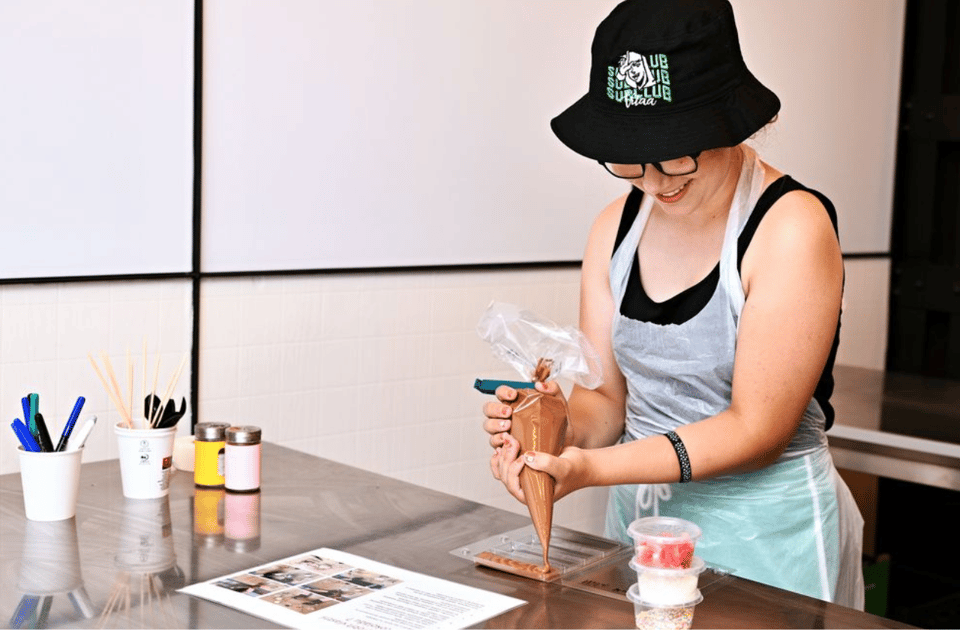
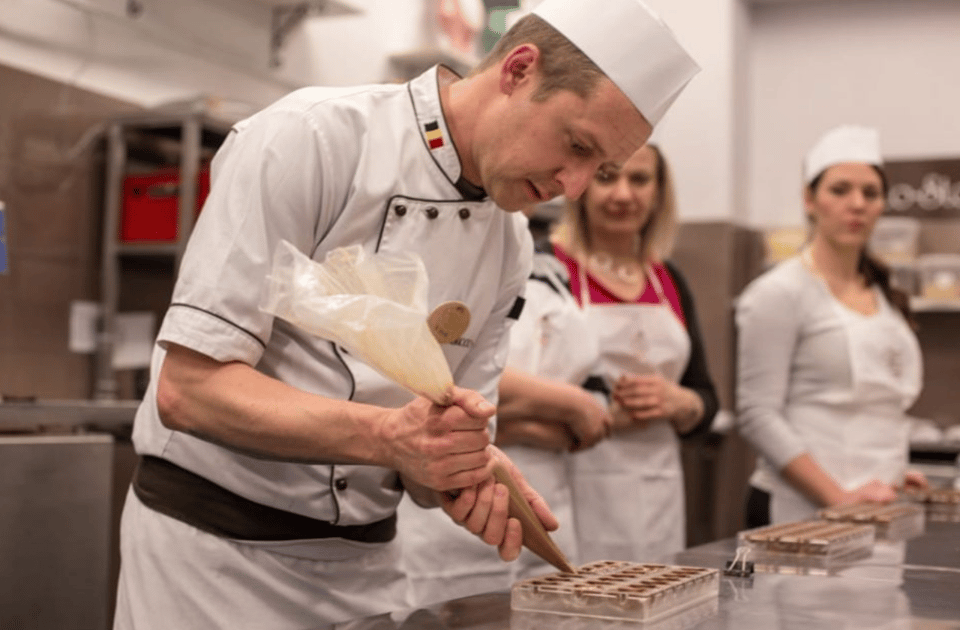
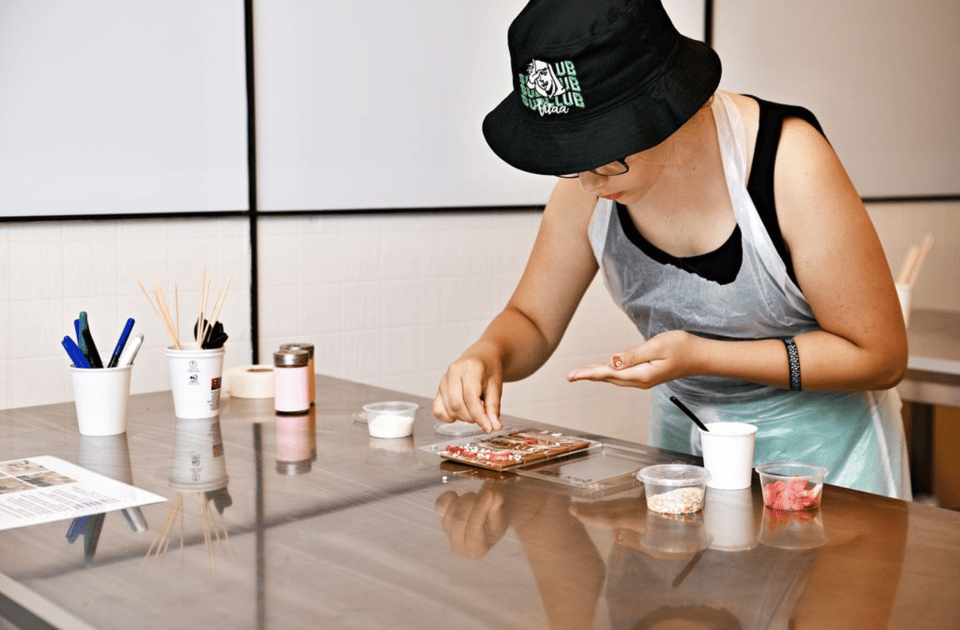
This is the big event, and it’s designed to be approachable. You’re working with support from a chocolatier rather than just watching someone else. That’s why the workshop often gets the strongest praise: people leave feeling like they actively took part.
In the workshop, you’ll learn the hands-on steps for making chocolate tablets. You’ll then personalize them with decorations and toppings. Many past sessions are described as creating four small bars that you can take home. Even if your exact setup varies by timing, the core idea stays the same: you make something individual, not just a factory-shaped souvenir.
One bonus some people mention is an apron handed out at the end. It’s a small thing, but it adds to the feeling that you’re in a proper class rather than a quick demo.
What to watch for
The workshop can feel like the highlight because the museum itself is smaller. So if you love the idea of chocolate crafting, you’re in the right place. If you want a long, serious lecture tour, you might find the museum content is more like a guided introduction than a deep study.
Chocolate Tasting: The Part That Makes Learning Stick
Tasting isn’t an afterthought here—it’s part of the main flow. You get chocolate tasting included, and the experience also sets you up to taste from different origins and styles.
This matters because chocolate is one product with many faces. When you taste multiple types, you start noticing differences: sweetness level, cocoa intensity, texture, and how chocolate changes as it melts or sets. That’s the sort of learning you actually remember later, especially when you’re buying chocolate in Prague and trying to label flavors correctly.
Some people specifically mention a tasting station where they can linger. That’s a smart design choice: it gives you control. If you’re the type who wants to slow down and compare, you can.
If you’re buying gifts, this tasting stage is also practical. You’ll quickly figure out what you prefer—dark, milk, nutty, or something more unusual—so your shop time is less guesswork.
You can also read our reviews of more tours and experiences in Prague



The Museum Side: Cocoa History, Aztecs to Europe
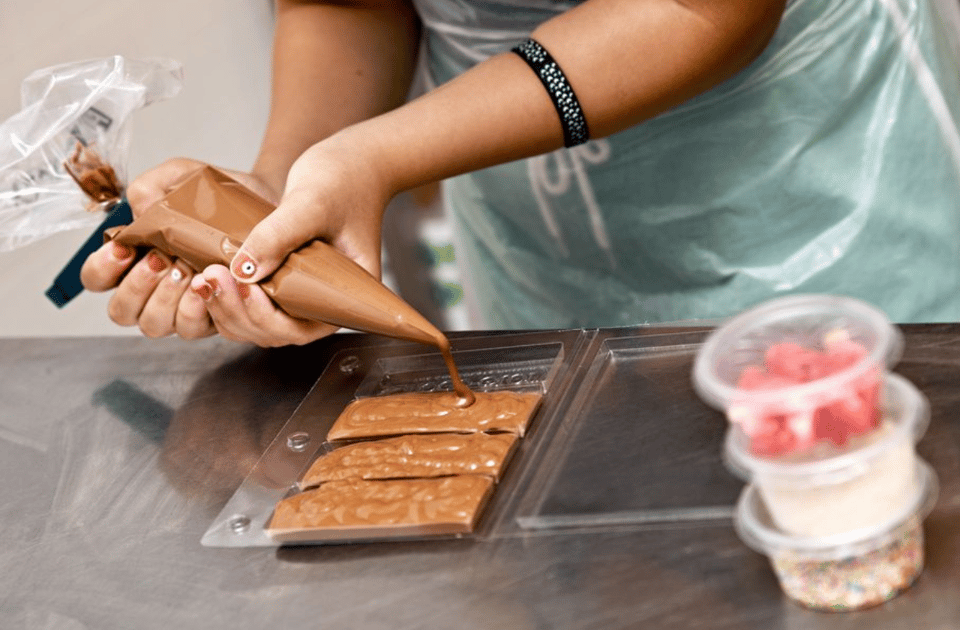
The museum portion is built around the journey of cocoa and chocolate. You’ll see exhibits with illustrations, informative panels, and videos that explain cocoa culture and its transformation into the chocolate people enjoy today.
A standout theme is the connection to Aztecs and Mayas—not just the romantic version of cocoa, but the idea that cocoa had meaning long before it became a European treat. Then the story shifts to how cocoa made its way into Europe and changed form along the way.
I like how this approach stays accessible. You’re not forced into scholarly depth. Instead, the museum provides a clear storyline that helps you understand why chocolate became culturally important, not only why it tastes good.
Watching Pralines Being Made Live
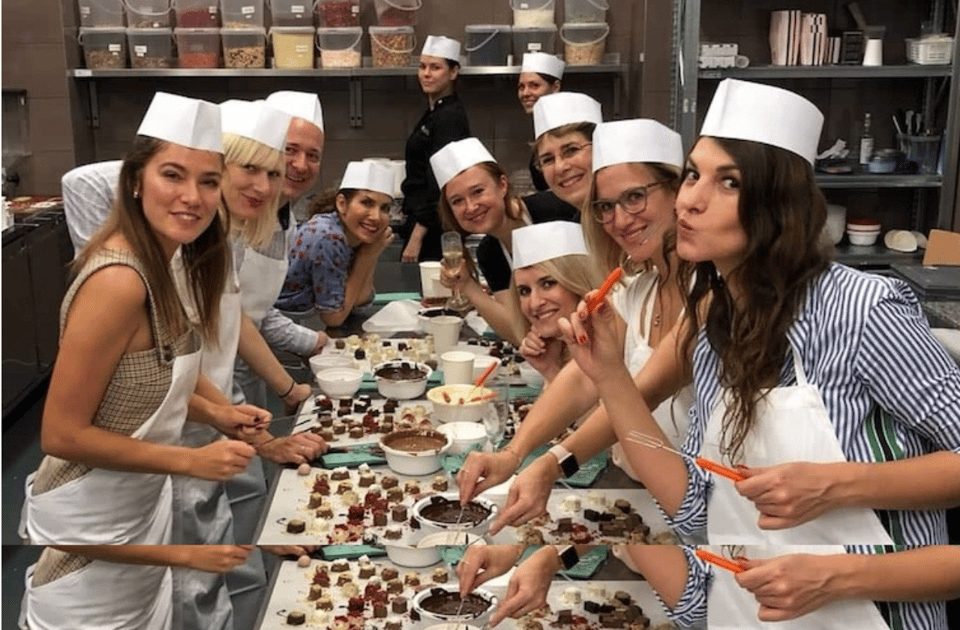
One of the more fun elements is the live production you get to watch—often described in relation to Belgian pralines. Watching sweets being made is different from reading about confectionery. You see pacing, texture, and the careful work behind a final product.
It also adds variety. A workshop is hands-on, and a tasting station is sensory. The live demo becomes the middle bridge between those. You learn why certain techniques exist, and then you can connect it to the chocolate you’re making and tasting.
The Choco-Story Shop: Your Take-Home Food Budget, Planned
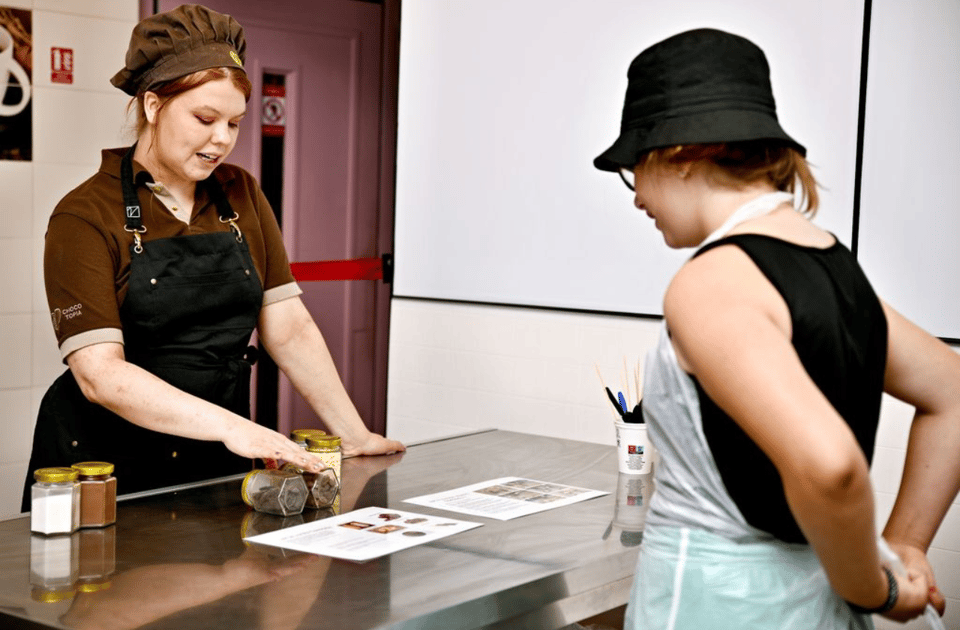
If you finish the workshop and you still have energy (and willpower), the gift shop is where you’ll spend it. The shop is mentioned as offering a wide selection, from traditional chocolates like truffles to more unusual chocolate-themed items.
Here’s the smartest way to handle shop time: decide your “must buy” category before you browse. For example:
- If you love what you tasted, buy the chocolate in that same style.
- If you want gifts, pick a few items that won’t melt easily on your travel day.
Because your experience includes tastings, you’ll be better at buying what you truly like, not just what looks pretty.
Price and Value: Does $28 Make Sense?
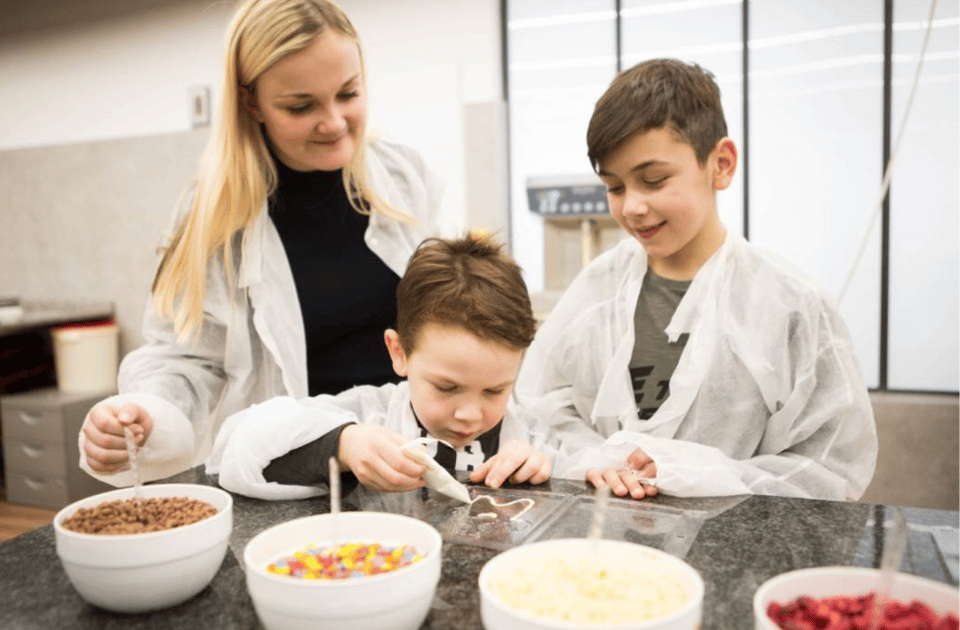
At about $28 per person for roughly 90 minutes, this isn’t a bargain like a free museum. But it also isn’t overpriced when you look at what’s included: museum entrance, the workshop, an audio guide, and chocolate tastings.
The value comes from the mix:
- You’re not paying only for entry; you’re paying for a guided, hands-on chocolate making moment.
- You’re not paying only for tasting; you get a structured learning experience tied to what you taste.
- You get both the craft (making tablets) and the context (why chocolate developed the way it did).
If you love chocolate and you want a Prague activity that’s short, fun, and produces an edible souvenir, this price is easier to justify. If you’re mostly a museum person who hates workshops, then the cost may feel steep—because the museum side is smaller and the workshop carries most of the weight.
Best Fit: Who Will Enjoy This Most?
This works especially well if you:
- want a hands-on activity during your Prague time
- like chocolate enough to care about how it’s made
- enjoy practical history you can connect to something you taste and make
- travel with a group that includes different interests (craft + learning + tasting)
It also seems to fit teens and adults better than small kids, based on the way the experience is described (more hands-on and educational than purely playful).
If you’re traveling solo, it’s still a good choice. The audio guide supports independent pacing, and the workshop gives you a clear structure so you don’t have to “figure out what to do next.”
Small Museum, Clear Pace: Practical Tips Before You Arrive
A few practical notes that can make the experience smoother:
- Expect the workshop to be the main event. The museum content is useful, but it’s not a huge space.
- Plan for a compact visit. With 90 minutes total, you won’t have time to linger in every corner like you would in a full museum day.
- Go hungry enough for tasting but not stuffed. Tastings are part of the learning, so you’ll enjoy them more if you’re not already full from a big meal.
- Bring your curiosity. The guide-led workshop and the audio-driven exhibits both reward attention. Even if you’re not a chocolate expert, you’ll pick up enough to make your later chocolate purchases smarter.
And one realism check: some people note the seating isn’t a focus area. If you want to rest during tastings, just keep your expectations modest and plan to stand, snack, and enjoy.
Should You Book Choco-Story Prague Chocolate Museum With Workshop?
I think you should book if your idea of a great Prague day includes making something, tasting actively, and leaving with a real edible souvenir. This is one of those experiences where the main value is created during the visit—not after you scroll through photos.
Skip it only if you want a long, museum-first experience with minimal workshop time. The museum is described as small, and the overall experience is clearly designed to pivot toward the chocolatier-led session.
If you’re the type who likes learning by doing, this one is an easy yes for Prague. You’ll come away with chocolate in your hands, a clearer story in your head, and better instincts for buying chocolate once you’re back out in the city.
FAQ
What is the duration of the Choco-Story Prague chocolate museum visit with workshop?
The experience lasts 90 minutes.
How much does it cost?
The price listed is $28 per person.
What’s included in the ticket?
Your ticket includes the chocolate making workshop, Choco-Story Prague Chocolate Museum entrance, an audio guide, and chocolate tasting.
Do I get to make my own chocolate tablets?
Yes. The workshop focuses on creating personalized chocolate tablets with assistance from a professional chocolatier.
What languages is the audio guide available in?
The audio guide is available in Czech, English, German, and Russian.
Is there a live demonstration during the visit?
Yes. You’ll watch live production of sweets, described as including items like Belgian pralines.
Can I take chocolate home?
You create your own chocolate during the workshop, and many workshop sessions are described as making small bars that you can bring home.
Is the experience wheelchair accessible?
Yes, it’s listed as wheelchair accessible.
What’s the cancellation policy?
You can cancel up to 24 hours in advance for a full refund.
Is there a reserve now, pay later option?
Yes. You can reserve now & pay later, keeping your travel plans flexible.