REVIEW · PRAGUE
Operation Anthropoid Tour or Terezín Concentration Camp Tour
Book on GetYourGuide →Operated by DH Travel s.r.o. · Bookable on GetYourGuide
Two places. One WWII story. This tour links the Operation Anthropoid plot in Prague to the reality of Terezín’s fortresses, and it does it through the church crypt and the people behind it.
I especially like how the stop at the Church of St. Cyril and St. Methodius gives the assassination story a physical setting you can stand inside.
I love the structure of the day: first the resistance-linked church and then two fortresses at Terezín, including a ghetto-concentration camp area and a Gestapo police prison area. The guides I’ve seen praised for this experience, including Michael and Radim, come through with clear explanations and room for questions. One consideration: this is solemn WWII ground, and the schedule can run from about 1 to 8 hours, so plan for a serious, mostly walking visit.
In This Review
- Key highlights you should care about
- Entering the story at the Church of St. Cyril and St. Methodius crypt
- Operation Anthropoid explained with real context, not just names
- Why Terezín’s fortresses change how you understand the war
- Small Fortress and Big Fortress: what to expect on the ground
- Terezín Museum, barracks, and the crematorium: heavy stops that matter
- Cemetery and survivor stories: how the tour keeps the focus on people
- Price and logistics: is $23 good value for this much guiding?
- Getting the most from the English guide (and what to watch for)
- Should you book this Operation Anthropoid and Terezín tour?
- FAQ
- Where do I meet the guide?
- Is the tour available in English?
- What are the main sites included in the tour?
- How long does the tour take?
- Is a private group option available?
- Can I get a refund if my plans change?
Key highlights you should care about
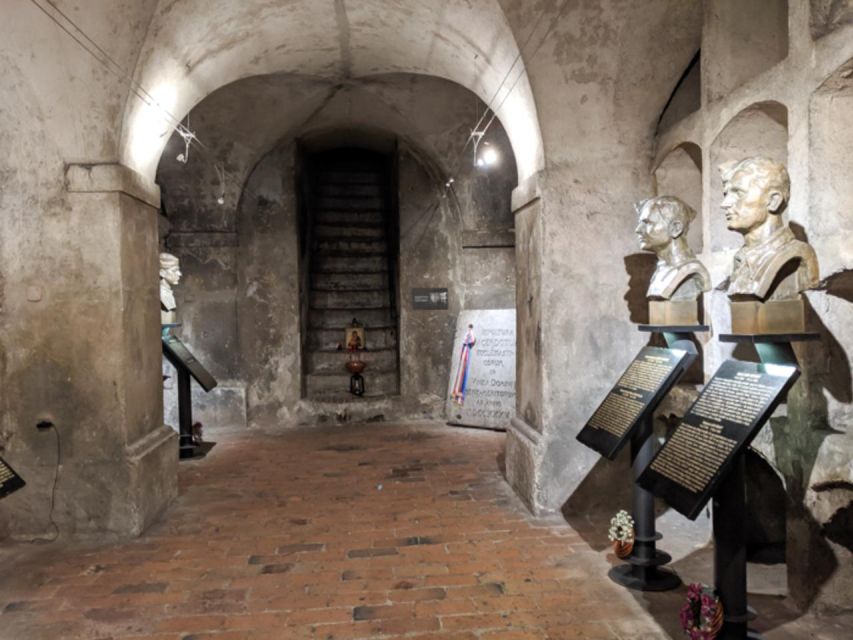
- Crypt beneath the Church of St. Cyril and St. Methodius tied directly to the Operation Anthropoid mission
- Expert English live guides who explain how the Prague plot connects to life and control inside Terezín
- Small Fortress + Big Fortress to show how the Nazis used different spaces for different kinds of imprisonment
- Terezín Museum stops including the ghetto museum, Magdeburg barracks, and crematorium
- Cemetery visit and survivor stories to keep the experience human, not just historical
- Private transfers with pickup and drop-off from your Prague accommodation
Entering the story at the Church of St. Cyril and St. Methodius crypt
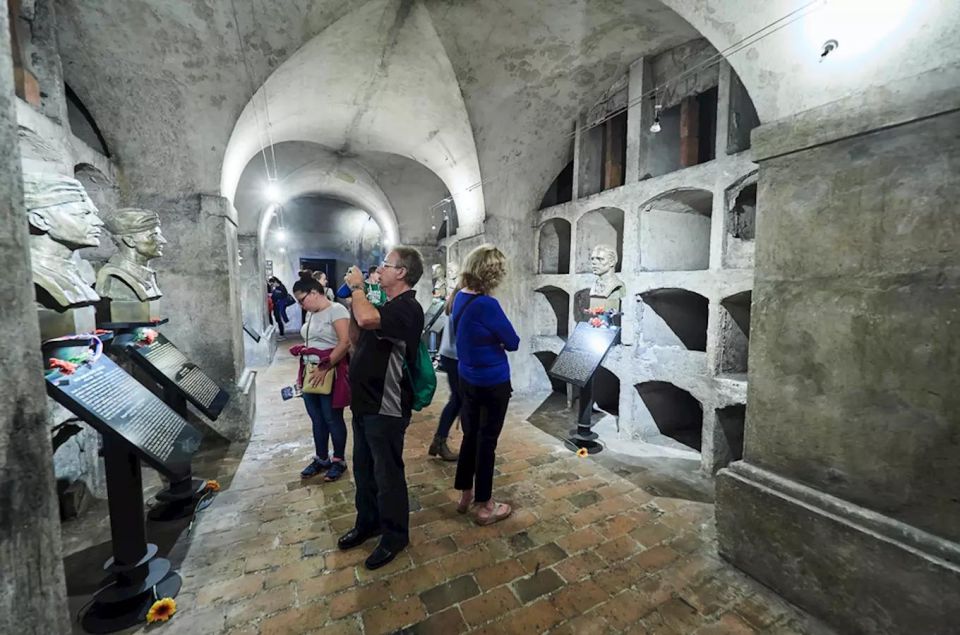
The day starts with something unusual for a WWII tour: you begin in a working church site tied to the Operation Anthropoid narrative. The tour’s first focus is the Church of St. Cyril and St. Methodius, plus the crypt beneath it. That crypt part matters. It turns a famous assassination plot into something physical and immediate, not just a name you’ve heard in history class.
You’re not just walking through a hall. You’re being led through the site as a key piece of the story. The guides walk you through what happened, who was involved, and why this particular location belongs in the larger Operation Anthropoid picture—especially for Czechoslovakian resistance fighters connected to the mission.
A practical note: the tour includes skip-the-ticket-line access for the church portion. That sounds small, but it helps on days when you have limited time in Prague. It also keeps the focus on the moment you’re there for, instead of waiting at the entrance.
You can also read our reviews of more tours and experiences in Prague.


Operation Anthropoid explained with real context, not just names
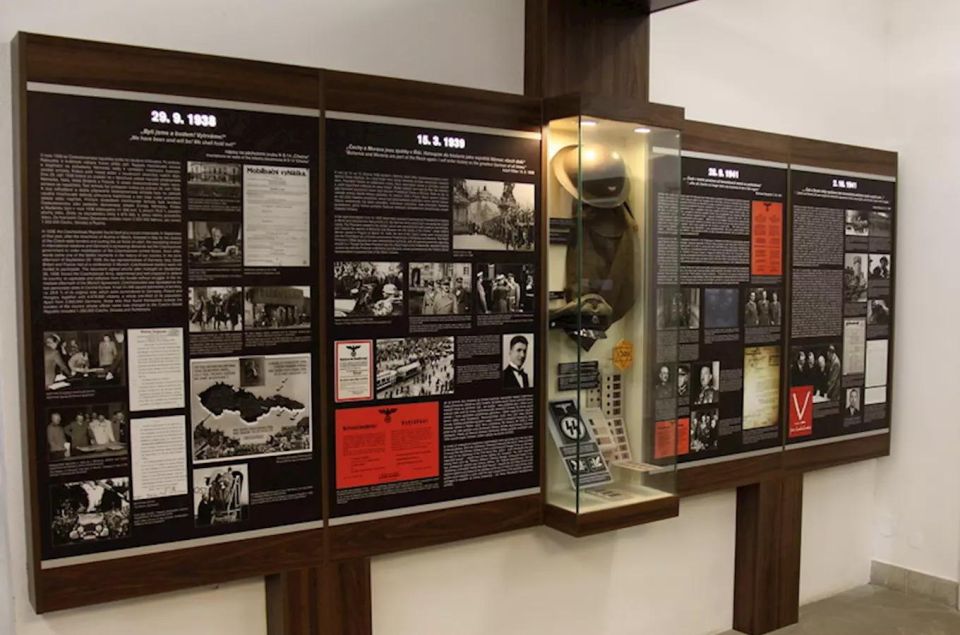
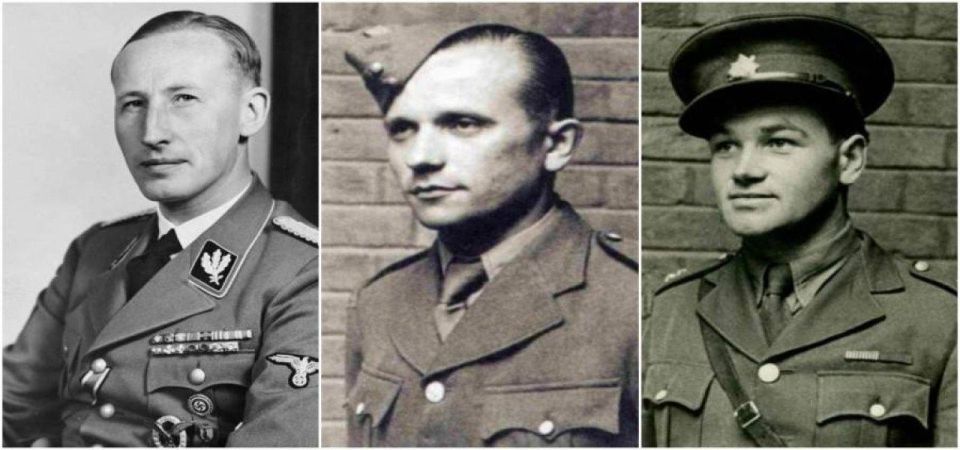
Operation Anthropoid is widely known for one headline target: Reinhard Heydrich, a major figure in the Nazi regime. But the tour’s strength is how it treats that mission as more than a dramatic headline. With an expert guide, you get the mission placed into a wider context—the resistance planning side, the stakes, and what it meant for the people involved.
This is where the quality of the guide really shows. In the feedback people give for this experience, Michael is repeatedly praised as friendly and strong on details, and Radim is noted as passionate about the subject. That matters because you’ll get more out of the crypt when the guide can explain not only what happened, but why certain choices mattered.
I also like that the tour format gives you space to ask questions. Some visitors highlight that their guides welcomed questions and used them to clarify the operation’s history. If you tend to learn by asking follow-ups, this kind of guided approach is a good match.
Why Terezín’s fortresses change how you understand the war
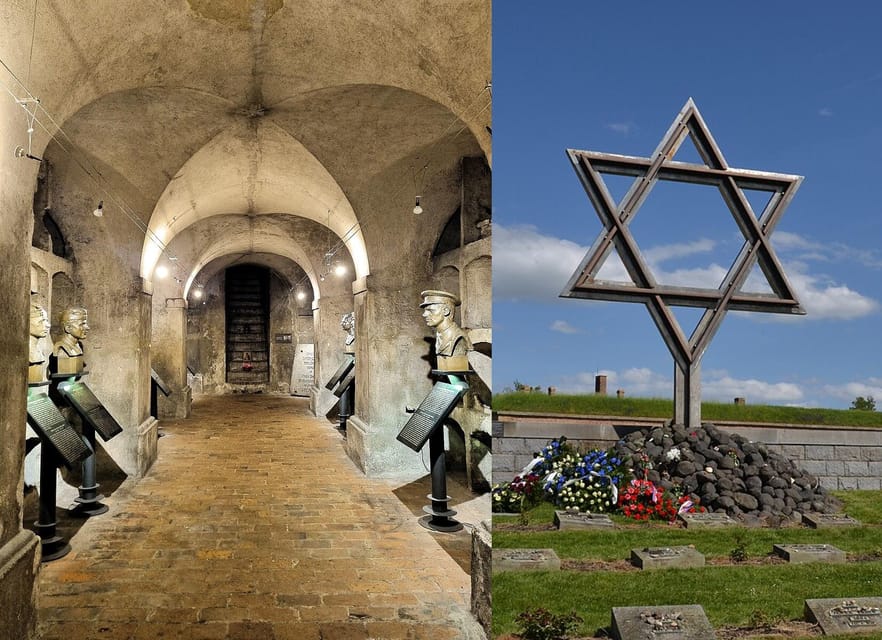
After the church portion, the story shifts in tone—and that’s the point. You head to Terezín, an 18th-century military fortress that the Nazis converted into a concentration camp during World War II. This is one of those places where the architecture helps you understand the system.
Here’s the key structure of what you’ll see on the tour: the Big Fortress and the Small Fortress.
- The Big Fortress served as a ghetto-concentration camp for Jews.
- The Small Fortress was used as a Gestapo police prison.
On a basic sightseeing circuit, you might see two separate locations and move on. On this tour, the guides connect the dots. You start to understand how the Nazis didn’t just imprison people; they built different spaces for different kinds of control, interrogation, and confinement. Even if you already know the general facts, seeing those roles separated—then explained—can help your brain organize what you’re learning.
You’ll tour both fortresses with a guide, so you’re not left trying to interpret signs by yourself.
Small Fortress and Big Fortress: what to expect on the ground
The fortress tour portion is built around guided visits to the Terezín camp areas and key sites, including museum spaces and memorial parts. The included stops go beyond “look at the walls.” You’ll visit the Terezín fortress areas and the Ghetto museum, then continue through areas such as the Magdeburg barracks and the Crematorium.
So what should you do while you’re there?
I’d treat it like a slow read, not a speed run. Spend a minute letting what you’re seeing settle. Then listen to the guide explain what the place represents. A lot of people make the mistake of thinking they need every fact at once. Instead, pick up one theme per stop—control, confinement, survival, punishment—and let the guide give you the meaning.
Also, expect real-world walking and steps. One visitor shared that after a foot injury, Michael and Dominic helped arrange a wheelchair and even pushed the person around over uneven surfaces and up and down steps. That suggests the tour can involve physical terrain challenges. If you need mobility support, it’s worth mentioning your situation early so the team can plan accordingly.
Terezín Museum, barracks, and the crematorium: heavy stops that matter
The tour includes entry to Terezín sites that cover both daily confinement and the system’s worst outcomes. You’ll see parts of the Terezín Museum, the Magdeburg barracks, and the Crematorium.
These are not “comfortable” places. That’s not the goal. The goal is to help you understand what imprisonment looked like in lived detail—spaces designed to hold people, spaces that controlled movement, and places where survival became uncertain.
If you’re the type who likes to read every label, you’ll probably enjoy this segment. If you read slowly, plan extra time in your head, because you’ll want to absorb what the guide is pointing out. The guide’s job is to connect the site you’re standing in to the broader story, and the museum stops are where those connections become concrete.
And yes, you might feel emotional. That’s normal here. What helps is having someone explain why the site exists and what the Nazis used it for, without turning it into just a checklist.



Cemetery and survivor stories: how the tour keeps the focus on people
One of the most important elements of the experience is that it includes hearing story of Terezín survivors, plus a visit to the Cemetery. This is where the tour stops feeling like a historical lecture and starts feeling like remembrance.
A cemetery visit changes the tone fast. The facts become smaller, but the meaning gets larger. It’s a reminder that the numbers are not abstractions. The tour structure helps with that, because survivor stories come alongside the memorial setting, not after a long stretch of museum-only information.
If you’re wondering whether this part will help or hurt your experience: it will probably help, as long as you’re prepared to feel something. The guide can steer you toward understanding rather than just shock, and that emotional pacing is often what separates a forgettable tour from one that stays with you in a useful way.
Price and logistics: is $23 good value for this much guiding?
At about $23 per person, this tour price looks like a bargain—especially when you compare what you get. You’re typically paying for a guided church portion and a guided Terezín fortress portion, with expert guides for each segment, plus the included entry components.
The price value gets even clearer because the tour includes private transfers with pickup and drop-off at your Prague accommodation. That matters. Without transfers, you’d be spending your energy on transport planning. With transfers, you can focus on the sites.
The meeting point is listed as in front of the Dancing House, which is a convenient reference point in Prague. The tour also states private group available, which often makes the experience feel more tailored, especially if you have questions you want answered directly.
Duration is listed as 1 to 8 hours, and starting times depend on availability. That range is wide, so you should check what length you’re booked for. If you want the longest, most complete day, you’ll likely want to choose the longer slot. If your schedule is tight, look for a shorter departure.
One more practical perk: English live tour guide plus skip-the-ticket line. You’re spending less time waiting, more time learning.
Getting the most from the English guide (and what to watch for)
This experience is offered with an English live guide, which is great if you want explanations tailored to you instead of reading everything on your own. The strongest guide moments are the ones where you feel your understanding click into place: why this location matters, how Operation Anthropoid fits into the war’s logic, and how Terezín’s different fortress roles shaped prisoner experiences.
Based on the guide praise tied to this tour, Michael and Radim are examples of guides who bring energy and clarity, not just a script. Dominic is also mentioned in connection with helping a visitor with a wheelchair. That tells you the team doesn’t only talk—they respond to real visitor needs.
If you want to maximize the value of your guide time, here’s my advice:
- Bring a few questions about how the Operation Anthropoid mission connects to later events in Terezín.
- If something feels unclear, ask right then, while you’re standing at the related site.
- Pace your emotions. Let the guide help you process what you’re seeing before you rush to the next stop.
Also, expect that this tour covers content that can be intense. Plan an evening after that doesn’t include too much sightseeing pressure. You’ll likely want downtime afterward to digest what you learned.
Should you book this Operation Anthropoid and Terezín tour?
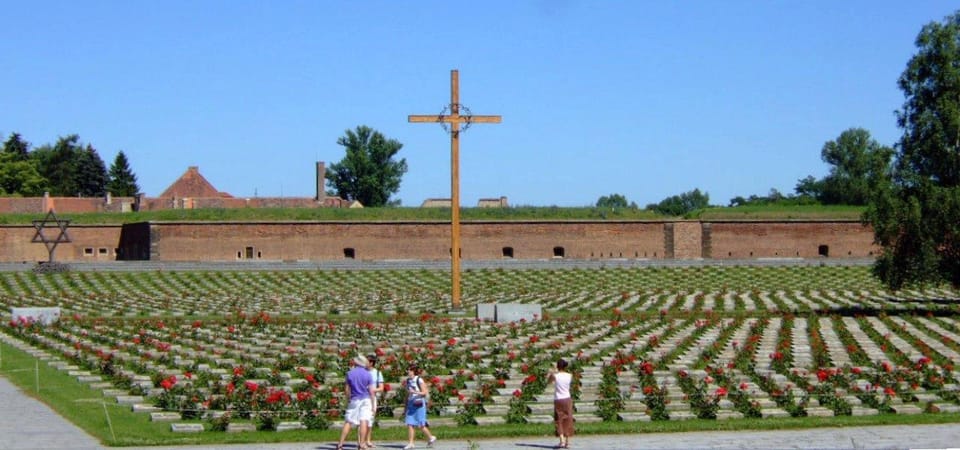
Book it if you want a tour that connects two parts of WWII in a way that feels grounded: the Prague-based Operation Anthropoid site through the church crypt, and then the reality of Terezín through the Small Fortress and Big Fortress experience, including museum stops and a cemetery visit.
Skip (or choose another format) if you only want light history, quick photo stops, or a purely sightseeing day. This route is solemn. It’s also a longer, more physical visit on fortress terrain, so mobility needs matter.
One smart way to decide: if you’re the kind of traveler who likes a guide to explain context—especially with a Q&A-friendly style—this tour is likely worth it. With English live guidance, private transfers, and the chance to hear survivor stories, the value goes beyond the ticket price and lands in how well the story sticks.
FAQ
Where do I meet the guide?
Your guide will be waiting for you in front of the Dancing House.
Is the tour available in English?
Yes. The tour includes a live tour guide in English.
What are the main sites included in the tour?
You’ll visit the Church of St. Cyril and St. Methodius and its crypt for the Operation Anthropoid part, then Terezín Concentration Camp sites including the Terezín fortress areas, the Ghetto museum, Magdeburg barracks, the Crematorium, and the Cemetery.
How long does the tour take?
The duration is listed as 1 to 8 hours. Starting times depend on availability.
Is a private group option available?
Yes. Private group availability is offered.
Can I get a refund if my plans change?
There is free cancellation up to 24 hours in advance for a full refund. The tour also offers reserve now & pay later for flexibility.