Prague’s dark past is close-up and human. This semi-private visit with Holocaust historian Jiri Kluc turns Terezín into a story you can actually follow, and I love how the route highlights places most people never notice. The other win: admission is included, so you’re not juggling tickets while trying to take in heavy material. One possible drawback: the subject matter is confronting, and the tour still moves along at a museum-and-fort pace—so it’s not the sort of outing for a light mood.
You’ll spend about 4 to 5 hours in Terezín/Theresienstadt, with a max group size of 6. I’d plan for a tour day that’s part history lesson and part memorial visit, with time to absorb what you’re seeing instead of racing through it.
In This Review
- What Makes This Semi-Private Terezín Tour Work
- Terezín in One Breath: Why This Place Still Matters
- Meeting the Day: Vehicle, Timing, and a Small-Group Pace
- Stop 1: Terezín Memorial Grounds (Small & Big Fortress, Museum, and Hidden Locations)
- Small Fortress: the Gestapo prison atmosphere
- Big Fortress + Museum: the scale of the system
- Hidden locations with historian Jiri Kluc
- The Jewish Ghetto Area and the “Remains” Stops That Change How You See It
- Walking through the ghetto story
- The remains of the railway to the ghetto
- The Hidden Prayer Room: What Dignity Looks Like in a Prison System
- The National Cemetery: Remembering by Place, Not by Name Alone
- World War II Context Without the Loudness
- Price and Value: What You’re Really Paying For
- Who This Tour Suits Best (and Who Should Rethink It)
- Practical Tips for Getting More From the Tour
- Should You Book This Terezín Tour?
- FAQ
- How long is the Terezín concentration camp tour?
- What is the group size limit?
- Is the entrance ticket included?
- What does the price include?
- Where does the tour start and end?
- Do I need to bring a paper ticket?
- When will I get confirmation after booking?
- Is free cancellation available?
- What if the weather is bad?
What Makes This Semi-Private Terezín Tour Work
- Small group size (max 6) means more room for questions and a calmer pace through the grounds.
- Historian-led interpretation with Jiri Kluc helps connect buildings, labels, and dates into one coherent story.
- Hidden-site focus includes the prayer room, the national cemetery, and the remains of the railway to the ghetto.
- Fortress + ghetto coverage covers the Small Fortress (Gestapo prison for political prisoners) and the Jewish ghetto area.
- Value built in: entrance to the Terezín memorial, water, and an air-conditioned vehicle are included in the price.
Terezín in One Breath: Why This Place Still Matters
Terezín—also called Theresienstadt—was a Nazi-era site whose legacy is tied to both brutality and manipulation. It was, in many ways, used to send messages and stage manage appearances while people suffered and died inside. That’s why a good guide matters here: you don’t just walk through stones. You walk through a system, with design choices that tell you what power wanted the world to believe.
This tour is built for that reality. The route isn’t only about what happened; it’s about how the camp was organized, how prisoners were processed, and how the space itself shaped daily life. When your guide is also a Holocaust historian, you get answers that stay grounded in what can be supported by the site and its documentation.
You can also read our reviews of more private tours in Prague



Meeting the Day: Vehicle, Timing, and a Small-Group Pace
You start at Ládví (182 00 Prague-Prague 8). From there, you’ll head to Terezín by air-conditioned vehicle with a driver/guide. The “semi-private” part isn’t marketing fluff: the tour caps at 6 travelers, which changes the feel. You’re less likely to be swept along with a crowd and more likely to get the context you actually need.
The total time is listed as about 4 to 5 hours. That’s a realistic window for a place like this. You’ll have enough time to see major areas and still pause when the guide explains what you’re looking at and why it mattered.
One practical note: the experience requires good weather. If the day is poor, you’ll be offered a different date or a full refund. So it’s smart to keep your expectations flexible.
Stop 1: Terezín Memorial Grounds (Small & Big Fortress, Museum, and Hidden Locations)
This is where the tour’s structure makes a difference. Instead of just hitting the “main photo spots,” you get guided access that’s meant to connect the sites into one timeline. Entrance to the Terezín memorial is included, so you can focus on the walk and the explanations.
Small Fortress: the Gestapo prison atmosphere
The tour specifically includes the Small Fortress, known for use as a Gestapo prison for political prisoners. Even if you know the outline from books, the experience becomes sharper when you’re standing where confinement was designed to control people, movements, and hope. Your guide helps you understand what the space was for—how it functioned as a tool of intimidation, not just as a location.
This is not a place for rushing. The guide’s approach is designed to help you read the site: where people were held, what the fortress structure implies about isolation, and why the Small Fortress sits at the center of the story.
Big Fortress + Museum: the scale of the system
You’ll also encounter the Big Fortress area and museum elements. This is where Terezín starts to feel like an organized machine. The guide’s job is to stop it from becoming abstract. Expect explanations that connect the physical layout to the camp’s role in the Nazi system.
The museum and fortress areas also serve a practical purpose for visitors: they give you anchors. Once you understand what each area represents, it becomes easier to follow the later parts of the tour, including the ghetto-related stops.





Hidden locations with historian Jiri Kluc
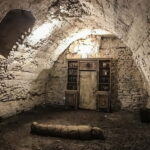
One of the most praised aspects of this experience is that you’re guided by Jiri Kluc, and the route includes hidden locations rather than only the obvious stops. The tour summary calls out multiple sites tied to prayer and burial, plus the remains of infrastructure connected to the ghetto.
That’s important because the parts most visitors miss are often the parts that make the story feel real—especially the places where everyday human needs and human dignity were forced into the camp’s logic.
The Jewish Ghetto Area and the “Remains” Stops That Change How You See It
Terezín’s Jewish ghetto is part of what makes this site so devastating. The material provided for this tour is direct: over 35,000 people perished there. That number is not just a statistic. It’s a scale indicator, and it changes how you interpret what you see around you.
Walking through the ghetto story
You won’t just hear what happened. You’ll also be shown how the ghetto fit into the camp’s larger structure. The guide’s explanations help you understand why Terezín wasn’t only a holding place. It was used to concentrate people under an oppressive system and then process suffering at industrial speed.
The remains of the railway to the ghetto
A standout stop is the remains of the railway to the ghetto. Even if you’re not given dramatic scenery (it’s often “remains,” not full original infrastructure), these fragments can hit harder than preserved buildings. You’re looking at the physical link between transport and confinement, and your guide helps you connect the dots.
This kind of stop is valuable because it anchors the idea of movement with forced control. You can think about it later, too, because your brain remembers routes and direction. You’ll leave with a clearer sense of how people were moved in and out—and what that meant.
The Hidden Prayer Room: What Dignity Looks Like in a Prison System
One of the most emotionally charged inclusions is the hidden Prayer Room. The tour information lists it as a stop, and that’s meaningful: it puts religious life, community, and identity into the middle of the experience rather than treating them as side notes.
When a place is hidden, it also tells you something. It suggests limits, danger, and the effort it took to keep belief alive. Standing there—or understanding it in context—helps you see that prisoners weren’t only “victims.” They maintained parts of themselves even under conditions designed to erase them.
This is also where a historian-guide matters most. You want explanations that stay respectful and specific, without turning the site into a stage for general statements.
The National Cemetery: Remembering by Place, Not by Name Alone
The tour also includes the National Cemetery. In sites like this, cemeteries don’t function like tourist stops. They function like places of mourning, remembrance, and accountability.
Your guide’s role here is to help you understand how the cemetery fits into the broader Terezín story—what it represents and why it matters that you encounter it during the tour. Even when you don’t have personal connections to the individuals represented, a cemetery stop changes your emotional footing and makes the rest of the experience feel more grounded.
This is one of those parts where the pace should slow down. If you’re prone to rushing through museums, remind yourself: this one is different.
World War II Context Without the Loudness
You might think the best way to learn about this era is a big, dramatic narrative. But the best guides don’t push emotion for effect. They build understanding steadily so you know what you’re looking at and why it matters.
From the details included here—Small Fortress as a Gestapo prison, the Jewish ghetto with its human toll, and specific hidden memorial-related locations—you can expect a tour that keeps returning to structure and meaning. Jiri Kluc is highlighted in the tour description as a local guide and Holocaust historian, and the reviews emphasize that he brings respect and passion to the subject. That combination matters: you need both accuracy and care.
And yes, there’s a language advantage noted by past visitors—his French is described as excellent. Even if you’re not French-speaking, it’s a clue that he communicates with precision, not vague generalities.
Price and Value: What You’re Really Paying For
At $116.15 per person, this tour is not a budget “check the box” add-on. But when you break down what’s included, it starts to make sense:
You get entrance to the Terezín memorial included, plus an air-conditioned vehicle and a driver/guide, and bottled water. The group size is capped at 6, which is a real value lever because you’re paying for interpretation, not just transportation.
In other words, you’re paying for time with a historian and for a route that includes specific sites like the prayer room, the national cemetery, and the remains of railway linked to the ghetto. If you were to DIY, you’d still need to build a coherent narrative yourself—and in Terezín, that’s hard to do well without background knowledge.
If history is your travel focus, this price feels like a fair trade. If you’re only looking for a quick overview, you may decide you can do it cheaper on your own. But for most people who care about understanding, guided context is worth paying for.
Who This Tour Suits Best (and Who Should Rethink It)
This experience is a strong fit if you:
- care about World War II history and want site-specific explanations
- prefer a small group rather than a large bus crowd
- want less of the standard route and more attention to meaningful locations (prayer room, cemetery, railway remains)
- appreciate a guide who treats survivors’ history with restraint and seriousness
It may be a harder fit if you want an upbeat day, or if you struggle with emotionally heavy settings. This is not a light attraction. You’ll be confronting a difficult history, respectfully presented.
Practical Tips for Getting More From the Tour
A few things will help you get the most out of the day:
- Bring water comfort in mind. Bottled water is included, but plan to stay hydrated during the walking parts.
- Wear shoes you trust. Fortress and memorial grounds call for stable footing.
- Give yourself permission to feel unsettled. The tour’s power comes from clarity and presence, not from distraction.
- If you like asking questions, this small group size makes it easier. Use the chance while you have the guide.
Also, because the tour requires good weather, keep an eye on the forecast and be ready for schedule changes if conditions are poor.
Should You Book This Terezín Tour?
I’d book it if you want a guided visit that treats Terezín as a place of meaning, not a checklist. The biggest reasons: Jiri Kluc’s historian-led approach, the small group cap of 6, and the inclusion of specific, high-impact stops like the hidden prayer room, the national cemetery, and the remains of the railway to the ghetto. The price works out best when you value interpretation as much as the entrance.
Skip it only if you’re looking for a quick pass, or if you know you’re not up for emotionally heavy history right now. For the right traveler, this tour offers exactly what a serious site visit needs: context you can carry with you after you leave the grounds.
FAQ
How long is the Terezín concentration camp tour?
The tour lasts about 4 to 5 hours.
What is the group size limit?
This experience is capped at a maximum of 6 travelers.
Is the entrance ticket included?
Yes. Entrance to the Terezín memorial is included in the price.
What does the price include?
The tour includes bottled water, all fees and taxes, an air-conditioned vehicle, the entrance ticket to the Terezín memorial, and a driver/guide.
Where does the tour start and end?
It starts at Ládví, 182 00 Prague-Prague 8, Czechia, and ends back at the meeting point.
Do I need to bring a paper ticket?
No. You’ll receive a mobile ticket.
When will I get confirmation after booking?
You should receive confirmation within 48 hours of booking, subject to availability.
Is free cancellation available?
Yes. You can cancel for a full refund up to 24 hours before the experience’s start time.
What if the weather is bad?
The experience requires good weather. If it’s canceled due to poor weather, you’ll be offered a different date or a full refund.