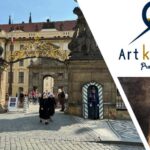
Prague gets political, fast. This WWII and Communism walking tour connects Prague’s landmarks to the shocks that shaped modern life, using clear local storytelling and smart route planning. Public transportation is included, so you spend less time wrestling with trams and more time listening.
What I like most is the balance: you get context that actually sticks, then you see it in places you might otherwise skip. The big payoff is going inside St Cyril and St Methodius Cathedral and down into the crypt, where the setting adds real weight to the history.
One possible drawback: the topics are heavy and the pacing assumes you’re in it for 20th-century history, not just relaxed sightseeing.
In This Review
- Key things to know before you go
- Where Old Town Square Turns Into a 20th-Century Timeline
- St Cyril and St Methodius Cathedral Crypt: When Prague History Gets Personal
- From Wartime Resistance to the Velvet Revolution Ending Point
- Public Transportation Included: Why the Route Feels Easier Than It Looks
- The Guides: Plain-Language History With Real Human Energy
- What 2.5 Hours Actually Feels Like on the Ground
- Price and Value: $34.84 for Story, Transport, and a Cathedral Entry
- Who Should Book This Tour (and Who Might Want Something Lighter)
- Should You Book the WWII and Communism Tour in Prague?
- FAQ
- FAQ
- What time does the tour start?
- Where do I meet the guide?
- Where does the tour end?
- Is the tour offered in English?
- How long is the tour?
- What’s included in the price?
- What’s not included?
- Can I cancel for a refund?
- How big is the group?
Key things to know before you go
- Public transport is included, so the route stays low-stress
- St Cyril and St Methodius Cathedral crypt entry is part of the tour
- Guides bring strong explanations and can handle lots of questions (I’ve seen names like Phil, Adam, Zach, Tony, and Analise)
- Old Town Square is more than a postcard stop here; it’s tied to resistance and political change
- Small group size (max 30) makes the walk feel more conversational
- Mobile tickets make arrival simpler
Where Old Town Square Turns Into a 20th-Century Timeline
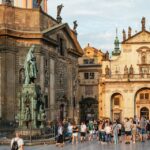
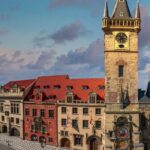
You start in the Old Town area, meeting at Týnská 639/4, Staré Město, 110 00 Praha-Praha 1. The tour kicks off around 2:30 pm, with a short meet-your-guide moment, then you’re walking into the Old Town Square area. On a regular visit, the square can feel like a highlight reel. On this tour, it becomes a timeline you can follow.
The goal is not just facts and dates. It’s about cause and effect: how decisions made in one era ripple into the next. That’s why the tour’s theme works so well in Prague. The city looks beautiful in daylight, but the stories behind it are about control, fear, survival, and eventually the crack in the system.
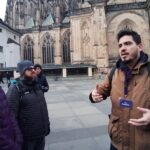
If you like history explained in plain language—without turning into a lecture—this format tends to fit. Several guide styles mentioned in feedback share a common thread: they connect big events to what it meant on the ground, and they’re willing to answer questions on the spot.
You can also read our reviews of more tours and experiences in Prague.



St Cyril and St Methodius Cathedral Crypt: When Prague History Gets Personal
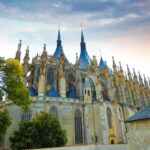
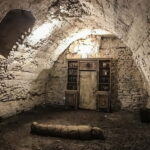
The centerpiece stop is St Cyril and St Methodius Cathedral, including time inside and entry into the crypt. The crypt setting changes the whole feeling of the lesson. You’re not watching history through glass; you’re in the space where the story’s mood becomes part of the experience.
This is also where the tour’s emotional tone often lands hardest. One highlight in the feedback described it as moving, tied to the idea of people hiding and surviving during violent chapters of WWII. Even if you already know the broad outline, the physical setting makes the narrative feel less abstract.
Practical note: crypts typically mean you’ll be indoors and may involve changes in footing and lighting. You don’t need to be an athlete, but moderate physical fitness is listed for a reason. Wear comfortable shoes, and if you know you’re sensitive to darker interiors, plan to slow down and take your time in there.
From Wartime Resistance to the Velvet Revolution Ending Point
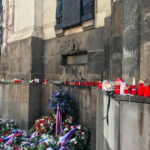
After the cathedral stop, the tour finishes back in the square area so you can see where the Velvet Revolution happened. This matters because Prague’s 20th-century story doesn’t just move in one direction. It breaks, pauses, and then flips.
What I like about ending here is that it gives you closure you don’t always get on history walks. You start with the machinery of WWII-era conflict and occupation, then you move toward the political shift that helped bring an end to communist rule in Czechoslovakia. Seeing the finale in the same general Old Town space helps your brain link places to outcomes.
You’ll likely walk away with a clearer sense of why protests and political pressure worked when they did—especially how people turned collective discontent into real change.
Public Transportation Included: Why the Route Feels Easier Than It Looks
One of the smartest parts of this tour is that public transportation is included. Prague is a walkable city, but history tours can still become a slog if you’re constantly switching trams, waiting in line, or guessing which stops match the story.
Here, the transport piece removes friction. You get to follow the narrative without treating transit like a second job. It also helps keep the experience focused on the stops that matter: Old Town area context, the cathedral crypt, and the Velvet Revolution finish point.
If you’re only in Prague for a short visit and you don’t want to spend your one good afternoon doing logistics, this inclusion is a real value point, not a small perk.
The Guides: Plain-Language History With Real Human Energy
The quality of the guide is the difference between a tour you remember and a tour you forget after lunch. This one has a strong reputation for that.
Several guide names came up repeatedly in feedback: Phil, Adam, Zach, Tony, and Analise. Across those accounts, a few traits show up again and again:
- Guides explained complex concepts in simple, direct language
- They answered questions without shutting down
- They kept a balance between solemn moments and lighter human perspective
One reviewer even noted how a guide’s explanation helped clarify how the Nazi Party rose to power, in a way that felt more sensical than what they’d heard in school. That’s the kind of result you want from a history tour: not just more information, but a clearer mental model.
If you’re the type who likes to ask, this format supports it. With a maximum group size of 30, it’s easier for the guide to keep conversations moving instead of speaking into a crowd.




What 2.5 Hours Actually Feels Like on the Ground
This tour runs about 2 hours 30 minutes. The schedule includes:
- A short guide meeting moment
- A walk through the Old Town Square area
- About 20 minutes at St Cyril and St Methodius Cathedral, including the crypt entry
- A finish back at the square area for the Velvet Revolution connection
That timing matters. It’s long enough to build a coherent storyline, but short enough that it doesn’t turn into “history fatigue.” You’ll cover the key elements of the theme without needing to commit a whole day.
Also, you’ll want to plan for food separately. Food and drinks (and lunch) aren’t included, so bring a snack plan if you get hungry in the afternoon. In cold weather, consider a warm layer too—standing around in squares can chill you quickly even when the sun is out.
Price and Value: $34.84 for Story, Transport, and a Cathedral Entry
At $34.84 per person, this tour isn’t just a walking tour. It includes public transportation and the entrance ticket to St Cyril and St Methodius Cathedral. For many history-focused tours, the paid-entry stop is where costs can quietly add up if you’re visiting on your own.
Here, the price is more like a packaged experience: you pay once, then follow the narrative with transport and entry handled. That makes it especially attractive if you don’t want to juggle tickets, route planning, and timing.
And because the tour is only 2.5 hours, you also get good “time efficiency.” You’re spending the afternoon learning something meaningful, not losing hours to coordination.
Who Should Book This Tour (and Who Might Want Something Lighter)
This works best for you if:
- You enjoy WWII and Communist-era history
- You want local context, not just a list of landmarks
- You like guides who answer questions and connect events to real human stakes
It may not be ideal if you prefer:
- Purely casual sightseeing without heavy topics
- Short, surface-level commentary
- A tour that feels more like entertainment than context
The subject matter is intentionally serious, and the emotional moments can land harder than expected—especially if your timing overlaps with reflective events. One piece of feedback mentioned taking the tour on Remembrance Sunday and feeling the experience was even more poignant. If you’re looking for something upbeat, this probably isn’t it.
Should You Book the WWII and Communism Tour in Prague?
If you’re curious about why Prague looks the way it does, and you want the 20th-century story explained in a way that you can actually follow, I think this is a strong pick. The combo of transport included, crypt entry, and a guide who can explain complex material clearly is where the value comes from.
Book it if you want more than postcards—if you want the city’s political evolution put into context you can stand inside, not just read later. Skip it if you’re looking for a light afternoon or you don’t want to spend time with heavy history.
FAQ
FAQ
What time does the tour start?
The tour starts at 2:30 pm.
Where do I meet the guide?
The meeting point is Týnská 639/4, Staré Město, 110 00 Praha-Praha 1, Czechia.
Where does the tour end?
It ends back at the meeting point.
Is the tour offered in English?
Yes, it’s offered in English.
How long is the tour?
It runs for about 2 hours 30 minutes.
What’s included in the price?
The tour includes public transportation and the entrance ticket to St Cyril and St Methodius Cathedral.
What’s not included?
Food and drinks, including lunch, are not included.
Can I cancel for a refund?
Yes. You can cancel up to 24 hours in advance for a full refund.
How big is the group?
The tour has a maximum of 30 travelers.