REVIEW · PRAGUE
Prague Walking Tour Following in Mozart’s Footsteps
Book on Viator →Operated by Gray Line Czech Republic · Bookable on Viator
Mozart’s Prague stops are surprisingly easy to spot. This 3-hour afternoon tour strings together sites tied to his visits, from Old Town theaters to Lesser Town churches, then up toward Petrin Hill.
I like the included Czech Museum of Music visit, because it turns the walk into something you can actually hear and see. I also like the tram-to-funicular mix, which saves your legs and gives you a real payoff view angle in the middle of the program.
One heads-up: the pace can feel brisk, and the story sometimes leans toward Prague history and city life rather than only Mozart details. If you want heavy Mozart deep-diving, come with specific questions.
In This Review
- Key things to know before you go
- Mozart in Prague: what you’re really buying in 3 hours
- Meeting point and the “move at walking speed” reality
- Stop-by-stop: what each area adds to the Mozart story
- St Nicholas Church: the early anchor in Lesser Town
- Lesser Town streets: a neighborhood, not just a dot on a map
- Staroměstské náměstí (Old Town Square): the big city stage
- Hradčany: castle-side views and a different Prague angle
- Theatre Des États: the Don Giovanni premiere connection
- Petrin Tower and the funicular ride: viewpoints that break the walking rhythm
- Ceske Muzeum Hudby: the included museum break (and why it matters)
- Flea Market Prague: a quick dose of everyday Prague
- Clam-Gallas Palace and the palace sweep: exterior storytelling
- Funicular return to Petrin: the second ride that ties it together
- How to handle the pace and still get your money’s worth
- Price and value: is $45.96 fair for this route?
- Who should book this Mozart footsteps tour?
- Should you book? My practical verdict
- FAQ
- How long is the Prague Walking Tour Following in Mozart’s Footsteps?
- How much does the tour cost?
- What’s included in the price?
- Where does the tour start and where does it end?
- Is this tour mostly walking or does it use transit?
- Do I need to bring a mask or gloves?
Key things to know before you go
- Estates Theatre stop linked to Don Giovanni: you’ll get the key connection to Prague’s opera scene in a short, focused segment
- St Nicholas Church and Lesser Town: a strong early stop tied to the composer playing there
- Tram links plus the funicular to Petrin: fewer “bus rides to nowhere” moments, more Prague you can walk through
- Ceske Muzeum Hudby included: admission is part of the ticket, so you don’t have to plan a separate museum day
- Small group (max 15): guides like Eva and Vladamir are part of the mix on this route, and Q&A can be genuinely useful
Mozart in Prague: what you’re really buying in 3 hours
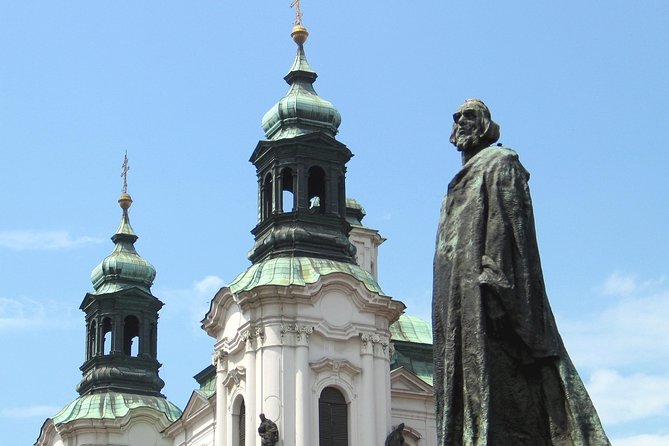
This isn’t a long, slow, museum-day tour. You’re buying a high-visibility route: a guided walk that drops you at a chain of meaningful places tied to Mozart’s four trips to Prague (the big idea is 1789 to 1791). The guide’s job is to keep the links straight, so you don’t just see old buildings—you see why they matter.
You should also know what kind of “Mozart story” this is. The itinerary blends Mozart sites with the Prague streetscape around them: churches, squares, theaters, and then the palace-and-institution side of town. That mix is great if you want to understand how Prague fit his life, not just memorize facts about a single composer.
You can also read our reviews of more walking tours in Prague

Meeting point and the “move at walking speed” reality
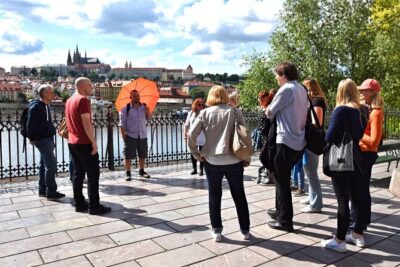
The tour starts at Revoluční 767/25, Staré Město at 1:30 pm, and it ends back at the same meeting point. That matters more than it sounds. With a route this full, returning to the start keeps you from having to “figure out transit home” at the end of your energy tank.
Expect a lot of short segments: walk a bit, stop, move to the next photo spot, then connect again. The schedule includes funicular travel to Petrin Tower and back, plus tram travel between some neighborhoods. If you’re the type who needs long pauses to read every plaque, you’ll want to mentally switch from “tour” mode to “great hits” mode.
Stop-by-stop: what each area adds to the Mozart story
Below is how the major parts of the route work, and what to watch for when you’re standing there.
St Nicholas Church: the early anchor in Lesser Town
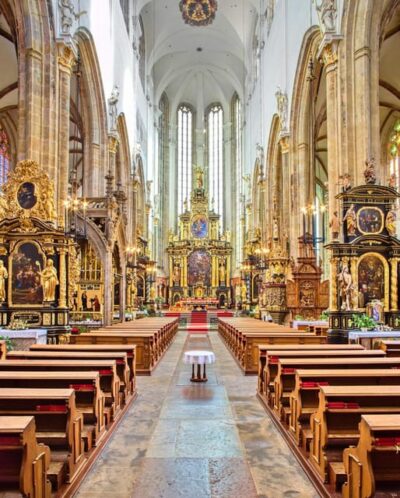
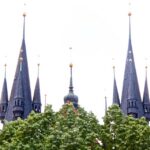
You begin at St Nicholas Church. The program gives you time to walk around outside and take in the church’s place in the Lesser Town area. This is one of the tour’s strongest Mozart links: it’s the stop associated with Mozart playing there.
Why this early stop is smart: it sets the tone. You’re not starting with a theater or a museum. You’re starting with a religious landmark, which helps explain how Mozart’s Prague connections weren’t only about performances—they were also tied to real venues in the city fabric.
Lesser Town streets: a neighborhood, not just a dot on a map
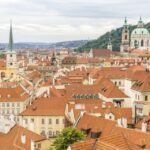
Next you spend time walking around in Lesser Town. This segment is short, but it’s useful because it puts you in the mood for the Old World scale of Prague. Lesser Town feels like a separate world from Old Town, even when it’s only a few tram stops away.
Potential drawback: because the time window is limited, you’ll likely get more orientation than deep detail. Still, the neighborhood context helps the later stops in Hradcany and the palace cluster land better.


Staroměstské náměstí (Old Town Square): the big city stage
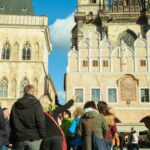
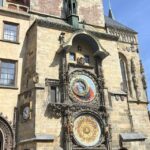
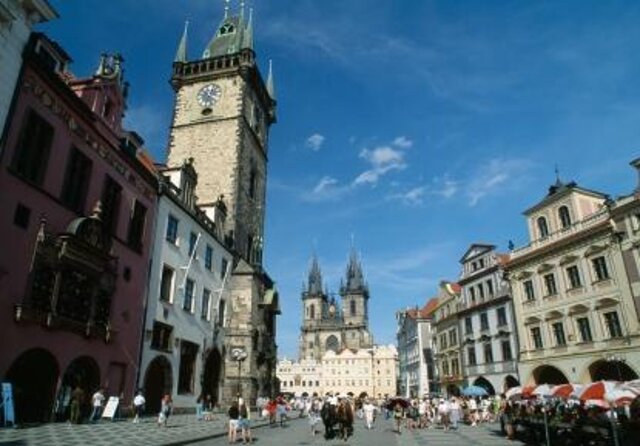
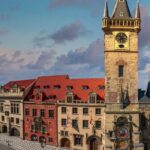
At Staroměstské náměstí, you get time to walk around. This square is the kind of place where you can sense why famous music gets tied to Prague at all: it’s public, central, and packed with visible history.
This stop is about where the city gathers, not just Mozart trivia. If you come hungry for atmosphere, you’ll appreciate it. If you’re only chasing Mozart’s personal timeline, you might want to listen for the guide’s specific tie-ins rather than assume every corner is a Mozart location.
Hradčany: castle-side views and a different Prague angle
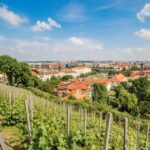
Then you head toward Hradčany (castle area). You’ll have a short walk-around window here, which is enough for quick viewpoints and a feel for the geography.
This is a nice reset after the busier square. Hradčany also gives your guide room to connect Prague’s power centers—churches, institutions, and performance spaces—to the kind of patrons Mozart would have encountered during his stays.
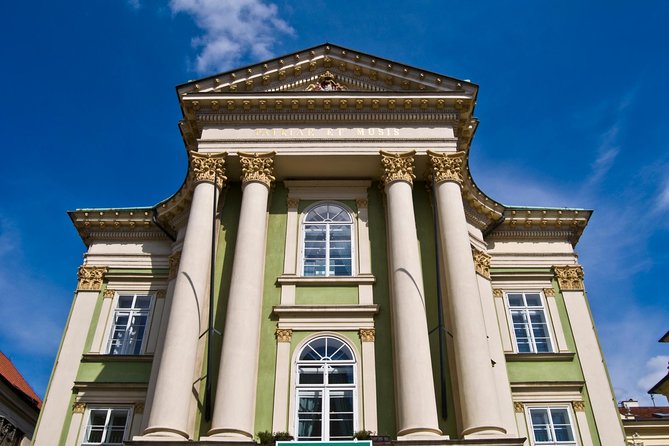
Theatre Des États: the Don Giovanni premiere connection
One of the most important stops is at Theatre Des États. This is where the tour highlights the premiere of Don Giovanni. Even if you’re not an opera superfan, this is the moment where the route stops being mostly “Mozart in general Prague” and becomes Mozart in Prague’s performance history.
Time is short, so focus on the guide’s explanation of what this theater represents. If you’re the type who likes to connect music to place, this is likely the stop you’ll remember later.
Petrin Tower and the funicular ride: viewpoints that break the walking rhythm
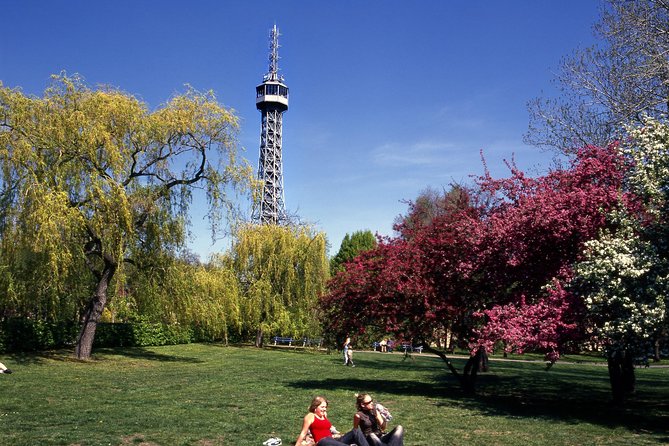
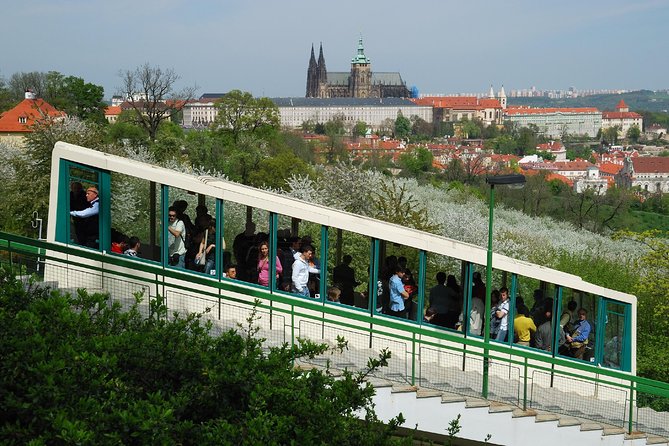
You then travel to Petrin Tower using the funicular. The funicular admission is included, and you get a time block to take it in.
This is where the tour gives you payoff. You get a change of pace after a stack of walking time, and you also see Prague from an angle that makes the city’s layout click. If you’re traveling in the warmer months, plan for sun and wear shoes that handle cobbles and stairs. If it’s chilly or rainy, you’ll be happy the schedule includes public transport rather than endless uphill walking.
Ceske Muzeum Hudby: the included museum break (and why it matters)
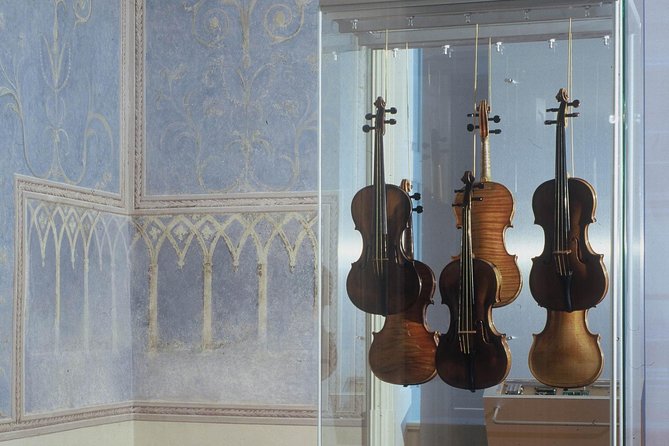
The tour’s interior visit is to Ceske Muzeum Hudby (Czech Museum of Music). Admission is included, and you’ll have about 45 minutes inside.
This stop is the best “value lever” on the whole route. Without it, you’d basically be scanning exteriors and listening to context. With the museum, you get a more direct music connection.
It also helps if you’re in the middle of the day. Prague walking can wear you down fast, so having an indoor block where your mind shifts from streets and facades to music artifacts makes the final stretch feel lighter.
Flea Market Prague: a quick dose of everyday Prague
After the museum, there’s a short walk-around at Flea Market Prague. This is a different flavor from the palaces and theaters. It’s an opportunity to see the city in a more everyday, less-grand setting.
This stop is brief on purpose. Don’t expect a full shopping session. Use it to take a breath, watch how people move through market life, and grab a snack only if you’ve got time and you’re set on it.
Clam-Gallas Palace and the palace sweep: exterior storytelling
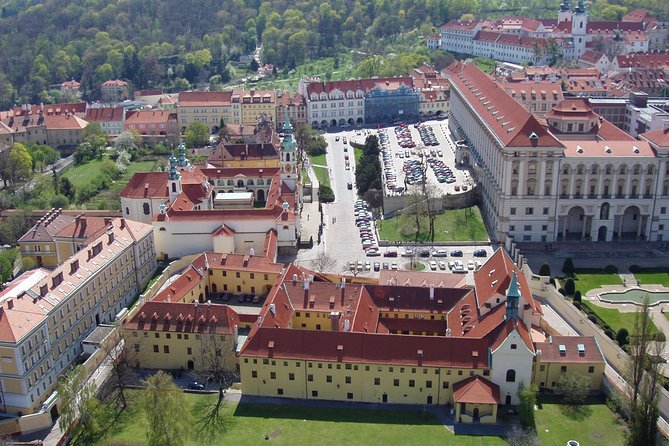
Next come several palace stops as quick walk-bys: Clam-Gallas Palace, then Pachtovský Palace, Thun Palace, and Liechtenstein Palace. Klementinum also appears in this later cluster.
These segments are short, and that’s the key to setting expectations. You’re not getting a full interiors-and-architecture tour. You’re getting place names with context, which can be great if your guide keeps the connections tight.
If your main goal is Mozart’s personal biography, you may feel the palace sweep as “extra.” But if you want the broader Prague setting—institutions, cultural power, and the elegant buildings that frame the musical world—this part gives the route its texture.
Funicular return to Petrin: the second ride that ties it together
At the end, you’ll ride the funicular to Petrin again (included). This is less about new sites and more about wrapping the experience with that same convenient transit tool.
Because your tour ends back at the meeting point, the funicular segment helps keep you on schedule without turning the last hour into a transport scramble.
How to handle the pace and still get your money’s worth
The most common tension on tours like this is timing. You’ll be on your feet and moving between stops, and not every location gets long enough for deep reading. That’s not a flaw if you plan for it, but it can be disappointing if you show up expecting a slow Mozart lecture.
Here’s how I’d approach it:
- Take photos during the walk time, not only at the exact stop. The guide may keep the group moving, and you’ll get better results by grabbing quick angles on the move.
- Ask one pointed Mozart question early. The stronger guides can link Mozart to the city, and that makes the rest of the route feel more satisfying.
- If you’re a music-first traveler, pair the museum visit with a specific focus. Even with limited time, you can leave with one or two “music brain” moments instead of trying to absorb everything.
Price and value: is $45.96 fair for this route?
At $45.96 per person, this is priced like a focused guided experience with built-in entry and transit value. The ticket includes admission to the Czech Museum of Music and funicular costs.
If you were to do this on your own, you’d likely spend your money on a mix of museum entry, local transit, and either a guide or your own research time. Here, you’re paying for time-saving navigation plus someone to connect the sites into a narrative.
Where you might question value: if you already know Mozart’s Prague history well and you expected mostly Mozart biography and musical analysis, the tour’s Prague-heavy context may feel like less payoff per minute. But if you’re new to the subject or you just want a smart way to see a lot of meaningful places in one afternoon, the included museum stop and the funicular ride make the price feel more justified.
Who should book this Mozart footsteps tour?
I’d point you here if:
- You want an afternoon route that covers Old Town, Lesser Town, and the castle-side area without planning a whole day.
- You like music tied to real places, especially when it includes an actual museum visit.
- You travel in a way that values efficient sightseeing: short stops, then transit, then another meaningful stop.
I’d hesitate if:
- You need a long, slow pace with lots of time inside landmarks.
- You want only Mozart, only performance details, and nothing else. This tour includes plenty of Prague context to set the scene.
If you do book, come with one goal. Example: learn why Don Giovanni is linked to this theater, or understand what the St Nicholas Church connection is about. With a goal, the whole route clicks better.
Should you book? My practical verdict
Book this tour if you want a guided Mozart route that actually takes you to music-related places, not just a photo walk. The standout value pieces are the Czech Museum of Music admission and the funicular ride to Petrin, which turn the afternoon into something more than street corners.
Skip it or consider a different style of tour if your expectation is a deeply musical, heavily detailed Mozart lecture. This one is more about connecting Mozart to Prague’s key spaces, in real neighborhoods, on a real transit route.
FAQ
How long is the Prague Walking Tour Following in Mozart’s Footsteps?
The tour is about 3 hours long (approximately).
How much does the tour cost?
It costs $45.96 per person.
What’s included in the price?
The price includes a professional guide, admission to the Czech Museum of Music, and funicular travel.
Where does the tour start and where does it end?
It starts at Revoluční 767/25, Staré Město, 110 00 Praha-Praha 1, Czechia, and it ends back at the same meeting point.
Is this tour mostly walking or does it use transit?
It combines walking and tram travel, and it also includes funicular travel to and from the Petrin area.
Do I need to bring a mask or gloves?
The tour info says clients must have covered noses and mouths (mask or scarf) and gloves may be needed in some cases.