REVIEW · PRAGUE
Prague: Tyn Church Classical Music Concert
Book on GetYourGuide →Operated by ClassicsInternational · Bookable on GetYourGuide
Prague sounds great in a room like this. The Church of Our Lady before Týn turns a 70-minute program into a real experience, not just background music. I especially love hearing big-name works like Vivaldi and Beethoven in such a recognizable Prague landmark, and I like the star soloists, including soprano Anda-Louise Bogza. One watch-out: the soprano may show signs of fatigue in performance, so if you’re looking for peak stage energy the whole time, keep your expectations realistic.
You get a smooth mix of soaring arias, famous choral writing, and instrumental showpieces, all performed by musicians tied to the Prague Philharmonic sound. One of the best parts is how the building’s acoustics help the details land clearly. It’s also a shorter outing, so it fits easily into a day of Old Town walking.
In This Review
- Key highlights you’ll care about
- Týn Church in Old Town Square: your concert stage
- The performers: Prague Philharmonic strings and three featured soloists
- Soprano Anda-Louise Bogza
- Organist Aleš Bárta
- Violin soloist Vlastimil Kobrle
- The 70-minute flow: how the program plays out
- Vivaldi to Bach: energy, then sacred glow
- Beethoven’s Fifth: one big, famous “engine”
- Schubert’s Ave Maria and Bach’s Jesu: the quiet center
- Smetana’s Vltava: the Prague connection
- Handel and Mozart: vocal beauty and formal elegance
- Mozart’s Requiem: the emotional close
- Why this concert feels like real value at around $36
- Timing and what to do with the rest of your day
- Who should book this concert, and who might skip it
- Should you book Prague: Týn Church Classical Music Concert?
- FAQ
- Where does the concert take place?
- How long is the concert?
- How much is the ticket?
- Who performs in the concert?
- What music is included in the program?
- Are unaccompanied minors allowed?
- Can I cancel or use pay later?
Key highlights you’ll care about
- Týn Church in Old Town Square: historic setting with strong acoustics
- Prague Philharmonic strings on stage plus three high-profile soloists
- Anda-Louise Bogza bringing big-opera experience to the vocal spotlight
- Aleš Bárta on organ, especially known for Bach recordings
- A smart, crowd-pleasing program mixing Baroque, Classical, Romantic, and Czech favorites
Týn Church in Old Town Square: your concert stage
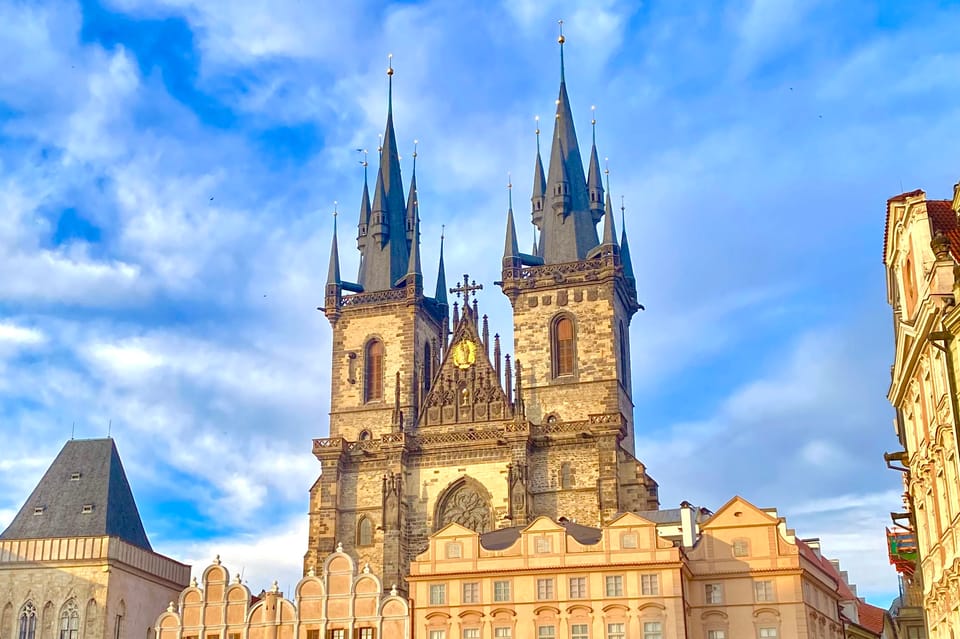
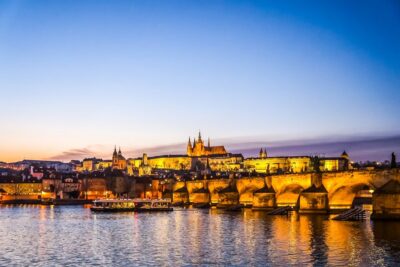
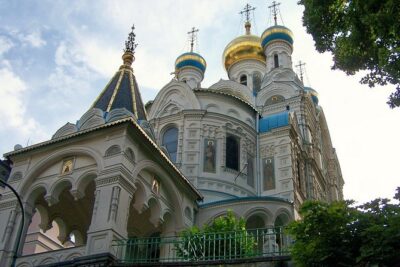
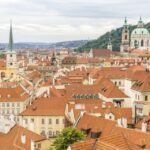
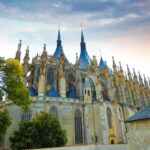
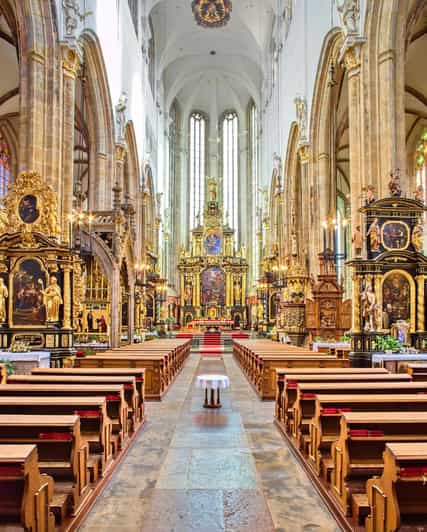
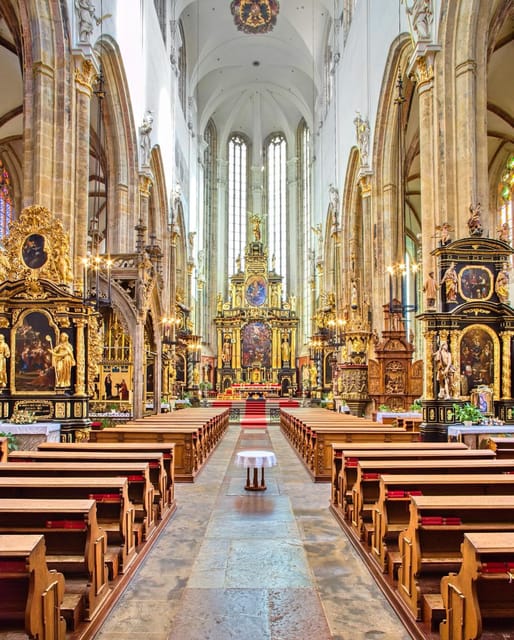
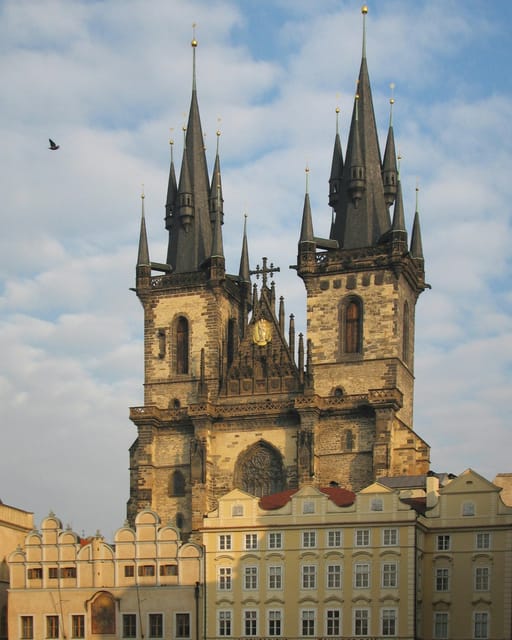
This concert takes place at the Church of Our Lady before Týn, one of the most recognizable churches in Prague’s Old Town Square area. The location matters because you can treat the evening as two things at once: a cultural stop and a musical one. Even before the first note, the church gives you that Prague “wow” factor—twisting spires, stone facades, and the feeling that the city has been doing art here for centuries.
What makes the venue especially worth your ticket is how the space carries sound. In practical terms, that means you don’t have to strain to catch the lines of a soprano or the clarity of string textures. In my opinion, this is the kind of concert where you can sit back, stop scanning the room, and actually listen.
One more small advantage: this isn’t a massive arena show. You’ll likely have an easier time settling into the moment and taking in the building. That matters because it’s a 70-minute set, and you want the full time to feel focused, not chaotic.
You can also read our reviews of more tours and experiences in Prague
The performers: Prague Philharmonic strings and three featured soloists
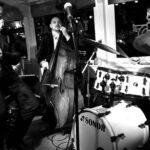
The musical backbone is provided by the strings section linked to the Prague Philharmonic Orchestra. That’s a big deal for value. You’re not just buying “a recital with a nice singer”—you’re buying a properly classical, orchestra-rooted performance that can handle everything from rhythmic drive to lyrical phrasing.
Then the concert adds three soloists who each bring a very specific kind of credibility:
Soprano Anda-Louise Bogza
Anda-Louise Bogza is a soprano associated with the National Theatre in Prague and known for roles at major opera houses. That kind of background shows up in how she shapes long lines and handles expressive contrast, especially in sacred and operatic-style writing. One thing to note from performance experience you might encounter: the soprano may look a bit tired at times. If you’re the sort of listener who clocks facial energy, that could slightly affect the vibe. The trade-off is that you’re hearing a major voice with real opera training behind it.
Organist Aleš Bárta
Aleš Bárta is a world-famous organist, and his reputation is strongly tied to Bach recordings. That matters because organ playing isn’t just about playing notes—it’s about articulation, phrasing, and how the instrument “speaks” in a church. When you hear organ lines in a setting like Týn Church, you get that blend of architecture and music that turns a solo into a moment.
Violin soloist Vlastimil Kobrle
Vlastimil Kobrle is among the most acclaimed Czech violinists and serves as concertmaster of the Symphony Orchestra of Czech Radio. This is the type of musician who tends to make a violin solo feel both technically secure and musically communicative. If you like violin writing that sits right between lyrical and showpiece, you’re in for a treat here.


The 70-minute flow: how the program plays out
The concert runs for about 70 minutes. That short format is part of the charm. You get a satisfying arc without needing a whole evening commitment, and it also makes the pacing feel tight—important in a live space where sound and attention both matter.
Here’s the program, in the order you’ll hear it:
- A. Vivaldi: The Four Seasons – Spring & Summer
- J. S. Bach: Magnificat
- L. van Beethoven: Symphony No. 5 (Allegro)
- F. Schubert: Ave Maria
- J. S. Bach: Jesu, Joy of Man’s Desiring
- B. Smetana: The Moldau (Vltava)
- G. F. Händel: Ombra mai fu from Xerxes
- W. A. Mozart: Divertimento in D Major
- J. Pachelbel: Canon and Gigue in D Major
- W. A. Mozart: Requiem – Lacrimosa
Even if you don’t know all the pieces, you’ll recognize the types of moments each composer brings. Baroque often gives you crisp lines and rhythmic clarity. Classical brings clarity and structure. Romantic and Czech works add color and emotional storytelling.
Vivaldi to Bach: energy, then sacred glow
Starting with Vivaldi’s Four Seasons (Spring and Summer) is a smart move because it wakes up the room. The string writing is colorful and direct, and the rhythm has forward motion that keeps you listening.
Then you shift into Bach’s Magnificat. This is where the church setting pays off. Bach’s writing tends to benefit from space and resonance, and you’ll likely hear how phrasing and harmonic movement land more clearly in the stone acoustics of the venue.
Beethoven’s Fifth: one big, famous “engine”
Beethoven’s Symphony No. 5 (the Allegro part) brings instant recognition. Even people who think they do not know classical music often know the feeling of this music: drive, momentum, and that sense of inevitability. In a shorter concert like this, dropping in a strong chunk of Beethoven works as a reset button for attention.
Schubert’s Ave Maria and Bach’s Jesu: the quiet center
Schubert’s Ave Maria is a calm, intimate pivot—softening the emotional temperature. Then Bach’s Jesu, Joy of Man’s Desiring leans toward luminous stillness. These pieces are ideal in a church like this because you get to hear how vocal and instrumental lines can float rather than fight the space.
Smetana’s Vltava: the Prague connection
When the program reaches Smetana’s The Moldau (Vltava), the concert shifts into a distinctly Czech mood. This is the moment where Prague listeners often feel extra “at home,” and visitors can feel the local flavor. It’s the kind of music that helps you connect the city you’re standing in with a composer’s musical imagination.
Handel and Mozart: vocal beauty and formal elegance
Handel’s Ombra mai fu from Xerxes gives you a taste of vocal elegance—lyrical, controlled, and unusually famous for such a simple premise. Then Mozart’s Divertimento in D Major brings lightness and clean structure, and Pachelbel’s Canon and Gigue follows with that repeated, grounding pattern that feels almost like a gentle musical walk.
Mozart’s Requiem: the emotional close
The program ends with Mozart’s Requiem, specifically Lacrimosa. This last piece is the classic “final curtain” type of ending: reflective and heavy in a good way. If you like concerts that leave you with something to think about for the walk back, this ending does the job.
Why this concert feels like real value at around $36
At about $36 per person, you’re paying for three things that often cost more separately: a strong venue, reputable performers, and a program built from major masterworks. In Prague, ticket prices can swing wildly depending on whether you’re watching something in a big theater or in a church setting. Here, the price-to-experience ratio makes sense because you’re getting both the atmosphere and the musical credentials.
Also, the program includes crowd favorites and major composers rather than only obscure works. That’s not a knock on serious music—it’s just practical. If you’re on a vacation and you want your time to feel productive, you’ll usually enjoy a program that gives you quick access points to the sound world.
The printed program included is also a small win. When you have the names in front of you, it’s easier to follow the emotional shifts—especially when you bounce between sacred works and secular favorites.
Timing and what to do with the rest of your day
Concerts like this work best when you plan your day around two simple goals: arrive early enough to settle, and schedule a calm stroll afterward. Since the music is about 70 minutes, you can pair it with an Old Town morning or early afternoon without making your day feel like it’s running on a timer.
A practical approach:
- Go earlier to take in the church area and get your bearings.
- Keep your expectations realistic: it’s a performance of masterworks, not a theme park show.
- Afterward, walk away at a slower pace. Lacrimosa and the quieter Bach moments can make the city feel different for a while.
If you’re visiting Prague for the first time, this concert is also a way to experience the city culturally without needing to hunt down opera or a full-blown symphony ticket.
Who should book this concert, and who might skip it
I think this is a great choice if you:
- love classical music (or want to test the waters with familiar anchors)
- appreciate strong vocal and instrumental soloists
- want a Prague cultural moment that feels local, not generic
- like performances in historic venues with clear acoustics
You might skip it if:
- you’re mainly looking for a long, full-orchestra symphony experience
- you dislike vocal performances that might show signs of tiredness during a particular showing
- you prefer very contemporary music or experimental programming
Should you book Prague: Týn Church Classical Music Concert?
Yes, I’d book it for most people who like classical music and want something straightforward in Prague. The biggest reason is the combo: major works, a respected venue, and serious performers tied to major Prague musical institutions. If you’ve only got one short slot for a classical event, this is a smart use of that time.
If you’re on the fence, use this simple decision rule: if you’d be happy spending 70 minutes hearing Vivaldi, Bach, Beethoven, Mozart, and Czech composer Smetana in one setting, you’ll likely feel it was worth it. The program is designed to satisfy both your ears and your sense of occasion.
FAQ
Where does the concert take place?
It’s held at the Church of Our Lady before Týn in Prague, in the Old Town Square area.
How long is the concert?
The concert lasts about 70 minutes.
How much is the ticket?
The price is listed at $36 per person.
Who performs in the concert?
The event features musicians from the strings section of the Prague Philharmonic plus soloists including soprano Anda-Louise Bogza, organist Aleš Bárta, and violin soloist Vlastimil Kobrle.
What music is included in the program?
The program includes Vivaldi (The Four Seasons – Spring & Summer), Bach (Magnificat and Jesu, Joy of Man’s Desiring), Beethoven (Symphony No. 5 Allegro), Schubert (Ave Maria), Smetana (The Moldau/Vltava), Handel (Ombra mai fu), Mozart (Divertimento in D Major and Requiem – Lacrimosa), and Pachelbel (Canon and Gigue in D Major).
Are unaccompanied minors allowed?
No. Unaccompanied minors are not allowed.
Can I cancel or use pay later?
You can cancel up to 24 hours in advance for a full refund. You can also reserve now and pay later, meaning you can book your spot and pay nothing today.