REVIEW · PRAGUE
Prague Communism and World War II Walking Tour
Book on Viator →Operated by Fun in Prague, s.r.o. · Bookable on Viator
Streets here carry wartime secrets. This 2-hour walk through 20th-century Prague gives me a fast city orientation while your guide connects Nazi rule, Soviet power, and communist control to the exact places you pass.
One possible drawback: the route stays focused on the political story, so it can feel heavy and classroom-like if you were hoping for light sightseeing or lots of hands-on WWII sites. Still, it’s a strong tradeoff for clarity and context in just a short morning walk.
In This Review
- Quick hits before you go
- Why this Prague walk makes history click fast
- Setting out from Křižovnické náměstí: Old Town with a view
- How Stop 1 can feel uneven
- New Town lessons: from the Habsburg grip to Nazi occupation
- Why this stop is a great value
- Wenceslas Square through the decades: 1968 to 1989
- What to watch for on Wenceslas Square
- Guides matter here: personal stories make it stick
- How long is enough time for this walk?
- Price and what you’re really paying for
- Where this tour fits best in your Prague trip
- Should you book the Prague Communism and World War II Walking Tour?
- FAQ
- How long is the Prague Communism and World War II Walking Tour?
- Where does the tour start?
- What time does the tour begin?
- Is the tour offered in English?
- What is included in the price?
- Do I need a printed ticket?
- What’s the maximum group size?
- FAQ
- What if I want to cancel?
- Is the tour suitable for kids?
- Is there an admission fee for the stops?
- Will I pass major central landmarks?
- Can most travelers participate?
- When do I get confirmation?
- Where does the tour end?
Quick hits before you go
- Old Town Bridge Tower area start: you begin near Křižovnické náměstí and set off from the heart of historic Prague.
- Prague Castle panorama plus Stalin context: you get a view, then hear what stood nearby in Stalin-era Prague.
- Nazi Protectorate and Operation Anthropoid explained on the street: key WWII moments tied to the city’s own geography.
- Wenceslas Square stories across decades: Prague Spring, the 1969 self-immolations, and the road to the 1989 Velvet Revolution.
- Local, personal guide stories: some guides bring lived experience, like being a student demonstrator during 1989.
- Small-group feel possible: capped at 25, and it can even turn private when demand is low.
Why this Prague walk makes history click fast
This isn’t a museum day. It’s a street-day with a clear timeline, which is exactly why it works for me when time is short and Prague feels like it’s already moving at a sprint.
The big value is that the guide turns names and dates into geography. You’re not just hearing that Prague changed hands or that democracy was crushed. You’re standing in the city where those shifts left traces—political, architectural, and emotional.
I also like that the tour is topic-focused. You get Nazi occupation, the communist takeover, Soviet influence, and the long run toward 1989. You leave with a mental map of how these events connect, instead of a list of disconnected facts.
You can also read our reviews of more walking tours in Prague
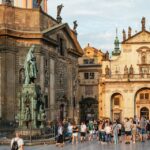

Setting out from Křižovnické náměstí: Old Town with a view
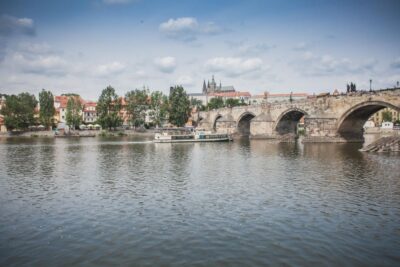
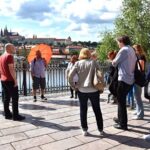
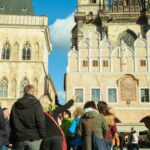
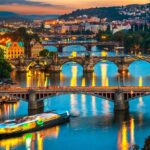
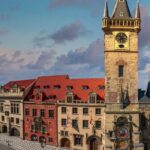
Most mornings start with coffee and crowds. This one starts in the Old Town zone near Křižovnické náměstí, close to the Old Town Bridge Tower. The advantage is simple: you’re in central Prague, but you can still avoid getting swallowed by the densest tourist clusters.
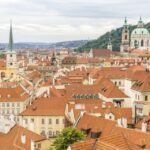
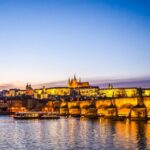
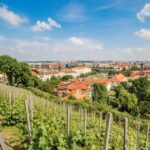
The first stop is short—about 15 minutes—but it’s a strong opener. You’ll get a panoramic look toward Prague Castle, which matters because the Castle is repeatedly referenced as the proud seat of Czech rulers and presidents. It’s one of those landmarks that makes the whole city feel like it has a spine.
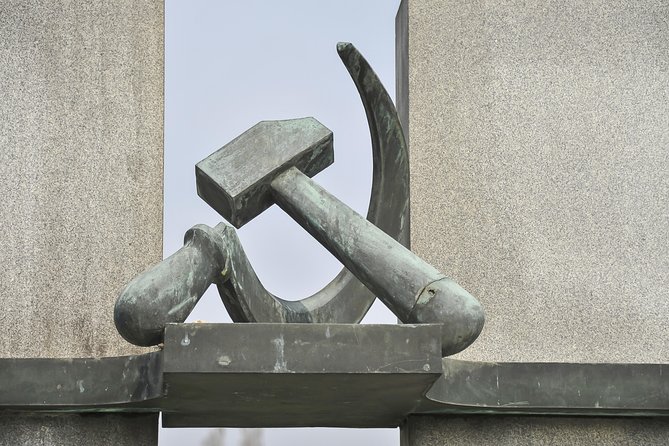
Then the guide drops in a startling historical contrast: not far from that view, there once stood the largest statue of Joseph Stalin in the world. That kind of detail does two things at once. It shocks you into paying attention, and it instantly frames the tour’s theme: Prague didn’t just experience 20th-century history. It visibly displayed it.
If you’re the type who likes your facts anchored to a place, this opening works.
How Stop 1 can feel uneven
Because it’s only about 15 minutes, you won’t get deep museum-level detail here. You’ll get orientation and a headline thread to pull on later. If you prefer slower pacing right out of the gate, you may feel a little rushed through this first phase.
New Town lessons: from the Habsburg grip to Nazi occupation
After the Old Town start, the walk moves into Nové Město (New Town), and the tone shifts from symbolism to structure. This segment is about 30 minutes, and it’s where the guide lays out the political arc in plain language.
You’ll hear how the Czech nation moved from Austrian monarchy control toward an independent democratic Czechoslovakia. The tour also emphasizes something specific and helpful: after 1933, this democratic system lasted longer than many other democracies in Eastern and Central Europe. That gives context for why WWII was so catastrophic here.
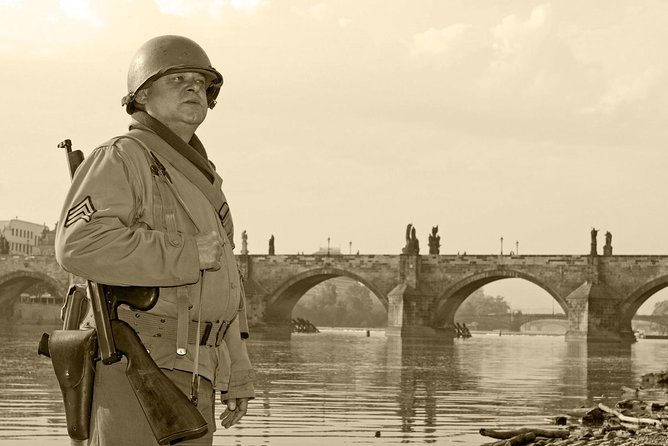
Then comes the WWII part, focused on the Nazi “Protectorate of Bohemia and Moravia” and the suffering under that occupation. The guide also explains Operation Anthropoid, highlighted as the only successful assassination of a senior Nazi leader during World War II. Even if you already know the broad story, this stop is useful because it connects the operation to Prague’s own wartime atmosphere rather than treating it like a distant headline.
Why this stop is a great value
At this price point, you’re not buying entry fees. You’re paying for someone to connect dots quickly. The Nové Město segment does that by showing how the city’s political identity was squeezed and then re-scripted.
It also transitions neatly into the communist era, talking about how the USSR’s influence and the communist regime’s methods transformed the formerly democratic state into a dictatorship. The tour doesn’t soften the message, either: it presents a world where human life mattered less under the system that followed.

Wenceslas Square through the decades: 1968 to 1989
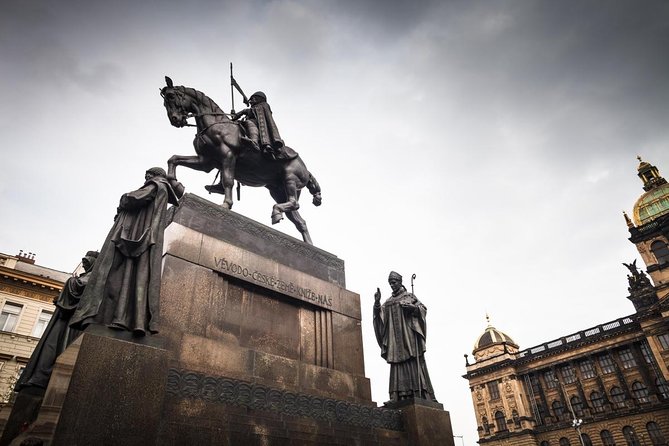
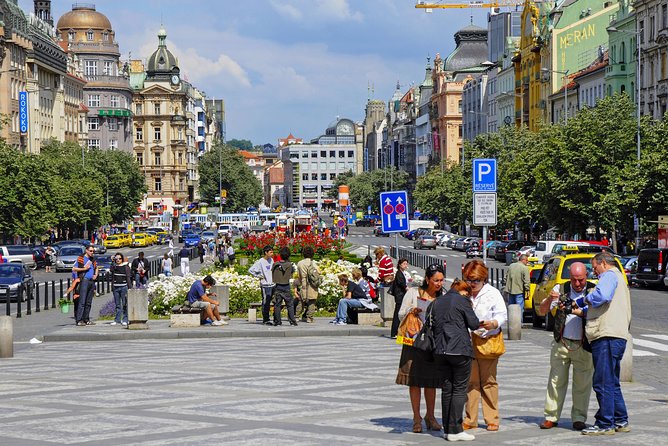
The longest and most dramatic segment is around Václavské náměstí (Wenceslas Square), roughly an hour.
This part is built like a time-lapse. You start with the euphoria of Prague Spring, then you immediately snap to the reality check: Soviet tanks invading Prague in 1968, including the detail that shots hit the National Museum building on Wenceslas Square.
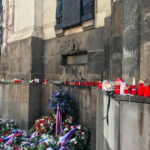
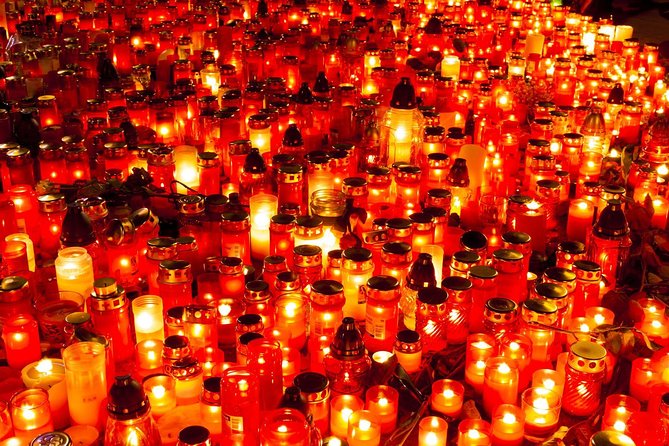
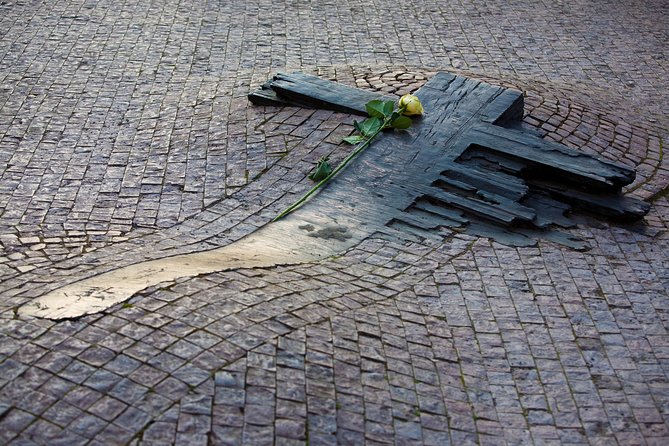
Then the guide moves to a different kind of courage. In 1969, the square became a place of memory for young students who burned themselves alive to push for national unity against a common enemy. The tour frames it not as abstract tragedy, but as something that shaped how people later understood resistance.
After that, the guide walks you through how the 1970s and 1980s showed up in everyday life—and how that slow pressure helped lead to the Velvet Revolution of 1989, described as the ultimate victory of democracy after more than 40 years of communism.
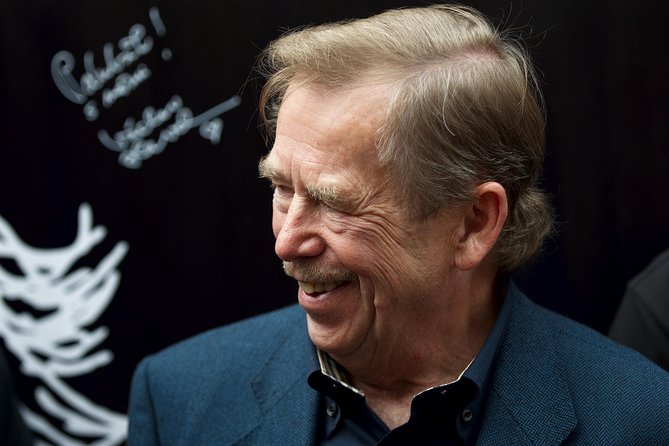
You’ll also hear names and scenes: Václav Havel, courageous students, brutal police forces, and clashes tied to Národní třída. The story ends with something people often forget to plan for: a few humorous and obscure moments from the early days after freedom returned. That helps you exhale.
What to watch for on Wenceslas Square
This isn’t a stop where you want to check your phone. The area holds multiple layers at once, and the guide is using that density to explain cause and effect across decades.
If you’re sensitive to intense topics, pace yourself. You can also ask the guide to focus on how daily life changed, since that’s a key theme of the tour and often the easiest way to process the heavier parts.
Guides matter here: personal stories make it stick
A walking tour lives or dies on the person leading it. This one has a strong reputation for guides who go beyond textbook summaries.
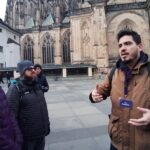
The names that come up most in the tour experience you provided include Tomas, Martin, Maria, Dominick, and Zdenek. What I find especially compelling is the personal angle some of these guides bring. One guide, for example, shared a first-hand account as a student demonstrator during the Velvet Revolution. Another connected the era to childhood routines under communism, including atomic drills in primary school.
Even when guides don’t go super-personal, they seem to use their own Czech perspective to explain what the city felt like in daily life, not just what happened politically.
There’s also a practical benefit: guides like this are often willing to answer questions on the fly. That’s why the tour can stretch beyond the stated timing when you’re engaged and they still have time to talk.
How long is enough time for this walk?
The plan is about 2 hours total, with stop timing roughly 15 minutes, then 30 minutes, then 1 hour. In practice, it can run longer if the group clicks and people keep asking questions. One experience even ran past the two-hour mark when the guide had availability.
Here’s how I’d think about it as you plan your day:
- You’ll leave with a strong framework, even if you only have a single morning.
- If you have museum plans afterward, give yourself enough buffer, because you’ll likely want time to think and then retouch details with a map in hand.
- Wear comfortable shoes. You’re walking across central Prague while carrying a lot of serious context.
Price and what you’re really paying for
At $30.12 per person for about two hours, this is priced like an efficient history experience—not a big-asset museum ticket.
What you’re getting is simple:
- a professional guide
- no food included
- no extra admission tickets at the stops (listed as free per segment)
- a route that focuses on WWII and communist-era storylines with a clear beginning-to-end arc
So the best way to judge value is not the cost of the tour, but the cost of understanding. A good guide can save you hours of reading and cross-checking. Here, you’re buying that clarity, plus the convenience of a central meeting point.
And since the tour is offered in English, you’re not spending energy decoding language instead of history.
Where this tour fits best in your Prague trip
This tour is ideal if you fall into one of these buckets:
- You’re a history buff who wants the WWII-to-communism-to-1989 thread without getting lost in timelines.
- You want an orientation walk that helps you recognize why certain buildings and squares matter.
- You’re traveling with someone who knows they’ll enjoy politics and personal stories, not just scenery.
It may be less ideal if you’re mainly chasing:
- lighter, casual sightseeing with minimal heavy content
- very hands-on WWII experiences like tunnels or underground hideouts (this walk stays oriented toward the street narrative)
Also, it’s capped at 25 travelers, which usually keeps the pace manageable. In some cases it can feel even more intimate, which makes Q&A easier.
Should you book the Prague Communism and World War II Walking Tour?
Yes—if you want your Prague history in the most efficient format possible.
I’d book it if you like your tours chronological, grounded in real places, and guided by someone who can explain not just what happened, but what it felt like. The Old Town view, the Stalin-era shock detail, the WWII narrative around the Protectorate and Operation Anthropoid, and the emotional weight of Wenceslas Square all combine into a tour that makes the 20th century legible.
Skip it or pair it thoughtfully if you want mostly uplifting sightseeing or you specifically want deep-dive, site-heavy WWII detours. In that case, you’d likely want a different add-on later. But for a single morning that teaches you how modern Prague was shaped, this walk is a strong, very on-target choice.
FAQ
How long is the Prague Communism and World War II Walking Tour?
It’s about 2 hours total.
Where does the tour start?
It starts at Křižovnické náměstí, 110 00 Praha 1-Staré Město, Czechia.
What time does the tour begin?
The start time listed is 10:00 am.
Is the tour offered in English?
Yes, the tour is offered in English.
What is included in the price?
A professional guide is included. Food and drinks are not included.
Do I need a printed ticket?
You’ll receive a mobile ticket.
What’s the maximum group size?
The tour has a maximum of 25 travelers.
FAQ
What if I want to cancel?
You can cancel for a full refund if you cancel up to 24 hours in advance of the experience start time.
Is the tour suitable for kids?
Children must be accompanied by an adult.
Is there an admission fee for the stops?
The stops are listed as admission ticket free.
Will I pass major central landmarks?
Yes. The route includes viewpoints and key central areas such as the Old Town bridge area and Wenceslas Square.
Can most travelers participate?
Most travelers can participate, with the note that you should plan for walking.
When do I get confirmation?
You receive confirmation at the time of booking.
Where does the tour end?
It ends in Prague city centre.