REVIEW · PRAGUE
Prague: Communism and Bunker Tour with 70s Canteen Lunch
Book on GetYourGuide →Operated by Prague Extravaganza Tours · Bookable on GetYourGuide
Prague under communism hits different. This tour turns major turning points—1948 to the Velvet Revolution—into a guided walk with a 1950s nuclear bunker and a real 1970s-style workers’ canteen stop. I especially like the way the guide keeps the story clear and human, and I also like that you get a tangible souvenir at the end: an authentic communist-era pin.
One thing to consider: the bunker is underground, so it’s not suitable for people with claustrophobia. If you’re even slightly uneasy in tight spaces, this may not be your best Prague add-on.
In This Review
- Key points to know before you go
- Prague Communism Tour Basics: What You’re Actually Signing Up For
- Starting at Powder Tower and Using the City as a Classroom
- Old Town and New Town Walk: 1948, Prague Spring, Velvet Revolution
- The 70s Canteen Break: Lunch or Kofola in a Workers’ Setting
- Inside the 1950s Nuclear Bunker: Atmosphere, Fear, and Answers
- Price and Value: When $33 Makes Sense
- How the Guide Shapes the Experience (and Why Small Groups Matter)
- What to Wear, What to Bring, and How to Prepare
- Should You Book This Prague Communism and Bunker Tour?
- FAQ
- What is the duration of the Prague communism tour?
- Where does the tour start?
- Where does the tour end?
- What do I see on the walking part?
- Do I get lunch included?
- Is Kofola included?
- Is the nuclear bunker ticket included?
- How big are the groups?
- Is the tour suitable for claustrophobia?
- Does the tour run in bad weather?
Key points to know before you go
- Powder Tower start near Republic Square: You kick off at Náměstí Republiky, easy to reach and easy to orient around.
- Two route options: Do the 2-hour walking focus or choose the 4-hour experience with bunker time.
- Old Town + New Town timeline: You cover the Communist coup, the Prague Spring, and 1989’s Velvet Revolution as you walk.
- Retro canteen break (optional): On the longer tour, you can stop for lunch or Kofola in a 1970s workers’ canteen setting.
- Guided bunker tour inside a real Cold War site: Entry is included for the 4-hour option, plus a hands-on feel in the space.
- Small groups: Limited to 15 people, which usually means more questions and better back-and-forth.
Prague Communism Tour Basics: What You’re Actually Signing Up For
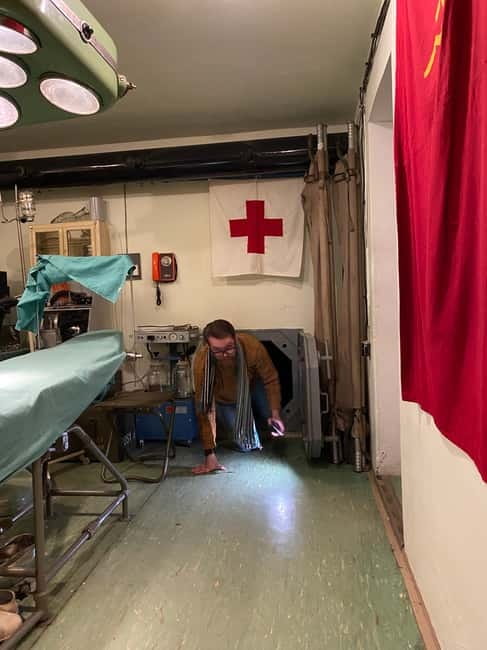
This is a guided Prague tour built around one big idea: don’t just memorize dates—see how power, fear, and everyday life shaped the city. You’ll walk through central Prague with a local guide, then (if you choose the longer option) step into a Cold War nuclear bunker from the 1950s. The story is anchored to recognizable places in Old Town and New Town, so it feels grounded, not abstract.
You also get the rare combo of history plus atmosphere. The bunker adds that physical sense of how people imagined survival. And the 70s canteen stop (with lunch or Kofola available) shifts the mood back to ordinary life—how a working-class day might have looked and sounded.
You’ll need to pick which version fits your time. The 2-hour option is the walking history. The 4-hour option adds a timed break for the retro canteen and includes the bunker entry and guided tour.
You can also read our reviews of more tours and experiences in Prague

Starting at Powder Tower and Using the City as a Classroom
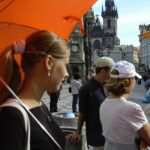
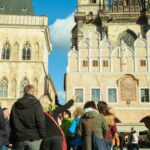
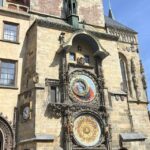
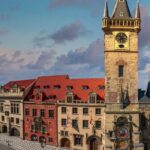
The tour begins at the Powder Tower at Náměstí Republiky (Republic Square). Look for guides holding a blue umbrella—this is one of those details that saves you time and stress. Meeting at a central landmark also makes it easier to add the tour to the rest of your day in Prague without complicated transfers.
From there, you’re walking, and the guide uses the streets for context. Instead of lecturing from one spot, you get short guided segments timed with the historical timeline. That matters because Prague’s layout helps you visualize how different neighborhoods and civic centers played roles under different regimes.
You’ll finish in the same central area (the itinerary lists the end at Jalta Boutique Hotel). Either way, you’re not getting deposited far away—plan for a day that keeps you in the heart of the city.
Old Town and New Town Walk: 1948, Prague Spring, Velvet Revolution
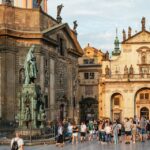
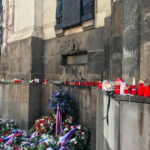
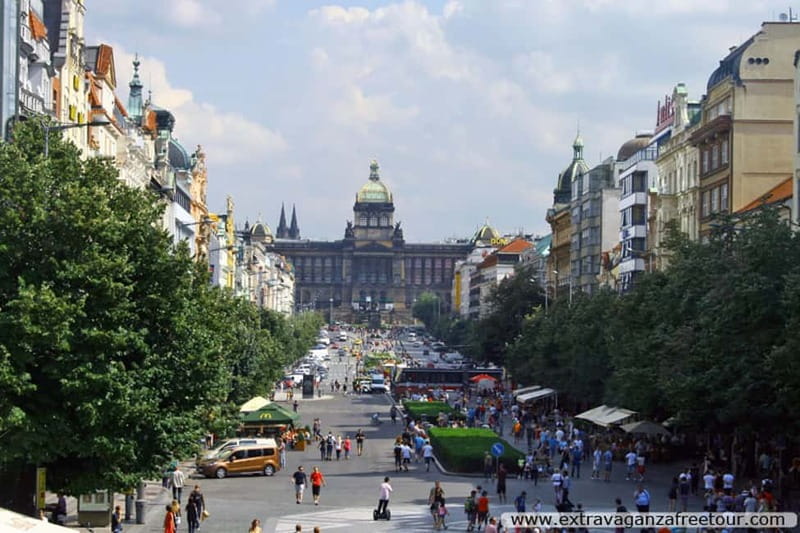
On the route, you’ll get about two guided hours of walking: roughly one hour in Old Town and one hour in New Town. The guide lays out key events in a clear historical timeline, including the 1948 Communist coup, the Prague Spring, and the Velvet Revolution of 1989.
Why this works for most people: the guide can connect the political story to what you can see around you right now. Prague isn’t a museum you can only view behind glass. It’s living city space, and that makes the “how did this happen?” question more real.
What you should expect from the pacing: plenty of story-building without getting buried in jargon. The guide is there to answer questions, and the group stays small (up to 15), so it’s easier to ask the stuff you actually care about—daily life, propaganda, authority, and what changed when the system shifted.
You’ll also see how the tour is designed for curious travelers, not only history buffs. It’s focused, guided, and built to be understandable even if this is your first time studying the region.
The 70s Canteen Break: Lunch or Kofola in a Workers’ Setting
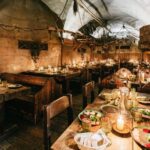
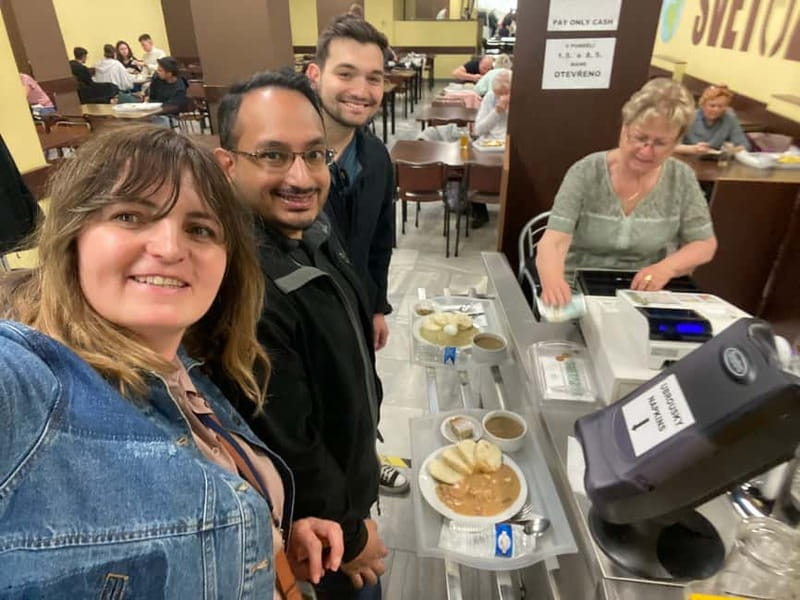
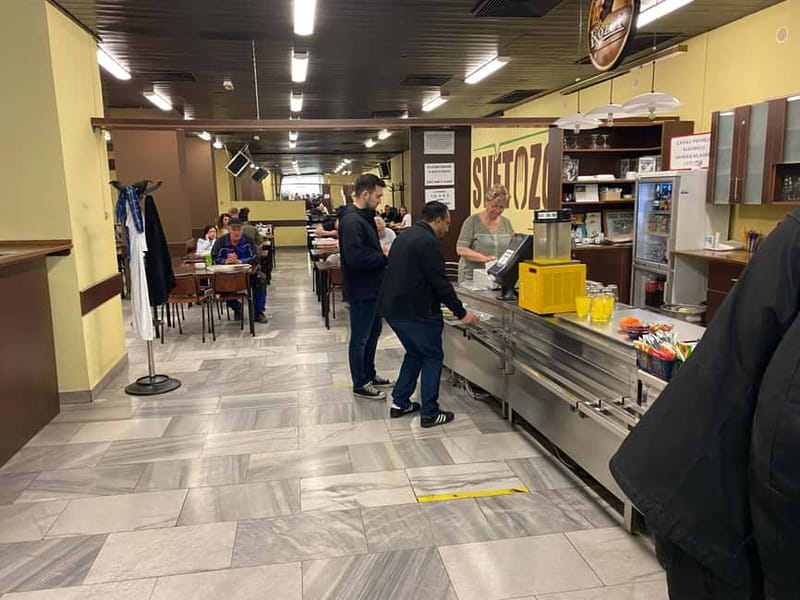
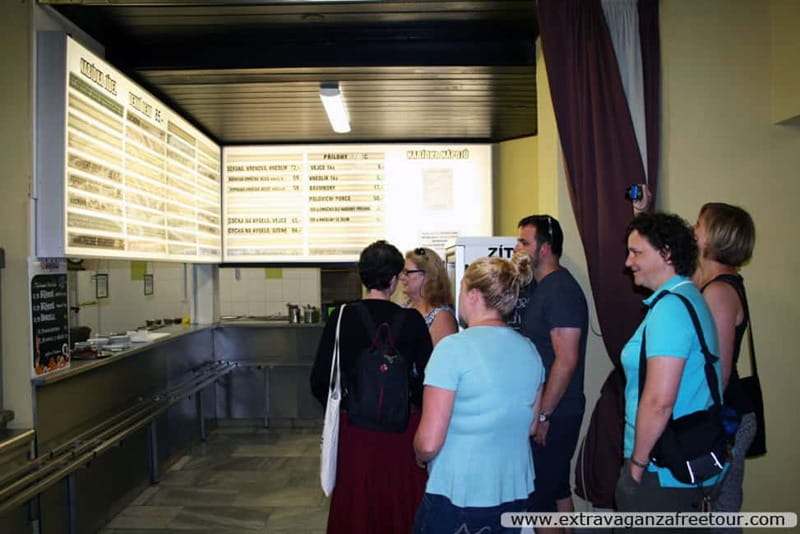
If you pick the longer 4-hour experience, you get a 30-minute break built in for the retro canteen. This is where the tour stops being only “what happened” and starts touching “what it felt like.”
In the canteen, you can choose lunch or go with Kofola, a classic Czech cola-style drink. The meal itself is at your own expense, so you’re not locked into a set menu. That’s a good setup if you want to try something local without paying tourist markup prices that don’t match the setting.
In terms of value, this stop is more than a snack break. It’s a change of pace that reinforces the theme: communism wasn’t only politics—it was routines, work culture, and everyday social life.
A practical note: you’ll have limited time for food on the longer tour. If you’re picky about what you want to order, I’d use that 30 minutes for a simpler plan—pick one main and move on. You’ll want energy for the bunker afterward.
Inside the 1950s Nuclear Bunker: Atmosphere, Fear, and Answers
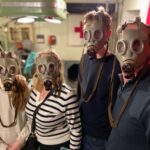
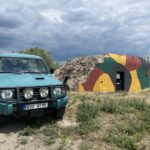
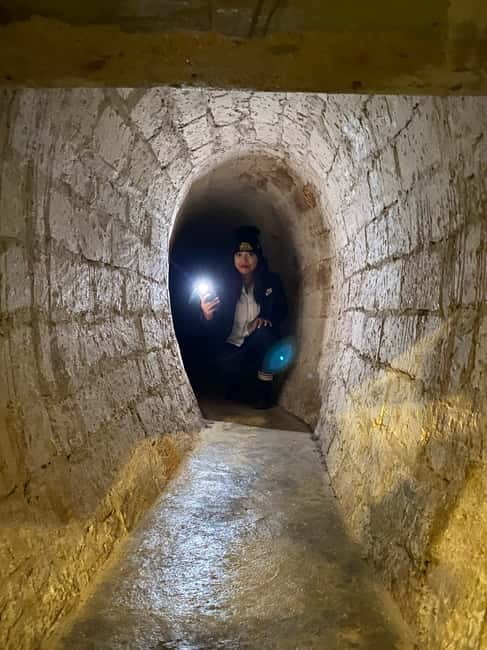
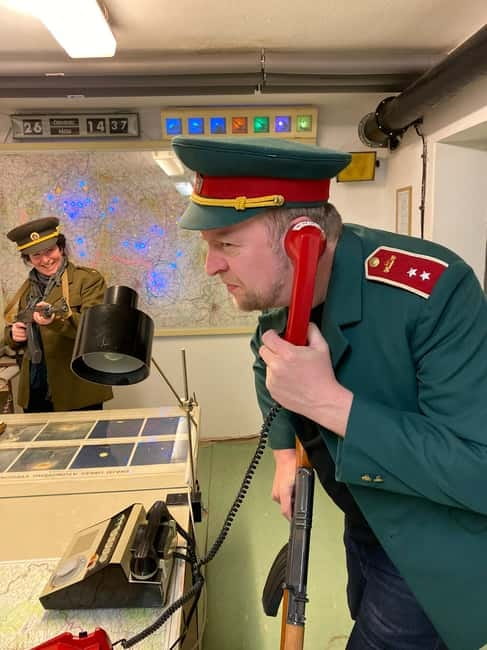
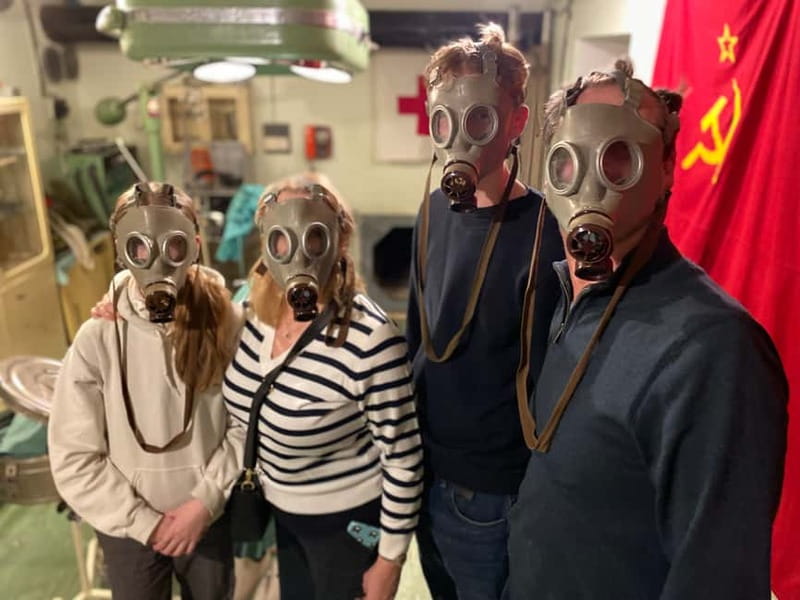
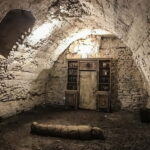
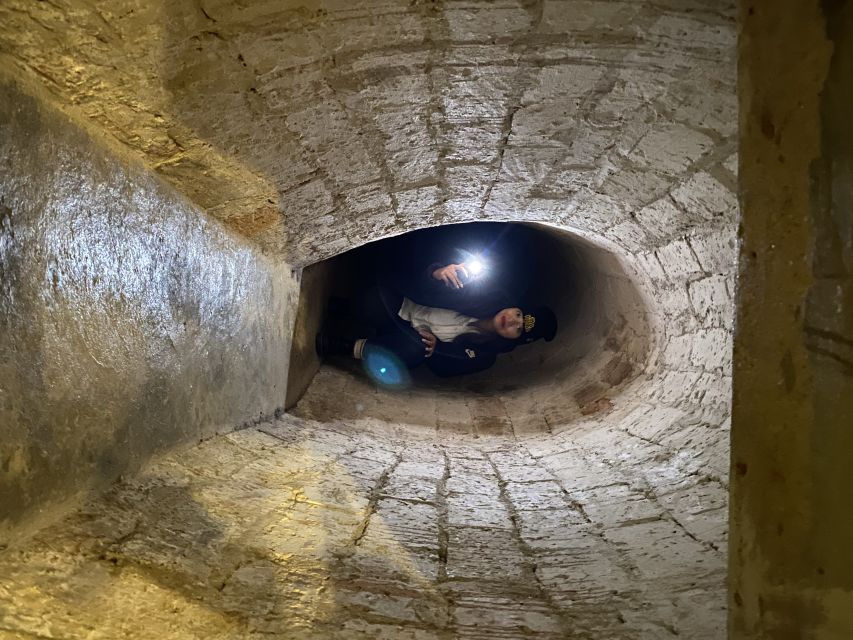
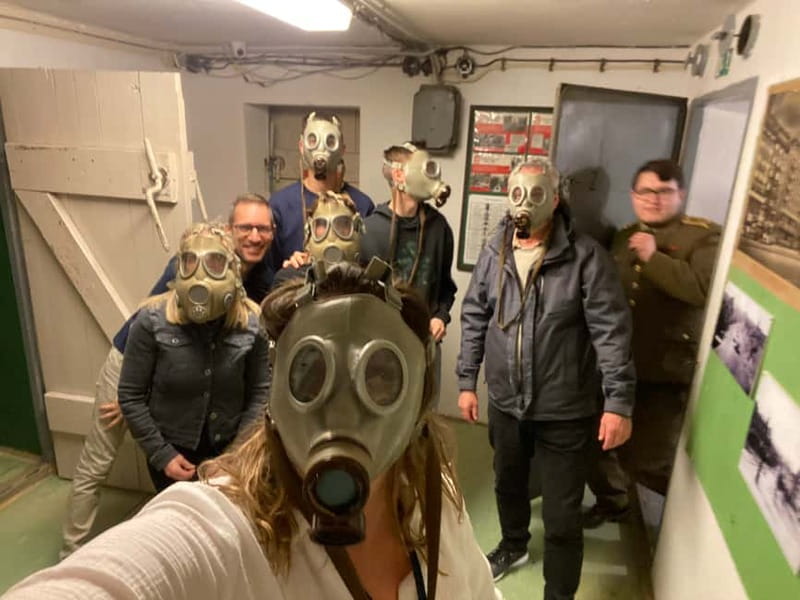
The bunker is the emotional core of the tour. You’ll step into an authentic Cold War-era nuclear bunker from the 1950s, designed to capture the fear and atmosphere of the era. For the 4-hour option, entry is included—the tour lists an entry value of 250 CZK / 10 EUR and says that fee is included in the experience price when you select this option.
This isn’t just a sightseeing “stand here and look.” The bunker tour is guided, and some experiences go a bit hands-on. In the past, guests have described fun details like being able to try period uniforms and play with the bunker’s interactive elements. That said, treat hands-on moments as a bonus, not something you should plan around like a guaranteed photo prop.
If you’re claustrophobic, again, skip it. Even with a guide’s pacing, you’re in a confined space. For everyone else, it’s one of those Prague experiences that gives you a physical understanding of Cold War thinking—why people built these spaces, and how the imagination of survival shaped behavior and policy.
Also keep your expectations realistic. You’re not touring a Hollywood bunker. You’re touring something built for a historical purpose, and that makes it feel more real than staged set pieces.

Price and Value: When $33 Makes Sense
The listed price is $33 per person, and the experience runs 2 to 4 hours depending on which option you choose. Here’s the value logic I’d use:
- You’re paying for a local expert guide, not just a ticket to a site.
- You’re also paying for the walking segments in central Prague, which are part storytelling and part route context.
- If you choose the longer option, you’re also getting bunker entry included (listed at 250 CZK / 10 EUR).
So the price is strongest when you pick the option that includes the bunker. If you only choose the 2-hour walking tour, you’re still getting a guided timeline across Old Town and New Town—but you’re skipping the bunker value.
One more detail that affects value: the group is limited to 15 people. Small groups can mean a more personal tour, more chance to ask questions, and better interaction with the guide’s explanations.
And since the tour runs rain or shine, it can also be a reliable use of your time on unpredictable Prague weather days. (You can’t always count on that with open-air plans.)
How the Guide Shapes the Experience (and Why Small Groups Matter)
The quality of this kind of tour lives or dies by the guide. The good part here is that the format supports personality and questions. You’re not stuck with one-way audio. The guide is there to keep the story accessible and answer what you ask.
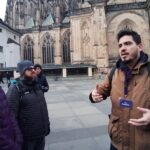
You’ll also see how local guides bring texture. Guides named Klara and Leo have been praised for being engaging, funny when appropriate, and strong at explaining complex events in a way that connects to real life. People also mentioned guides weaving in personal context and anecdotes, which helps the history feel less like a chapter summary and more like people living through it.
Another advantage: some guides use visuals to show how places changed over time. Even if you already know the basic political outline, the local comparisons can make you look at familiar streets differently afterward.
For you, the practical takeaway is simple: if you want this to be more than a walk-through, ask questions while you’re moving. The schedule moves, but the group size makes it realistic to get straight answers.
What to Wear, What to Bring, and How to Prepare
This is a walking tour plus a guided underground bunker visit. Plan for weather, because the tour runs rain or shine. That means you’ll be more comfortable if you bring rain protection and plan for potentially damp streets near the historic core.
Since the bunker isn’t suitable for claustrophobia, also consider how you handle confined spaces. If you tend to get anxious in tight places, don’t “tough it out” expecting it to feel different once you’re inside.
What to bring is basic: comfy walking shoes, water, and your usual device setup for photos. If photos matter to you, it helps to be mindful of the bunker’s environment, since not every space is equally photo-friendly.
And use the guide’s strengths. If you’re interested in how ordinary people navigated work life, shortages, or political pressure, ask directly. The tour’s structure is built around those kinds of questions.
Should You Book This Prague Communism and Bunker Tour?
I’d book it if you want a Prague tour that goes beyond monuments. This one combines a guided timeline across Old Town and New Town with a memorable, atmosphere-heavy 1950s nuclear bunker stop—and, for the longer option, a 1970s canteen break with lunch or Kofola.
Skip it (or at least think twice) if you’re uncomfortable in enclosed spaces. The bunker is a core part of the experience, not an optional sidebar. And if your goal is only surface-level “highlights,” the story-driven pacing may feel more meaningful than a fast photo tour.
If you can handle walking and you want real context for how Czechoslovakia moved from Communist rule to the Velvet Revolution era, this is a strong use of a half-day in Prague.
FAQ
What is the duration of the Prague communism tour?
You can choose between a 2-hour walking tour and a 4-hour tour that includes the bunker and the retro canteen break.
Where does the tour start?
It starts at the Powder Tower at Náměstí Republiky (Republic Square). Guides hold a blue umbrella.
Where does the tour end?
The itinerary lists the finish at Jalta Boutique Hotel.
What do I see on the walking part?
You’ll cover Prague’s Cold War and Communist timeline with guided stops in Old Town and New Town, including the 1948 Communist coup, the Prague Spring, and the Velvet Revolution of 1989.
Do I get lunch included?
On the longer tour, you have a 30-minute break where lunch is available in a retro 1970s-style workers’ canteen, but the food cost is at your own expense.
Is Kofola included?
Kofola is available during the canteen break on the longer tour; the tour information says you can try Kofola there, but it does not state it is automatically included without cost.
Is the nuclear bunker ticket included?
For the 4-hour option, the €10 entry fee (listed as 250 CZK / 10 EUR) for the 1950s nuclear bunker is included, along with a guided bunker tour.
How big are the groups?
Group size is limited to 15 people.
Is the tour suitable for claustrophobia?
No. It’s not suitable for people with claustrophobia due to the bunker.
Does the tour run in bad weather?
Yes, it runs rain or shine.