REVIEW · PRAGUE
Prague: 2-Hour Back to Communism Walking Tour
Book on GetYourGuide →Operated by Spectrum Tours · Bookable on GetYourGuide
Prague has stories that still hurt. This two-hour Back to Communism walk turns visible landmarks into a lesson on how the communist system worked, from ideology to everyday life. I love the local guide who survived that era, and I like how the tour connects big political events to what daily life felt like.
If you’re expecting a perfectly quiet, museum-style lecture every minute, plan for a human walking-tour pace and delivery that can vary by guide and conditions. At times, that means the flow can wobble slightly.
You’ll start with a short foundation in socialism and communism, then you’ll move through the Prague places tied to secret police power, party control, and the protests and revolutions that followed. It’s tightly timed, so it works best if you’re comfortable with learning on your feet.
In This Review
- Key Highlights Worth Planning For
- Why This Prague Tour Starts with Ideology, Then Goes Street-Level
- Meeting on Na Příkopě: How to Get There Without Stress
- Stop 1: Former Secret Communist Police Headquarters and the Feeling of Watchfulness
- Stop 2: The Stalin Statue Spot and the Power of Symbols
- Stop 3: The Communist Party Seats—Where Decision-Making Met Real Life
- Stop 4: Protests, Demonstrations, Revolutions, and Soviet Occupation
- The Best Part: How the Guide Balances Advantages and Disadvantages
- Price and Time: Is $50 for 1–2 Hours Good Value?
- Practical Matters That Affect Your Experience
- What Kind of Traveler This Tour Fits Best
- A Quick Note on Guide Delivery (What to Watch)
- Should You Book This Back to Communism Tour?
- FAQ
- How long is the Prague Back to Communism walking tour?
- Where does the tour start?
- What language is the tour offered in?
- Is the tour wheelchair accessible?
- What should I bring and what items are not allowed?
- Can I book a private group?
Key Highlights Worth Planning For
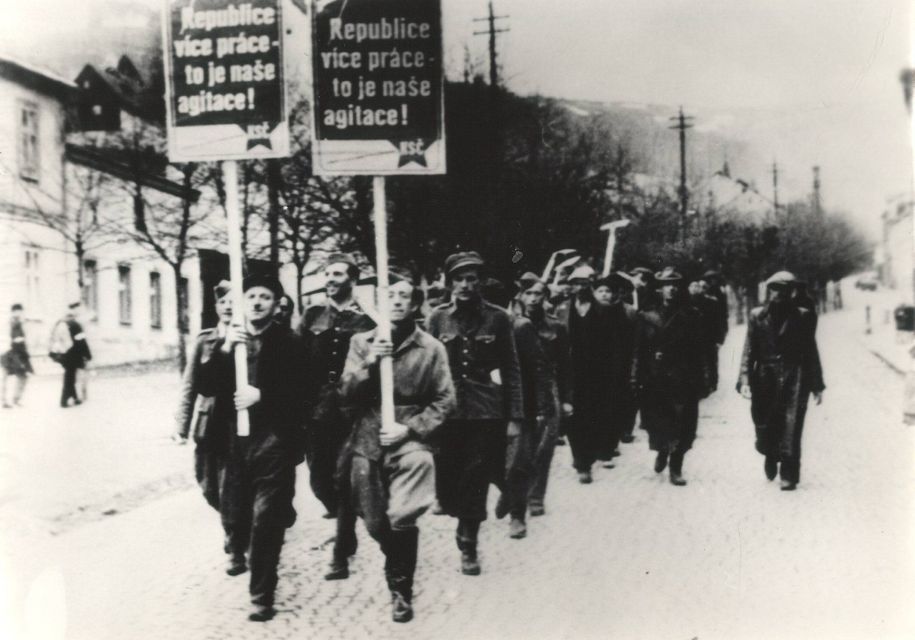
- A local guide with lived memory, not just textbook history
- A starter lesson on socialism and communism theory, before the streets get political
- Former secret police headquarters and power-symbol sites you can actually stand beside
- Spots tied to the Communist party and Soviet occupation, with context for what changed
- Stories about both pros and cons of Soviet-style life, with room for questions
Why This Prague Tour Starts with Ideology, Then Goes Street-Level
Most history tours in Prague stay stuck on one thing: dates, names, and monuments. This one does the opposite first. You get an intro that lays out what socialism and communism are, how they rose in the 19th century, and how those ideas spread across Central and Eastern Europe. Then the guide ties that theory to the practical reality you’ll see outside.
That structure matters. It helps you avoid treating the communist era like a single scary chapter that just happened to Prague. Instead, you start to understand the system as a set of goals, tools, and enforcement methods—so when you reach places tied to surveillance and state control, you’ll know what you’re looking at.
And you’re not limited to slogans. The tour is built around discussion. If you ask why certain policies happened, or how people adapted, your guide should be ready to explain.
You can also read our reviews of more walking tours in Prague

Meeting on Na Příkopě: How to Get There Without Stress
This tour uses one of two starting points on Na Příkopě: Na Příkopě 28 or Na Příkopě 864. The exact meeting point can vary depending on what you book, so don’t assume it’s the first address you see.
The practical tip: give yourself a few extra minutes to confirm you’ve found the right spot. Because once you start walking, it’s hard to catch up if you’re running late. Also, you’ll want to travel light: large bags and luggage aren’t allowed, and you should bring a passport or ID card.
Stop 1: Former Secret Communist Police Headquarters and the Feeling of Watchfulness
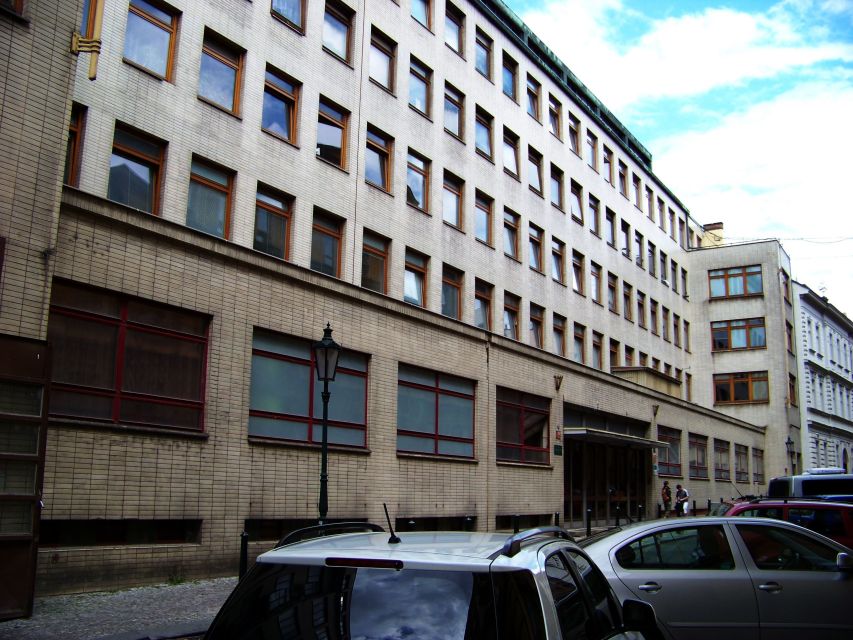
One of the biggest draws is the chance to see sites tied to the former secret communist police headquarters. On a map, that kind of building can look like any other old structure. On the street, it hits differently—because the guide frames it as an engine of control, not just a dramatic historical setting.
Here’s why this stop is valuable: it turns abstract fear into something concrete. You learn how the state built enforcement and surveillance into everyday life, and you’ll hear how it shaped what people said, what they dared to do, and what they kept private. That’s not just “bad stuff happened.” It’s how the system worked day to day.
You’ll also get context about the personalities and milestones behind the era. Even if you already know the headline events, the guide’s lived-in perspective helps you connect the dots between ideology and intimidation.
Stop 2: The Stalin Statue Spot and the Power of Symbols
No communism-themed walk in Prague is complete without the lingering shadow of Stalin. You’ll see the former spot of the Stalin statue, and the guide uses it to talk about how leaders were elevated and how political messaging was staged in public space.
A statue sounds simple. It isn’t. This is one of those places where propaganda becomes physical. The guide’s job here is to show you the logic behind it—why Soviet-aligned leadership wanted visible proof of authority, and what it meant for people living under that system.
Even if you’re not the type to study political iconography, this stop helps you read the city more carefully. You start spotting which spaces were designed to reassure supporters, intimidate opponents, and project permanence.
Stop 3: The Communist Party Seats—Where Decision-Making Met Real Life
Another key stop area is tied to the Communist party: both the current and former seat. That’s important, because it shows continuity and change. The guide can point out how power shifted over time, but how certain structures and influence stayed in the background longer than you’d expect.
This is where the tour can feel most practical. You’ll learn not only what the party did at the top, but how those decisions filtered down. The talk often includes what everyday life looked like under the system—how people worked, what pressures existed, and what it meant to live with an ideology that claimed authority over more than politics.
If you enjoy political history, you’ll leave understanding the city as an administrative machine, not just a stage for revolutions.
You can also read our reviews of more tours and experiences in Prague


Stop 4: Protests, Demonstrations, Revolutions, and Soviet Occupation
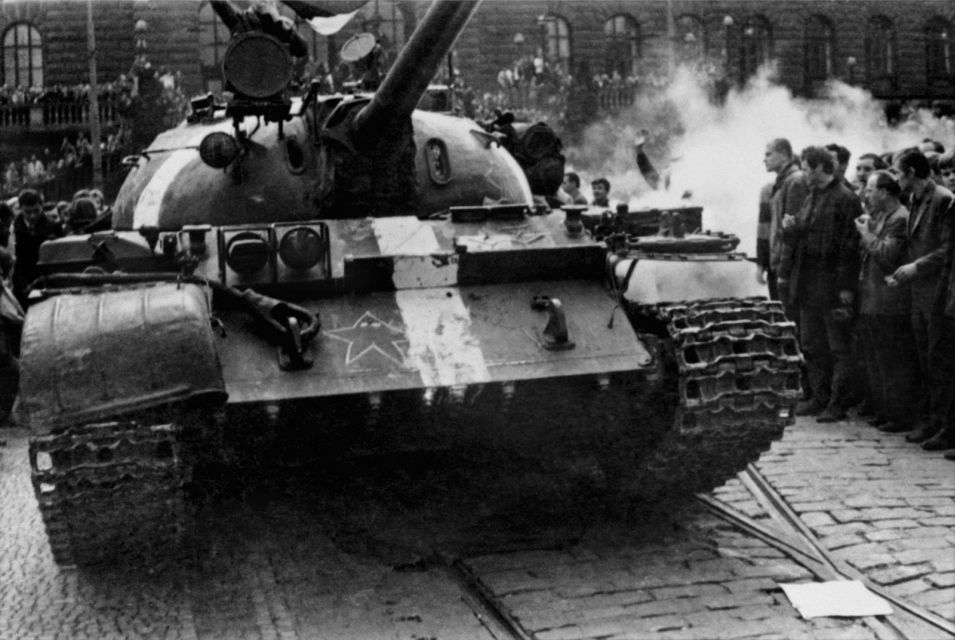
Prague isn’t short on dramatic political turning points, and this tour makes space for the places associated with protests, demonstrations, rebellions, revolutions, and Soviet occupation. The guide ties these sites to the shifting balance between public dissent and state response.
What I like about this part is that it doesn’t treat resistance as a single heroic moment. Instead, you get a sense of long pressure—hope, fear, and anger moving through neighborhoods and time. The tour language is grounded in reality: you’ll hear how tension built, how people talked about change, and how the occupation shaped daily conditions.
And yes, the guide notes that some areas still carry a depressed feeling even now. Whether you notice it in the first five minutes or only later, the idea is clear: history isn’t only in plaques. It’s in atmosphere, too.
The Best Part: How the Guide Balances Advantages and Disadvantages
This tour is not purely anti-communism storytelling. The guide discusses both advantages and disadvantages of Soviet-style life, and they should answer questions. That balance is part of the value, because it makes the history feel less like a lecture script and more like a real conversation between someone who lived through it and you.
Still, you’ll want to keep your expectations grounded. This is a focused walk, not a full academic course. The guide provides a frame for understanding, but you might walk away thinking of follow-up questions—especially if your interest goes beyond the Soviet orbit.
Price and Time: Is $50 for 1–2 Hours Good Value?
At $50 per person for about one to two hours, the value comes down to guide quality and your curiosity level. Since you’re paying for a living, local perspective plus a route through major power-related sites, the cost makes sense if you want more than surface explanations.
It’s also a good match for your schedule. Prague can be busy, and a short walking tour like this lets you add serious context without losing an entire day. If you’re the kind of traveler who likes to understand a city’s “why” as you go, the time investment is efficient.
Where the price can feel less worth it: if you mainly want a broad overview of communism worldwide. This tour is focused on Prague and the Soviet-era influence you can trace through specific places.
Practical Matters That Affect Your Experience
A few details can shape how smooth your tour feels:
- You should expect a walking format with multiple stops, so comfortable shoes help.
- Large bags or luggage aren’t allowed, so plan to travel light.
- You’ll want your passport or ID card.
- The guide runs the tour in Czech, English, or German, so make sure you’re booked into the language you want.
Also, this is a walking discussion. If you want silence while learning, that’s not really the style. If you want to ask questions and connect theory to streets, you’ll likely enjoy it more.
What Kind of Traveler This Tour Fits Best
I think this tour is for you if you:
- want local, firsthand framing for communist-era Prague
- like walking tours that connect political decisions to real places
- are curious about what “everyday life under the system” meant
- don’t mind that the focus can skew toward the Soviet model
It may be less ideal if you’re looking for communism history that stretches far outside the Soviet influence angle. This route is built around Prague’s specific sites and what they represent.
A Quick Note on Guide Delivery (What to Watch)
Because this is a real human-led experience, delivery can vary. In at least one documented case, the guide needed to handle calls or chat during the tour, and that disrupted the flow of the presentation. I’d treat that as a reminder: walking tours are living experiences, and focus matters.
You can’t control that entirely, but you can arrive ready: show up on time, ask your questions early, and don’t hesitate to adjust your expectations if the guide has to deal with distractions.
Should You Book This Back to Communism Tour?
My take: book it if you want Prague’s communist story tied to specific places and explained by someone with lived memory. The route through secret police power sites, party seats, and protest/revolution locations gives you a structure that’s hard to recreate alone.
Skip it if you want a long, university-style treatment or a worldwide communism survey. This is a focused walk. It’s short. It’s opinionated in the sense that it’s human, but it aims to be balanced by covering pros and cons.
If you like learning while you walk—and you want your Prague history to feel grounded in real control, real fear, and real change—this is a smart way to spend your time.
FAQ
How long is the Prague Back to Communism walking tour?
It runs for about 1 to 2 hours.
Where does the tour start?
The meeting point can vary depending on your booking option, with two possible starting addresses on Na Příkopě: Na Příkopě 28 or Na Příkopě 864.
What language is the tour offered in?
The live guide can run the tour in Czech, English, or German.
Is the tour wheelchair accessible?
Yes, it is wheelchair accessible.
What should I bring and what items are not allowed?
Bring your passport or ID card. Luggage or large bags aren’t allowed.
Can I book a private group?
Yes, a private group option is available.