REVIEW · PRAGUE
Walking tour of Prague in French : Nové Město
Book on GetYourGuide →Operated by Prague Découverte · Bookable on GetYourGuide
Prague’s New Town feels planned, not accidental. This walking tour traces how Charles IV’s Nové Město (founded in 1348) shaped the city, then layers in centuries of architecture—Gothic, Baroque, Art Nouveau, and even Cubist—while you also get a proper stroll along the Vltava and the Archer’s Island area for standout river views. I particularly like the way the route is organized around the three “centralities” (markets and squares), so the history lands in your feet, not just in your head.
My other big plus is the photo-friendly pacing: you get short, guided stops at the emblematic corners, from major viewpoints to street-level details. One possible drawback: with 19 stops and mostly short segments, this is not the tour for slow wandering or long museum-style time. If you want to linger for 30–45 minutes at a single place, you’ll need extra free time on your own.
In This Review
- How this walk helps you understand Prague’s city plan
- Key things I’d prioritize on this tour
- Nové Město’s layout: why this district makes sense on foot
- Price and value: what $27 buys you in Prague time
- French guide style: how the pacing affects what you notice
- The walk, stop by stop: what each section is really for
- 1) Jindřišská věž: start with orientation in a busy city
- 2) Senovážné náměstí: one of the three planned market centers
- 3) Na Příkopě 864: the city’s forward motion along the main spine
- 4) Náměstí Republiky: a centerpiece for big-city scale
- 5) Ovocný trh: a market square feeling, even when it’s modern
- 6) Václavské nám. 826 and 7) Jungmann Square: the horses-and-identity axis
- 8) Franciscan Gardens: a breather before the big squares
- 9) David Černý sculpture (Kun): quick, iconic, and very Prague
- 10) Wenceslas Square: the big horses market moment
- 11) Sokolská 1595/62: small address, focused look
- 12) Na Rybníčku: another pocket of urban structure
- 13) Charles Square: the cattle market anchor
- 14) Resslova: where streets start telling a longer story
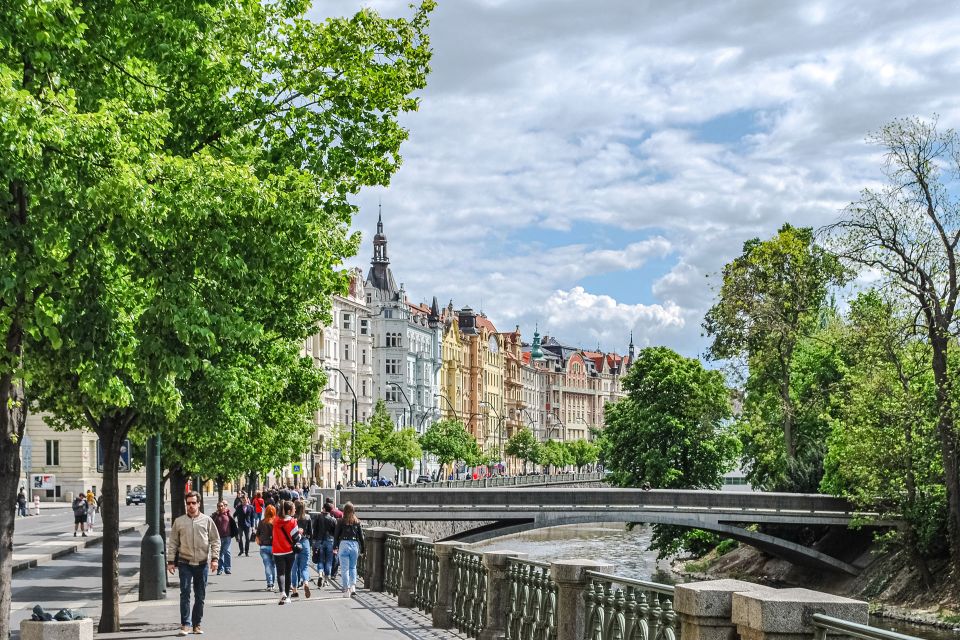
- 15) Masarykovo nábřeží: turning toward the riverfront
- 16) Prague National Theatre: culture as identity
- 17) Legion Bridge: quick views, big mood
- 18) Park Legií and the finish: the payoff at the end of the walk
- What you’ll see beyond the street: architecture periods made practical
- Photo strategy: how to get better Prague pictures in fewer minutes
- Who this tour is best for (and who should choose something else)
- Should you book Prague Découverte’s Nové Město French walk?
- FAQ
- What language is the tour in?
- How long is the tour?
- Where does the tour start?
- Where does the tour end?
- How much does it cost?
- What is included in the price?
- What is not included?
- Does the tour run in bad weather?
How this walk helps you understand Prague’s city plan
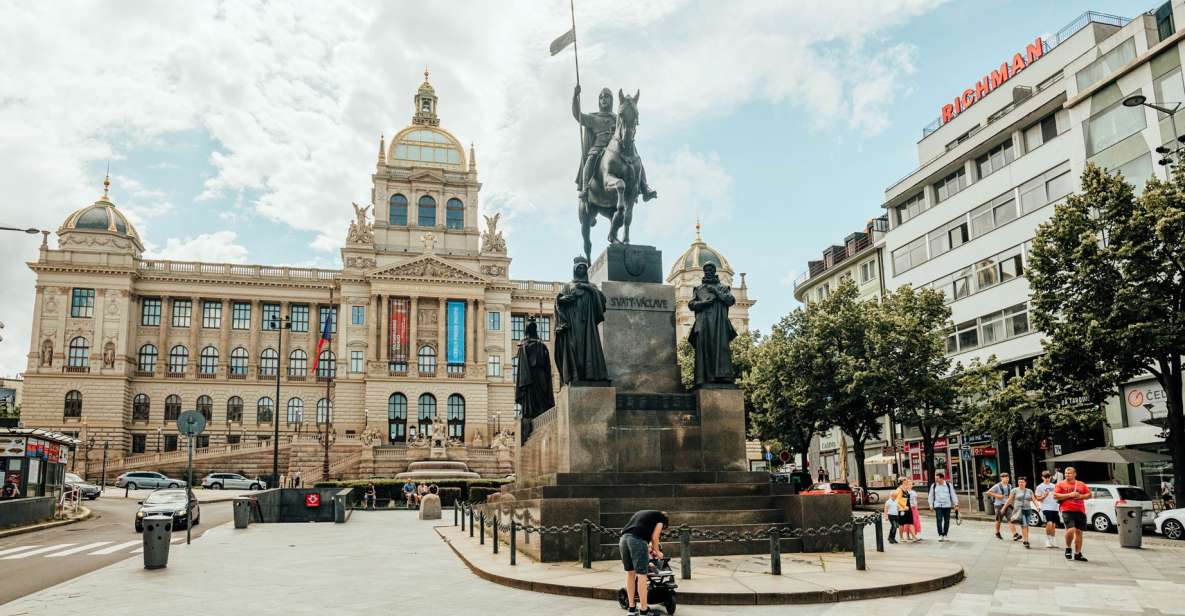
Nové Město is a great district to walk because it shows planning over time. You’ll hear how the area was designed around three market-based centers: the cattle market at Charles Square, the horses market at Wenceslas Square, and the hay market at Senovážné Square. You also connect those ideas to what you see today—large streets, grand facades, and the cultural weight of key landmarks like the National Museum and the National Theatre area nearby.
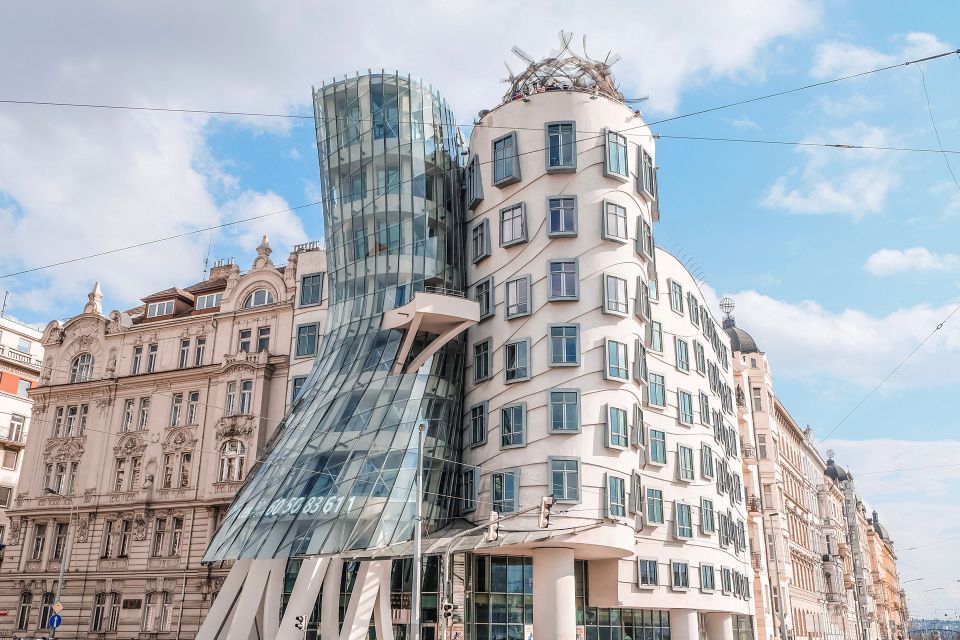
And yes, it’s also a city of style changes. Expect to spot and learn about famous-looking Prague facades and references tied to major movements, plus more recent stories like the Prague Spring, and contemporary architecture such as the The Dancing House (the house who danse). The guide keeps the story moving, so you can focus on what matters without getting lost in trivia.
Key things I’d prioritize on this tour
- Three-market logic: you learn Prague’s “why” by following cattle, horses, and hay market centers
- Architecture spotting: Gothic, Baroque, Art Nouveau, and Cubist themes show up along the route
- River and photo stops: quays of the Vltava and Archer’s Island viewpoints give you classic Prague angles
- Short guided segments: 5 to 15 minutes per stop keeps energy up, but limits deep time
- Licensed French guide: explanations are tied to Czech culture and city identity
- Flexible weather approach: rain, shine, or snow—so dress for walking
You can also read our reviews of more walking tours in Prague


Nové Město’s layout: why this district makes sense on foot
What makes this tour work is the structure. Nové Město isn’t just “more Prague.” It was realized by Charles IV in 1348, and the plan was built around distinct daily-life centers. That gives you a built-in way to remember the city: you’re not walking random monuments—you’re tracking how a planned district organizes movement.
I also like that the route connects old urbanism with modern Prague. The same walk can take you from medieval planning logic to landmarks that reflect Czech cultural identity and later historical turning points. You even get mentions of the Prague Spring, which helps explain why some buildings and cultural institutions matter beyond their looks.
If you’re someone who gets overwhelmed by too many monuments, this tour’s “district approach” is a smart antidote. You’re learning a system.
Price and value: what $27 buys you in Prague time
At $27 per person for about 2.5 hours in French, the value comes from density. In a short time window, you cover multiple squares and street corridors in Nové Město and connect them to architecture and Czech cultural identity. This isn’t a single-site ticket; it’s guidance that helps you interpret what you’re seeing as you walk.
You’re also paying for a licensed guide (Czech Ministry of Tourism) and a story that ties together centuries—Gothic through modern—and includes practical local addresses and stay advice. If you’re traveling without a lot of time to research, that built-in context can save you hours.
The only cost to think about: food and drinks are not included, and you’ll be walking, so plan a snack break after if your day is packed.
French guide style: how the pacing affects what you notice
This is a live walking tour in French, led by a licensed guide. The itinerary is built with short guided moments—often around 5 to 10 minutes, sometimes up to 15—so you get guidance without losing the rhythm of moving through the city.
That pacing is a strength for architecture lovers, because it forces you to look quickly and then move on. You’ll likely find yourself doing an informal checklist: type of building, period clues, and how the street frames it. Short stops also mean fewer “dead minutes,” especially if you’re traveling on a schedule.
If you’re the type who needs long explanations, you might feel rushed. But if you prefer a well-paced route that gives you direction, it’s a good match.
Weather-wise, you’re covered: the tour runs rain, shine or snow. So bring layers and shoes you’re comfortable with for a steady walk.
The walk, stop by stop: what each section is really for



1) Jindřišská věž: start with orientation in a busy city
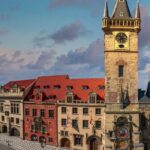
You meet in front of the entrance of Jindřišská Tower. This is a useful starting point because it gets you oriented quickly before the story expands into squares and street corridors. Think of it as your mental “map key,” before you’re asked to connect architecture styles and historical periods.
Practical tip: arrive a bit early so you’re not joining the group when you’re already winded. Starting relaxed helps you absorb the French explanations better.
2) Senovážné náměstí: one of the three planned market centers
Next is Senovážné náměstí. This stop matters because it anchors one of the district’s core ideas: the hay market centrality. Even if you don’t memorize dates, you’ll remember the logic—how market function shaped urban design.
Look at the square and imagine the flow of people and goods. The guide’s job is to help you translate today’s streets into medieval city life.
3) Na Příkopě 864: the city’s forward motion along the main spine
At Na Příkopě 864, the tour keeps moving through a key urban artery. This kind of stop is less about one single view and more about learning how streets connect centers. It helps you understand how Nové Město was designed to keep movement efficient.
A potential drawback here: if you’re focused only on taking photos, this might feel like a “passing” moment. Treat it as a transition section where the guide is setting context.
4) Náměstí Republiky: a centerpiece for big-city scale
You’ll spend about 15 minutes at Náměstí Republiky, which gives time to slow down just enough to recognize scale. This is the kind of square where the architecture around you makes more sense when you understand the district’s planned framework.
You’ll also hear about major architectural highlights that include styles like Baroque and Art Nouveau—plus well-known landmark references such as the Municipal House and the Powder Tower. Even if you’re not inside anything, you’ll learn what to look for on the outside.
5) Ovocný trh: a market square feeling, even when it’s modern
Then comes Ovocný trh. Market squares are where Prague feels most human, because they sit at the intersection of daily life and grand urban design. This stop works well if you enjoy observing how streets “perform” around commerce.
This is a good spot to slow your pace slightly and watch for architectural details you might otherwise miss.
6) Václavské nám. 826 and 7) Jungmann Square: the horses-and-identity axis
You’ll hit Václavské nám. 826 and then Jungmann Square, both guided for around 10 minutes each. These areas help you track the district’s second market centrality: the horses market at Wenceslas Square.
As the guide ties in culture and Czech identity, these stops make more sense than a straight monument march. You start to see why these corridors matter socially, not just visually.
8) Franciscan Gardens: a breather before the big squares
Franciscan Gardens is one of the more relaxing pauses, with about 10 minutes of guidance. Gardens act like a reset button on a walking tour, and they also help you notice contrasts: greenery and calmer space against Prague’s architectural intensity.
If you’re taking photos, this is often where you’ll get better light and less “street chaos” without leaving the context of the city.
9) David Černý sculpture (Kun): quick, iconic, and very Prague
Next is a stop for a David Černý sculpture, listed as Kun. This is a short visit (about 5 minutes), but it’s worth it because Černý’s work is modern Prague identity in a single image—bold, provocative, and instantly recognizable.
Even with little time, the guide can help you understand why contemporary art fits alongside older styles here.
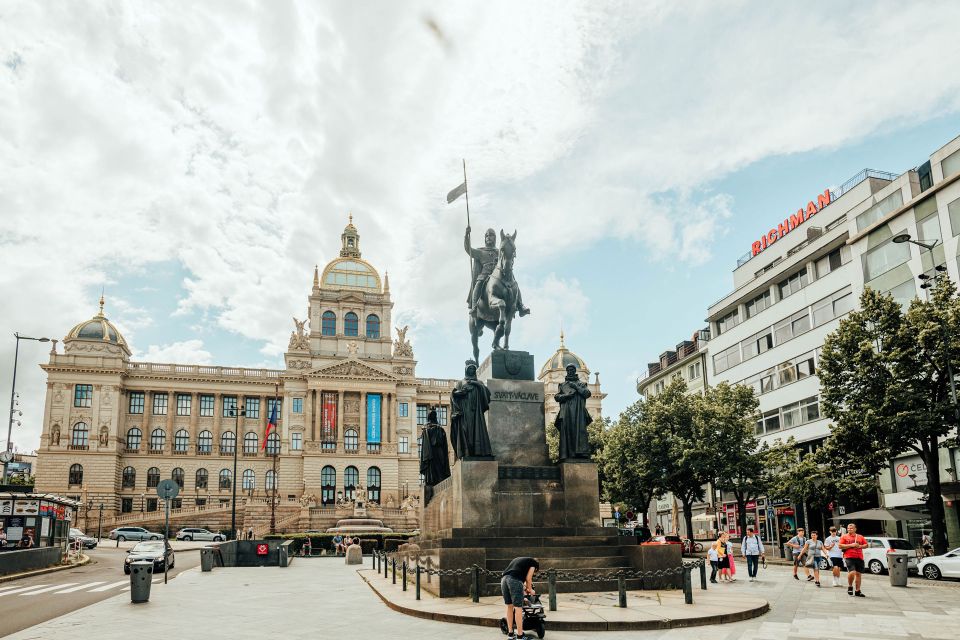
10) Wenceslas Square: the big horses market moment
Now you land at Wenceslas Square for about 10 minutes. This is the district’s horses market centrality made visible at full scale. The size of the space changes how you experience architecture: you view facades more like theatrical sets because the open square gives them room to dominate.
You’ll also hear about the emblematic sites and how styles shift through time. This stop is a key memory anchor for the whole tour’s “three centralities” idea.
11) Sokolská 1595/62: small address, focused look
A shorter guided stop at Sokolská 1595/62 (about 5 minutes) helps you catch street-level detail. These kinds of stops are easy to undervalue—until you realize they give you the “texture” of the district, not just the headline squares.
If you’re tempted to skip this mentally because it’s quick, don’t. These are often the moments where you learn what specific buildings or facades are actually communicating.
12) Na Rybníčku: another pocket of urban structure
At Na Rybníčku (about 5 minutes), the tour continues by linking smaller spaces back to the bigger plan. You’re learning how district design works at multiple scales: major squares, then smaller nodes that still help move people through the city.
13) Charles Square: the cattle market anchor
Charles Square is guided for about 10 minutes. This is the cattle market centrality, the third part of the original Nové Město framework. At this stage, you should be able to connect what the guide is explaining to what you’re seeing, even if you don’t remember every name.
It’s a good stop for photos that show both the square’s geometry and the surrounding facades.
14) Resslova: where streets start telling a longer story
Then you walk to Resslova for about 10 minutes. This segment adds depth: it’s less about a single landmark and more about how Prague’s streets carry the weight of history forward.
If you’re the type who likes architecture cross-checking, this stop is useful because it gives you time to compare periods and styles you noticed earlier.
15) Masarykovo nábřeží: turning toward the riverfront
At Masarykovo nábřeží, the guide helps you pivot toward the Vltava experience. This short stop (about 5 minutes) sets you up for what’s next: Prague from the waterline up.
If you’ve been staring at streets and squares, this shift is refreshing. It’s also practical—riverfront sections usually make better photo backdrops.
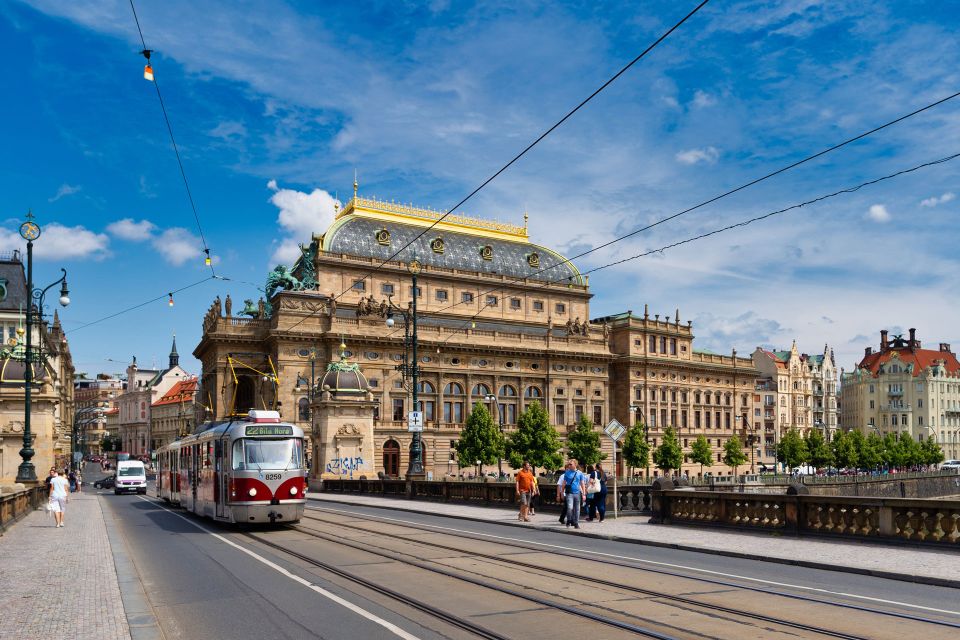
16) Prague National Theatre: culture as identity
You’ll spend about 10 minutes at the Prague National Theatre. This stop connects to Czech National Renaissance themes and cultural identity—exactly the kind of context that makes a landmark feel more meaningful than just a pretty building.
It’s also part of why the tour works in a “district story” way: you’re not only seeing where things are—you’re learning what they represented and why people cared.
17) Legion Bridge: quick views, big mood
Next is Legion Bridge (about 5 minutes). Short stop, but bridges are pure payoff. You get framing: the river, the city edges, and the sense of Prague’s river as a main stage.
Try to pause, not just photograph. A 20-second pause helps you reset your visual memory of what you just learned.
18) Park Legií and the finish: the payoff at the end of the walk
Finally, you reach Park Legií (about 10 minutes guidance) and the tour finishes in the area. This gives you space to breathe after the itinerary and helps you end with a view—exactly what you want after 2.5 hours of squares and architecture.
If the booking details mention returning to the starting area, check your confirmation message because the itinerary finish is listed at Park Legií. Either way, plan to continue your day nearby once you’re done.
What you’ll see beyond the street: architecture periods made practical
One reason I recommend this type of walking tour is that it teaches you how to read Prague’s styles quickly. You’ll hear about Gothic, Baroque, Art Nouveau, and Cubist influences through the buildings and references along the route.
You’ll also get landmark mentions such as the Powder Tower, the Estates Theater, the Municipal House, and the House of the Black Madonna. Even without long stops at each specific site, you’ll come away knowing how to connect a facade you pass later to a period and a meaning.
That’s also where the “multiple centuries” approach becomes valuable. Many people see Prague as one aesthetic. This tour helps you see it as layers—medieval planning, national identity institutions, and modern expressions like the Dancing House.
Photo strategy: how to get better Prague pictures in fewer minutes
If photos matter to you, this itinerary is built for it. You’ll get multiple chances to aim your camera at:
- square geometry and street perspective (Wenceslas Square and Charles Square areas),
- river framing (the Vltava quays and bridge viewpoints),
- street-level architectural details (address-based stops like Sokolská 1595/62).
Bring your phone or camera battery and expect the walk to be continuous enough that you’ll photograph while moving. The key is to avoid stopping too early. Wait for the guided context, then shoot from the spot the guide points out.
Who this tour is best for (and who should choose something else)
You’ll enjoy this tour most if:
- you like architecture variety more than one single monument,
- you want to understand Prague’s district planning around the three market centers,
- you’re comfortable walking for about 2.5 hours and prefer short, guided stops.
You might not love it if:
- you need long indoor time or extended museum-style pacing,
- you’re recovering from mobility issues that make repeated movement hard,
- you prefer one attraction over a district overview.
Should you book Prague Découverte’s Nové Město French walk?
I’d book it if you’re trying to get oriented fast and you want the “why” behind what you’ll see later. For $27 and 2.5 hours in French, you’re buying a route-based education: Nové Město’s planned structure, Prague’s architectural mix, and a satisfying riverfront ending at Park Legií.
Skip it only if you already plan to do a separate, long, site-specific tour and you don’t care about how Czech culture and city planning connect. For most first-time-to-Prague visitors, this is a smart way to earn context before you go exploring on your own.
FAQ
What language is the tour in?
The walking tour is in French with a live guide.
How long is the tour?
The duration is approximately 2.5 hours.
Where does the tour start?
You meet in front of the entrance of Jindřišská Tower. The easiest approach mentioned is by tram from Jindřišská station.
Where does the tour end?
The itinerary indicates the tour finishes at Park Legií.
How much does it cost?
The price listed is $27 per person.
What is included in the price?
Included items are a licensed local guide, the French guided walking tour (about 2.5 hours), explanations about visited sites and Czech culture, good addresses, and advice for your stay.
What is not included?
Pick-up and return to your hotel, transport tickets, and food and drinks are not included.
Does the tour run in bad weather?
Yes. The tour takes place rain, shine, or snow.