REVIEW · PRAGUE
Terezin Concentration Camp Day Tour from Prague
Book on Viator →Operated by Cedok · Bookable on Viator
A former fortress turns your stomach, then teaches. This Terezín tour from Prague is a fully narrated day trip to the WWII Jewish ghetto and concentration camp sites, with expert guidance and admission included at the memorial. I like how it’s built for real learning, not just a stop-and-snap history beat.
Two things I especially value: easy coach transport that spares you the public-transit hassle, and a guide-led experience that keeps the story clear as you move through the grounds. One consideration: the day can feel rushed and intense, with limited time to pause, reflect, or explore museums at your own pace.
In This Review
- Key things you’ll notice right away
- Prague to Terezín: why this tour format works
- Why Terezín is more than one tragic location
- Entering the Terezín Memorial: the right place to start
- The fortress experience: walking with context (and with time limits)
- Museums and exhibits: make your choice before you’re running late
- The guide makes a real difference (and it shows)
- Value and price: is $78.70 a good deal?
- Timing and logistics: what your day in Prague will look like
- What to pack so the day doesn’t beat you up
- Who this tour is best for
- Should you book the Terezín Concentration Camp day tour from Prague?
- FAQ
- How long is the Terezín day tour from Prague?
- Is the tour offered in English?
- What’s included in the price?
- Where is the meeting point, and where do we end?
- What group size can I expect?
- Can I cancel for a full refund?
Key things you’ll notice right away
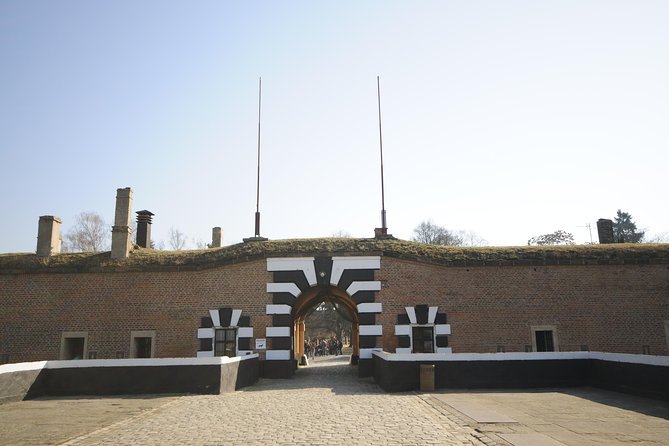
- Coach comfort plus a fixed departure point makes the logistics from Prague simple at a start time of 12:15 pm.
- Guided storytelling in English connects the sites into one coherent narrative.
- Terezín Memorial includes educational exhibits and a space to pay homage to the victims.
- Time is tight once you’re inside the fortress areas, so go in ready to walk and listen.
- Guides like Petr, Helen, George, and Oleg are repeatedly praised for bringing emotion and clarity to the history.
- Plan for no real meal break and bring your own water and snacks if you get hungry during long stretches.
Prague to Terezín: why this tour format works
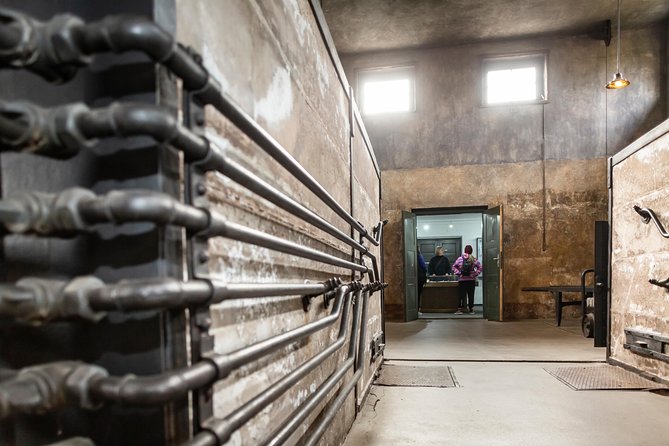
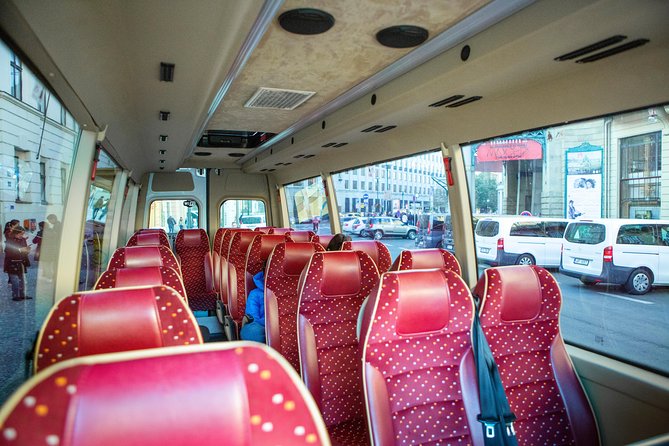
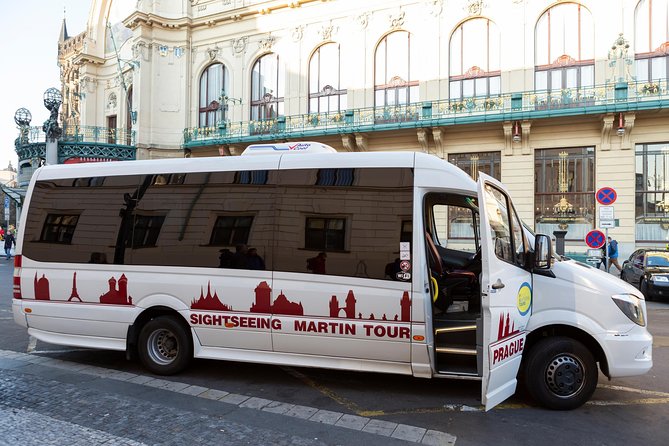
This is one of those day trips where the payoff is huge, but the stress of getting there can also be real—especially if you’re trying to navigate buses and trains on your own. Here, you leave from Náměstí Republiky (Praha 1-Nové Město) and ride in an air-conditioned vehicle. For many people, that alone is worth paying for: you spend your mental energy on the sites, not on schedules.
The tour also keeps you anchored with a professional guide and narrated context from the moment you depart Prague. You don’t just see stones and fences; you get the timeline and the “why” behind what you’re looking at. That matters at Terezín, because the place has layers: a fortress with an earlier purpose, then a WWII Jewish ghetto, and then a concentration camp system under Nazi rule.
You can also read our reviews of more tours and experiences in Prague.



Why Terezín is more than one tragic location
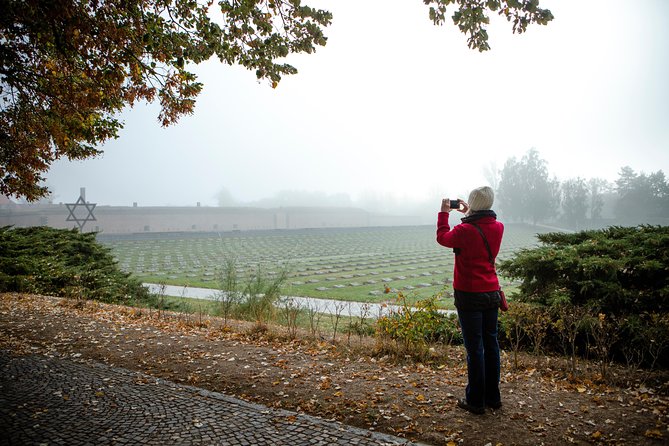
Terezín began as a fortress town founded in 1780 to help shield Prague. During the Nazi occupation in World War II, it was converted into a Jewish ghetto and concentration camp—where thousands of lives were taken. That transformation is the heart of the experience, and it’s why the guide narration is so important. Without that framing, it’s easy to see “just a camp” and miss the mechanism that made suffering possible.
You’ll also hear how Terezín was used in a way that the Nazis controlled and staged. One review highlighted the idea that Terezín functioned as a staging point before deportations to other death camps, and that Nazi propaganda tried to present a false version of life there. It’s heavy material, but it’s the kind of context that helps you understand what you’re walking through.
Entering the Terezín Memorial: the right place to start
Your day begins with time at the Terezín Memorial. This is where you’re set into the right emotional and historical frame: you learn how the fortress and town became part of the machinery of persecution, and then you spend time acknowledging the victims.
Admission is included at this stop, and the memorial offers educational exhibits. The memorial’s focus is not on spectacle. It’s about remembrance and context—what happened, who was affected, and how the Holocaust unfolded in Central Europe, not only in the headline camps.
Here’s a practical tip I’d follow: slow down as soon as you arrive. The material is difficult. If you skip the first quiet minutes and rush to the next spot, you’ll feel the day flatten emotionally.
The fortress experience: walking with context (and with time limits)
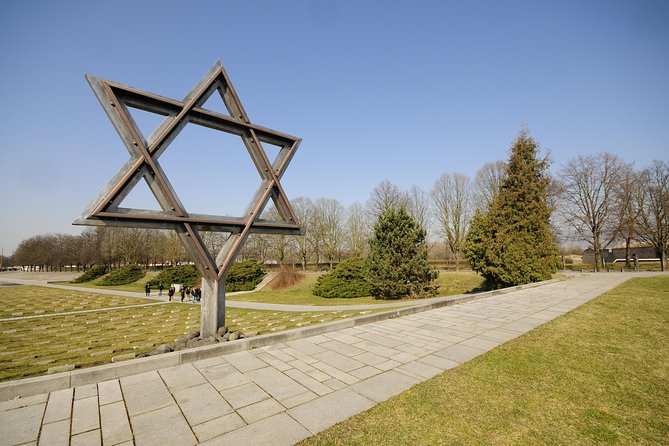
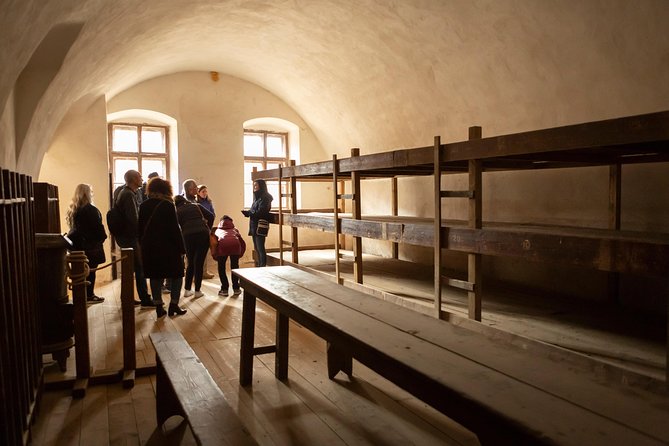
After the memorial time, the day continues through the fortress areas. Based on how the tour runs, you can expect guided time at the key sections that help explain daily life, imprisonment, and the structure of the camp system.
You’ll see why Terezín is often described as both a town and a prison complex. That dual reality is unsettling. Instead of a distant “camp in the wilderness,” you get a place where the built environment shapes what people endure—confinement inside walls and the administrative logic of detention.
One common theme from feedback is that the pace can be fast once you’re moving between points. That doesn’t mean the guide doesn’t care. It just means you should go in expecting a guided circuit rather than a wandering day. If you want to stop often, take photos slowly, or read every panel without pressure, you might find yourself wishing for more time.
Museums and exhibits: make your choice before you’re running late
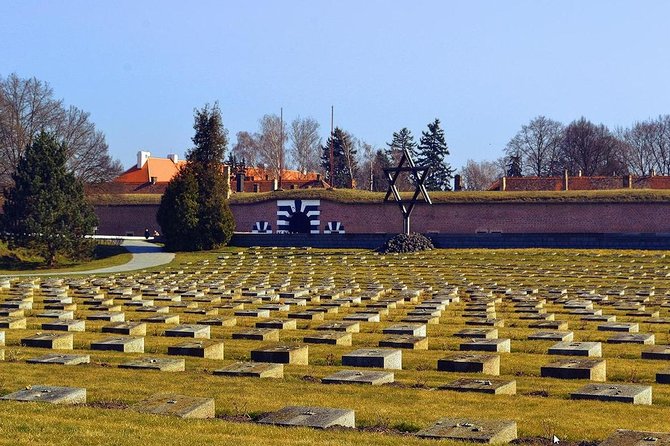
Museum time can make or break your satisfaction on a tour like this. Some people felt there wasn’t enough time to absorb everything in the exhibits, and others said the museum portion was a strong part of the day when the pacing matched their needs.
If you’re someone who likes to read and reflect, you’ll want to be strategic. Pick a few themes you care about most—daily life, deportations, resistance, or testimony—and focus your attention. When time is limited, trying to consume everything usually leads to frustration.
Also keep in mind that conditions can affect access. One account mentioned a citywide power outage, which prevented museum viewing. You can’t control that, but it’s a good reminder to have flexibility. If you’re traveling with tight plans, treat this as a main-event day.





The guide makes a real difference (and it shows)
A lot of praise in feedback centers on the guides themselves—especially Petr, Peter, Helen, George, and Oleg. People repeatedly described the guides as passionate, emotionally engaged, and able to explain what you’re seeing in a human, respectful way.
In practical terms, a strong guide helps you do two things at once:
1) keep the history straight, and
2) keep the tone respectful without turning it into a lecture you can tune out.
Even if your guide is excellent, you may still feel the day is “on the clock” once the walking starts. That’s not a sign of a bad tour—it’s how most group camp visits are structured to fit multiple sites and a set return to Prague.
One issue you may want to watch for: a timing snag can happen if the briefing isn’t consistently English-only. If you’re sensitive to pacing, it’s smart to confirm that your session is fully in English on your departure.
Value and price: is $78.70 a good deal?
At about $78.70 per person for a roughly 6-hour outing, the value depends on what you compare it to. If you were planning to DIY the trip, you’d likely spend time arranging transport, then pay for your own admission, then figure out how to piece together the narrative. Here, you get the coach ride, a guide, and admission included at the memorial stop.
You’re also paying for something that’s hard to price: interpretation. Terezín is not a place you can easily “figure out” from signs alone. The guide helps you understand why certain areas matter and how the systems worked.
So yes, it can be pricey for a day trip. But if you care about getting context rather than just checking a box, you’re paying for structure—and structure is what makes the history land.
Timing and logistics: what your day in Prague will look like
This tour starts at 12:15 pm at Náměstí Republiky 1037/3 and returns to the same meeting point. The drive is typically around 50 minutes each way, depending on traffic, and the whole day is designed as one continuous loop.
Group size is capped at 29 travelers, which is a nice middle ground. You get a guided experience without the chaos of very large bus groups. Still, because the day is fixed and narrated, expect the group to move together.
One small but important practical point: there are no meal breaks. A few people said you can grab a snack in places along the way, but don’t count on a proper stop to eat. If you get low on energy, it can make it harder to process the emotional weight of what you’re seeing.
What to pack so the day doesn’t beat you up
This is heavy history, and it’s also a walk-and-stand day. A few people specifically mentioned heat and not having water available when they needed it.
Bring:
- Water (seriously)
- Snacks you can eat quickly
- Sunscreen/hat if the weather is warm
- Comfortable shoes for the walking pace
If you know you get uncomfortable in long tours, plan for it. You can’t control what the schedule is, but you can control whether your body feels okay enough to let your mind take it in.
Who this tour is best for
This is best for adults and older teens who want a guided education about WWII in Czech history and the Holocaust. It’s also a strong fit if you’re short on time in Prague and want a focused day trip that handles transport and narration for you.
If you’re the type who needs long quiet pauses, you might struggle with the structured pace. In that case, consider whether you’ll have another day in the area for independent reflection. If not, go in with realistic expectations: you’ll likely get impact through the sequence of stops, not through long individual time at each site.
Should you book the Terezín Concentration Camp day tour from Prague?
Yes—if you want a guided, structured Holocaust learning day with coach transport from central Prague and a guide who can explain what you’re seeing in a clear, respectful way. It’s also a good choice if you appreciate clear narration over DIY puzzle-solving.
Hold off or rethink if you strongly prefer slow, self-directed pacing, lots of personal break time, or full museum immersion without schedule pressure. This tour is built for a group route. You’ll get meaning—but you should plan your comfort, water, and snacks so the day doesn’t feel worse than it already is.
FAQ
How long is the Terezín day tour from Prague?
It’s approximately 6 hours.
Is the tour offered in English?
Yes. The tour is offered in English.
What’s included in the price?
The price includes an air-conditioned vehicle, a professional guide, and admission ticket coverage for the Terezín Memorial stop.
Where is the meeting point, and where do we end?
You meet at Náměstí Republiky 1037/3, 110 00 Praha 1-Nové Město, Czechia, and the tour ends back at the same meeting point.
What group size can I expect?
The tour has a maximum of 29 travelers.
Can I cancel for a full refund?
Yes—free cancellation is available up to 24 hours in advance of the experience start time for a full refund.