REVIEW · PRAGUE
Religious Prague Walking Tour
Book on Viator →Operated by Spectrum Tours · Bookable on Viator
Prague’s churches tell power stories, not just prayers. This walk maps the religious history of the city through major church stops, led by historian Peter and a team that brings in art-historian context. I love how the guide connects faith to culture and politics across centuries, and I love that the key sites are free to enter so you can spend your time listening instead of worrying about tickets. One drawback to keep in mind: some churches may be closed on certain days, so you’ll want a flexible mindset if you’re hoping to see everything.
The route is short on time but heavy on meaning: about 3 hours on foot, in English, with a capped group size of up to 15 for a calmer pace. The tour also keeps going in rain, since it runs in all weather conditions, so dress for walking and plan on doing a little indoor/outdoor switching.
What makes this one feel especially Prague is the way the guide treats religion as something people argued about, lived with, and sometimes pushed back against. In my favorite version of the experience, you get the viewpoint of a young Czech historian (Peter has a Charles University background), including why organized religion can still feel tense in modern Czech life.
In This Review
- Key things to know before you go
- Why a Religious Prague Walk Works So Well
- Your 3-Hour Route: How the Stops Build a Story
- Stop 1: St. Martin in the Wall Church and Early Protestant Prague
- Stop 2: Church of Our Lady before Týn for Big-City Religious Drama
- Stop 3: Church of Our Lady of the Snows and the Power of Place
- Stop 4: St. Michael Church Prague and St. Nicholas for Important, Contrasting Narratives
- Stop 5: Bethlehem Chapel and Why Jan Hus Still Matters
- The Guides: What You Gain from a Historian + Art-Historian Approach
- Small Group Size and How It Changes the Whole Experience
- Price and Value: What You Pay for (and What You Don’t)
- Weather-Proof Reality: Rain Doesn’t Cancel the Learning
- Where This Tour Fits Best in Your Prague Plan
- Should You Book This Religious Prague Walking Tour?
- FAQ
- How long is the Religious Prague Walking Tour?
- Is the tour offered in English?
- How many people are in the group?
- Are entrance tickets included for the church stops?
- Where does the tour start?
- Does the tour run in bad weather?
- What is the cancellation policy?
Key things to know before you go
- Small group cap (15 max): easier conversation and less crowd pressure inside churches
- Historian + art historian style: religion explained through culture and what you see in the buildings
- Jan Hus at Bethlehem Chapel: you’ll connect a key reform thread to Prague’s church history
- Protestant history marker at St. Martin in the Wall: a major early milestone on the Reformation map
- Free entry for stops: each site on the route lists admission as free for this tour
Why a Religious Prague Walk Works So Well
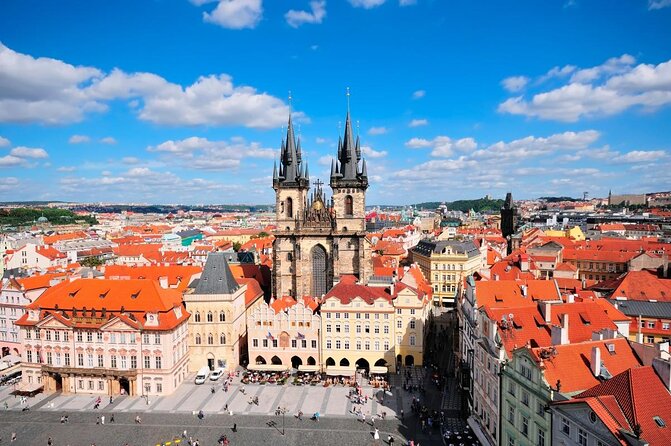
Prague has a way of putting big ideas into stone. If you’ve ever walked past a church and wondered why it looks the way it does, this tour is built for that exact question.
I like that the tour isn’t just postcard sightseeing. It charts religious history by moving through the places where that history shows up in everyday form: public buildings, public ceremonies, and public arguments. You don’t need a religious background to get it. You just need curiosity and a willingness to listen to the guide’s “why this mattered” explanations.
Another smart point is the format: a short walking loop with set stops. That keeps the learning focused. You get enough time at each church to notice what’s usually missed, like the way architecture supports a message, and the way religious life shaped political power in the Czech lands.
If you like your city stories to include disagreement and change (not just harmony), you’ll find plenty here.
You can also read our reviews of more walking tours in Prague

Your 3-Hour Route: How the Stops Build a Story
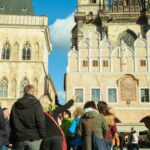
The tour moves in a deliberate order, so each church adds a new piece to the overall picture of Prague’s religious shifts. Expect short stays—often around 5 to 10 minutes per stop—so the guide’s pacing matters. With a group of up to 15, you’re not stuck in a long line of people blocking sightlines.
You’ll also hear the kind of explanation that makes the buildings feel connected instead of random. The core theme is that religion in Prague never sat in a separate world. It intersected with culture, politics, reform movements, and how ordinary people thought about authority.
One practical thing: because the tour runs in all weather conditions, some of the “story time” is likely to happen under cover when the weather turns. That’s not a problem. It’s one of the reasons the tour works so well for unpredictable days.
Stop 1: St. Martin in the Wall Church and Early Protestant Prague
You start at St. Martin in the Wall Church, which is listed as the first Protestant church in the world. Even if you only know the broad idea of the Reformation, this first stop is designed to give you a clear anchor point.
What I like about starting here is that it immediately sets the “religion as history” tone. Rather than easing in with a generic highlight, the tour plants a concrete milestone early on. Then the guide can show how Prague’s religious identity kept shifting over time.
In a short visit, you’re not trying to absorb everything about the building. You’re looking for what makes it symbolically different from the churches you’ll see later. The art-historian angle helps too, because even in brief stops, the guide can point out details that connect form to meaning.
Tip: in churches, keep your phone low and your attention high. This stop rewards watching and listening, not scrolling.
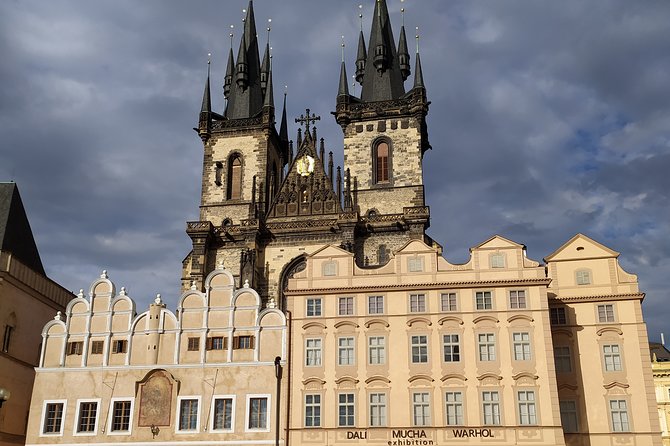
Stop 2: Church of Our Lady before Týn for Big-City Religious Drama
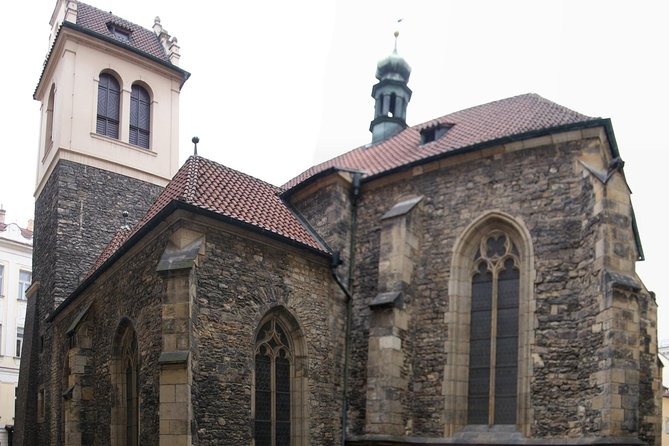
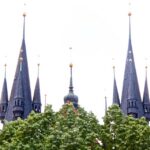
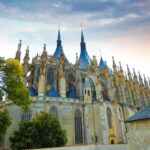
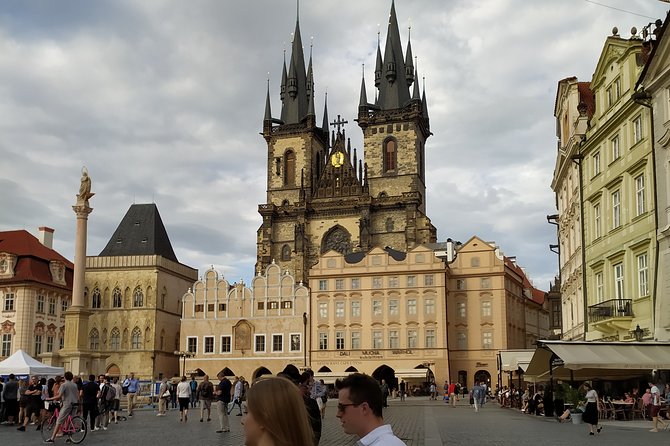
Next up is the Church of Our Lady before Týn. The description is simple—marvellous building—but the tour uses it for more than admiration. This is where the guide can connect religious identity to the public shape of Prague itself.
Because this stop is only about 5 minutes, your best strategy is to pick one thing to watch. It might be how the façade presents the church to the street, or how the building’s scale signals importance. A good guide will help you connect those observations back to the broader religious history theme.
If you’re the kind of person who likes context, this is a great moment to pay attention to how the guide links changing ideas to the physical city. Prague’s religious buildings aren’t just places to visit. They’re evidence of competing visions for society.
Possible drawback: with shorter stops, you’ll need to accept that you can’t do a full independent visit here unless you plan extra time later.
Stop 3: Church of Our Lady of the Snows and the Power of Place
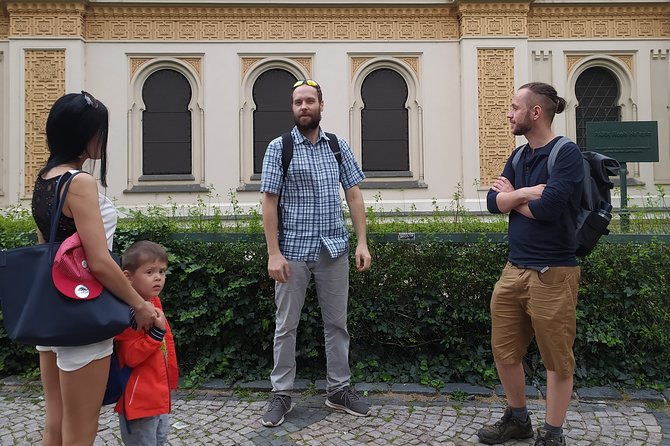
Then you move to the Church of Our Lady of the Snows, described as a magnificent building. Another quick stop (around 10 minutes), but it’s long enough to get a couple of key takeaways if you’re listening closely.
I find the “Our Lady” church stops especially useful because they let you see how religious devotion shows up in how a place is built, positioned, and remembered. Even without deep background, the guide’s explanations help you translate what you see into why it mattered.
This is also a good stop to remember that the tour’s goal is interpretation, not exhaustive architecture class. If you want a place to linger, take note of where you want to return after the tour. The walking loop is designed to help you choose smart priorities for your independent time.
If you’re sensitive to long standing in crowded interiors, 10 minutes is manageable. Still, wear shoes you can walk in, since the tour is hands-on and outdoors between stops.
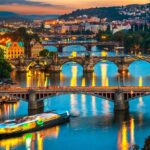

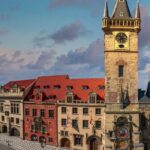
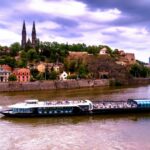
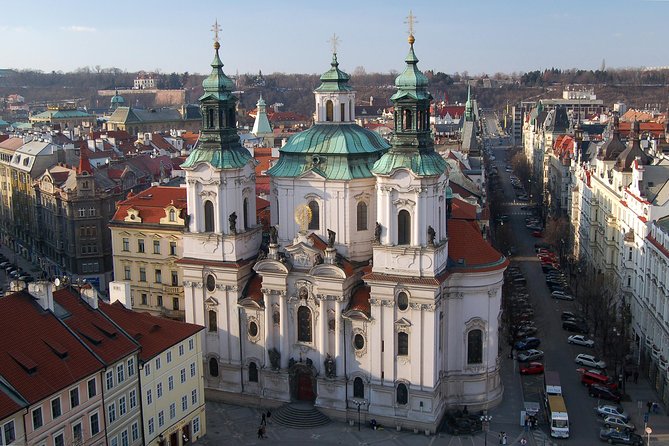
Stop 4: St. Michael Church Prague and St. Nicholas for Important, Contrasting Narratives
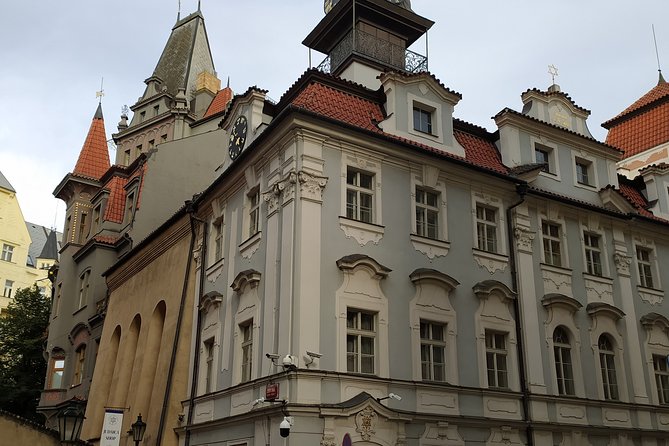
After that, the route includes St. Michael Church Prague and St. Nicolas—listed as very important and interesting buildings. This is where the tour starts to feel like a comparison exercise.
The guide’s job here is to help you notice how different churches can represent different eras, ideas, or social relationships with authority. Even when you only get a brief look, you can still catch the “this is why people cared” angle if the guide is pointing you toward the right details.
This stop also benefits from the small-group size. When you’re not packed shoulder-to-shoulder, you can actually look up and around instead of watching the backs of people in front of you.
One more practical point: since you’re moving between two named churches in one stop segment, don’t rush. Let the guide finish each explanation before you drift to get photos. Otherwise, you lose the connection the tour is building.
Stop 5: Bethlehem Chapel and Why Jan Hus Still Matters
The final church stop is Bethlehem Chapel, where Jan Hus was preaching. This location is tied to the beginnings of the Czech reformistic tradition, which gives the walk a strong “why this is still in the cultural bloodstream” finish.
I like ending with Jan Hus because it shifts the tour from architecture-as-art to architecture-as-argument. Reform movements don’t just change doctrine. They change who gets listened to, who gets challenged, and how the next generation remembers the conflict.
Even if you’re not a history buff, you’ll likely grasp the value here: the guide helps you link Czech religious reform to the wider political and cultural currents. That’s one of the tour’s most useful outcomes—understanding Prague not only as a beautiful city, but as a city shaped by belief, resistance, and change.
If you want a souvenir that’s not just a photo, this is the best stop to take notes. You’ll remember the story longer if you write one or two key ideas while the guide is talking.
The Guides: What You Gain from a Historian + Art-Historian Approach
This tour is led by a local guide and also includes a professional historian guide and a professional art historian guide. That combination matters more than it sounds.
A historian helps you place events in time: what shifted, what stayed, and how religion and politics rubbed against each other. An art historian helps you translate the building into something you can actually interpret in minutes—how design choices communicate authority, devotion, or public identity.
In the best moments of this tour, you get both angles at once: context first, then meaning in the details. It’s also worth noting that Peter (a Charles University history graduate) is described as organized and flexible, and he’s able to adjust around different interests. If your personal curiosity is more political, more religious, or more art-focused, you’re more likely to get an experience that fits.
The other standout guide ingredient is viewpoint. One version of the experience includes a relatively young Czech perspective, including cynicism about how relevant religion still feels for daily life. That honest tone can make the history land harder, because it treats belief as human—not museum-only.
Small Group Size and How It Changes the Whole Experience
With a maximum of 15 people, this doesn’t feel like a conveyor belt tour. You’re closer to the guide, and questions are easier to ask without shouting across the group.
That small size does two practical things for you:
- You can hear the explanations, even inside quieter spaces.
- You can look at details without constant crowd interference.
It also improves pacing. The tour is designed to keep moving between stops, but not in a rushed way. You get enough breathing room to reset your attention before the next church.
If you prefer tours that feel like a conversation with a plan (not a performance), this group size is a big plus.
There’s also a private tour upgrade option if you want extra flexibility. That tends to help if you’re traveling with family, you have mobility constraints, or you just want the guide to tailor the story to your interests.
Price and Value: What You Pay for (and What You Don’t)
At $47.32 per person for about 3 hours, you’re paying for guided interpretation—multiple professional roles, plus a route that focuses on religious history through real places.
A major value point is that the stops list admission as free for this tour. That matters. It means your money goes toward the explanation and the structure, not toward separate ticket fees for each church.
So what’s the real trade-off? You’re not doing a long, independent church crawl. The time is short, and the experience is explanation-led. If you want to spend an hour alone in one place, this tour is best as a foundation, not as the only way you visit Prague churches.
To me, this price feels fair because the format solves two common problems in Prague:
- You’re less likely to miss the story behind what you’re seeing.
- You’re less likely to waste time choosing “which church matters.”
Weather-Proof Reality: Rain Doesn’t Cancel the Learning
Prague weather can change quickly. The good news is this tour is designed to operate in all weather conditions.
I like that because it takes one worry off your day planning. You don’t have to treat weather like a lottery ticket. You do need to dress for walking, and you should expect some stops to feel cooler or wetter than you’d like.
Practical advice: bring a light rain layer and keep it accessible. Once you’re inside churches, you’ll be glad you’re not fighting wet sleeves while trying to hear the guide.
If the city rains, think of it as part of the atmosphere. The buildings don’t care if it’s sunny. The stories don’t either.
Where This Tour Fits Best in Your Prague Plan
This tour works best early or mid-trip. Early is good because it gives you mental anchors for what you see afterward: Reformation threads, Jan Hus connections, and why Prague’s religious buildings are tied to real historical shifts.
Mid-trip is also great because you’ll finish the walk with a short list of places you want to return to for more time. The tour helps you prioritize based on interest, not just on what’s famous.
Who should book it? If you enjoy cities where history shows up in everyday architecture, and you want context that connects religion to culture and politics, you’ll likely get a lot from this format.
If you’re only looking for a slow photo tour with minimal talking, you might find the history-driven style less satisfying.
Should You Book This Religious Prague Walking Tour?
Yes, you should book this if you want a guided story of Prague’s religious history that’s structured, time-efficient, and built for small groups. The biggest win is the combination of professional historians and art-historian context, plus a route that includes major religious markers like St. Martin in the Wall and the Jan Hus link at Bethlehem Chapel.
Skip it or consider it only if you strongly prefer independent museum-style pacing. The stops are short, and some churches can close on certain days, so this isn’t ideal for people who need guarantees about maximum interior time at every stop.
If you want a smart way to understand why Prague’s churches look the way they do—and why belief has mattered here—this is a good bet.
FAQ
How long is the Religious Prague Walking Tour?
It runs for about 3 hours.
Is the tour offered in English?
Yes, the tour is offered in English.
How many people are in the group?
The tour has a maximum of 15 travelers.
Are entrance tickets included for the church stops?
Yes. The stops listed have admission tickets marked as free for this experience.
Where does the tour start?
The meeting point is Na Příkopě 864/28, Nové Město, 110 00 Praha-Praha 1, Czechia.
Does the tour run in bad weather?
Yes. It operates in all weather conditions, so you should dress appropriately for walking.
What is the cancellation policy?
You can cancel for free up to 24 hours in advance for a full refund.