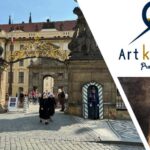
REVIEW · PRAGUE
Prague: World War II and Communist History Tour
Book on GetYourGuide →Operated by Discover Prague Tours sro · Bookable on GetYourGuide
Prague turns into a courtroom of the past. I love how the tour strings together Nazi occupation, resistance, and Communist rule so the dates stop feeling random, and I love that the story is delivered by real people with stand-out guide skills like Daren, Adam, Zac, and Tony. You also get to see major landmarks such as the Municipal House, the Jewish Quarter, the Dancing House, and Wenceslas Square in one focused route.
One possible drawback: this is a 2.5-hour walking tour with heavy subject matter, and it can feel intense if you want a lighter, purely scenic day. If you hate long narration, or if you’re sensitive to persecution and political repression, plan for a slower pace after the tour to decompress.
In This Review
- Key takeaways before you go
- Turning 20th-century history into something you can walk
- From Týnská Square: starting point and how to prep for 150 minutes
- Municipal House and the civic heart of modern Prague
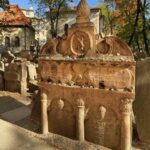
- The Jewish Quarter: persecution made visible in the streets
- Dancing House: contrast, modernity, and the cost of power
- Cyril Church and Operation Anthropoid: the resistance story where it happened
- Wenceslas Square and the Communist decades: from coup to “Normalization”
- Prague Spring, Warsaw Pact invasion, and the road to 1989
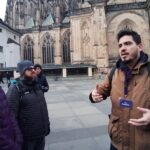
- How guides keep you moving: humor, clarity, and Q&A that doesn’t feel rushed
- Price and value: what $34 buys you in context
- Practical expectations: walking style, pace, and what to focus on
- Who should book this tour, and who might skip it
- Should you book this WWII and Communist History Tour?
Key takeaways before you go
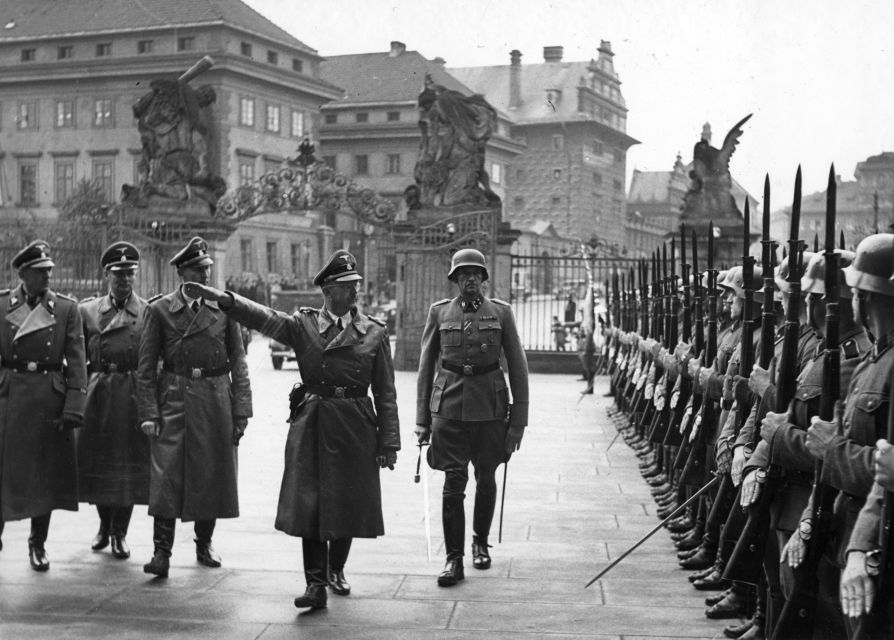
- A tight storyline across eras: WWII occupation flows into uprisings, Communist power shifts, and 1989’s Velvet Revolution.
- Real locations tied to real plots: you focus on the assassination connected to Operation Anthropoid and what happened afterward.
- Landmarks you’ll recognize fast: Municipal House, Dancing House, and Wenceslas Square anchor the timeline in postcard-famous spots.
- English live guide storytelling: guides who can explain clearly, answer questions, and keep the hours moving.
- No sugarcoating the hard parts: the tour frames dark periods honestly, without sanitizing what happened.
- Good value for the time: 150 minutes for around $34 gives you context you won’t get from photos alone.
Turning 20th-century history into something you can walk
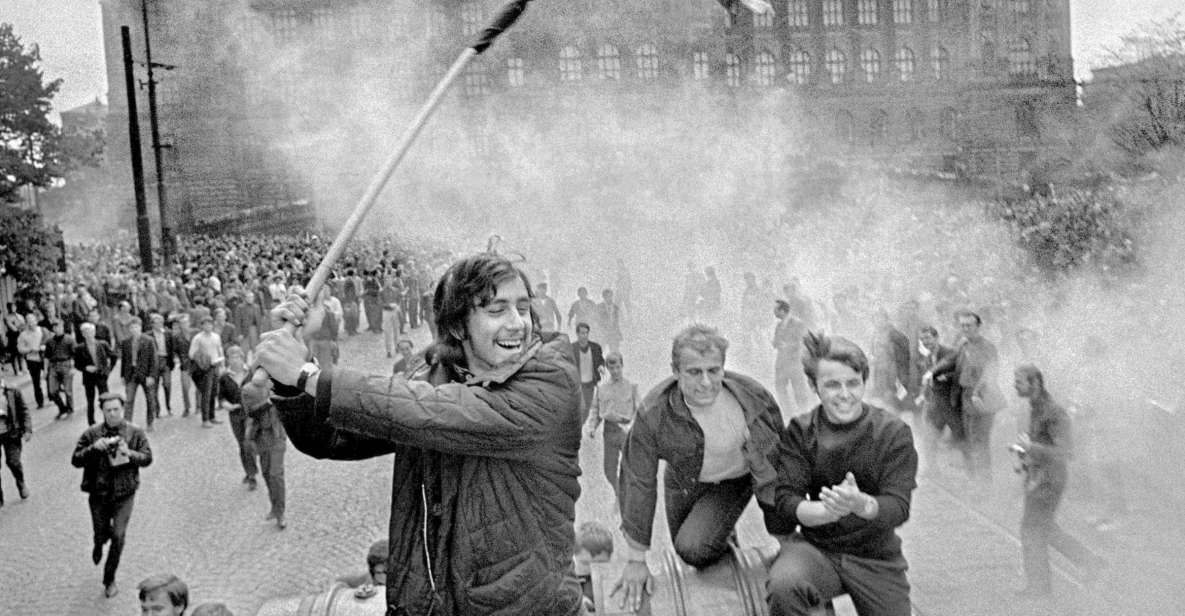
If you’ve ever looked at Prague and thought it feels too pretty for what happened here, this tour answers that. It takes the heavy arc of the 20th century—Nazi control, resistance, the Communist takeover, and the eventual unraveling of Soviet-style rule—and shows how the story played out on city streets and in famous civic buildings.
I like that the tour doesn’t treat these as separate chapters. You’ll hear how one era’s trauma sets up the next era’s conflict, so by the time you reach the Prague Spring and the Warsaw Pact invasion, it doesn’t feel like random textbook trivia. You’ll understand why euphoria could flip into fear so quickly.
And it’s designed for a practical kind of sightseeing. You’re not just collecting stops; you’re building a mental map of cause and effect. That matters in Prague, where the architecture can look like it’s all from the same universe.
You can also read our reviews of more historical tours in Prague
From Týnská Square: starting point and how to prep for 150 minutes
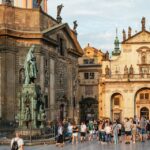
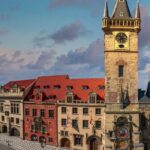
The tour meets at Týnská 639/4, Staré Město, 110 00 Praha-Praha 1. Arrive a few minutes early so you can get your bearings fast and settle in before the timeline begins.
You should dress for walking weather. The tour runs about 150 minutes, and the reviews include experiences in pouring rain, which tells me the guides keep going and simply adapt. If it’s wet, bring a light rain layer; if it’s cold, wear something warm enough that you can stay comfortable during stops and explanations.
A small but meaningful tip: if you care about the stories you hear, keep a note app open. The tour moves through names, movements, and turning points fast enough that you’ll thank yourself later when you’re trying to connect Charta 77, Václav Havel, and the Velvet Revolution.
Municipal House and the civic heart of modern Prague
One of the strongest parts of this tour is how it uses major landmarks to make the political story feel local. The Municipal House isn’t just a grand building to look at. It works like a symbol—Prague as a real, functioning society before it was squeezed into a nightmare by occupation and later ideology.
As you move through the area, you’ll hear how Nazi rule didn’t just come down as distant events. It changed daily life and the options people had, including who could speak, who could organize, and who could survive. The goal is to help you read the city with context, not just architecture.
This is also where the guides’ strengths show. In multiple accounts, guides are praised for making the time periods vivid and understandable, and for handling the balance between story and factual detail. That’s exactly what you want here, because the “how” of history is just as important as the “what.”
The Jewish Quarter: persecution made visible in the streets
The Jewish Quarter segment is a key part of the narrative because Nazi occupation wasn’t theoretical here. It directly targeted Jewish residents and reshaped life through persecution and terror.
Even if you’ve read about the era before, walking near these historically charged streets changes the feel of the information. Prague has layers, and this part helps you recognize that World War II in Central Europe was not just battles—it was control, exclusion, and brutal enforcement.
This section is also valuable because it sets up later resistance. When you understand what people were facing, resistance stops being an abstract moral slogan and becomes something with urgency and risk. That helps the later chapters—assassination plans, reprisals, uprisings—make emotional sense.
Dancing House: contrast, modernity, and the cost of power
The Dancing House is a great stop for a tour like this because it visually signals modern Prague—while the tour story reminds you that modernity didn’t protect anyone from political violence.
This is where the tour’s rhythm matters. It moves you from civic and historic spaces into areas that feel more contemporary, which creates contrast. The guide uses that contrast to explain how the city’s identity shifted under pressure, from a progressive, industrialized region to a place where fear could govern everyday life.
If you’re a person who learns better by connecting visuals to meaning, you’ll probably enjoy this part. It’s not the kind of stop where you only take a photo. The guide frames what you’re seeing as part of the wider story.



Cyril Church and Operation Anthropoid: the resistance story where it happened
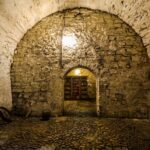
One of the most memorable segments is the focus on the assassination tied to the Nazi security apparatus. The tour describes the plot connected to Operation Anthropoid, and it includes places connected to the resistance, including the church/crypt setting where resistance soldiers hid.
This is a powerful part of any Prague history itinerary because it doesn’t let the story stay cinematic. You’re hearing about the plan and the aftermath in the same space where the resistance made choices under extreme threat. It’s also where you’ll understand that reprisals weren’t just revenge as a concept—they were part of how the occupation maintained control after resistance acts.
Some runs also include time at the Operation Anthropoid museum, which can help you anchor the names and sequence of events beyond street-level storytelling. If you’re the type who likes a “then and now” reference point, museum time is a good complement to the walk.
The key thing to know: the content here can be intense. Guides are praised for not whitewashing political realities, so this isn’t a tour that treats violence like a fun detour.
Wenceslas Square and the Communist decades: from coup to “Normalization”
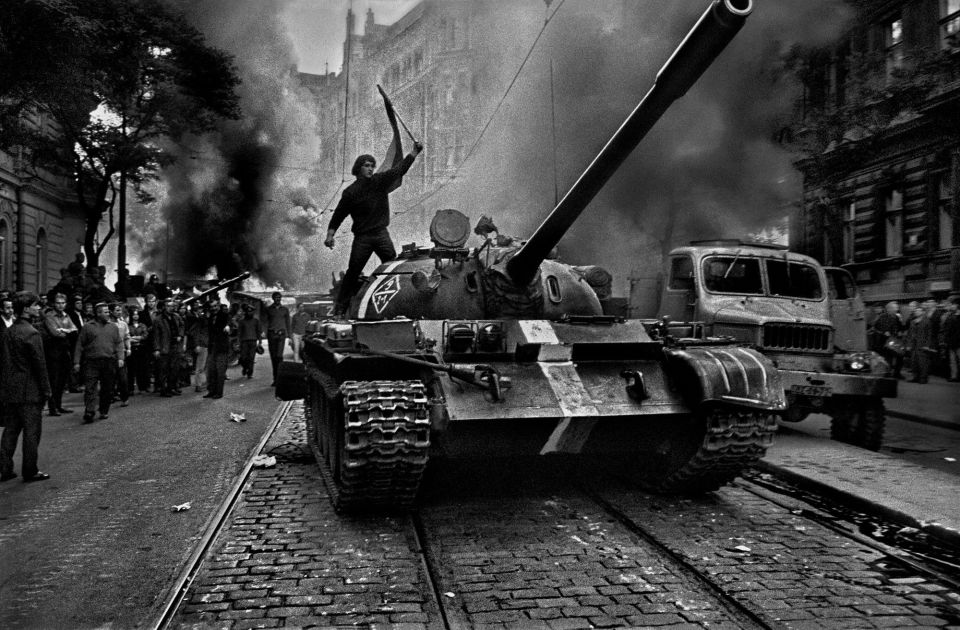
Then the tour shifts from occupation and resistance into what came after: the Communist takeover, the Czech uprising, the period of letdown, and the system that followed.
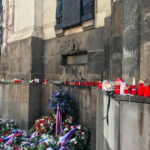
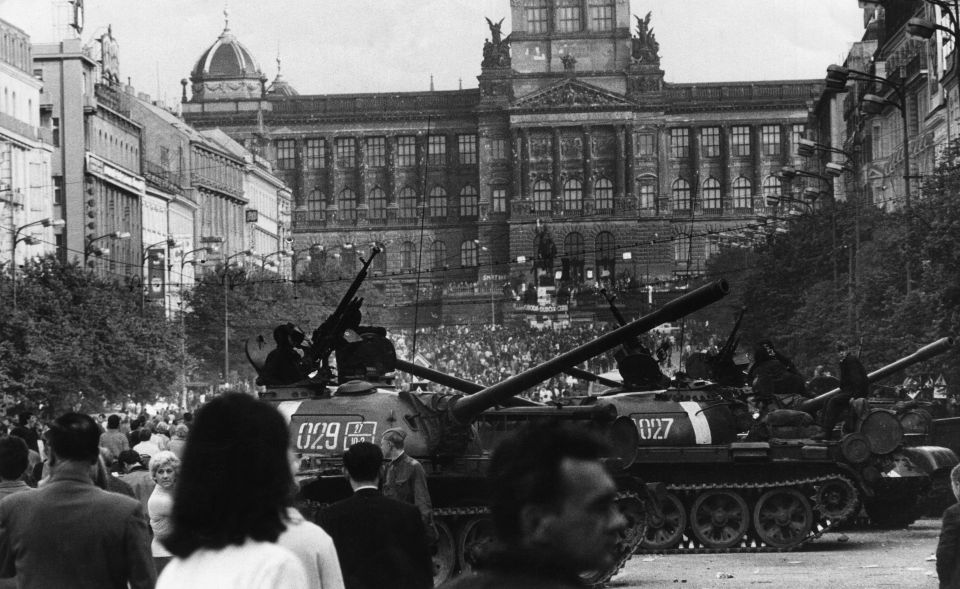
Wenceslas Square works well for these chapters because it’s the kind of place where political history feels public. You’ll hear about how power changed hands through mechanisms like the Communist coup, and how life under the new system didn’t settle into “normal.” It became regulated, watched, and punished.
You’ll also hear the terms that you may have seen in books—Normalization, the persecution of the Plastic People of the Universe, and the case of Charta 77. Hearing them spoken as part of a timeline helps you understand that repression wasn’t only about prisons and courts. It reached art, speech, and social life.
This is where I think the tour has one of its biggest strengths: it explains why people pushed back. When the guide connects those cultural and legal battles to the broader politics, the Velvet Revolution stops looking like a sudden miracle and starts looking like the end point of years of resistance.
Prague Spring, Warsaw Pact invasion, and the road to 1989
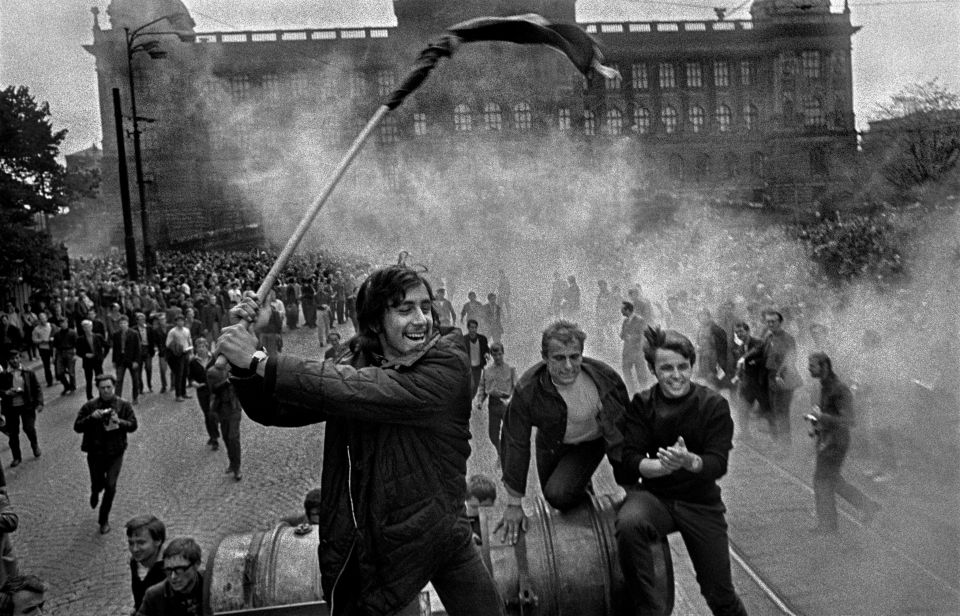
If you’re going to take just one day-trip in Prague that makes the city’s political history click, this is a strong candidate. You’ll walk through the emotional arc of the Prague Spring, then into the shock of the Warsaw Pact invasion, and finally into years of tightening control.
What makes the story effective is the way it treats hope and trauma as a cycle. The tour doesn’t leave you in a single mood. It shows how the same population could experience reform dreams and then face crushing backlash, and it explains how that experience shaped later dissent.
And then you get to 1989. You’ll hear how Václav Havel and a group of dissidents were swept to power in the Velvet Revolution. The tour connects those leaders and ideas back to what came before, which makes the revolution feel earned rather than romanticized.
How guides keep you moving: humor, clarity, and Q&A that doesn’t feel rushed
In the reviews, a repeated theme is that the hours flew by. That’s usually a sign of pacing that works for a walking tour: stops aren’t long lectures, and the guide builds the story so you don’t feel lost when the timeline jumps from WWII to the Communist era.
You’ll also benefit if your guide is good at answering questions. Multiple accounts highlight guides who are passionate, engaging, and able to explain things clearly. You’ll get the most out of it if you ask what interests you most—resistance tactics, cultural dissent, or the mechanics of political change.
A small bonus: some guides use humor. That doesn’t erase the darkness. It just keeps the pace human, so you can stay present instead of mentally checking out.
Price and value: what $34 buys you in context
At $34 per person for a 150-minute live English walking tour, the value is mainly about time and clarity. This isn’t a general overview that skims names. It’s set up to connect major turning points to places you can see, so you leave with a stronger mental map of Prague’s 20th-century shifts.
You’re paying for more than sightseeing. You’re paying for:
- a storyline that links occupation, resistance, and Communism
- a guide who can explain why those events mattered to ordinary people
- the chance to stand in front of recognizable landmarks and understand what they represent in the timeline
If you like history but don’t want to spend your trip reading silently in museums, this kind of guided walking can be a smart use of time.
Practical expectations: walking style, pace, and what to focus on
The tour is a walking experience, so plan for shoes that handle cobblestones. Even if you’re comfortable walking, you’ll still want to pace yourself because there’s a lot of narrative density.
One more practical point: the tour often stays focused on the most important locations. That’s a plus if you’re short on time. It means the guide prioritizes the sites that best support the story, rather than trying to fit every related landmark into the schedule.
If you’re the type who prefers lighter stories or you want mostly photo opportunities, this might feel more like a guided lecture with stops than a relaxed stroll. But if you want a meaningful framework for Prague’s modern history, that trade-off is the point.
Who should book this tour, and who might skip it
Book it if you want your Prague sightseeing to explain the city, not just decorate it. This is especially good for history lovers who appreciate clear timelines, and for people who want context for why the Velvet Revolution and dissident culture mattered so much.
You might skip it if you’re dealing with limited mobility, or if you’re looking for a family-friendly, purely scenic outing. The content includes persecution and trauma, and the pacing assumes you’re ready for that level of detail.
Also consider booking if you’ve already done a basic Old Town or Castle area walk. This tour complements that kind of sightseeing by focusing on the 20th century rather than medieval Prague.
Should you book this WWII and Communist History Tour?
If you’re curious about how Prague moved from Nazi occupation to resistance, then into Communist rule and finally the Velvet Revolution, this tour is a strong use of time. The combination of major landmarks and a guided timeline makes it easier to remember what you see and understand why it matters.
My advice: book it if you want context you can carry into museums, conversations, and your own reading afterward. Skip it only if you know you want something light and easy, because this walk deals with real suffering and serious political change.