REVIEW · PRAGUE
Taste, Cook and Dine Traditional Czech
Book on Viator →Operated by Good Mood Food · Bookable on Viator
Food here tastes like a lesson.
This hands-on Czech cooking and tasting class in Prague turns dinner into a story: you snack your way through typical flavors, then help cook several recipes while learning where ingredients and dishes come from. The menu is built around seasonal Czech staples and classic plates you’ll recognize in everyday households, plus wine and fruit brandy to keep the mood friendly and easy.
I really like that you get two clear parts in one evening: active cooking (you help with dishes like bread dumplings and a seasonal starter) and a structured tasting flow (snacks, a main, and dessert). I also like the small group size (max 8), which makes it realistic to get hands-on time instead of watching someone else work the stove from a distance.
One thing to consider: you won’t necessarily cook every component from scratch. The experience includes a main dish prepared by the host in advance, and some items are prepared together depending on the season, so plan on assisting and learning more than doing all the labor yourself.
In This Review
- Key highlights
- Where This Czech Class Happens: Karlín’s Practical, Friendly Setup
- The Starter Course: Snacking Your Way Through Czech Ingredients
- Hands-On Cooking: Bread Dumplings and a Seasonal Starter
- The Main Event: Czech Classics That Show Different Flavors
- Dessert Time: Fruit Dumplings or Kremrole
- Czech Wine and Fruit Brandy: Drink Like You Mean It
- Your Hosts in the Kitchen: Bret, Aide, and Svetlana’s Style
- Price and Value: What $167.75 Really Covers
- Who This Czech Dinner Class Fits Best
- Should You Book Taste, Cook and Dine Traditional Czech?
- FAQ
- How long is the Taste, Cook and Dine Traditional Czech experience?
- Where does the experience start?
- What is included in the menu?
- Do you taste wine during the class?
- Is it hands-on, or mostly watching?
- What size group is this class?
- What language is the tour offered in?
- Is there a mobile ticket?
- What is the cancellation policy?
- What if the minimum number of travelers is not met?
Key highlights
- Small group cap of 8 means more attention and easier conversation
- Hands-on cooking with multiple Czech dishes, including starters and side dishes
- Three Czech wines plus Czech fruit brandy tied into the meal
- Seasonal menu choices (dishes may vary) so each visit feels a bit different
- Local hosts led by Bret, with Aide and Svetlana sometimes involved in the program
Where This Czech Class Happens: Karlín’s Practical, Friendly Setup
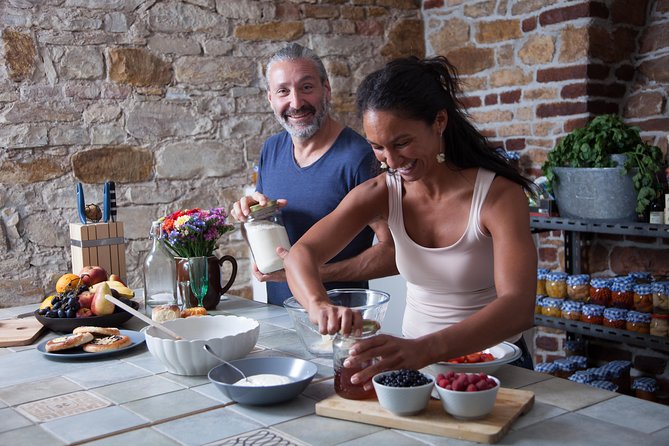
The meeting point is in Prague 8-Karlín, at Křižíkova 70/67, and it’s near public transportation. That matters because a food class is no fun if you’re stuck hunting for directions right when you’re hungry.
What I like about this style of setup is the vibe it creates: you’re not wandering through a museum-like experience. You’re in a place designed for cooking and sitting down to eat. The experience also explicitly keeps groups small, which usually translates into better pacing—snacks show up without long gaps, and instructions don’t get lost in the noise.
The hosts lead the class in English, and you can expect a relaxed rhythm. It’s built around shared food, shared stories, and questions while you cook—exactly the kind of evening that helps Czech food click faster than just reading about it.
You can also read our reviews of more tours and experiences in Prague.



The Starter Course: Snacking Your Way Through Czech Ingredients
You start with a tasting spread of typical Czech delicacies, built to show you what people actually rely on: sausages, cheeses, homemade products like jams and pickles, bread, and a mix of local and seasonal vegetables and fruits. This is a smart way to begin because it gives your brain a reference point. By the time you’re cooking, you already understand what the flavors are supposed to taste like.
Then you move into a second starter element that can change with the season. You might see a potato-sauerkraut pancakes choice, a cheese quark spread option, or a carrot/kohlrabi salad. The key here isn’t just variety for variety’s sake. It’s learning how Czech ingredients get used in different forms—savory, creamy, tangy, and fresh—without needing a food dictionary.
You’ll also see how the experience blends food with explanation: the class is framed around what was grown and farmed here and how that shaped traditional dishes and household habits. Even when the technical details aren’t heavy, you’ll leave with a clearer sense of why these foods belong together on the same plate.
Hands-On Cooking: Bread Dumplings and a Seasonal Starter
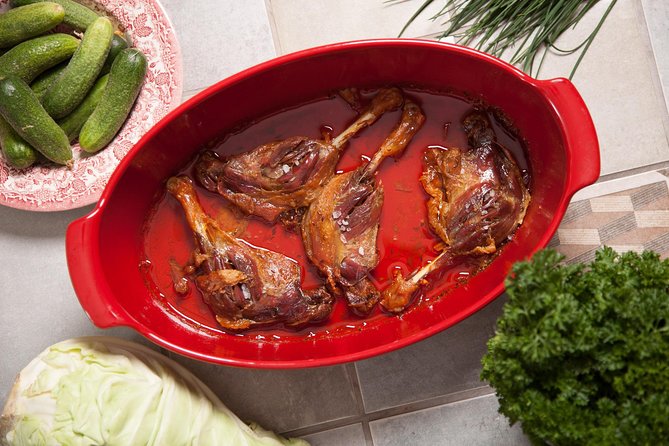
The most useful part for you is the cooking you do yourself. Depending on the season, you may cook a starter that matches the typical ingredient theme—potato, cabbage-family flavors, quark, or vegetables like carrot and kohlrabi. Even if you’re not a confident cook, you’ll be working with familiar textures and straightforward methods, not fancy tricks.
One hands-on highlight is bread dumplings. The side dish component is prepared together, so you’re not just watching a plated final dish appear. You get the chance to handle the process and learn what makes dumplings work: shaping, timing, and how the finished dumpling fits into a wider Czech meal.
The experience also includes short, friendly instruction while you cook. You’ll likely get tips on technique and small details, like how to keep things moving in the kitchen and when to adjust based on how the food looks and behaves. That’s the kind of learning that sticks, and it’s one of the reasons this works so well as a practical food experience.
The Main Event: Czech Classics That Show Different Flavors
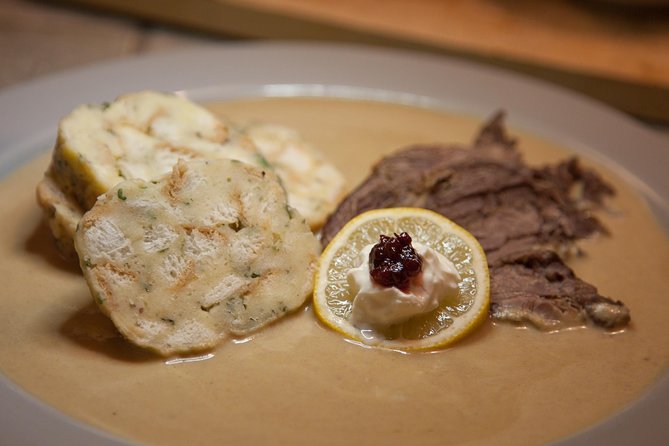
For the main course, you’ll eat a traditional Czech dish chosen from several options, and the host prepares it in advance. That’s important for pacing: you get the full meal without waiting for a long cook time while your group is hungry.
Possible main dishes include svíčková (a vegetable cream sauce with beef), beef goulash, Spanish bird (a stuffed beef roll), roasted duck, rabbit with vegetables, or beef with mushrooms. In plain terms, you’re getting variety within Czech comfort food: creamy sauces, hearty stews, stuffed roasts, and rich braises.
What you’ll learn here is the logic of the menu. Czech food often builds around filling mains and sides, and you’ll see how the earlier starters and snacks set you up for what comes next. By the time dessert arrives, you’re already familiar with the flavor direction of the meal.
If you’re hoping to “master” one signature dish, you may not get full recipe-level deep training for every option. But you do get a real Czech dinner experience with clear context about typical ingredients and how they show up across courses.
Dessert Time: Fruit Dumplings or Kremrole
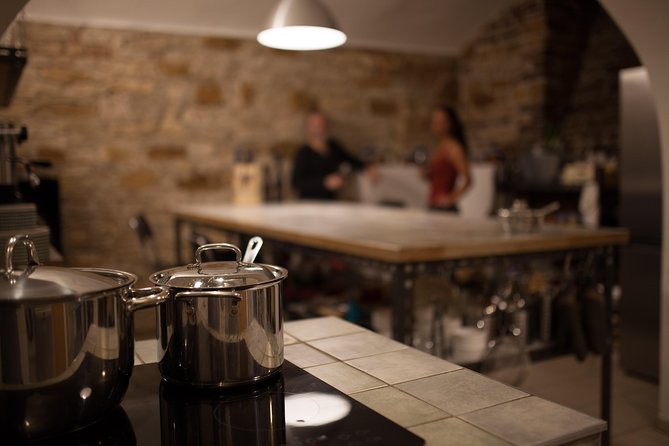
Dessert in this class is either fruit dumplings or kremrole (a fragile pastry filled with sweet meringue). Fruit dumplings are served with poppy seeds and/or quark depending on what’s on the menu, which gives you another chance to taste how Czech flavors shift from savory to sweet without going overly complicated.
If you’re the type who wants to understand what makes a dessert feel Czech rather than generic, this portion helps. You’ll see how fillings and textures are used: soft fruit inside a dumpling, or a crisp-and-fine pastry with a sweet meringue filling.
Also, dessert is where the pacing tends to relax. After cooking and wine, dessert becomes a natural conversation window. If you like the social side of food—talking about family recipes, local habits, and what to order next time—this is often where the class feels the most like hanging out.






Czech Wine and Fruit Brandy: Drink Like You Mean It
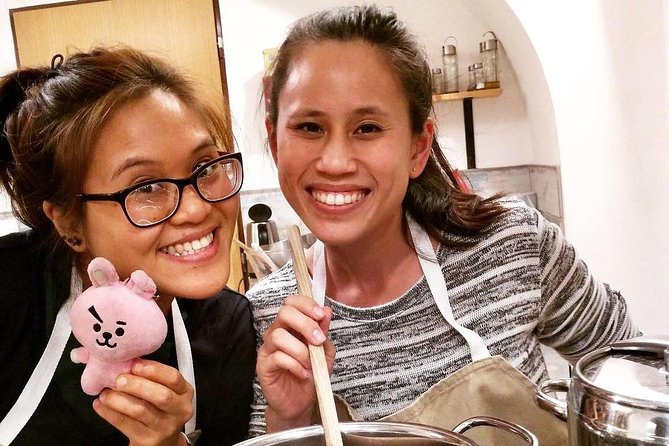
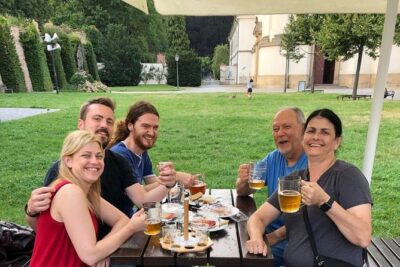
A big part of the experience is drink pairing. You’ll taste three Czech wines and sample Czech fruit brandy, and that’s not just included for fun. The wine and brandy are part of how the meal is presented and explained.
From the program details, the wines are Czech wines, and reviews also mention Moravian wine specifically. That gives you a useful clue for what to pay attention to while you sip: you’re not only tasting alcohol, you’re tasting the regions and styles behind Czech dining.
I like that you don’t get the drink with no context. The tasting is woven into the courses, so you’re more likely to remember what you liked and why. It also keeps the evening from feeling like a classroom. When people are sipping and snacking between steps, cooking feels social instead of stressful.
One practical note: you’ll likely be drinking across the meal. If you want to stay steady, pace yourself and take breaks between courses. It’s easy to get swept into the laughs, but you’ll enjoy it more if you stay in control of your own comfort level.
Your Hosts in the Kitchen: Bret, Aide, and Svetlana’s Style
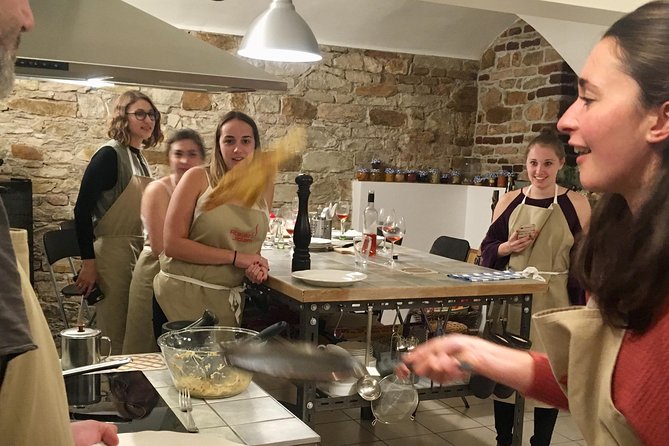
The experience is led by one or both hosts, and reviews name Bret, with Aide and Svetlana sometimes involved. That matters because it signals something about the tone: this is not a scripted, robotic performance. The hosts are positioned as people who genuinely like cooking, teaching, and sharing stories.
You can also expect a real kitchen-style flow. Reviews mention cooking in a historical basement space and a cozy setting, which makes sense for a class that needs a calm rhythm. You’ll likely get involved, even if you’re new to Czech cuisine. The hosts guide you step by step, then shift to conversation once your hands are busy.
For you, the best benefit is confidence. Even if you’ve never cooked Czech dishes before, you’ll finish the class with the sense that you could recreate parts of it at home. That’s the difference between a tasting that ends at your mouth and a class that lands in your memory.
Price and Value: What $167.75 Really Covers
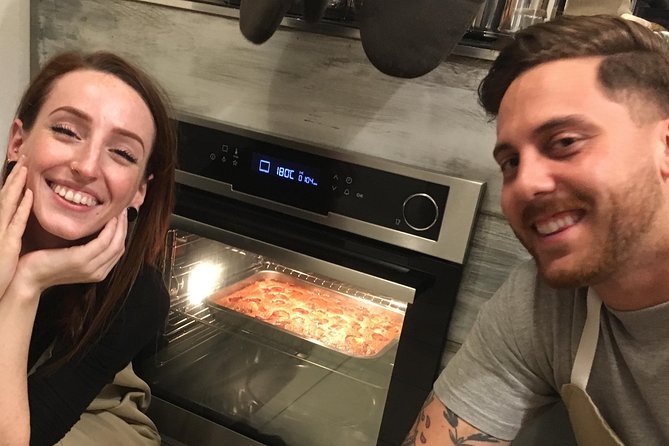
At $167.75 per person for about 3 hours 30 minutes, this is not the cheapest thing you can do in Prague. But the value is solid because you’re paying for a full experience, not just a bite or two.
Here’s what you get in the package:
- Multiple Czech tastings at the start (snacks, cheeses, sausages, homemade items, seasonal produce)
- A hands-on component with a seasonal starter and shared bread dumplings
- A Czech main dish cooked by the host in advance
- Dessert (fruit dumplings or kremrole)
- Three Czech wine tastings plus Czech fruit brandy
- A small group environment capped at 8 travelers
Food and drink classes can get expensive fast when they include wine but skip the real teaching. This one does the opposite: it gives you both the social eating part and the cooking part. That’s why it feels like more than a meal.
If you’re deciding between a generic dinner and a food class, think about what you want from the trip. If you want to learn, ask questions, and go home with a clearer sense of Czech flavors, this usually makes more sense than a standard restaurant night.
Who This Czech Dinner Class Fits Best
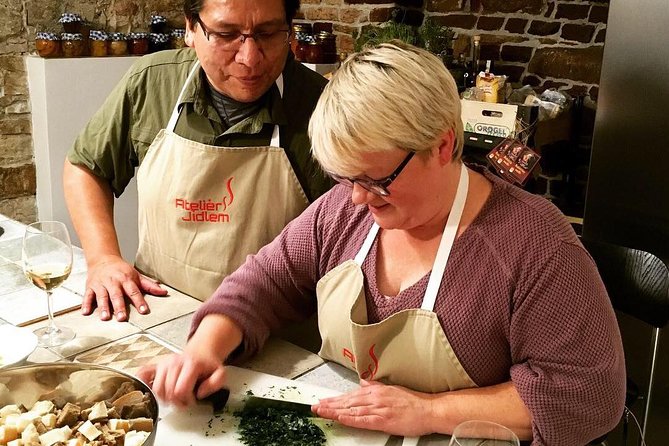
This experience is ideal if you:
- Like food that comes with context, not just a menu
- Want to cook, even if you’re a beginner
- Enjoy meeting people and talking while you eat
- Care about wine and want guided tastings tied to a meal
It’s also a good choice if you want something more personal than a big group tour. The max of 8 travelers helps you stay part of the action.
If you hate hands-on activities, or you only want to eat and never touch the cooking process, you might find the class pacing includes more participation than you want. The main dish is prepared ahead of time, but you still spend meaningful time cooking and assisting for the starter and shared side dish.
Should You Book Taste, Cook and Dine Traditional Czech?
Yes, I’d book it if you want a Czech-food night that blends cooking, tasting, and conversation in one compact chunk of time. The strongest case is the pairing of multiple courses plus guided wine tastings, all with a small group and a host-led atmosphere.
You should maybe think twice if you’re looking for a purely passive experience. This class is designed for active learning through doing, not for watching everything unfold without your involvement.
If you’re traveling in Prague and want an evening that feels both practical and fun—one where Czech flavors make sense after you eat them—this is a strong bet.
FAQ
How long is the Taste, Cook and Dine Traditional Czech experience?
It lasts about 3 hours 30 minutes.
Where does the experience start?
The meeting point is Křižíkova 70/67, 186 00 Prague 8-Karlín, Czechia. The activity ends back at the meeting point.
What is included in the menu?
You’ll taste typical Czech delicacies, then a seasonal starter option, cook a dish together (and prepare bread dumplings), eat one traditional Czech main dish prepared in advance, and finish with dessert (fruit dumplings or kremrole).
Do you taste wine during the class?
Yes. You’ll taste three Czech wines and also sample Czech fruit brandy.
Is it hands-on, or mostly watching?
It’s hands-on. You’ll assist with preparing some dishes together, including a seasonal dish and bread dumplings.
What size group is this class?
It has a maximum of 8 travelers.
What language is the tour offered in?
It’s offered in English.
Is there a mobile ticket?
Yes, it includes a mobile ticket.
What is the cancellation policy?
Free cancellation is available. You can cancel up to 24 hours in advance for a full refund, based on the experience’s local time.
What if the minimum number of travelers is not met?
If the experience is canceled because the minimum isn’t met, you’ll be offered a different date/experience or a full refund.