REVIEW · PRAGUE
Prague: Psychiatric Hospital and Abandoned Cemetery Tour
Book on GetYourGuide →Operated by McGee's Ghost Tours · Bookable on GetYourGuide
A real hospital tour hits different. At Bohnice Psychiatric Hospital, you walk with a guide through how Europe’s ideas about mental illness changed over centuries, from medieval beliefs to modern treatment choices. I especially like that this isn’t a jump-scare style ghost walk, it’s history you can see with your own eyes.
The second thing I like is the English storytelling, and it can be genuinely personal. One review singled out Tina as an exceptional, passionate guide who explains both the hospital and the cemetery in a way that stays clear even when the topic gets heavy. The main drawback is also obvious: this is dark, unsettling subject matter, and the operator notes it’s not recommended for small children.
In This Review
- Quick takeaways before you go
- Stepping into Bohnice, Prague’s psychiatric hospital on the edge of town
- Walking the grounds: from medieval ideas to forced “treatments”
- The Rosenham experiment: when diagnosis becomes a test of bias
- Bohnice wards and patient stories: past and present infamous cases
- The cemetery stop: the abandoned graveyard promenade
- What this tour teaches (and what it doesn’t)
- Price and value: $32 for 3 hours of real, specific history
- Who should book this tour at Bohnice
- Practical tips that make the tour easier
- Should you book the Prague psychiatric hospital and abandoned cemetery tour?
- FAQ
- How long is the Prague Psychiatric Hospital and Abandoned Cemetery tour?
- What is the meeting point?
- What language is the tour guide?
- Is the tour private or group-based?
- What should I bring?
- Is this tour suitable for children?
- How do I get there by public transport?
- How much does it cost?
- Who operates the tour?
Quick takeaways before you go
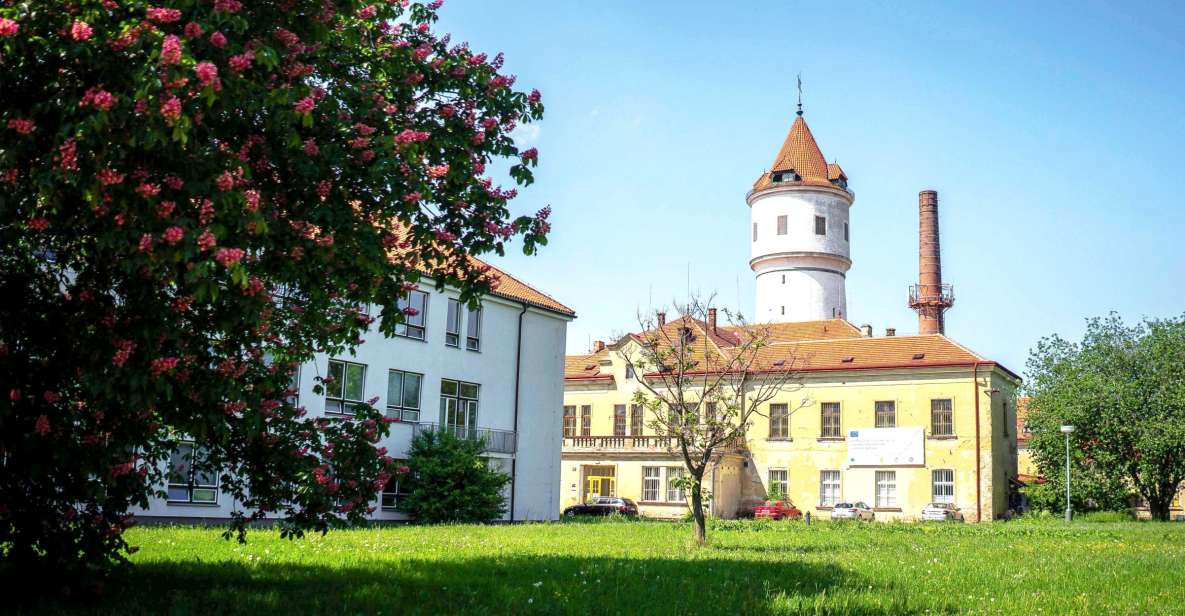
- Bohnice Psychiatric Hospital, actually operating: you’ll see a working clinic, not a movie set
- Big ideas in mental health history: medieval mystic approaches, then harsher “solutions” like lobotomies
- The Rosenham experiment: you’ll learn how testing and diagnosis can go wrong
- The abandoned cemetery walk: a tense promenade on grounds linked to patients and others laid to rest
- Stories of notorious patients: past and current infamous cases are part of the ward talk
- Useful practical tip: a reviewer recommends coming and leaving by Uber for an easier trip back
Stepping into Bohnice, Prague’s psychiatric hospital on the edge of town
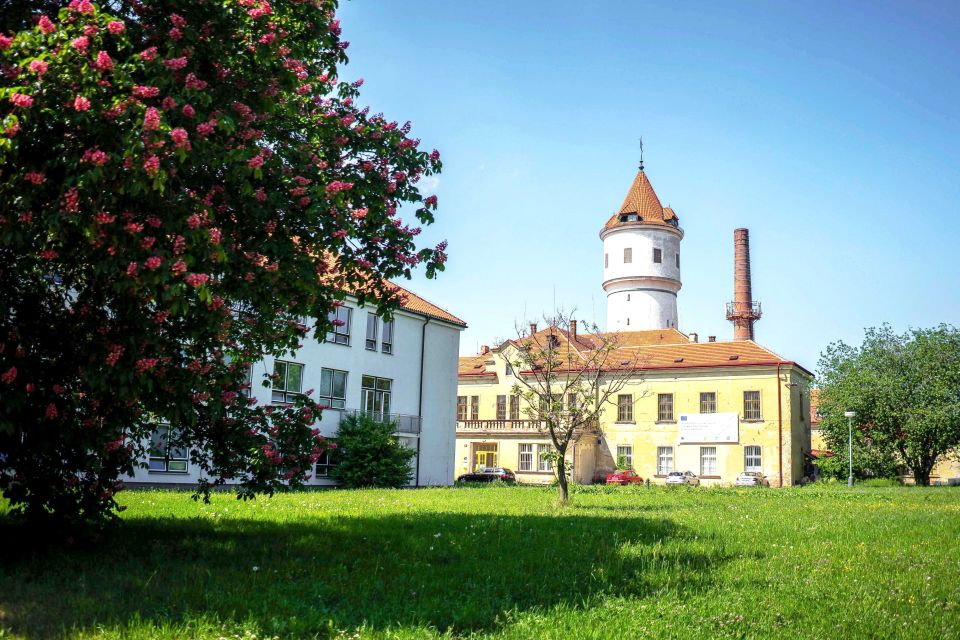
This tour starts at the gates of Psychiatric Hospital Bohnice in the Ústavní area, at Ústavní 91 (with the meeting point in front of the metal gate). The vibe here is not “touristy Prague.” It’s quiet and utilitarian, the kind of place you usually only pass from a distance.
That matters, because it sets expectations. You’re not going to a themed attraction. You’re joining a guided walk through an institution that has a real past and still exists in the present. If you’re the type who likes your travel learning concrete, this format works well.
If you’re coming by public transport, the easiest route is:
- Take metro line C to Kobylisy
- Follow the exit direction Katastrální úřad
- From there, catch bus 177 (toward Poliklinika Mazurská) or bus 200 (toward Sídliště Bohnice)
- Get off at Katovická
- Turn back and walk toward the first crossroad, turn left onto Ústavní street, and continue until you reach the gate with number 91
If that sounds like too many steps when you’re tired, that’s where a taxi helps. The ride estimate from the city center is around 350 CZK (about 15 EUR) via Bolt or Uber, and one reviewer specifically suggested using Uber both ways. That advice is practical: you’ll save energy for the walk you’re actually here for.
You can also read our reviews of more tours and experiences in Prague.



Walking the grounds: from medieval ideas to forced “treatments”

Once you’re with the group, the heart of the experience is the guided explanation of how psychiatry’s methods evolved. The guide takes you through a timeline that’s uncomfortable on purpose: it shows how societies tried to label, manage, and treat mental illness using whatever tools they had at the time.
You start with references to mystic rituals in medieval times and the ways people interpreted mental distress when medicine was limited. Then the story moves forward to treatments that later became infamous, including lobotomies. Even if you already know the names, hearing the progression explained on-site hits differently. It turns “historical facts” into an atmosphere.
What I like about this kind of structure is that it keeps you from treating each era like a separate museum exhibit. You understand why people believed what they believed, and why the next era felt like improvement. And then you see how “improvement” can still come with cruelty.
The Rosenham experiment: when diagnosis becomes a test of bias
A standout topic during the tour is the famous Rosenham experiment. The guide uses it to show how the systems meant to identify illness can also misread people, especially when labels are doing more work than reality.
This part is valuable because it’s not just academic. It gives you a lens for the rest of the tour: once you know that a classification system can be wrong, you start noticing how easily society can treat a person as a category. That’s one of the reasons this tour can feel so unsettling. It’s history with uncomfortable parallels.
It also gives the tour more depth than “spooky asylum.” You’re learning how thinking changes, how institutions build habits, and how those habits can affect real human lives.
Bohnice wards and patient stories: past and present infamous cases

After the conceptual history, the guide brings it closer to human scale. You’ll hear stories connected to past and current infamous patients who have occupied the wards, as well as the kinds of suffering and stigma attached to them.
The tour doesn’t just mention names or dates. It frames what happened as part of the institution’s role in society: sometimes as a place of care, sometimes as a place where people were contained under harsh expectations.
This is also where you’ll feel the emotional weight the operator warns about. You are walking through a psychiatric clinic with active facilities, and the subject matter is inherently personal. For some people, that’s exactly why they want to go. For others, it might be too much.
A small, practical note: wear comfortable shoes and take it slow when the group moves. You want enough physical ease to process what you’re hearing, especially during the ward-based parts where details can land all at once.
The cemetery stop: the abandoned graveyard promenade

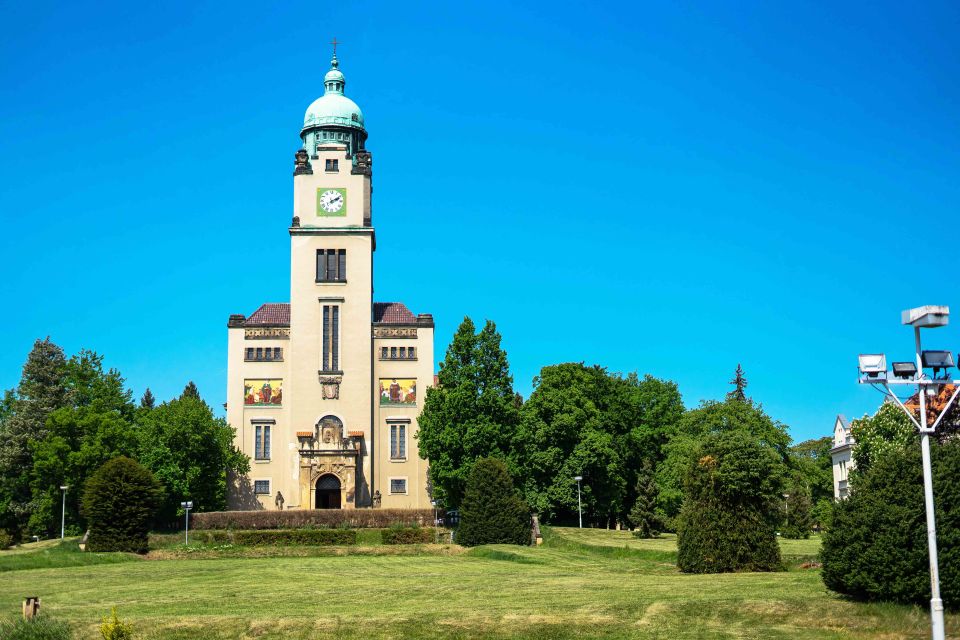
The most visually eerie segment is the walk around Bohnický ústavní hřbitov, the abandoned cemetery on the grounds. This part is where the atmosphere turns tense and quiet.
You’ll pass by the cemetery area for about 30 minutes, guided and interpreted. It’s not just “creepy photos.” The guide explains what the burial grounds represent in the larger story of the institution: people described as patients, criminals, and other lost souls who ended up here.
That combination is what makes the promenade work. You’re confronted with how institutions can keep memories tied to the same physical space that also held treatment, confinement, and control.
One detail worth emphasizing: the tour’s most haunted-feeling moments come from the restraint of the walk. It’s a measured pace, not a loud theatrics approach. That makes it more likely to stay with you after the tour ends.






What this tour teaches (and what it doesn’t)
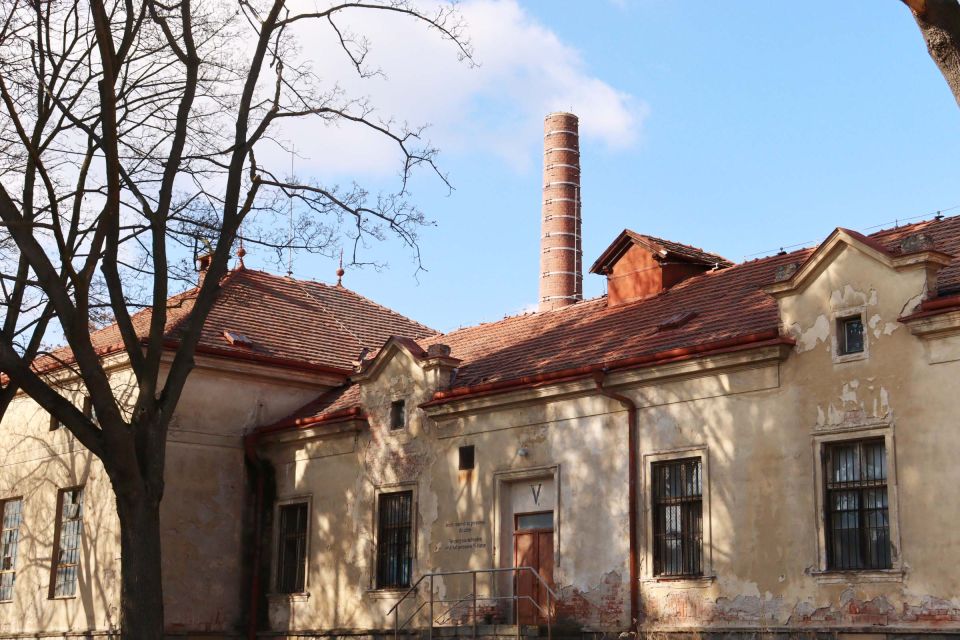
This experience is built around one big idea: how mental illness has been handled by systems of power, knowledge, and fear. You’ll see that psychiatry didn’t develop in a clean line from bad to good. It shifted with culture, technology, and politics.
You learn three useful things:
- Language matters: labels change what people believe is happening
- Methods reflect their era: medieval ideas, then medical interventions, then experiments and reforms
- Institutions leave traces: even when practices change, buildings and cemeteries preserve the story
At the same time, you shouldn’t expect this to be a casual “history lecture.” The tour discusses shocking topics on purpose, from harsh interventions to the reputational fallout of experiments like Rosenham. It’s not designed to soften the reality.
That’s why it’s worth checking your own comfort level first. If you’re easily distressed by medical institutions or heavy human stories, you might want to choose a different kind of Prague tour.
Price and value: $32 for 3 hours of real, specific history
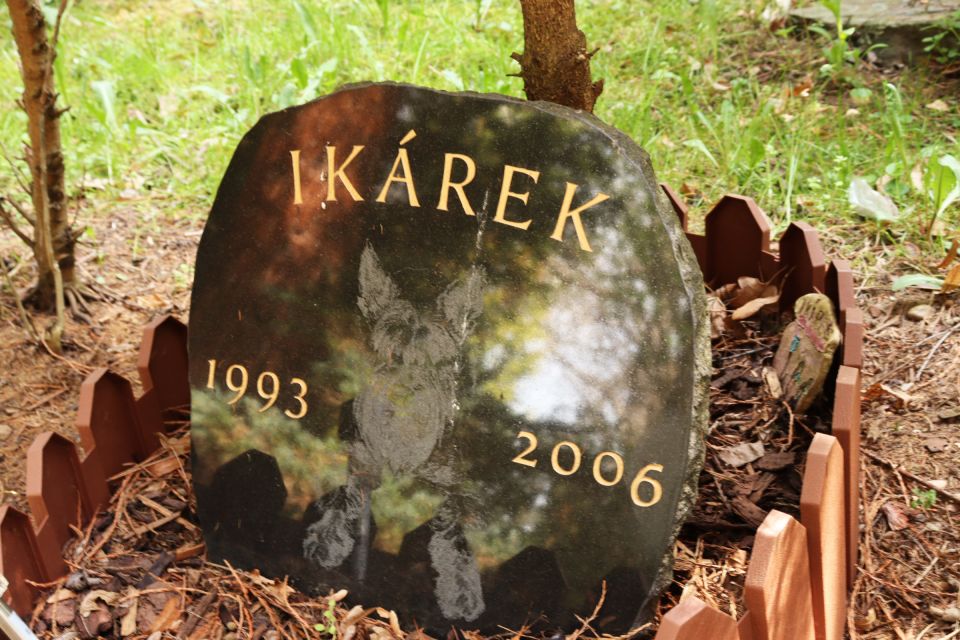
At $32 per person for roughly 3 hours, the value mostly comes from what you’re getting access to: a guided walk through a major psychiatric site and its cemetery grounds with an English-speaking guide.
A lot of tours in Prague are either:
- entertainment-heavy, or
- history-heavy but not location-specific
This one sits right between those. You’re getting history that’s tied to place. And because the guide is interpreting everything in context, you’re not left wandering and guessing.
Also, the group format is human-sized. The operator offers a private group available, which can be helpful if you want a more comfortable pace for this particular topic.
If you’re budget-conscious, $32 for a 3-hour guided experience in Prague is fairly reasonable, especially since this kind of setting isn’t easy to visit with real interpretation.
Who should book this tour at Bohnice
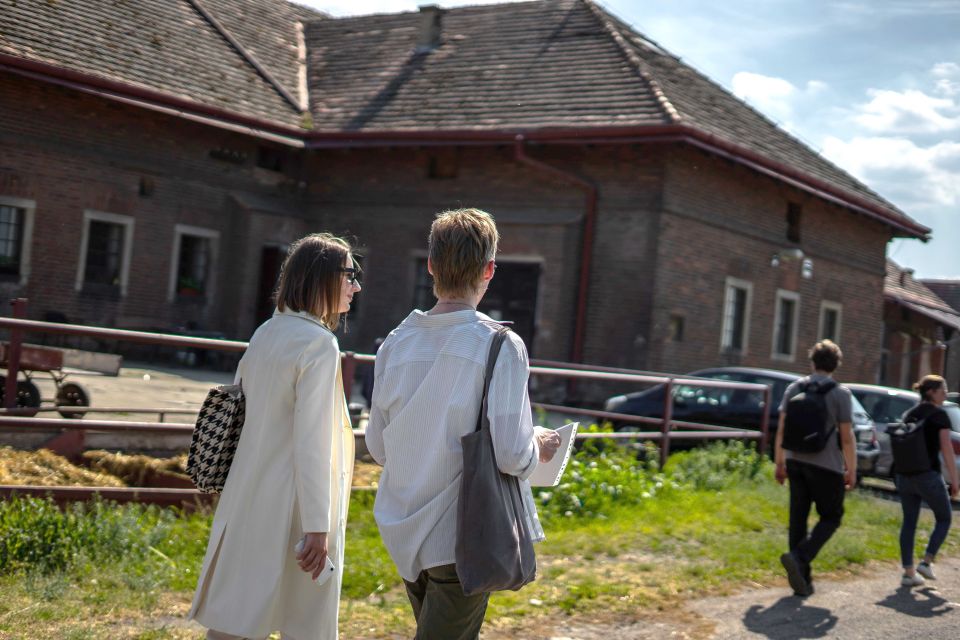
I think this fits best for travelers who:
- like Prague beyond the postcards
- enjoy dark history with good narration and careful pacing
- want context for how psychiatry changed and why that matters
- are comfortable with somber, unsettling themes
It’s also a good match if you’re a “learn by walking” person. This tour doesn’t rely on slides or imagination. You move through the space as the story unfolds.
On the other hand, it’s likely not for you if:
- you want something light and upbeat
- you’re traveling with small children (the operator explicitly discourages that)
- you’re easily overwhelmed by medical and human tragedy topics
Practical tips that make the tour easier
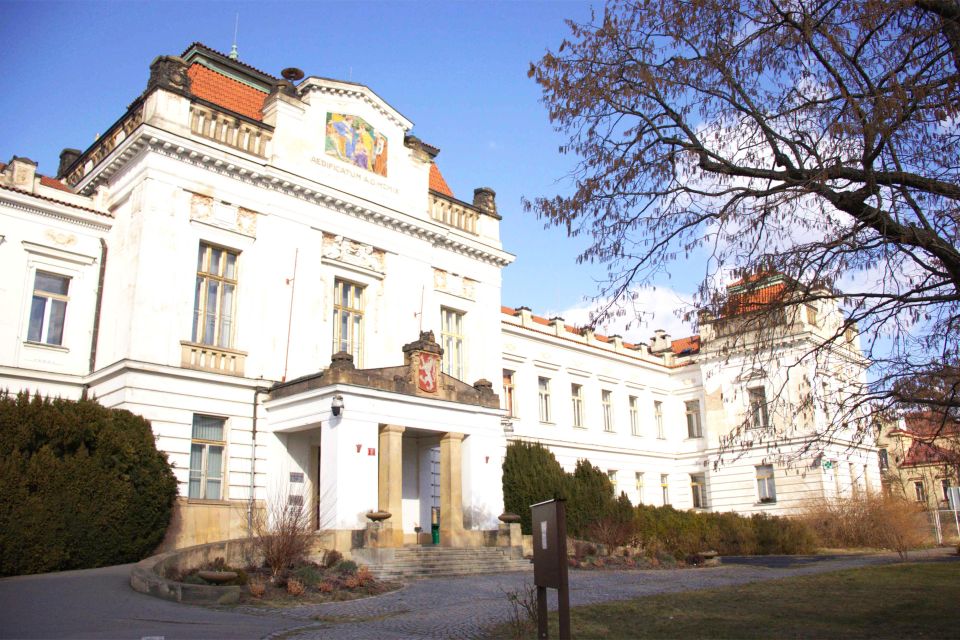
A few small details can seriously improve your experience here.
- Bring comfortable shoes. You’re walking on grounds and moving with the group.
- Pack a reusable water bottle. Even on a cooler day, you may spend time outdoors.
- Plan for rain if the forecast looks iffy. One review said it was great despite the rain, so the route still works in bad weather.
- If you’re staying in the center, consider using Uber or a taxi for the ride back. A reviewer’s advice to come and leave by Uber is about saving time and stress.
The tour runs in English, with a live guide. If you’re the kind of traveler who likes to ask follow-up questions, this is the kind of tour where that can feel natural since the guide’s role is interpretation, not performance.
Should you book the Prague psychiatric hospital and abandoned cemetery tour?
If you’re curious about European mental health history and you can handle heavy material, I’d say yes. This tour is distinctive because it’s place-based: Bohnice isn’t a generic story, it’s an institution tied to real decisions, experiments, and lives.
But if you want a fun, casual Prague outing, skip it. This experience is meant to be sobering, sometimes disturbing, and it asks you to think about how treatment and labeling can affect human dignity.
For the right traveler, it’s a strong choice: specific, guided, and unforgettable in a serious way.
FAQ
How long is the Prague Psychiatric Hospital and Abandoned Cemetery tour?
The tour lasts about 3 hours, with the guided part at Bohnice taking around 2.5 hours and the cemetery area passed by for about 30 minutes.
What is the meeting point?
Meet in front of the gate to Psychiatric Hospital Bohnice at Ústavní 91, 181 00 Praha 8.
What language is the tour guide?
The tour is guided in English.
Is the tour private or group-based?
Private group options are available.
What should I bring?
Wear comfortable shoes and bring a reusable water bottle.
Is this tour suitable for children?
The tour includes historical facts connected to the dark history of psychiatry, and it is not recommended for small children.
How do I get there by public transport?
Take metro line C to Kobylisy, then bus 177 (toward Poliklinika Mazurská) or bus 200 (toward Sídliště Bohnice) to the Katovická stop. From there, walk along Ústavní street to the metal gate at number 91.
How much does it cost?
The price is listed as $32 per person.
Who operates the tour?
The experience provider is McGee’s Ghost Tours.