REVIEW · PRAGUE
Prague: Museum of Torture Entry Ticket
Book on GetYourGuide →Operated by Museum of Torture · Bookable on GetYourGuide
Cellars and courtroom cruelty in Prague. This entry ticket takes you into reconstructed spaces on Celetná Street, where torture law is shown through physical exhibits, documents, and period engravings. If you care about how systems of justice worked in the real world, not just the myths, this museum is built to explain the process and its consequences.
I especially like the pacing of the 400 m² layout. You get around 100 exhibits plus dozens of engravings in one compact visit, so you can keep moving without the experience feeling endless or vague.
The main drawback to consider is simple: the exhibition is not recommended for sensitive individuals or young children because of its graphic content.
In This Review
- Key highlights worth your attention
- Stepping Into Reconstructed Cellars on Celetná Street
- How the 400 m² Layout Guides Your Visit
- The Torture Instruments: What You’ll Recognize, and What They Mean
- Torture Law in Plain Terms: Documents and Judicial Context
- The Role of Sound, Wax Figures, and Two Audiovisual Effects
- Ticket Price and Value: What $9 Gets You in Prague
- Who Should Choose This Experience (and Who Should Skip)
- Should You Book This Museum of Torture Entry Ticket?
- FAQ
- Where is the Museum of Torture located?
- How long does the experience take?
- How much is the ticket?
- What’s included with the ticket?
- What will I see inside?
- Are there audio or visual effects?
- Is the museum available in English?
- Is it appropriate for children?
- What are my cancellation options?
Key highlights worth your attention
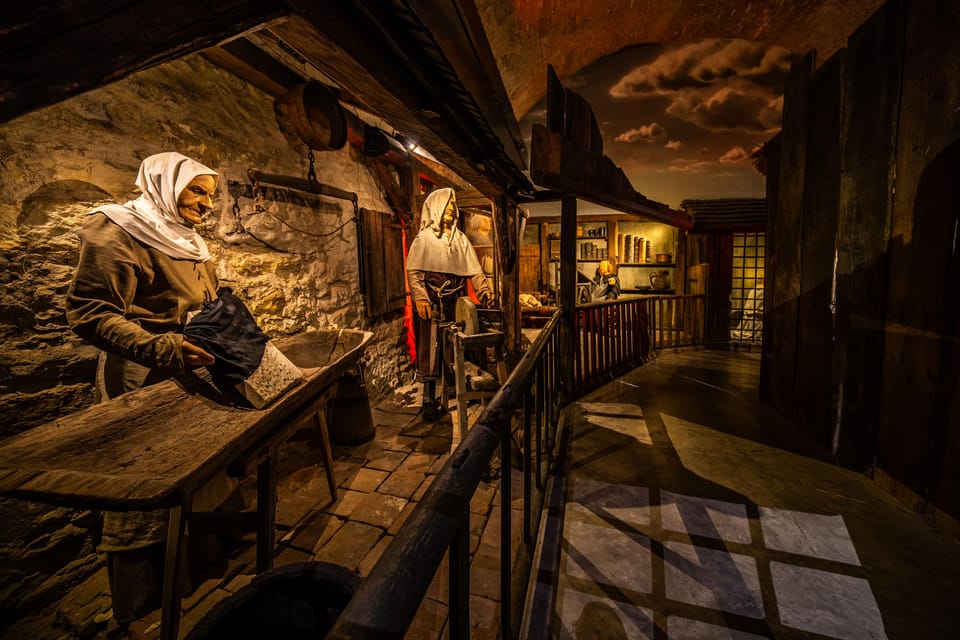
- Reconstructed cellar spaces on Celetná Street make the setting feel immediate, not like a distant textbook.
- Around 100 exhibits (plus dozens of period engravings) fit into about 400 m², so it’s a one-day visit that doesn’t drag.
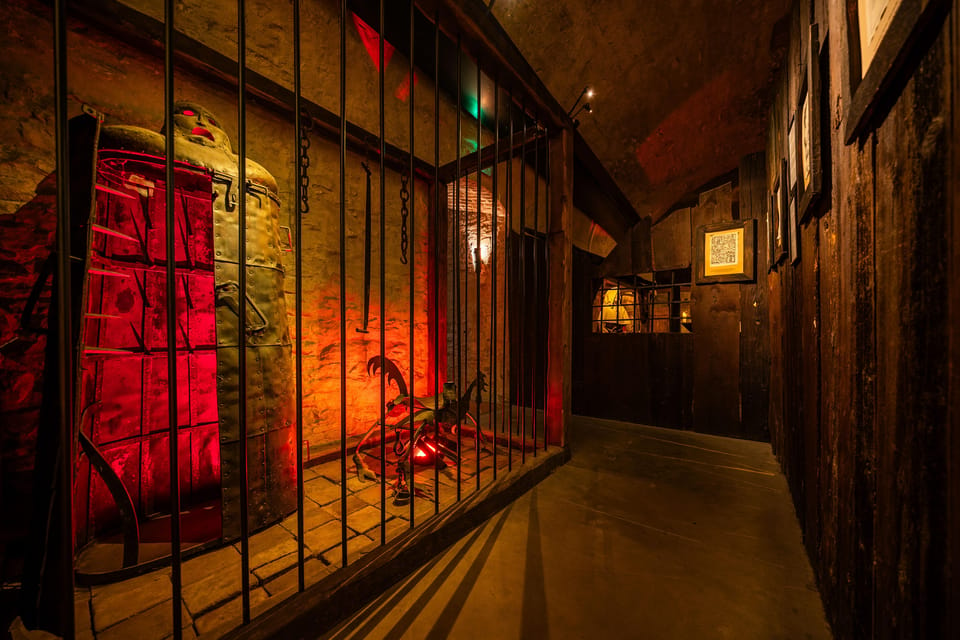
- Replica torture instruments such as the iron maiden, Spanish boot, rack, and pear help you see how tools were described and used.
- Legal context through documents and textual information explains how torture law was applied, not just what the devices looked like.
- Sound effects and two special audiovisual effects add intensity to the cellar tour experience.
Stepping Into Reconstructed Cellars on Celetná Street
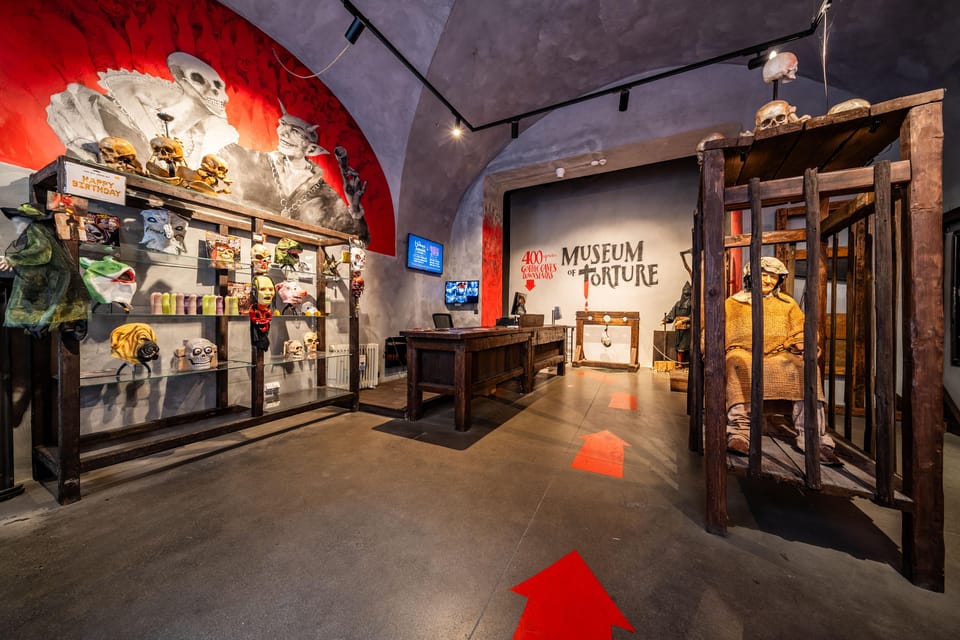
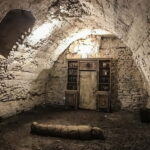
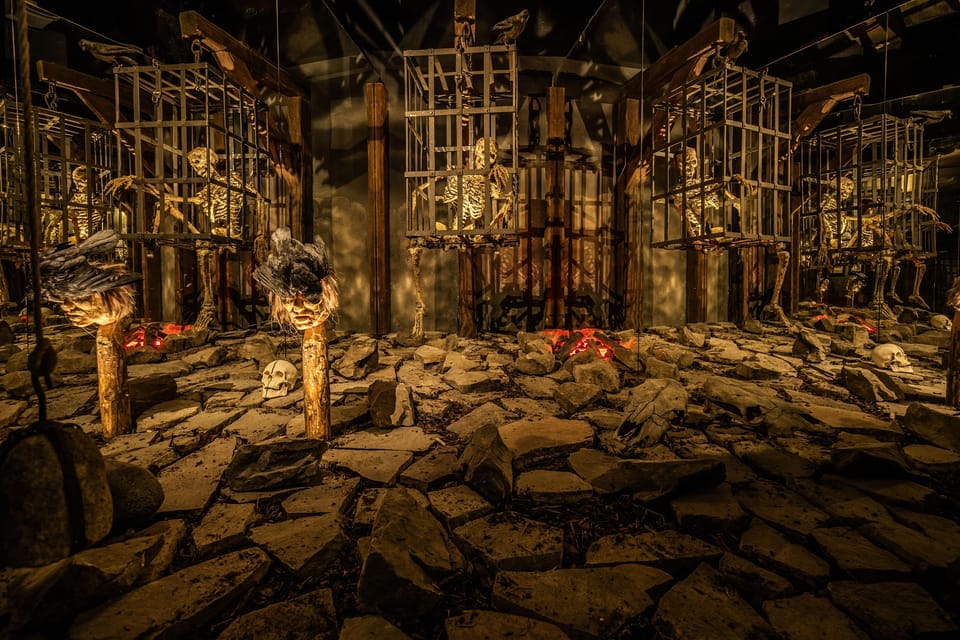
This museum is set up around reconstructed cellar areas on Celetná Street, right in central Prague. That matters because you’re not just looking at glass cases upstairs. You’re walking through rooms designed to feel enclosed, with staging that pushes you toward a more immersive, scene-by-scene experience.
What I appreciate here is that the museum doesn’t treat torture like Halloween props. It frames the exhibits as part of courtroom practice and legal enforcement over time. That context is the difference between reading about something awful and understanding how it was justified and carried out.
If you’re sensitive to graphic historical material, take that seriously before you go. The content is explicitly described as not suitable for young children or sensitive visitors, and the museum’s whole approach is meant to be emotionally direct.
You can also read our reviews of more tours and experiences in Prague



How the 400 m² Layout Guides Your Visit
The exhibition fits into a 400 square meter space, with around 100 exhibits and additional period engravings displayed across the rooms. That compact footprint is a practical win. You can plan this as a focused stop on a travel day without worrying that you’ll lose most of your afternoon.
In my view, the biggest benefit of the layout is how it supports cause-and-effect. The museum’s structure helps you connect these ideas:
- torture instruments (what they were)
- torture law (what they were allowed to do)
- judicial process (how decisions were made)
- consequences for society (what it did beyond the courtroom)
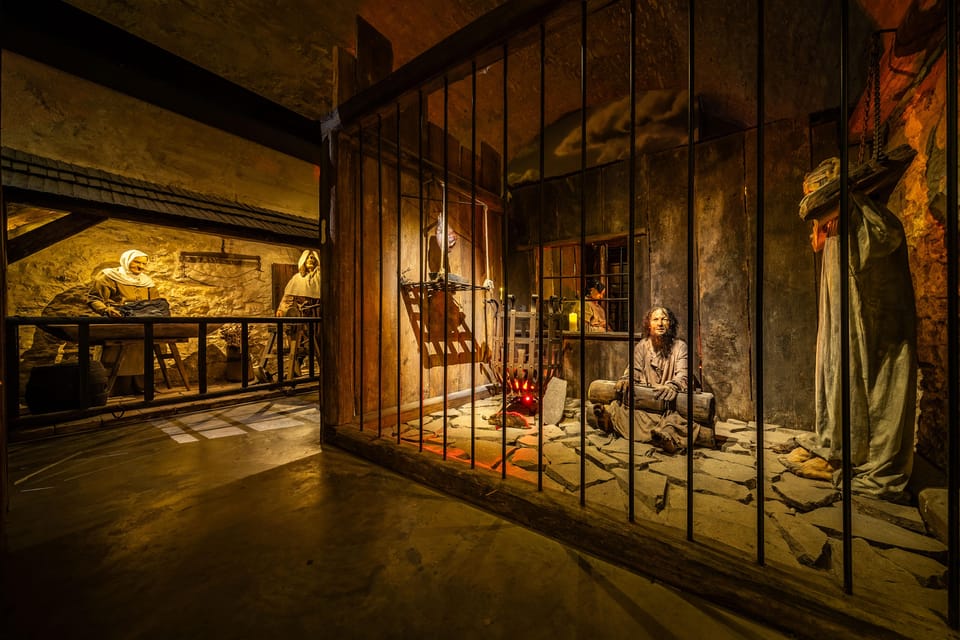
You’ll also spend time with wax figures placed in authentic settings. Even if you’re not a “visual learner,” those figures help you understand how the museum wants you to picture scenes rather than just memorize objects.
The Torture Instruments: What You’ll Recognize, and What They Mean
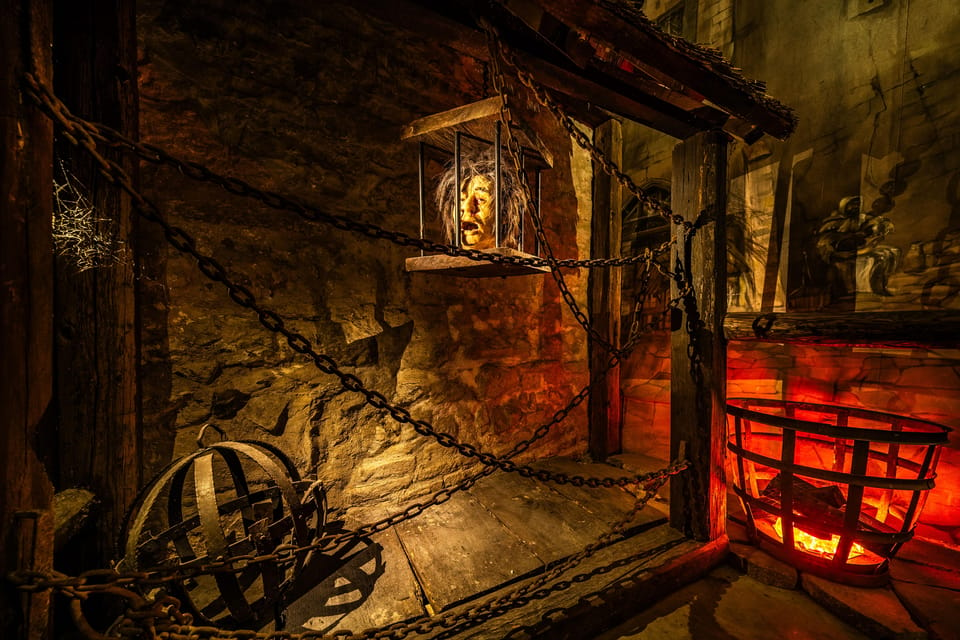
Yes, you’ll see famous torture devices—replicas of the kind people usually only hear about in stories. The standout examples specifically called out include the iron maiden, the Spanish boot, the rack, and the pear.
Here’s the practical takeaway: the museum presents these instruments as part of a legal system, not random cruelty. The aim is to show how torture was used to extract confessions or punish offenders. In other words, the devices are presented as tools tied to a process, which is exactly what makes the exhibit educational—and unsettling.
Another thing you’ll notice is the combination of physical objects plus written explanations. The museum includes textual information and documents that clarify historical and legal contexts. That means you can’t just stare at a device and guess what it did. The exhibit is trying to connect the object to the legal reasoning behind it.
If you prefer history that stays factual rather than sensational, this format helps. It’s still graphic, but it’s not only about shock value.
Torture Law in Plain Terms: Documents and Judicial Context
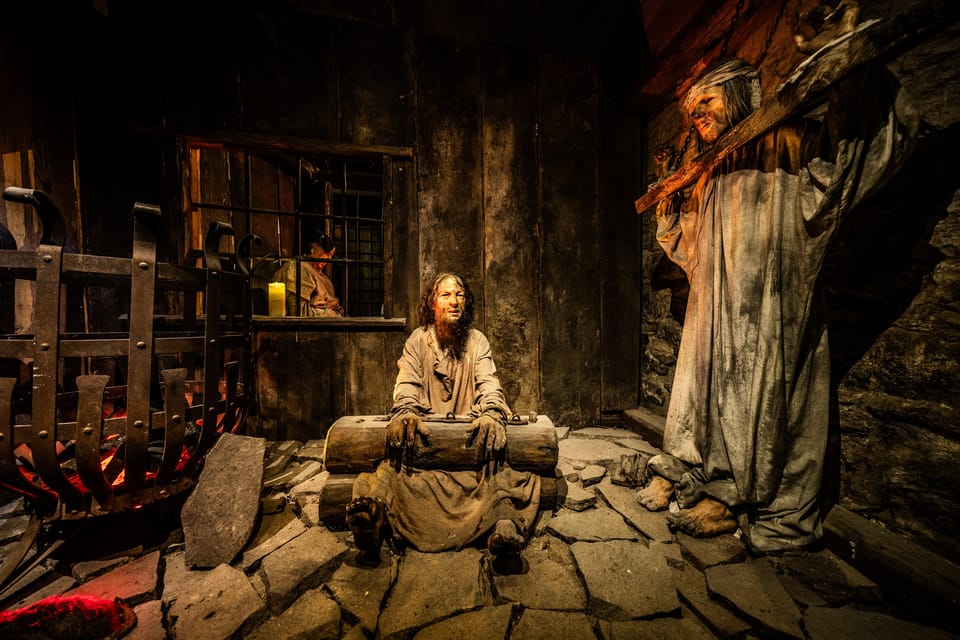
One of the strongest parts of the experience is the museum’s focus on torture law and how it was applied across centuries. Instead of treating the topic as a single era’s moral failure, the exhibition emphasizes application over time: when law permitted it, how it fit into judicial processes, and what it meant for people beyond the courtroom.
You’ll encounter documents and textual information that clarify the historical and legal backdrop. The museum also explains the role torture played in judicial processes and its consequences for society. That’s a key point for your mindset as you walk through the rooms.
Try to think of it like this:
- The exhibits show the instruments.
- The documents show the permission structure—how authorities framed torture as acceptable evidence or punishment.
- The legal context shows why society allowed it for as long as it did.
That “why” layer is what turns this from a dark photo stop into a learning experience you can actually carry with you.
The Role of Sound, Wax Figures, and Two Audiovisual Effects
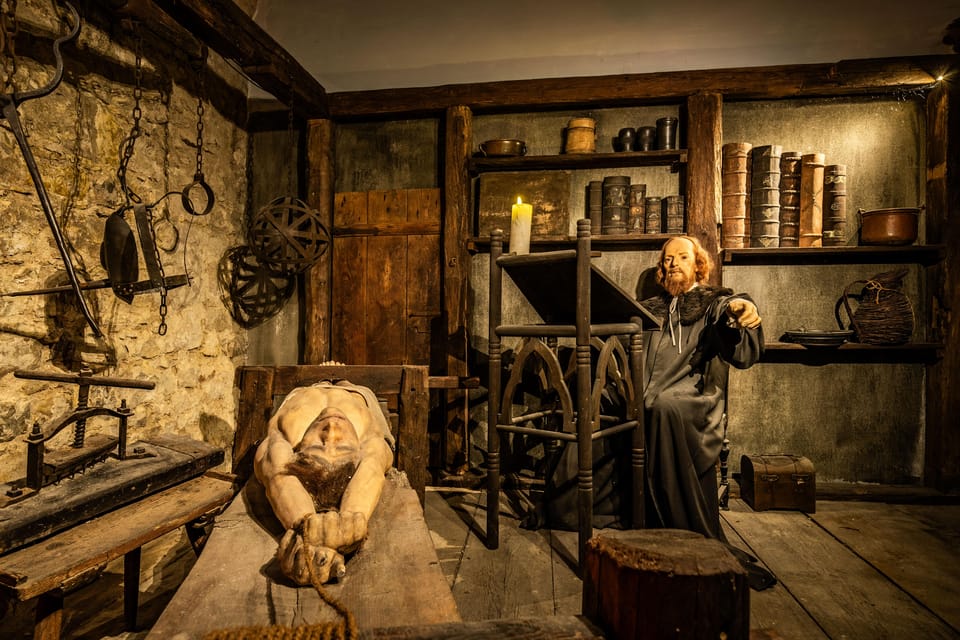
This museum doesn’t rely only on static displays. The experience is enhanced by sound effects and special audiovisual effects, including two highlighted audiovisual moments. Those effects are designed to intensify the cellar tour and keep you oriented inside the story the exhibition is telling.
You’ll also see wax figures placed in more authentic-looking settings. For some people, that detail makes the scenes feel more real than simple artifacts do. For others, it’s exactly the point—because the museum is trying to recreate atmosphere, not just present objects.
A practical tip: go in expecting sensory elements. If you’re the type who gets overwhelmed by heavy audio or theatrical staging, prepare yourself. The exhibit is meant to be emotionally strong.
You can also read our reviews of more museum experiences in Prague



Ticket Price and Value: What $9 Gets You in Prague
At about $9 per person, this entry ticket is priced for a short, focused visit rather than a long “full day attraction.” And that’s what you’re getting: a 1-day experience with a dense set of exhibits inside roughly 400 m².
The value comes from how much the museum packs in:
- around 100 exhibits
- dozens of period engravings
- replica instruments you’ll recognize by name
- legal documents and textual context
- multiple staging elements (sound effects, wax figures, and audiovisual moments)
If you like museums that mix objects with explanations, this is a good match. If you only want light sightseeing, it can feel heavy—because the topic is inherently graphic and dark. But for the right traveler, the price-to-content ratio is solid.
Who Should Choose This Experience (and Who Should Skip)
This is best for adults and older teens who can handle graphic historical material. The museum itself warns that the exhibition is not recommended for sensitive individuals or young children due to its graphic content, and I agree that your comfort should lead here.
Choose it if you:
- want more than entertainment and prefer legal/historical framing
- are curious about how judicial systems worked in the past
- don’t mind a strong, serious atmosphere
Consider skipping it if you:
- get distressed by graphic depictions of violence and punishment
- prefer museums that stay strictly observational with minimal atmosphere
Also, plan your timing with care. The experience is designed to intensify during the cellar tour, so don’t stack it right before something you want to feel cheerful about. Put it in the middle of your day when you can metabolize what you just learned.
Should You Book This Museum of Torture Entry Ticket?
I think you should book if you’re looking for a short Prague stop that’s built around context—not just shock. The combination of replica instruments, legal documents, and the added staging from sound and audiovisual effects makes it a museum visit that explains the system, not only the objects.
Skip it if the topic makes you uneasy, or if you’re bringing anyone who can’t handle graphic content. This isn’t a “quick peek.” It’s a focused, dark theme experience.
If you do book, treat it as a serious history visit. Give yourself time to read the written context as you go, and you’ll leave with more than just images—you’ll understand how torture law was presented and applied, and why that mattered for society.
FAQ
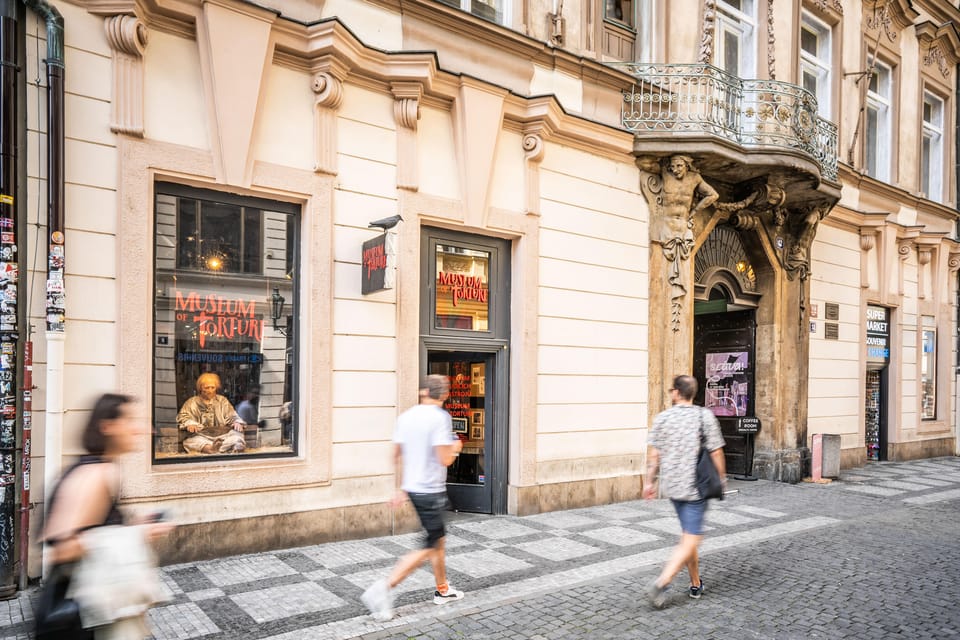
Where is the Museum of Torture located?
The museum is located in central Prague, in reconstructed cellar spaces on Celetná Street.
How long does the experience take?
It’s listed as a 1-day entry ticket. You should plan for a focused museum visit rather than an all-day event.
How much is the ticket?
The price is listed as about $9 per person.
What’s included with the ticket?
The ticket includes entry to the Museum of Torture.
What will I see inside?
You can expect around 100 exhibits and dozens of period engravings in about 400 square meters, including replicas of torture instruments like the iron maiden, Spanish boot, rack, and pear.
Are there audio or visual effects?
Yes. The museum uses sound effects and special audiovisual effects, including two highlighted audiovisual moments.
Is the museum available in English?
Yes. The host/greeter is listed as English, and English is the language for the experience.
Is it appropriate for children?
No. The exhibition is not recommended for sensitive individuals or young children due to its graphic content.
What are my cancellation options?
Free cancellation is available if you cancel up to 24 hours in advance for a full refund.