REVIEW · PRAGUE
Prague: Mozart Interactive Museum Entry Ticket
Book on GetYourGuide →Operated by Mozart Interactive Museum · Bookable on GetYourGuide
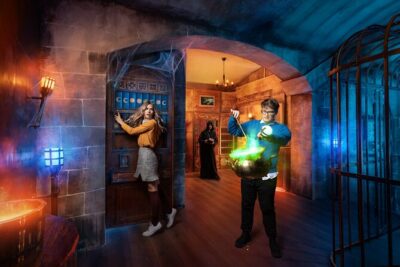
Mozart, but make it interactive. You’ll move through a Mozart-themed museum in Prague’s historical center where the focus is hands-on learning, not just reading plaques. I like the way it mixes music-making with story scenes, and I also love the option to make personalized photos and videos you can share right away.
There’s a lot packed into roughly an hour, so the main drawback is simple: if you’re looking for a slow, quiet stroll with lots of sitting time, you might feel a bit rushed. Also, there’s a note saying wheelchair access is available, but another line says it’s not suitable for wheelchair users—so you’ll want to confirm before you plan your route.
In This Review
- Key things to know before you go
- Walking into Prague’s Mozart world
- The hour-by-hour vibe: what you’ll actually do
- Playing the cembalo (with instructions from Leopold)
- Enters Empress Maria Theresa (and the social side of genius)
- Conducting the Prague premiere of Don Giovanni
- Tech tools: VR, voice-overs, and shareable creations
- Virtual reality experiences
- Personalized photos and videos
- Multilingual exhibits keep the experience inclusive
- What makes it good value for about $18
- Practical details that make your visit smoother
- What to bring
- Flash photography is not allowed
- You’ll likely use public transport
- Food and drinks aren’t included
- Wheelchair access note: check before you go
- Who this museum fits best (and who might not)
- Should you book the Mozart Interactive Museum in Prague?
- FAQ
- How long does the Mozart Interactive Museum ticket last?
- What languages are available inside the museum?
- How much does it cost?
- Are food and drinks included?
- Can I take photos with a camera?
- Is the museum wheelchair accessible?
Key things to know before you go
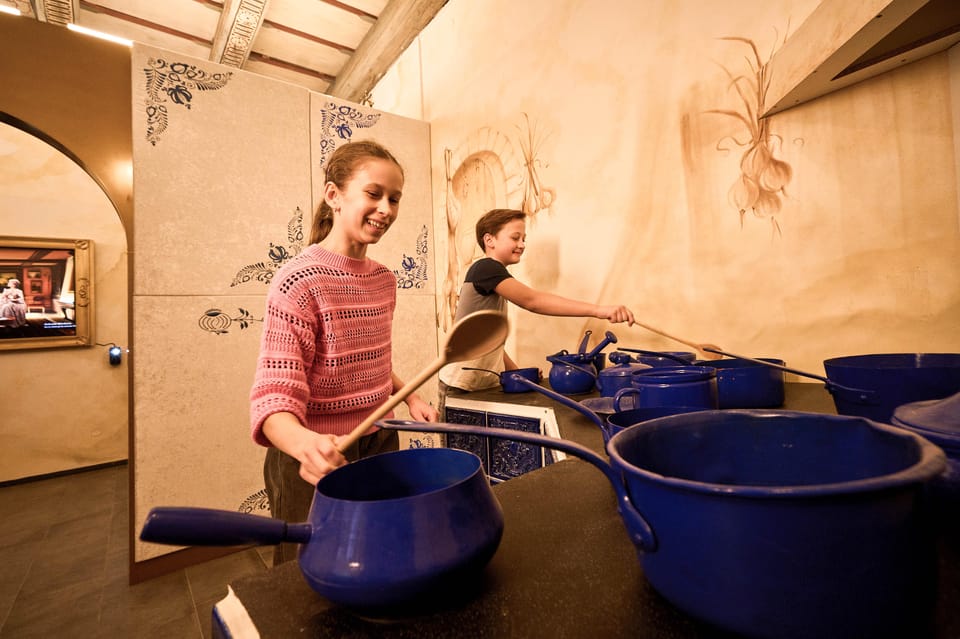
- Interactive music stations where you can follow instructions to play the cembalo
- Story-driven experiences tied to Empress Maria Theresa and the Prague premiere of Don Giovanni
- Virtual reality and tech-based exhibits plus newly recorded music and voice-overs
- Multilingual presentation in English, German, Italian, and Czech
- Photo and video creation tools designed for sharing with family and friends
- Practical visitor tips: comfortable shoes, camera allowed, and no flash photography
Walking into Prague’s Mozart world
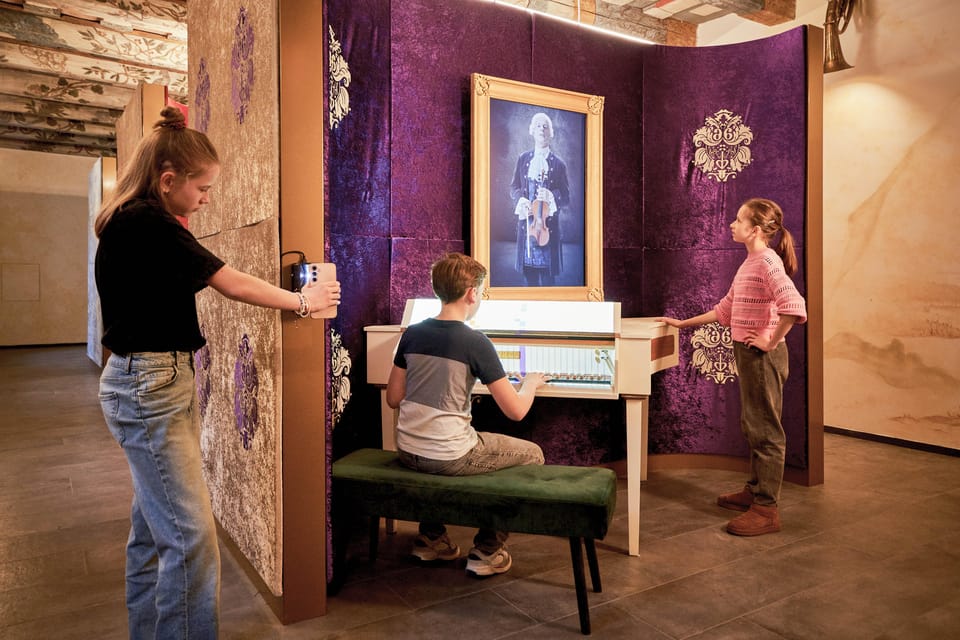
Prague has a way of making music feel physical. The streets, the old buildings, the feeling that history is right there next to you—so it fits that this museum aims to do more than explain Mozart. It turns his life and works into activities you can do with your own hands, not just facts you absorb.
The museum experience is built around a clear idea: you learn Mozart through scenes and tasks. You’ll encounter newly recorded music, Mozart voice-overs, short films, models, virtual reality, and text and paintings. It’s basically museum learning with extra motion and audio, which helps if you’re the type who remembers best when you’re doing something.
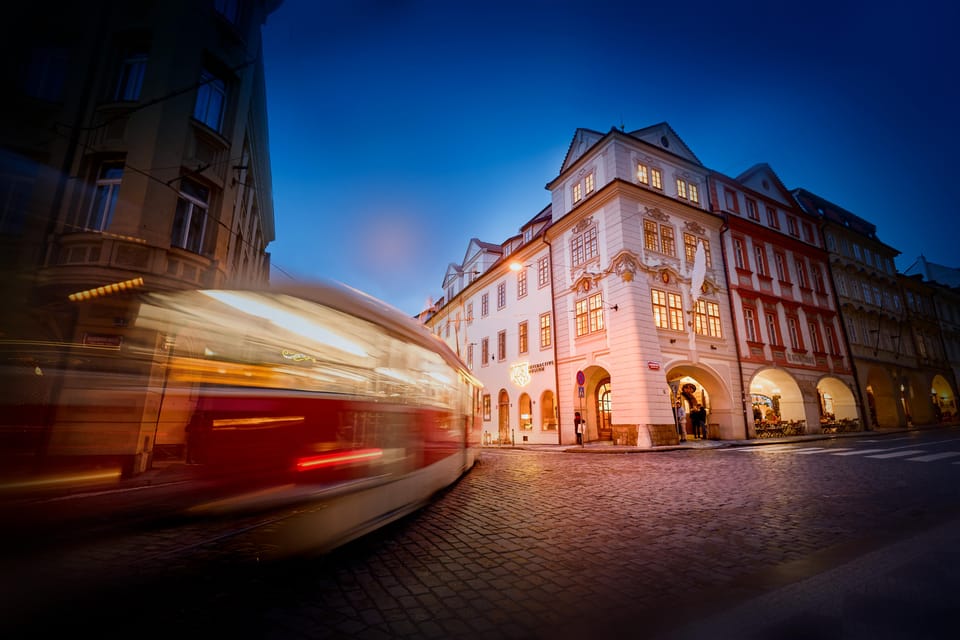
And yes, the location matters. Being in Prague’s historical center means you can pair this with a walk outside afterward. Even if you only have an hour, the timing works nicely with a half-day plan.
You can also read our reviews of more tours and experiences in Prague



The hour-by-hour vibe: what you’ll actually do
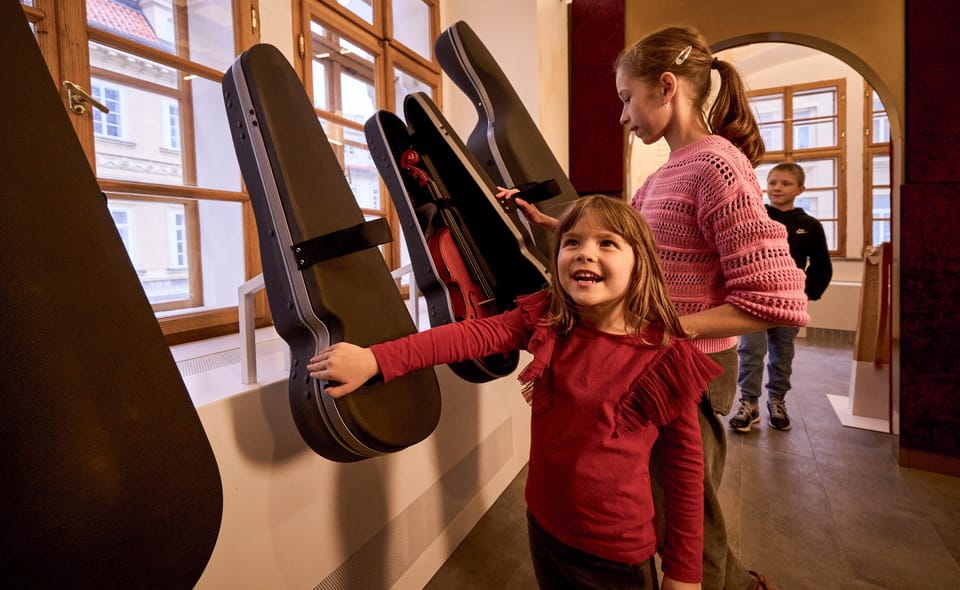
This is listed as a 1-hour experience, and your ticket time matters. Check availability for your exact starting time, because that controls the flow. Plan to arrive a few minutes early so you’re not rushing through the door and feeling behind.
Inside, expect a sequence that feels like stations. You’ll encounter multiple layers of media—audio and video, plus interactive elements—then you’ll hit the hands-on highlights:
Playing the cembalo (with instructions from Leopold)
One of the standout parts is the chance to play the cembalo. You follow instructions attributed to Mozart’s father, Leopold. That’s more than a gimmick. It frames Mozart’s musical life as a guided process—practice, family influence, learning, then performance.
For you, this is the difference between reading about “how composers worked” and actually doing a small slice of it. If you’ve never touched a keyboard-like instrument before, don’t worry. The activity is designed to be approachable. It won’t turn you into a Mozart overnight. But it should make you understand the rhythm of composing and performing in a more personal way.
Enters Empress Maria Theresa (and the social side of genius)
The museum also stages a moment where you entertain Empress Maria Theresa. This matters because Mozart isn’t just notes on paper. Court culture, patrons, and political connections shaped what music got heard and where it went.
So even if you’re not a deep classical-music expert, you’ll get a practical takeaway: music in Mozart’s era was social. It lived in rooms with people who had influence. By turning that into an interactive scene, the museum helps you connect the personal drama and stakes to the composer’s output.
Conducting the Prague premiere of Don Giovanni
Then comes a big storyline beat: conducting the Prague premiere of Don Giovanni. That’s a smart choice for an interactive setting because conducting gives you a role. You’re not only receiving information—you’re acting out the idea of direction and interpretation.
You’ll likely feel the biggest value here if you enjoy “try it yourself” experiences. Even a simplified conducting-style activity can change how you listen later. Suddenly you might pay attention to pacing, timing, and the way music moves as if it has characters.
You can also read our reviews of more museum experiences in Prague
Tech tools: VR, voice-overs, and shareable creations
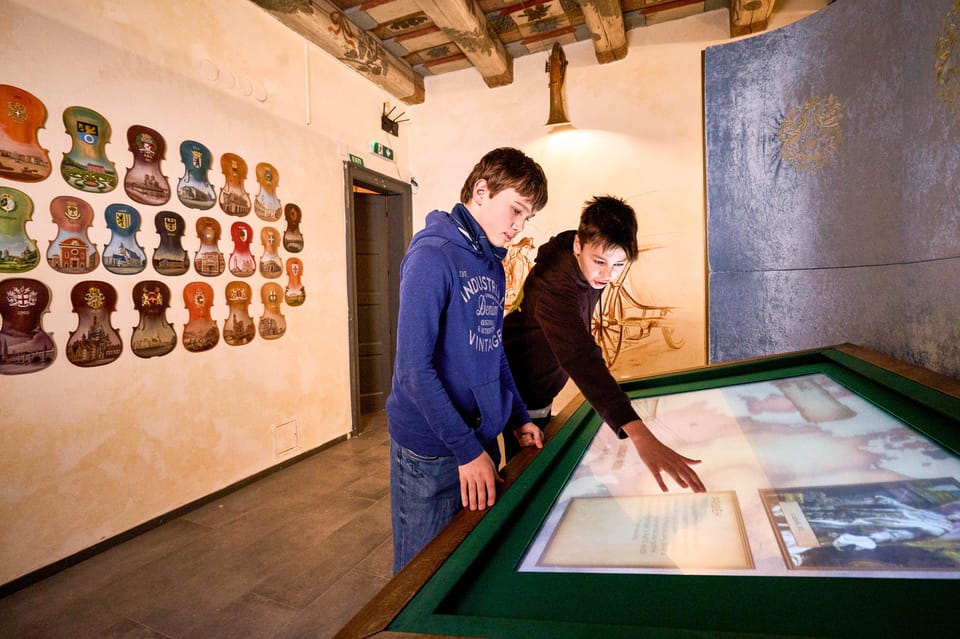
This museum uses tech for a purpose: to make Mozart feel present. You’ll see a mix of newly recorded music and voice-overs, plus short films and virtual reality. There’s also the use of models, which is helpful because they can show things that flat text can’t.
Virtual reality experiences
Virtual reality is included, and that’s usually what turns a museum visit from “interesting” into “I’ll remember this.” The key for you is to treat VR as part of the story, not a separate attraction. It’s there to support the Mozart narrative the museum is building—his world, his favorite city, and the atmosphere around his work.
If you’re sensitive to motion or video effects, take it at your comfort level. VR sessions can feel more intense than a normal screen.
Personalized photos and videos
I really like that you can create personalized photos and videos. This is one of those practical perks: you leave with something you made, not just a selfie in front of a sign.
For planning, it helps to think about timing. If you want to get the most out of the creation tools, don’t rush past them. When a museum offers shareable media, the best results usually come from slowing down for the moment that generates your content.
Multilingual exhibits keep the experience inclusive
The museum is offered in English, German, Italian, and Czech. That matters because language can shape what you take away, especially in an interactive setting with instructions and narrated scenes.
If you’re traveling in a mixed-language group, this is a good sign. Everyone can follow along without needing to rely on a single person’s translation.
What makes it good value for about $18
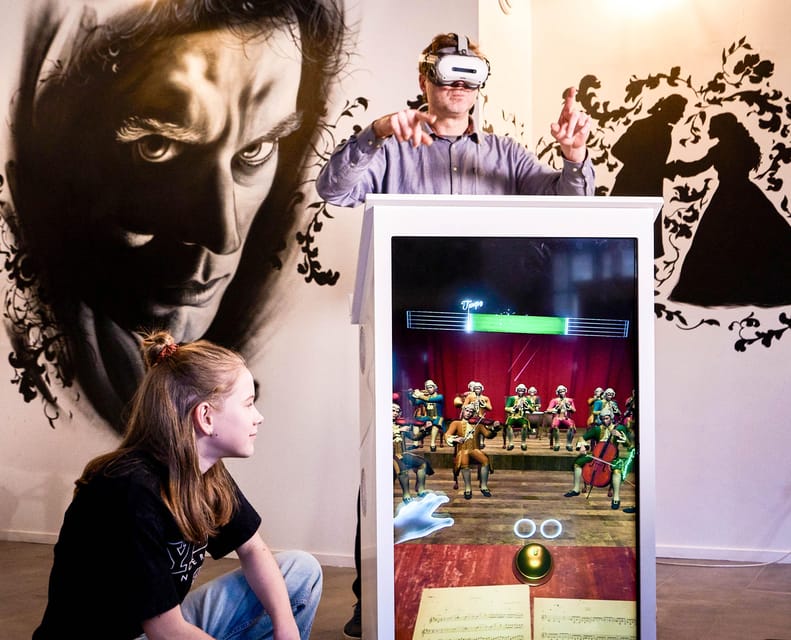
At around $18 per person, you’re paying for about an hour of interactive content: music activities, VR, multilingual narration, and built-in creation tools for photos and videos. That’s a lot of deliverables for one admission.
Here’s the value logic I use:
- You’re not paying only for entry to “look around.” You’re paying for activities.
- You’re getting media (audio, video, VR) plus interactive tasks (cembalo, conducting).
- You’re leaving with shareable content you created during the visit.
Compare that to museums where you mostly read and glance. This one aims to get you active quickly, which usually makes the time feel worth it.
Still, the value depends on your style. If you love classical music and performance, you’ll likely enjoy the way the museum turns Mozart’s works into scenes. If you’re not a music person, the visuals and VR might still work, but you may not feel the same emotional connection.
Practical details that make your visit smoother
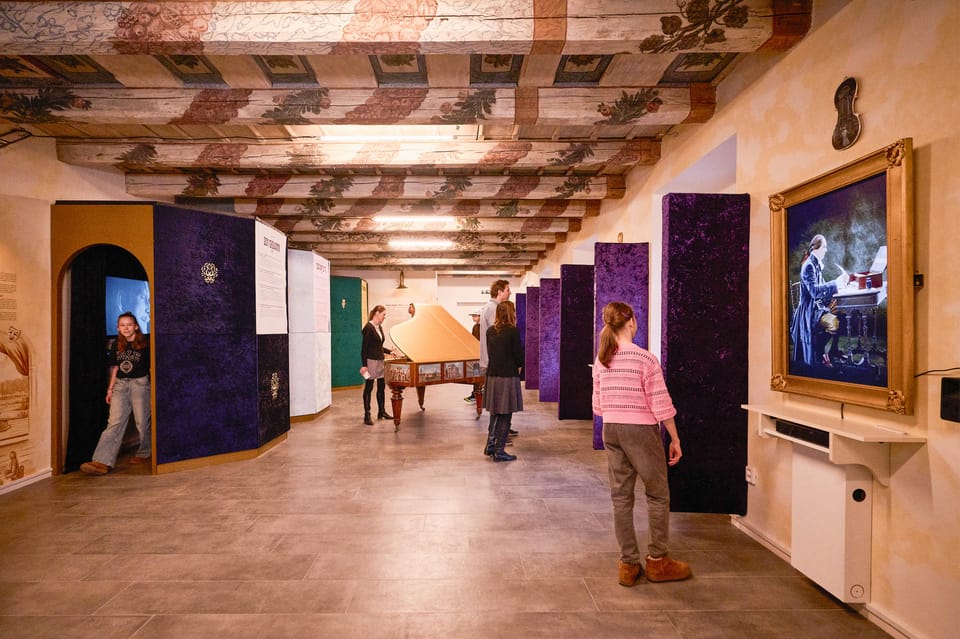
These small things can make or break an hour.
What to bring
Bring comfortable shoes. You’ll move through interactive spaces, and you don’t want to cut your feet short mid-experience. Also bring a camera—photo and video creation is part of the attraction.
Flash photography is not allowed
No flash photography. That’s common in museums, but it’s worth remembering so you’re not surprised when you try to take a quick shot. If you want great pictures, rely on normal lighting and avoid flash mode.
You’ll likely use public transport
Transportation to and from the museum isn’t included, but the museum is accessible by public transport. If you’re building an itinerary, plan your route so you’re not scrambling right at starting time.
Food and drinks aren’t included
Food and drinks aren’t part of the ticket. If you’re pairing this with other sights, decide beforehand where you’ll eat. Don’t assume there’s a café stop built into the experience.
Wheelchair access note: check before you go
The information is a little inconsistent. One part says the museum is wheelchair accessible, while another line says it’s not suitable for wheelchair users.
Here’s what I’d do if you’re planning with mobility needs: confirm directly with the provider or booking platform before you finalize your day. That way you can verify entrance routes, exhibit accessibility, and whether any interactive parts might be hard to access.
Who this museum fits best (and who might not)
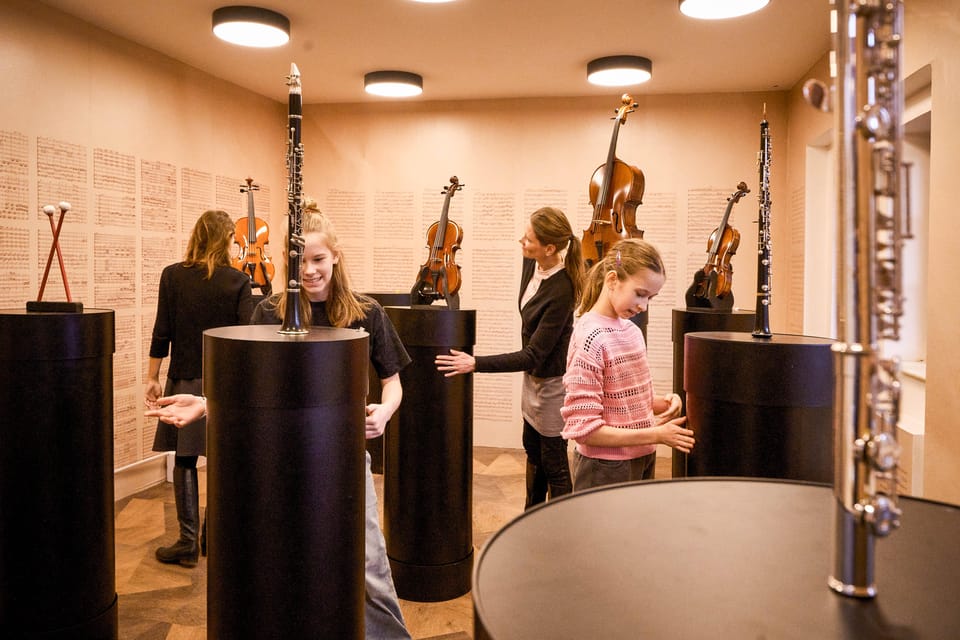
This experience works especially well for:
- Families and all ages (it’s listed as suitable for visitors of all ages)
- People who learn by doing, not just reading
- Mozart fans who want a practical way to connect the composer to Prague scenes
- Travelers who like experiences that generate a shareable memory (personalized photos and videos)
It may be less ideal if:
- You want a slow museum pace with lots of quiet time
- You need extra time for multiple VR segments or interactive tasks (since the total duration is about one hour)
- You rely on guaranteed wheelchair suitability and need clarity on access setup (given the conflicting notes)
Should you book the Mozart Interactive Museum in Prague?
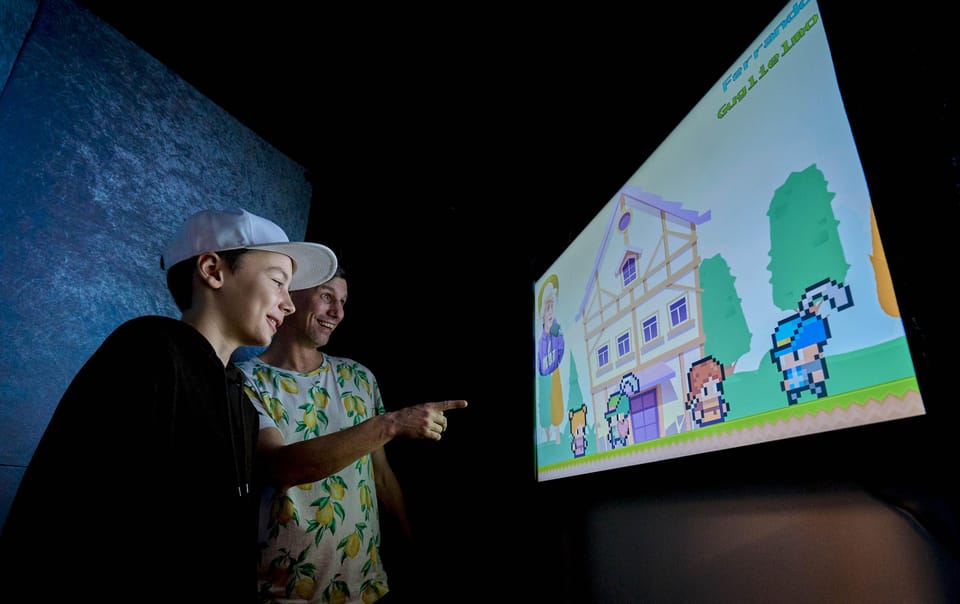
If you’re in Prague and you want an hour that feels hands-on, I think booking makes sense. For the price, you’re getting music interaction (cembalo), story-based scenes (Maria Theresa and Don Giovanni), virtual reality, and the tools to create personalized photos and videos. That combination is exactly what turns a museum stop into a true experience.
I’d book when you can commit to the starting time and when you’re comfortable moving through interactive areas for about an hour. If mobility access is central to your plan, confirm the accessibility details first so there are no surprises.
In short: if you’d enjoy learning Mozart through playing, conducting, and tech-supported story scenes, this is a smart use of time in Prague.
FAQ
How long does the Mozart Interactive Museum ticket last?
The duration is listed as 1 hour. You should check availability to see the starting times.
What languages are available inside the museum?
The interactive experience is available in English, German, Italian, and Czech.
How much does it cost?
The price is listed as $18 per person.
Are food and drinks included?
No, food and drinks are not included.
Can I take photos with a camera?
A camera is recommended, but flash photography is not allowed.
Is the museum wheelchair accessible?
Wheelchair accessibility is listed, but there is also a note saying it is not suitable for wheelchair users. Check with the provider before you go to confirm what will work for your specific needs.