REVIEW · PRAGUE
Prague Jewish Town/Skip-the-Line Official Entry Ticket
Book on GetYourGuide →Operated by Židovské muzeum v Praze/Jewish museum in Prague · Bookable on GetYourGuide
Prague’s Jewish Town makes time feel thick. With a single official skip-the-line entry ticket, you can visit five key sites in a mostly self-guided route. I like that you can move at your own speed in places that deserve slow reading, and I also like seeing how the community’s story shifts building to building. One thing to consider: you’re on a schedule based on opening hours and closures, so you’ll want to plan your day (especially around Saturdays and Jewish holidays).
This ticket covers the big names you came for: the Old-New Synagogue (Altneushul), the Old Jewish Cemetery, and three more major synagogues tied to different eras. For me, the value is that it saves time at the doors while still letting you linger inside. The one drawback is that there’s no built-in guide narration here, so if you crave lots of background with minimal effort, you may want an audio guide or a separate guided tour for extra context.
The good news is the experience is structured so you can actually make sense of it. You’ll start at Maisel, then Pinkas, then the Old Jewish Cemetery, onward to Old-New, and finish at the Spanish Synagogue. Plan a calm pace over multiple days and you’ll get more out of the layers than you would trying to sprint through all five in one morning.
In This Review
- Key takeaways before you go
- What the Prague Jewish Town ticket actually includes (and what you pay extra for)
- Your 3-day route: Maisel to Spanish, in a logical order you can actually follow
- Maisel Synagogue: starting with a leader tied to Emperor Rudolf II
- Pinkas Synagogue: the Shoah memorial that hits close to home
- Old Jewish Cemetery: one of Europe’s oldest burial grounds and the Maharal’s resting place
- Old-New Synagogue (Altneushul): the oldest extant synagogue still active
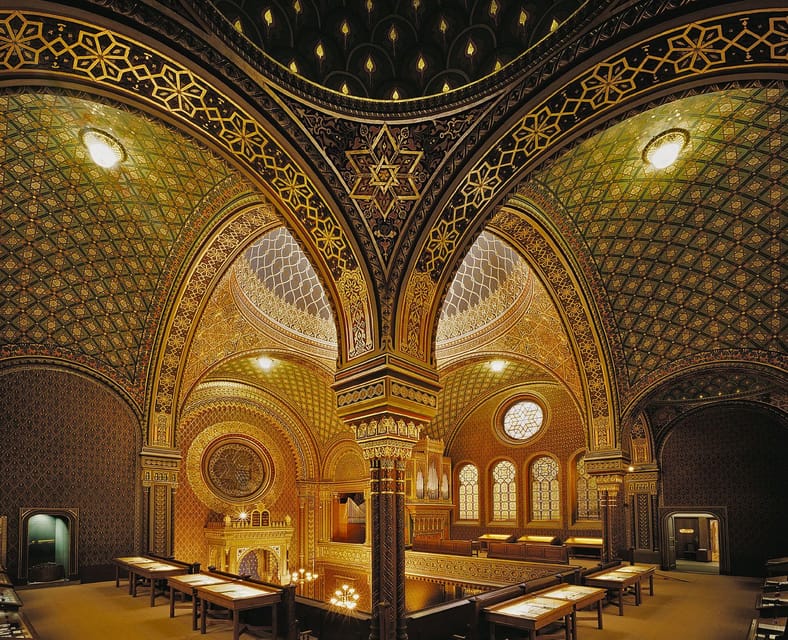
- Spanish Synagogue: Moorish interior design with Alhambra influence
- Price, value, and when you might still want a guide
- Opening hours and closures: plan around the calendar
- Visitor rules you should know (so you don’t get stopped at the door)
- How I’d pace it over 3 days without burning out
- Should you book the Prague Jewish Town skip-the-line ticket?
- FAQ
- What sites are included with the Prague Jewish Town skip-the-line ticket?
- How long is the ticket valid?
- Do I need to visit all five places in one day?
- What is the visit order for the included sites?
- Is skip-the-line entry included?
- Are the sites open on Saturdays and Jewish holidays?
- Is wheelchair access available?
Key takeaways before you go
- Skip-the-line entry across five major Jewish Town sites saves you real time at each stop.
- A 3-day valid window (from first activation) lets you spread visits out instead of cramming.
- The Old-New Synagogue (Altneushul) is still active and has been central for over 700 years.
- The Pinkas Synagogue memorial brings the Shoah remembrance into a very specific, human scale.
- The Spanish Synagogue’s Moorish interior feels dramatically different from the rest of the complex.
- Clear visitor rules mean you’ll avoid surprise refusals at the entrance.
What the Prague Jewish Town ticket actually includes (and what you pay extra for)
This is an official entry ticket to Prague Jewish Town with access to five sites. You’re paying for admissions to:
- Old-Jewish Cemetery
- Old-New Synagogue
- Maisel Synagogue
- Pinkas Synagogue
- Spanish Synagogue
The price is $27 per person, and what makes that number make sense is the number of doors you can open. In Prague, waiting in line for separate attractions can quietly eat hours. Here, the skip-the-line part matters because you’re visiting multiple buildings back-to-back.
What is not included:
- Hotel pickup and drop-off
- Food and drinks
- Personal expenses
That last part is simple: if you need snacks or drinks, you’re on your own. Also, the rules inside are strict about what you can bring, so plan to travel light.
In practical terms, this ticket is best viewed as an efficient “access pass” more than a guided experience. The history is there, but the way you absorb it is up to you.
You can also read our reviews of more tours and experiences in Prague



Your 3-day route: Maisel to Spanish, in a logical order you can actually follow
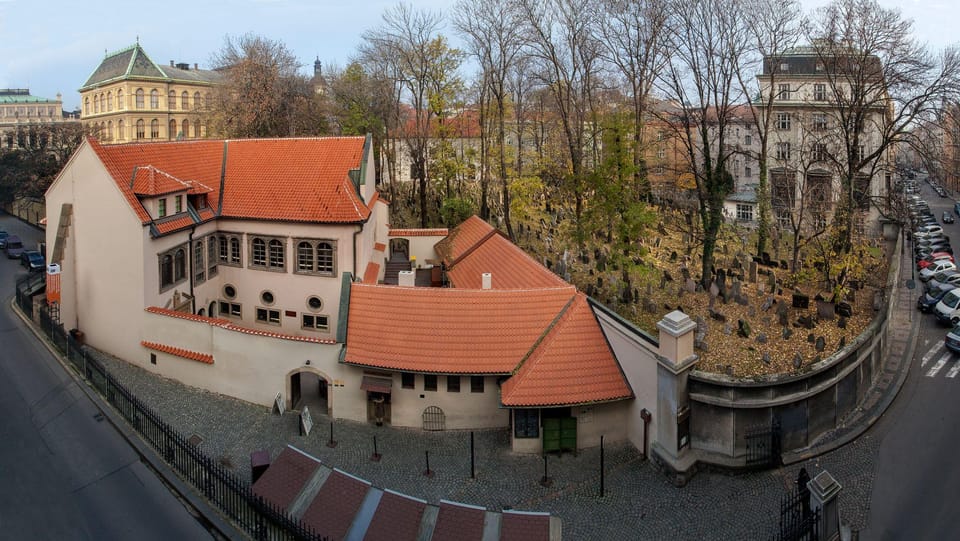
Your visit order is set, and it helps you build a mental timeline:
- Maisel Synagogue
- Pinkas Synagogue
- Old-Jewish Cemetery
- Old-New Synagogue (Altneushul)
- Spanish Synagogue
The ticket is valid for 3 days from first activation, which is a huge advantage. If you’re the type who likes to read, look closely, and step back to think, you won’t feel forced to rush. You can also split it across two days if one day is too packed with other Prague sights.
The experience ends back at the meeting point, so the route is designed to keep you from getting stranded far away from where you started. Still, you’re walking between sites, and Prague’s streets aren’t built for lounging. Wear shoes you’d happily walk in for an hour.
Maisel Synagogue: starting with a leader tied to Emperor Rudolf II
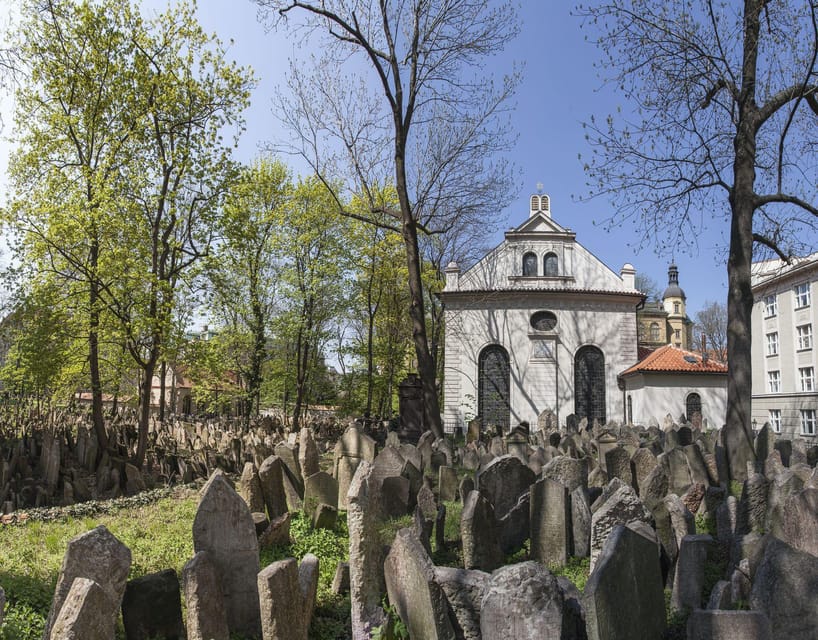
You begin at Maisel Synagogue, founded by Mordecai Maisel, who served as mayor of the Prague Jewish Town during the rule of Emperor Rudolf II. Starting here is smart because it gives you a sense that the Jewish community wasn’t only surviving; it was also organized, influential, and politically connected in its own way.
Even if you only skim the information panels, you’ll feel the difference between “a synagogue as a house of worship” and “a synagogue as a public statement of a community.” Maisel’s name anchors the story in a specific person and era, and that makes later stops easier to place.
Potential drawback: if you arrive without any curiosity about who funded what and when, the first minutes can feel like you’re just “entering another building.” Give it a few minutes. Look for the information that ties this synagogue to the leadership of the time. That’s where it clicks.
Pinkas Synagogue: the Shoah memorial that hits close to home
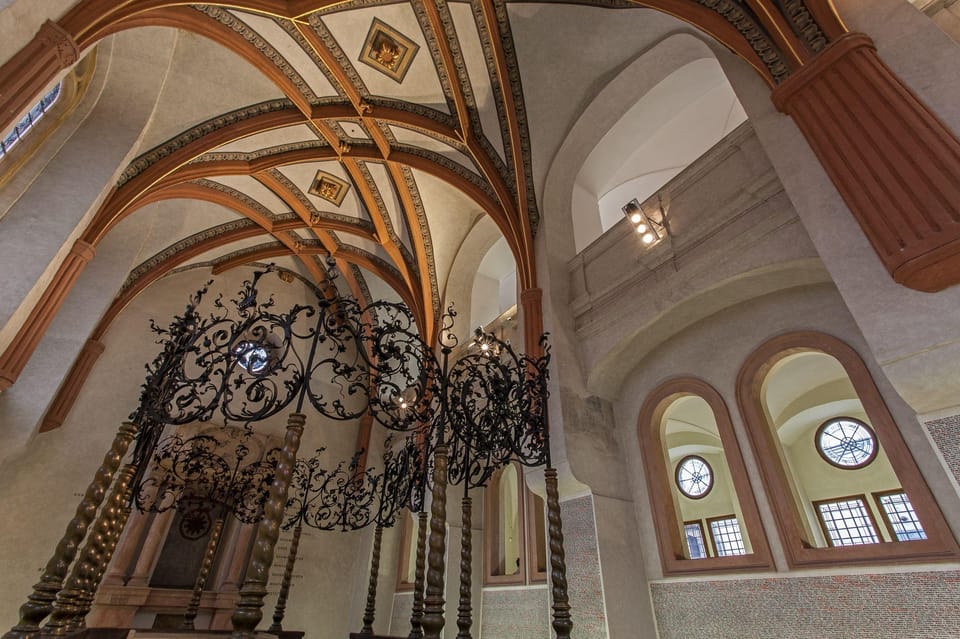
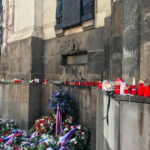
Next is Pinkas Synagogue, where the focus shifts from past community life to remembrance. This synagogue serves as a memorial to nearly 80,000 Jewish victims of the Shoah from the Czech lands.
That number matters. It also matters that this is not an abstract museum-style panel you speed past. Pinkas is designed to be read, and the experience tends to make people slow down. I found the strongest effect comes from taking the time to absorb what’s presented rather than trying to treat it like a quick photo stop.
What to watch for: the emotional impact can be intense, especially if you’re pairing this with lighter sightseeing. If you’re visiting with family members, keep the pacing gentle. Plan a short break after Pinkas if you need it.
And yes, this is one of those places where you might wish you had a live guide for extra context. The ticket doesn’t provide a guide, but that’s where an audio guide can help you connect the names and dates to the broader story.
Old Jewish Cemetery: one of Europe’s oldest burial grounds and the Maharal’s resting place
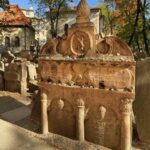
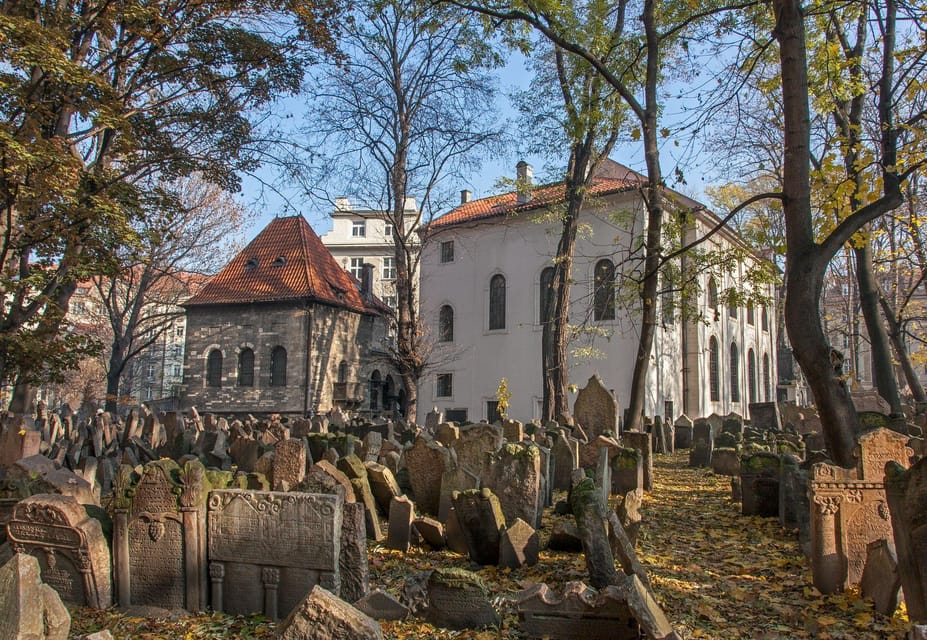
Then you move to the Old Jewish Cemetery. It’s described as one of the oldest surviving Jewish burial grounds, founded in the first half of the 15th century.
This stop is powerful because it changes the tempo. You’re no longer in a room built for ceremony. You’re in a space shaped by remembrance and continuity. And the cemetery is closely linked to one of the best-known figures in Prague Jewish history: Rabbi Judah Loew Ben Bezalel, known as the Maharal of Prague.
If you’re the kind of person who reads inscriptions slowly, this is your best place to do it. Let your eyes wander across what’s there, then return to the key information so you understand what you’re seeing.
Consideration: outdoor spaces can be more weather-dependent than the synagogues. If Prague is chilly or rainy, you may want to layer up and plan a slightly longer visit earlier in the day when you’re less rushed.
You can also read our reviews of more tours and experiences in Prague




Old-New Synagogue (Altneushul): the oldest extant synagogue still active
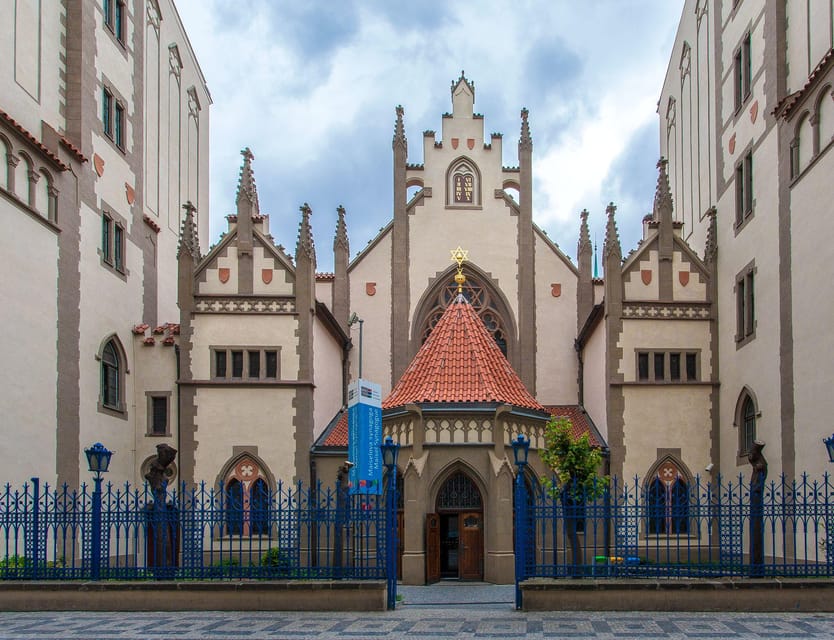
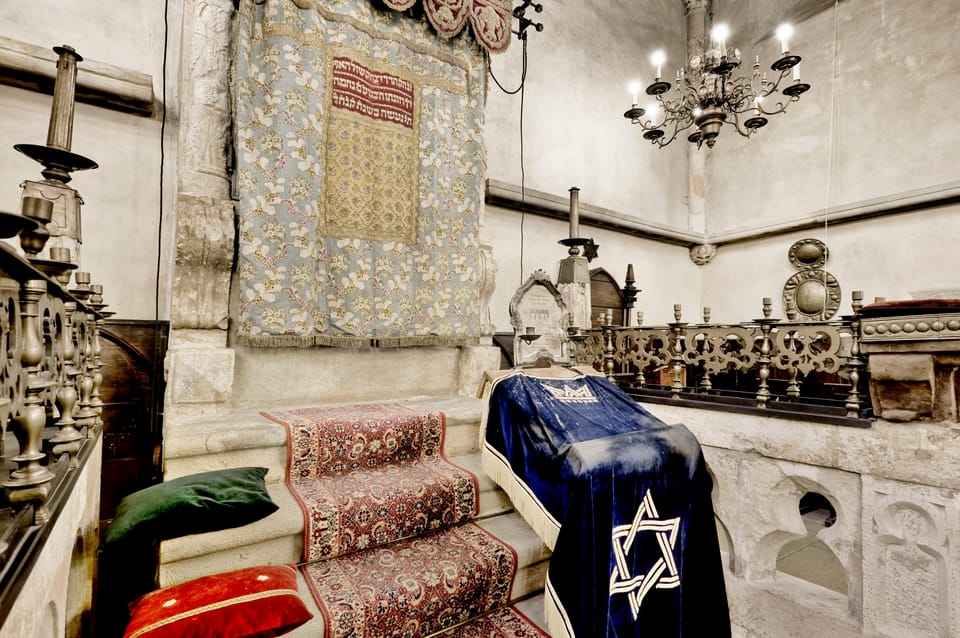
After the cemetery, you step into Old-New Synagogue, also called Altneushul. This is one of the big headline reasons to buy the ticket. It’s described as the oldest extant synagogue in Europe and has been the main synagogue of the Prague Jewish community for more than 700 years.
The “still active” part matters. It changes the feeling from history-only to living tradition. Even if your visit is self-guided, you’re entering a space that has kept its purpose through centuries of change.
What I like here is that you can feel the continuity while still noticing how the building’s role evolved. It’s not just an old structure. It’s a working center that has had to endure.
If you want a practical tip: don’t rush straight to the most famous features. Spend a few minutes just orienting yourself in the space—then read the signs and explanations. That’s the easiest way to make sense of what you’re seeing without needing a guide on every point.
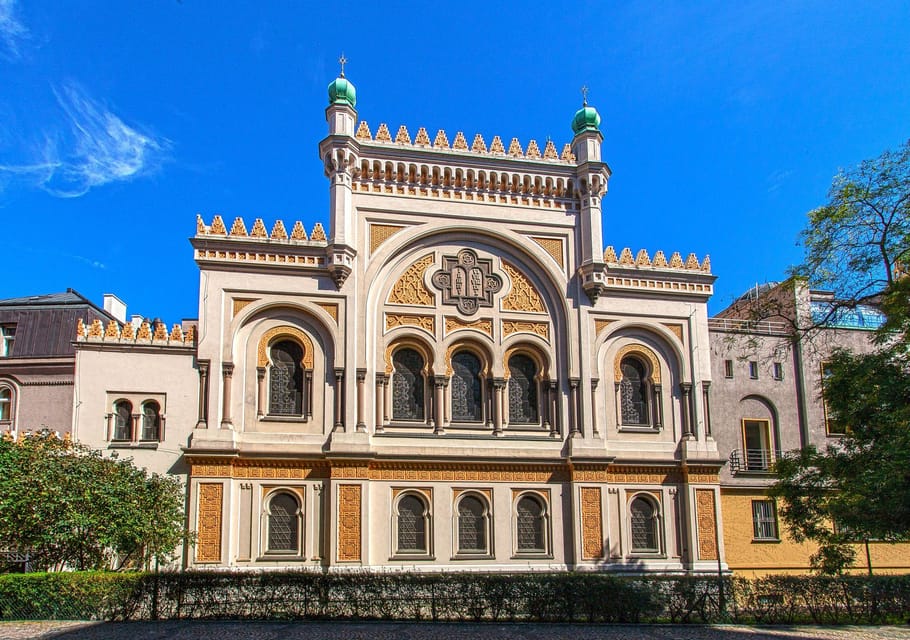
Spanish Synagogue: Moorish interior design with Alhambra influence
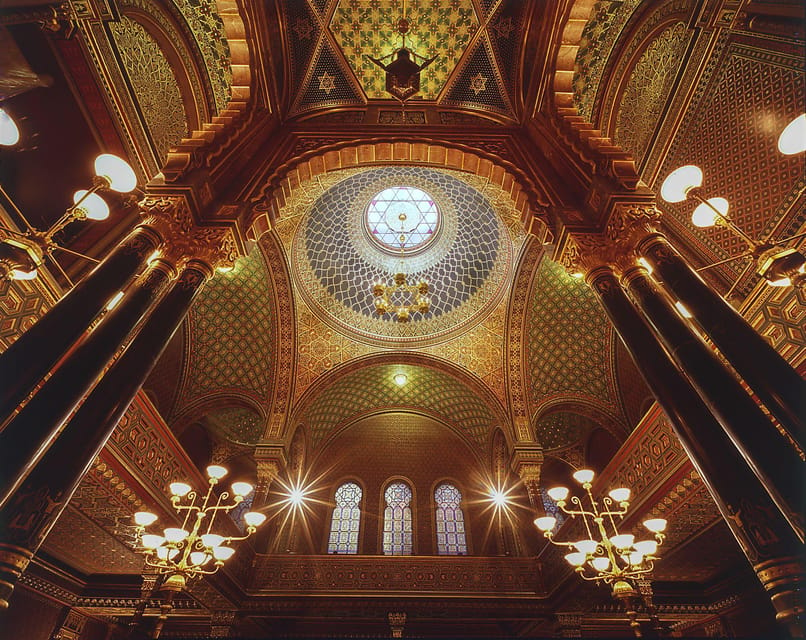
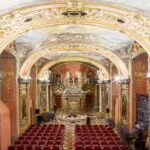
The last synagogue on your route is the Spanish Synagogue, named for its impressive Moorish interior design. It’s noted as being influenced by the famous Alhambra, and that influence is noticeable.
This is a good end point because the Spanish Synagogue tends to feel like a stylistic shift. After the cemetery and Old-New’s deep historical weight, you get a different visual language. It’s not just “more decoration.” The contrast helps you understand that Jewish communities weren’t stuck in one artistic look across time. Styles traveled, tastes changed, and architecture reflected that.
Practical note: because this space can feel visually intense, people often start taking lots of photos quickly. If you do that, you can miss the information signs that explain the design choices. I’d rather you take fewer photos and spend more time reading once or twice than sprint through everything to “collect shots.”
Price, value, and when you might still want a guide
At $27 per person, the ticket’s value depends on how you like to travel. If your style is self-directed—show up, enter fast, spend time where you care—this is a solid deal. You get admissions to five top sites, and skip-the-line access reduces wasted time.
There’s also a hidden value in the route design: it’s arranged so the story makes sense from Maisel to Pinkas to the Cemetery to Old-New and finally Spanish. That order helps you notice transitions rather than treating each site as a standalone stop.
If you want more narration and context on every detail, this ticket may feel like you’re missing some connective tissue. I’m especially thinking of people who prefer a guided explanation of the community’s historical arc rather than reading at each building. In that case, you might pair the ticket with an optional guided tour elsewhere in Prague, or use an audio guide at the sites.
A note from real experience: an audio guide can turn “I saw it” into “I understood it.” The written info is there, but audio helps you keep momentum without feeling like you’re studying a textbook in a doorway.
Opening hours and closures: plan around the calendar
Timing can make or break a multi-site ticket like this. The sites have seasonal opening hours, and they’re closed on Saturdays and during Jewish holidays.
Here are the listed hours ranges:
- 1 January 2025: 11 a.m. – 4:30 p.m.
- 2 January – 31 March 2025: 9 a.m. – 4:30 p.m.
- 1 April – 30 April 2025: 9 a.m. – 6 p.m.
- 1 May – 31 August 2025: 9 a.m. – 7 p.m.
- 1 September – 18 October 2025: 9 a.m. – 6 p.m.
- 19 October – 31 December 2025: 9 a.m. – 4:30 p.m.
- 24 December 2024: 9 a.m. – 2 p.m.
- 1 January 2026: 11 a.m. – 4:30 p.m.
My practical advice: pick your “most important” synagogue first and build the rest around it. If you try to fit all five into the tightest hours, you’ll end up rushing at the end, and these places don’t reward rushing.
Also, give yourself buffer time between entrances. Even with skip-the-line entry, you still need a few minutes to transition, read rules, and settle in.
Visitor rules you should know (so you don’t get stopped at the door)
This ticket comes with visitor regulations, and the rules are specific. You should be ready for security checks and restrictions.
Not allowed includes:
- Weapons or sharp objects
- Oversize luggage
- Smoking
- Food and drinks
- Luggage or large bags
- Short skirts
- Pets (assistance dogs allowed)
- Sleeveless shirts
- Tripods
- Alcohol and drugs
- See-through clothing
That list might sound harsh, but it’s common for places with cultural sensitivity. The key is to pack like you’re going to a museum plus a place of worship. If you’re unsure about clothing, choose something comfortable but modest enough to avoid surprises. If you need a bag for personal items, keep it small.
Wheelchair access is listed as limited, with a note to check in advance for specific accommodations. If mobility is a concern, don’t assume every area works the same way from building to building.
How I’d pace it over 3 days without burning out
The self-guided format works best when you respect the difference between each stop.
Here’s a pacing approach I think is realistic:
- Day 1: Maisel + Pinkas
- Use this for community context and remembrance.
- Day 2: Old Jewish Cemetery + Old-New
- Let the outdoor setting breathe, then step into the long continuity of Altneushul.
- Day 3: Spanish Synagogue
- Finish with a change in visual style and atmosphere.
If you only have one day, you can still do it, but you’ll want to treat it like an itinerary, not a conversation. With a 3-day ticket, you have the luxury of doing the opposite.
Also, pay attention to your energy level after Pinkas. If you feel heavy, don’t force the rest immediately. A short break and a snack outside (since food isn’t allowed inside) can help you reset.
Should you book the Prague Jewish Town skip-the-line ticket?
Yes, I’d book it if you want fast, official access to five major Prague Jewish Town sites and you like setting your own pace. For the money, $27 is fair when you consider you’re entering multiple venues, and the 3-day validity makes it easy to spread out.
I’d consider adding an audio guide or an outside guided component if you want more historical explanation with less reading. The ticket gives you entry; it doesn’t replace interpretation.
If your travel style is strict time management and you hate lines, this ticket earns its place. And if you want a meaningful route that moves from community leadership to remembrance to sacred continuity, the five stops are arranged in a way that helps you understand the story instead of just checking boxes.
FAQ
What sites are included with the Prague Jewish Town skip-the-line ticket?
The ticket includes admission to the Old-Jewish Cemetery, Old-New Synagogue, Maisel Synagogue, Pinkas Synagogue, and Spanish Synagogue.
How long is the ticket valid?
It’s valid for 3 days from the first activation.
Do I need to visit all five places in one day?
No. The ticket is valid for 3 days, so you can split the sites across multiple days.
What is the visit order for the included sites?
The order is Maisel synagogue, Pinkas synagogue, Old-Jewish Cemetery, Old-New synagogue, and Spanish synagogue, ending back at the meeting point.
Is skip-the-line entry included?
Yes. The ticket includes skip-the-line entry.
Are the sites open on Saturdays and Jewish holidays?
No. All sites are closed on Saturdays and during Jewish holidays.
Is wheelchair access available?
Wheelchair access is limited, and you’re advised to check in advance for specific accommodations. Assistance dogs are allowed.