REVIEW · PRAGUE
Prague: Classical Music Concert at Rudolfinum
Book on GetYourGuide →Operated by ClassicsInternational · Bookable on GetYourGuide
Great rooms make great music.
This Prague classical concert at Rudolfinum gives you a tidy 65-minute program of big-name masterpieces in the famed Suk Hall. I like that the event is anchored by top Czech performers, so you’re not just hearing famous titles—you’re hearing them in a venue built for serious concerts.
The two things I’d point you to first are the star vocal color of mezzo-soprano Stanislava Jirku and the way the program strings crowd-pleasers together without dragging. One possible drawback: it’s a focused classical set, so if you’re hunting for a longer evening or lots of talking between pieces, this one stays strictly on music.
In This Review
- Key Highlights You’ll Want to Know
- Rudolfinum and the Suk Hall: a Prague concert built for listening
- Who’s on stage: Stanislava Jirku and the violin solo spotlight
- The 65-minute program: Vivaldi to Smetana in a satisfying arc
- Why Czech performers change the experience (not just the poster)
- Getting to the left-side entrance at Rudolfinum
- Ticket value: what $39 buys you in Prague
- Who should book this concert (and who might skip it)
- Should you book this Rudolfinum concert?
- FAQ
- How long is the Prague classical concert at Rudolfinum?
- Where do I enter Rudolfinum for the concert?
- How much does a ticket cost?
- Who performs at the concert?
- What pieces are included in the program?
- Is a printed program included?
- Is the venue wheelchair accessible?
- Are unaccompanied minors allowed?
- Can I cancel and get a refund?
Key Highlights You’ll Want to Know
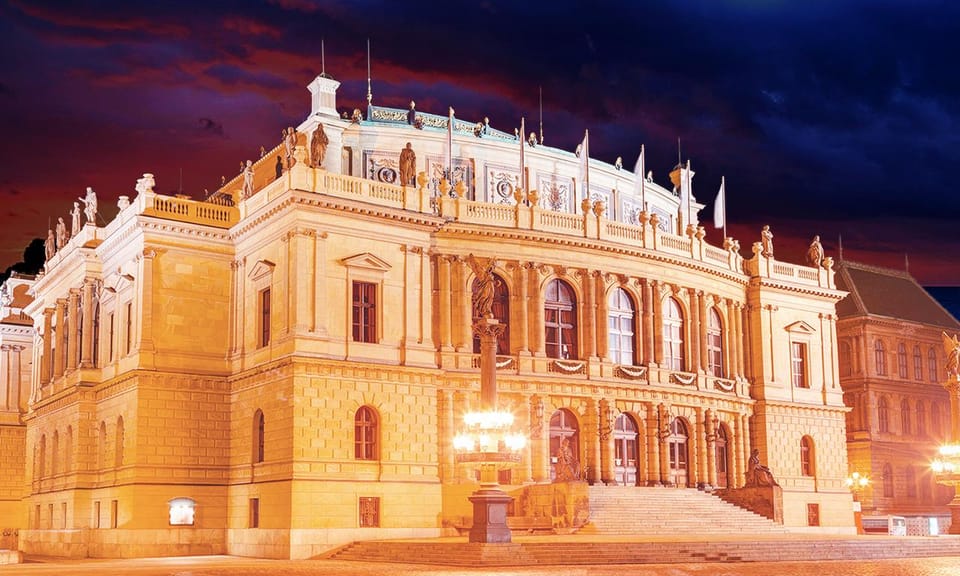
- Rudolfinum’s Suk Hall feel: an intimate classical setting that suits listening
- Stanislava Jirku: a mezzo-soprano with international-stage experience
- Violin spotlight: Vlastimil Kobrle is a concertmaster-level soloist, and replacements may appear on certain dates
- Big works in a compact set: Vivaldi, Beethoven, Bizet, Ravel, plus Czech pride in Smetana
- Printed program included: handy for following along during the 65 minutes
Rudolfinum and the Suk Hall: a Prague concert built for listening
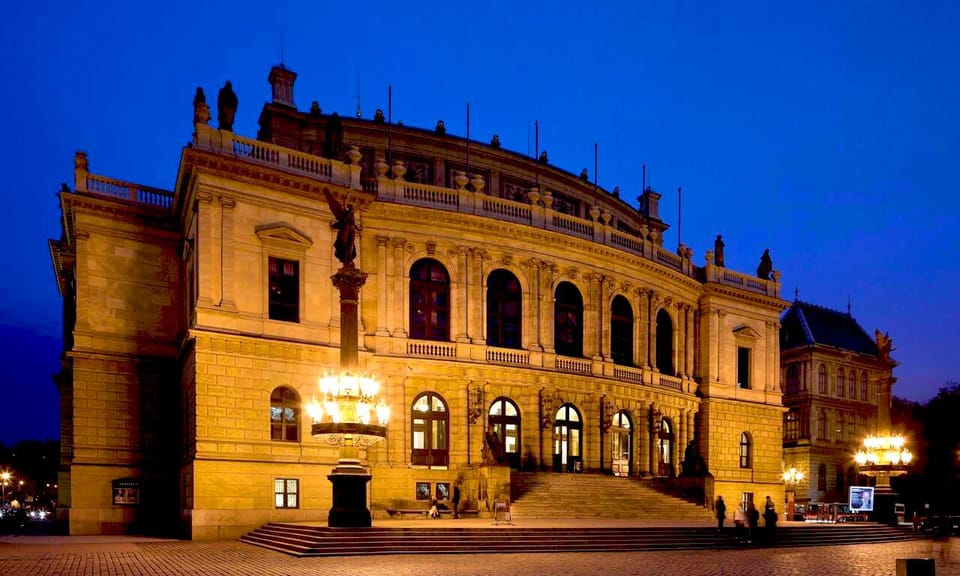
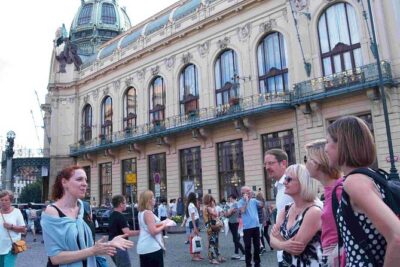
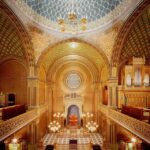
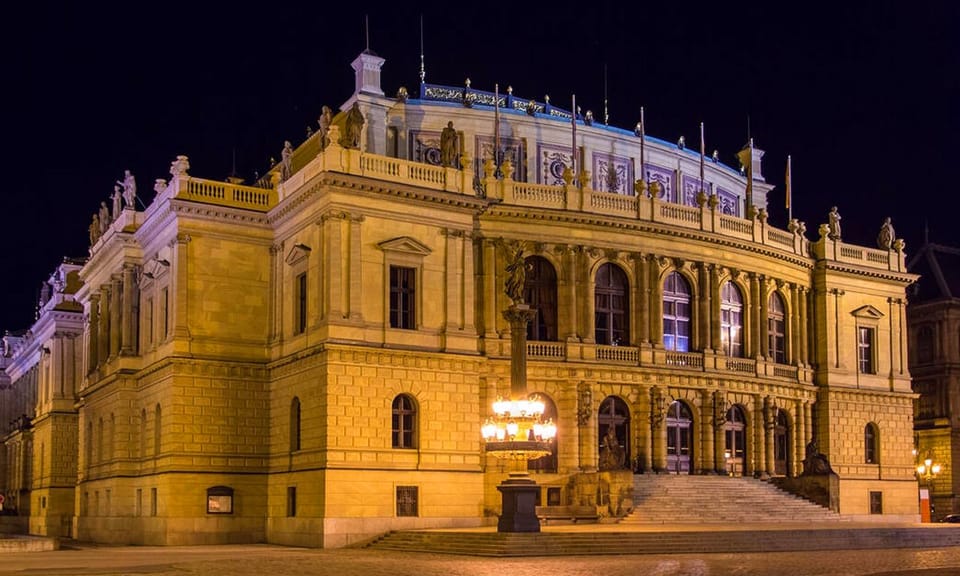
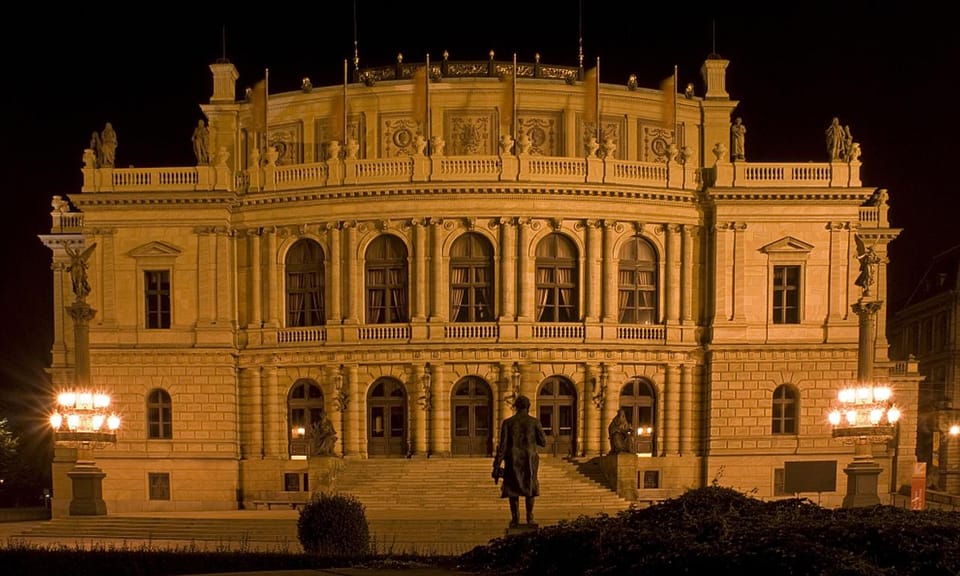
Rudolfinum is one of those Prague buildings you notice right away. Even before the music starts, the architecture signals that this is a real concert house, not a last-minute pop-up. It’s also in central Prague, which matters when you want an evening plan that doesn’t eat up your whole day.
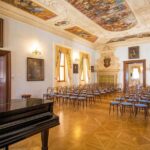
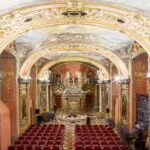
Inside, you’re in Suk Hall, named for Czech composer Josef Suk. That name isn’t just ceremonial. The room is designed to support close, detailed listening. In a good hall, you don’t only hear the melody—you catch the shape of phrasing, the balance between instruments, and the way solo moments land without needing volume as a crutch.
This concert is also timed like a smart city outing. With a duration of about 65 minutes, it fits neatly into a travel schedule. You can do it as your “one ticket, one highlight” evening, and still have energy for a post-concert wander along Prague’s streets.
You can also read our reviews of more tours and experiences in Prague
Who’s on stage: Stanislava Jirku and the violin solo spotlight
This ticket isn’t just orchestra fare. It brings in vocal and violin solo voices that put faces to the music.
The mezzo-soprano is Stanislava Jirku, described as a soloist from the Czech National Theatre and one of the Czech Republic’s most acclaimed mezzo sopranos. Her stage résumé includes work with major organizations such as the BBC Symphony Orchestra, The Czech Philharmonic, and the Prague Philharmonic Orchestra. That matters because pieces like Bizet’s Carmen Habanera don’t just want a nice voice—they want control, color, and timing.
For the violin, you’ll hear a solo by Vlastimil Kobrle, identified as one of the most acclaimed Czech violinists and the concertmaster of the Symphony Orchestra of Czech Radio.
One important planning note: soloists can change for late September and October 2024. For example, on Sep 19 and Sep 20 the violin soloist becomes Petr Zdvihal (with Stanislava Jirku still on mezzo), and on Sep 22 the mezzo is Veronika Hajnová. In October, the violin soloist is again Petr Zdvihal. If a specific performer is a must for you, check your concert date before you buy.
The 65-minute program: Vivaldi to Smetana in a satisfying arc
You get a classic mix of Baroque, Classical, Romantic, and late-Romantic crowd magnets. The sequencing is part of the fun: bright and rhythmic, then lyrical, then bigger dramatic swings, ending with unmistakably Czech sound.
Here’s what you can expect to hear, in the order listed:
Vivaldi – The Four Seasons (Spring & Summer)
This is the practical start you’ll appreciate. Vivaldi’s Four Seasons is built on recognizable movement character—fast passages feel fast, and the lyrical stretches actually sing. With Spring & Summer specifically, the vibe stays forward-leaning and light-to-warm rather than drifting into the darker seasons.
G. F. Händel – Largo from Xerxes
Then the mood slows down. Largo is where you listen for line and restraint: how smoothly the orchestra supports the solo moments, and how the conductor shapes attention.
J. Pachelbel – Canon and Gigue in D
Pachelbel’s Canon is famous for a reason. Even if you don’t know the name, you likely know the sound. In a live performance, you’ll hear how the repeated structure can feel both calm and gripping when the musicians lock in.
W. A. Mozart – Salzburg Symphony K 136 (Allegro)
Mozart brings bounce and clarity. This Allegro tends to showcase articulation, the way strings and winds trade ideas, and how clean transitions can sound in a well-run hall.
G. Bizet – Carmen (Habanera)
This is the moment that spotlights vocal character. The Habanera asks for elegance, timing, and a sense of attitude in the phrasing. With a mezzo like Stanislava Jirku, you’re likely to hear real drama without needing big operatic volume.
M. Ravel – Bolero
Bolero is the “build” piece: one theme, repeated, but it gains power through orchestration and dynamics. The orchestra’s job here is control—keeping the pulse steady while changing the texture so you feel the momentum.
L. van Beethoven – Symphony No. 5 (Allegro)
Beethoven’s Fifth is basically the soundtrack of drama. Even in an Allegro selection, you’ll hear the forward drive and the punchy structure. It’s a great way to re-energize your ears after the slower color earlier in the program.
B. Smetana – Vltava
Ending with Vltava is a smart Prague choice. It’s Czech identity through music—lush, lyrical, and unmistakably tied to the feeling of the country. This final touch gives your evening a local signature rather than ending on something “neutral.”
Because the total length is about 65 minutes, don’t expect a super long “sit and talk and digest” experience. You’ll get one concentrated listening session. If you’re the type who likes highlights and immediate impact, that’s a plus.
Why Czech performers change the experience (not just the poster)
A lot of classical concerts advertise the works, but the performance choices are what you actually remember when you’re back in your hotel.
Here, the lineup is Czech-forward. You’ll be hearing musicians connected with Czech orchestras and stages, including the Czech Radio Symphony via Vlastimil Kobrle, and major Czech institutions associated with Stanislava Jirku. That connection matters for two reasons.
First, Czech musicians often bring a specific confidence to phrasing and rhythmic drive—especially in pieces that benefit from character. Even when you’re listening to something like Mozart or Beethoven, the sound can feel “closer to home” in a Prague hall.
Second, ending with Smetana gives you a deeper payoff. In a city like Prague, you can hear local pride anywhere, but in a concert setting like this you get it in a concentrated, listenable form. It’s the kind of ending that makes you want to walk outside and keep the melodies in your head.
Getting to the left-side entrance at Rudolfinum
This concert is set up for easy entry. The instructions are straightforward: use the entrance on the left side of the building. That’s the kind of detail that saves time if you arrive and the front doors look like a maze.
Because it’s in central Prague, you can pair it with a pre-concert plan nearby. Just keep enough buffer for bag checks or simple lines—classical concerts tend to run on a schedule, and you don’t want to be late and stressed.
Also note two house rules that affect planning:
- Wheelchair accessible
- Unaccompanied minors are not allowed
If you’re traveling with teens or younger kids, plan around that rule first. If you’re going as a couple, solo, or with adults who love music, it’s a clean, no-fuss evening.





Ticket value: what $39 buys you in Prague
The ticket price is listed as $39 per person. That’s not “cheap,” but it’s also not the kind of high-end pricing that makes you feel like you’re gambling. For that money, you’re getting a real concert in a major Prague hall, plus a printed program.
Here’s the value angle that matters: the program is stacked with recognizable composers—Vivaldi, Mozart, Bizet, Ravel, Beethoven, and Smetana—so you’re not paying for an unknown selection. Even if you only know a handful of pieces by name, the melodies are likely familiar when you hear them live.
And it’s compact. At roughly 65 minutes, you’re not paying for a half-day commitment. You’re paying for a focused classical hit in the middle of a city break.
Who should book this concert (and who might skip it)
This is a strong match if you want:
- A classic Prague evening with serious music in a famous hall
- A short, concentrated program with major composers
- A chance to hear a mezzo like Stanislava Jirku and a violin solo by a top Czech concertmaster
It may be less ideal if you:
- Want a longer performance evening with more spoken interaction
- Are traveling with unaccompanied minors
- Prefer modern experimental music over the masterworks listed here
If your travel style is “one great ticket and then explore,” this fits nicely.
Should you book this Rudolfinum concert?
If you like classical music and you want Prague to deliver one memorable performance evening without turning it into a logistical project, I’d say book it. The hall is the draw, the performer lineup adds real star power, and the program includes enough crowd-pleasers that you’ll likely connect quickly.
On the other hand, double-check your date if soloists matter to you, because the violin soloist and sometimes the mezzo can change in September/October 2024. If that doesn’t bother you, this is the kind of ticket that turns into a story you’ll remember on the walk home.
FAQ
How long is the Prague classical concert at Rudolfinum?
The duration is about 65 minutes. Starting times can vary, so check availability for the specific show you want.
Where do I enter Rudolfinum for the concert?
Use the entrance on the left side of the building.
How much does a ticket cost?
The price is listed as $39 per person.
Who performs at the concert?
You’ll hear performances by top Czech musicians, including mezzo-soprano Stanislava Jirku and a violin solo by Vlastimil Kobrle for some dates. Soloists can change on certain dates in September/October 2024.
What pieces are included in the program?
The program includes Vivaldi’s Four Seasons (Spring & Summer), Händel Largo from Xerxes, Pachelbel Canon and Gigue, Mozart Salzburg Symphony K 136 (Allegro), Bizet Carmen Habanera, Ravel Bolero, Beethoven Symphony No. 5 (Allegro), and Smetana Vltava.
Is a printed program included?
Yes. A printed concert program is included.
Is the venue wheelchair accessible?
Yes, the activity is wheelchair accessible.
Are unaccompanied minors allowed?
No. Unaccompanied minors are not allowed.
Can I cancel and get a refund?
Yes. Free cancellation is offered up to 24 hours in advance for a full refund.