REVIEW · PRAGUE
Prague Castle St. Vitus Cathedral, Royal Palace, St. George’s Basilica
Book on GetYourGuide →Operated by Robert Procházka · Bookable on GetYourGuide
Prague Castle, explained in German. This 3-hour guided walk with historian Robert Procházka ties together St. Vitus Cathedral’s coronation role and the Royal Palace’s power centers in a way that feels organized, not random. I like the way the stops connect across centuries, and I like that you get a clear story thread through the castle complex. The main catch: it’s German only, so if you’re not comfortable with the language, you’ll likely miss parts of the commentary.
You meet right at the streetcar stop Pražský hrad, with trams 22 or 23 in the direction of Bílá hora, and the tour wraps up around Golden Lane inside the castle grounds. One more thing to plan for: this is not a casual stroll in flip-flops—expect time in historic interiors and uneven walking surfaces around the castle.
Key points to know before you go
- German, historian-led storytelling that keeps each building’s role clear
- St. Vitus Cathedral as a burial and coronation site, with highlights like the Wenceslas Chapel and crown chamber
- Royal Palace stops tied to major moments, including the Third Defenestration that kicked off the Thirty Years’ War
- St. George’s Basilica and the tomb of St. Ludmila, with the Viking-warrior backstory
- Golden Lane for 16th-century alchemy tales and Franz Kafka’s connection
- Castle views from a site listed in Guinness as the largest enclosed castle grounds in the world
In This Review
- Where to Start at Pražský hrad (and why it matters)
- The Big Value of a Historian in St. Vitus Cathedral
- Old Royal Palace: Thrones, crowns, and the Third Defenestration
- St. George’s Basilica and the tomb of St. Ludmila
- Golden Lane: Alchemy stories, Kafka’s house, and Prague views
- Price and what $41 actually buys you
- Practical pacing: what you should expect in 3 hours
- Who this tour fits best (and who should skip it)
- Should you book the Prague Castle Cathedral and Golden Lane tour?
- FAQ
- What sights are included on this Prague Castle tour?
- How long is the guided tour?
- What language is the tour in?
- Where is the meeting point?
- Are entrance tickets included in the price?
- Who helps with the tickets?
- Can I cancel and get a refund?
Where to Start at Pražský hrad (and why it matters)
The meeting point is practical and easy to find: the streetcar stop called Pražský hrad (Prague Castle), tram line 22 or 23 toward Bílá hora. That matters because Prague Castle can feel confusing at the top if you arrive late or follow the wrong path. Starting at the tram stop means you’re not trying to “guess” your way into the grounds.
I also like that the guide’s role starts early. Robert Procházka meets you at Pražský hrad and then keeps the group moving through a big complex. For a place this size, a guided start helps you get your bearings fast, without burning time figuring out where each ticket office or entrance is.
One more logistics detail that helps: the tour is designed so the guide takes you to the ticket office, instead of you navigating it on your own.
The Big Value of a Historian in St. Vitus Cathedral
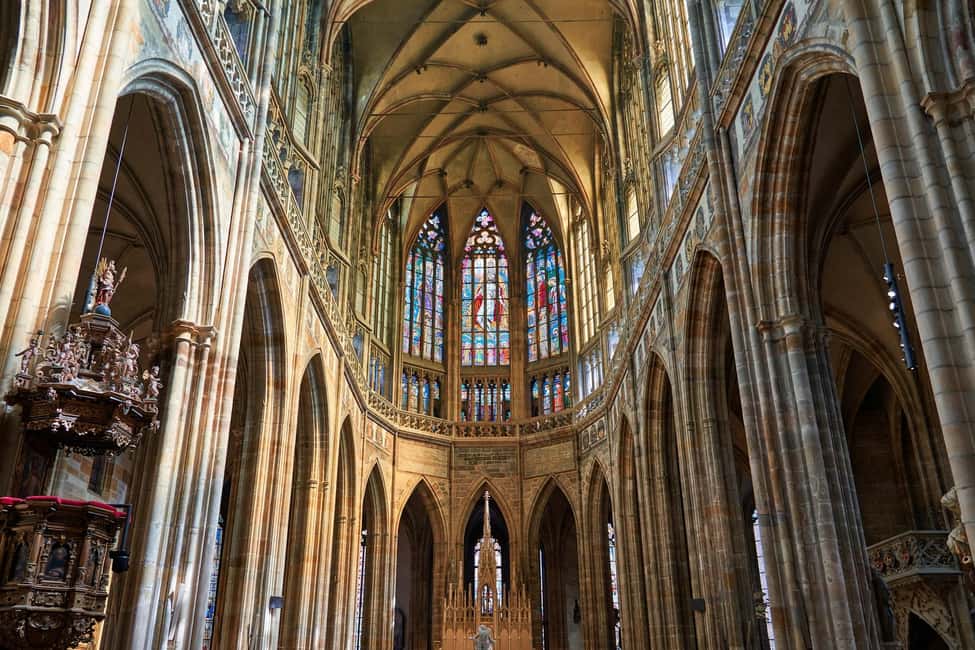
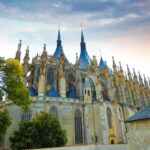
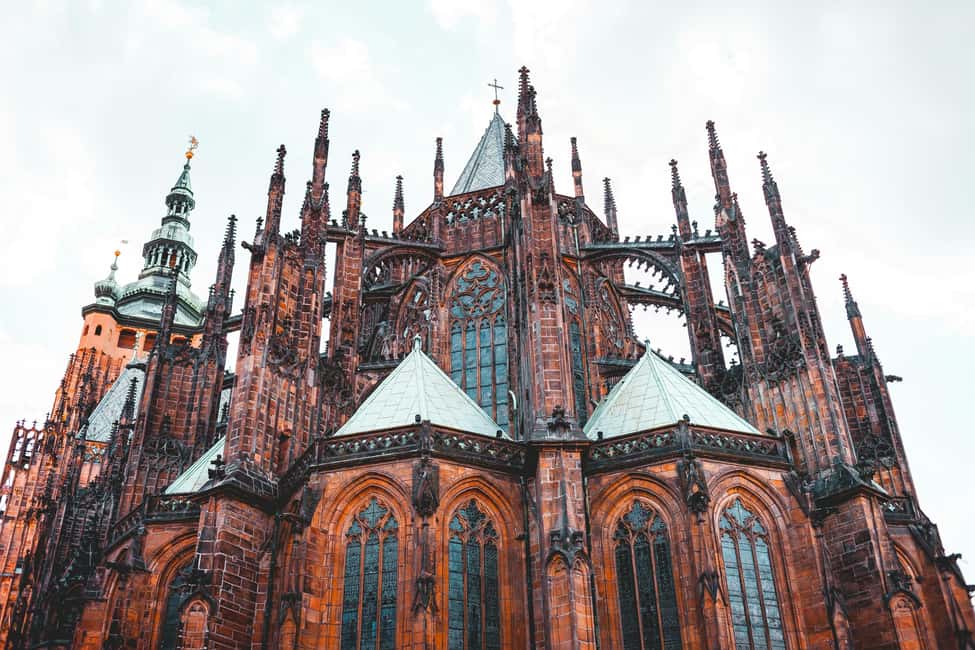
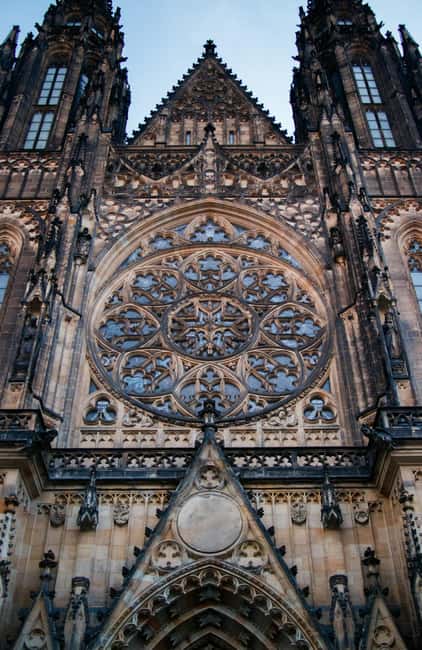
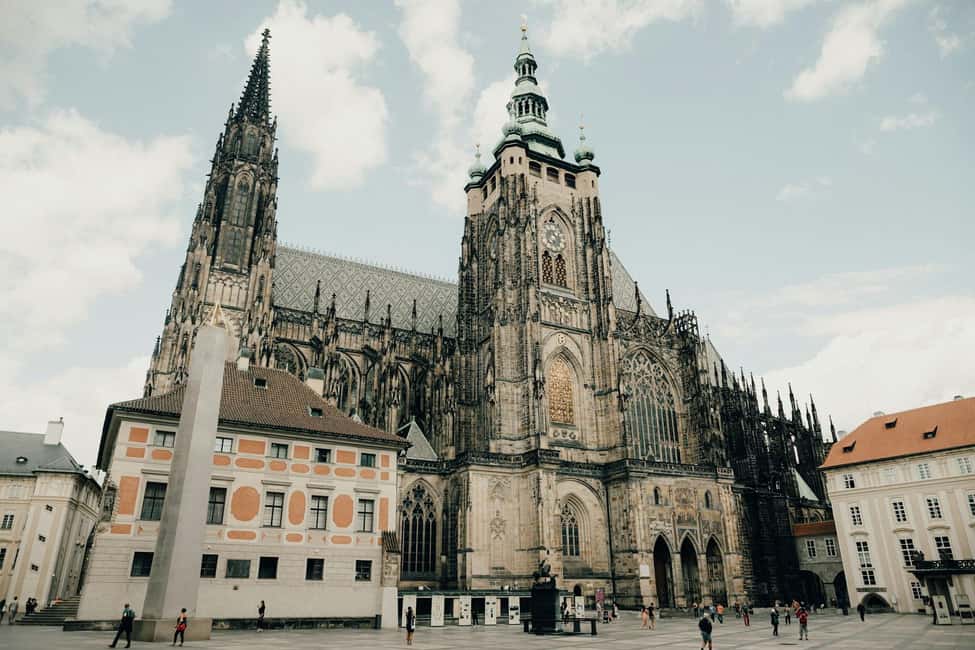
St. Vitus Cathedral isn’t just a pretty Gothic stop. It’s the burial and coronation site of Bohemian kings, so you’re walking into a space built for ceremonies and power—long before the modern city picture. You also get the deeper layer: the cathedral’s predecessor includes a Romanesque rotunda founded around 925, which gives you a sense of how long this place has mattered.
In a guided format, what changes is the meaning of what you’re seeing. You hear how important patron saints are buried here—St. Wenceslas and St. Adalbert are both mentioned as resting in the cathedral. That’s the kind of detail that makes architecture click. Without context, you might admire the stone. With context, you understand why the stone is here.
A couple of specific highlights that fit well inside a guided story:
- The cathedral is described as a masterpiece of 14th century Gothic architecture.
- A spiral staircase leads from the Wenceslas Chapel, decorated with semi-precious stones, up toward the crown chamber.
- The remains of St. Wenceslas rest in a Gothic shrine, and the crown chamber is where the coronation regalia are kept.
If you like seeing how religion, politics, and design connect, this stop is the anchor of the tour. If you just want photos, you’ll still get them—but you’ll likely enjoy it more if you’re open to hearing the “why.”
You can also read our reviews of more tours and experiences in Prague.


Old Royal Palace: Thrones, crowns, and the Third Defenestration
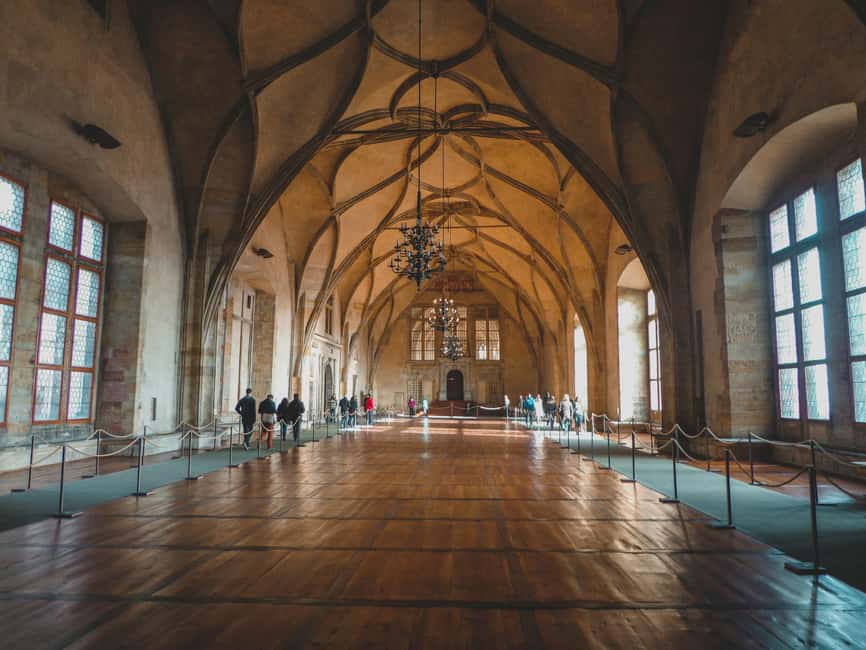
Next comes the old Royal Palace, where the tour shifts from cathedral symbolism to state power. Here’s where the guidance becomes especially useful: you’re not only looking at rooms—you’re getting explanations of what decisions happened in these places.
One standout element you’ll encounter is a replica of the Bohemian crown jewels. Even though it’s a replica, it still helps you visualize what the real regalia represent, since the tour already set you up in St. Vitus with the idea of coronation authority. It’s a smooth storyline move: cathedral meaning, then palace staging.
Inside, you visit the largest late Gothic throne room in Central Europe. That’s a clear “wow” detail, and the guide helps you place it in the flow of leadership and governance. Thrones are not just furniture here; they are the visual language of rule.
Then you hit a moment of conflict that the tour ties directly to the start of major European history: the Third Defenestration of Prague, connected to the State Chancellery, which started the Thirty Years’ War. If you’ve ever wondered how Prague fits into broader European chaos, this is one of the more direct explanations you’ll get on the castle grounds.
The one drawback to keep in mind at the palace: this is still a lot of meaning to absorb in 3 hours. If German is difficult for you, the facts may become more “names on a list” than a connected story—but the physical setting still does the heavy lifting.
St. George’s Basilica and the tomb of St. Ludmila
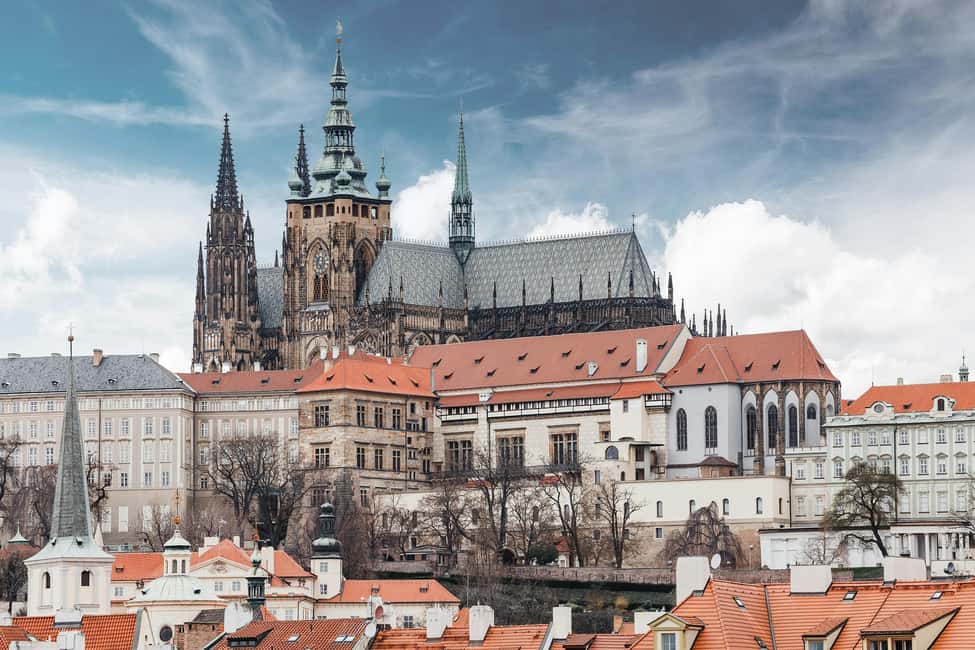
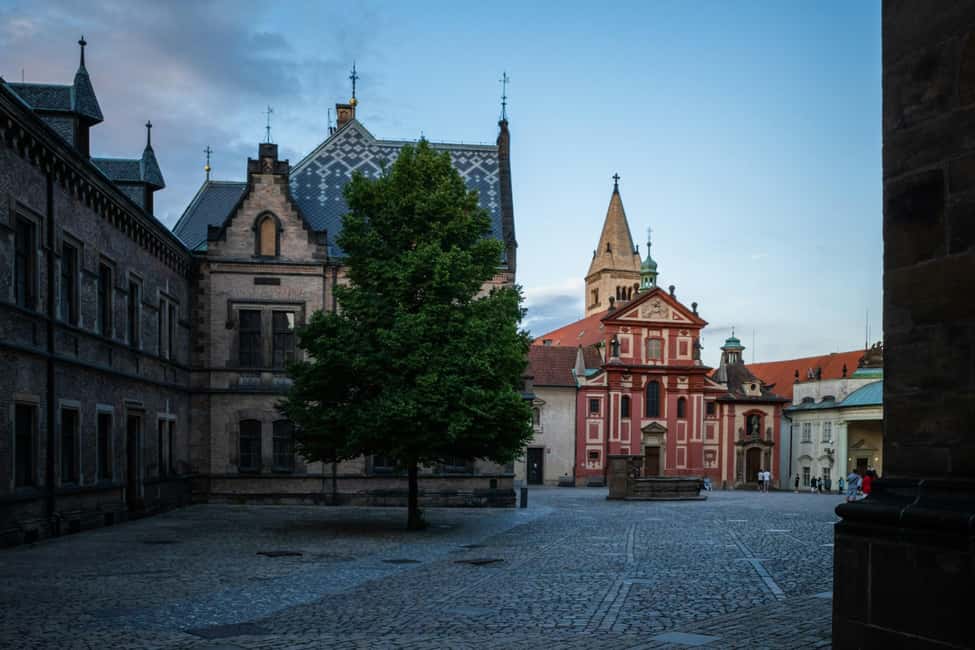
St. George’s Basilica adds a different tone. It’s from the 10th century and centers on St. Ludmila, who is described here as the grandmother of St. Wenceslas. The tour doesn’t treat her as a distant figure; it gives the dramatic context you’d expect from a site that holds a tomb.
You’ll learn that St. Ludmila was strangled to death by Viking warriors on behalf of her daughter-in-law. That kind of detail changes how you read a church interior. Instead of only viewing it as an old building, you see it as part of a family story tied to leadership, conflict, and legacy.
What I like about this stop is that it balances the grand ceremonial mood of St. Vitus. You get a personal, human-level thread: a person connected to dynastic history, and a tomb that anchors that story in the place itself.
If you’re sensitive to heavy historical violence, this basilica stop may feel intense—but the tour presents it as part of the religious-political record the building preserves.
Golden Lane: Alchemy stories, Kafka’s house, and Prague views
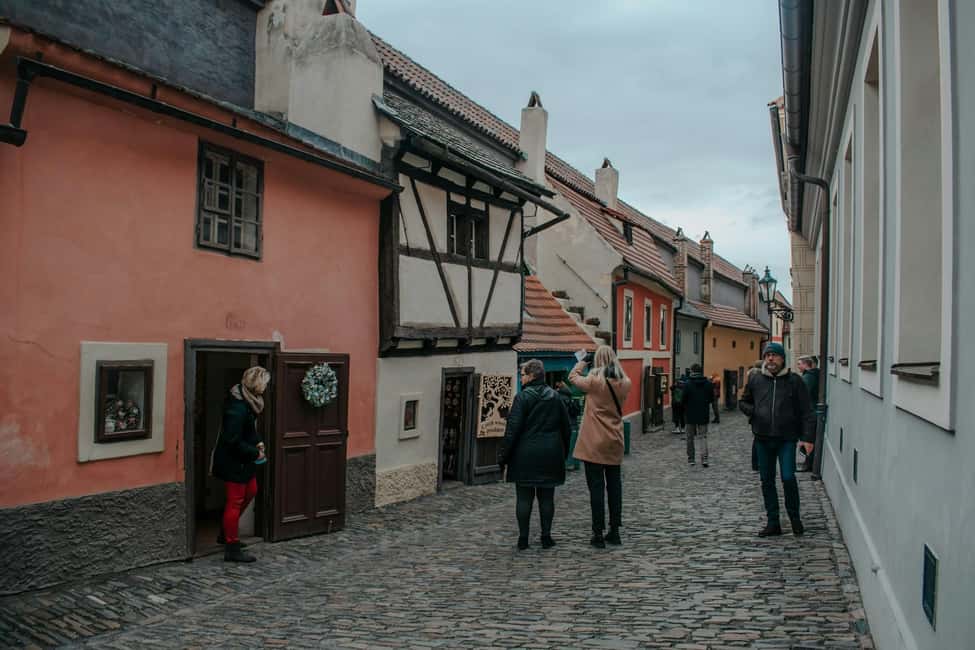
After the big interiors, the tour moves to Golden Lane—a picturesque street inside the castle area that takes you back to the 16th century. Golden Lane is where the tour becomes more playful without losing the historical thread.
You’ll hear that Emperor Rudolf II’s alchemists lived here, searching for an elixir of life and trying to produce gold from lead. That sounds like legend until the guide connects it to the real “Rudolf II curiosity” vibe, and suddenly the lane feels like a stage set for ambitious experiments.
You also get a literary connection: Franz Kafka lived in one of the little houses. That’s a great way to bridge the castle’s medieval and Renaissance power atmosphere with something more recent and familiar—without leaving the same enclosed world.
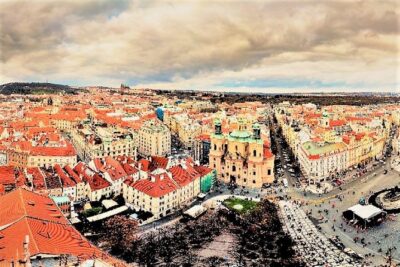
And don’t ignore the view factor. The tour specifically calls out breathtaking views of the whole of Prague from the castle grounds. The grounds themselves are listed in the Guinness Book as the largest enclosed castle grounds in the world, so you’re not just looking at a tower or two. You’re getting a broad vantage point over a city that likes to spread in every direction.
Because Golden Lane is part of the castle grounds, it also works as a natural finish. The tour ends there, so you leave with a memorable atmosphere: small lanes, big stories, and a calmer pace after the cathedral-palace intensity.
Price and what $41 actually buys you
The tour price is listed as $41 per person for a 3-hour guided experience in German with a historian. What that covers is the guide’s time through the castle grounds and the interiors of the historic buildings.
Entrance tickets are not included:
- Adults: 18 EUR
- Seniors (from 65 years of age): 14 EUR
The guide will accompany you to the castle ticket office. You can pay with a payment card there, or you can hand over the amount in EUR directly to the guide, who will obtain the ticket for you.
Here’s the value math I’d use before booking:
- You’re paying for interpretation—someone explaining how St. Vitus, the Royal Palace, St. George’s Basilica, and Golden Lane fit together.
- You’re also paying for time savings on logistics, because the tickets are purchased at a counter exclusively for guides. That means you shouldn’t be stuck in long lines as part of the tour flow.
- Finally, the tour duration is tight (3 hours). For a complex like Prague Castle, a focused guided window can be more efficient than trying to stitch it together on your own.
If you already know this history and you’re comfortable guiding yourself through cathedral and palace interiors without translation, you might prefer independent tickets. But if you want the “meaning” layer—especially in German—this price can feel fair.



Practical pacing: what you should expect in 3 hours
This is not an all-day castle marathon. It’s a 3-hour guided circuit that hits major buildings and then finishes in Golden Lane. That pacing is good if you:
- want the big highlights without overplanning
- like architecture when it comes with context
- prefer structured sightseeing in a single block
It can feel intense if you’re easily tired by walking plus indoor viewing. Even without a stated elevation or difficulty rating, Prague Castle is a place where the terrain and crowds can add up. If you know you get slow with stairs or long museum-like interiors, plan to take your time and keep water in mind.
Also, the tour is not suitable for children under 10. That’s worth respecting if you’re traveling as a family, because the tour’s structure and language demands are aimed at older participants.
Who this tour fits best (and who should skip it)
This experience is best for adults who enjoy:
- a historian-led explanation of key sites
- German language comfort, since the tour is entirely in German
- learning how religious places and political events overlap in one complex
You’ll also get the most out of it if you like details such as the Wenceslas Chapel setup, the crown chamber regalia connection, and the specific story threads in Golden Lane (alchemy and Kafka).
I’d skip it if:
- German is a serious limitation for you. The architecture and views are worth it, but the storytelling will be harder to follow.
- you want to spend long stretches wandering on your own. This is structured, not open-ended.
Should you book the Prague Castle Cathedral and Golden Lane tour?
If you’re deciding based on value, I’d book it when all three are true:
- You can handle German comfortably enough to follow a historian’s narrative.
- You want the major castle landmarks tied into one storyline: St. Vitus → Royal Palace → St. George’s Basilica → Golden Lane.
- You like tours that teach you what you’re looking at, not just where to point your camera.
If German isn’t your thing, or you strongly prefer self-paced exploration, then it’s better to consider a different approach that matches your language needs. But if German works for you, Robert Procházka’s historian-guided structure is exactly the kind of guide-led sightseeing that turns Prague Castle from a “big place” into a set of stories you can actually remember.
FAQ
What sights are included on this Prague Castle tour?
You’ll visit St. Vitus Cathedral, the old Royal Palace, St. George’s Basilica, and the Golden Lane.
How long is the guided tour?
The duration is 3 hours.
What language is the tour in?
The live guided tour is in German.
Where is the meeting point?
The meeting point is directly at the streetcar stop Pražský hrad (Prague Castle), streetcar line 22 or 23 in the direction of Bílá hora.
Are entrance tickets included in the price?
No. Entrance tickets are not included. Adults are listed at 18 EUR, and seniors (from 65) at 14 EUR.
Who helps with the tickets?
The guide will accompany you to the castle ticket office and you can pay with a payment card, or you can provide the EUR amount to the guide, who will obtain the tickets.
Can I cancel and get a refund?
Yes. Free cancellation is available up to 24 hours in advance for a full refund.