REVIEW · PRAGUE
Prague: 3–Hour Communism and World War 2 E-Bike Tour
Book on GetYourGuide →Operated by Prague by E-Bike · Bookable on GetYourGuide
Pedal through Prague’s brutal 20th century. This 3.5-hour e-bike tour threads together Communism, Nazi occupation, and the revolts that broke Soviet control. I like that you rack up 30+ key stops without exhausting yourself, and I also like that the tour uses real landmarks like the John Lennon Wall and the Victims of Communism memorial instead of vague “history tour” talk. One caution: Prague streets mean cobblestones, and you may sometimes walk the bikes through busier areas.
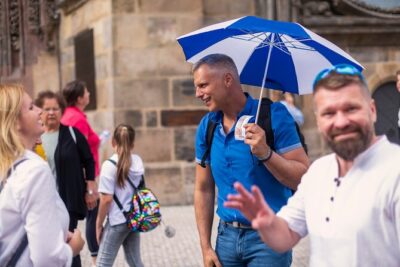
Guides seem to run the show with strong pacing and lots of room for questions, with names like Niam, Marek, Michal, Nayeem, and Tatiana mentioned as standout instructors. The tour also gives you a built-in break via free entry to the Museum of Communism, which can turn a few facts into something you remember. If you’re hoping for a mostly architecture-and-streets vibe, you might want to know the emphasis is clearly on 20th-century politics and resistance movements.
In This Review
- Key Things I’d Focus On Before You Go
- Price and what you actually get for $74
- Where you start in Prague: Malá Strana near Újezd
- How the e-bike changes the pace (and the mood)
- Old Town opener: getting your bearings fast
- Communism landmarks: Memorials and the students behind the Velvet Revolution
- John Lennon Wall and Kafka Museum: culture stops with political meaning
- WWII anti-Nazi sites and the SS Headquarters area
- Jewish Old Town stop: a key part of Prague’s WWII reality
- The Museum of Communism: why the free entrance matters
- Cyril and Methodius Church and Anthropoid filming location
- SS, resistance, bombing sites, then back for the final beer
- The real-world ride: what to wear and what to expect on cobblestones
- Who this tour is for (and who might skip it)
- Should you book the Prague Communism and WWII e-bike tour?
- FAQ
- What’s the duration of the Prague Communism and World War 2 e-bike tour?
- How much does the tour cost?
- Is the tour in English?
- What’s included besides the e-bike?
- How big is the group?
- Where do I meet the tour?
- Do I need to bring ID?
Key Things I’d Focus On Before You Go
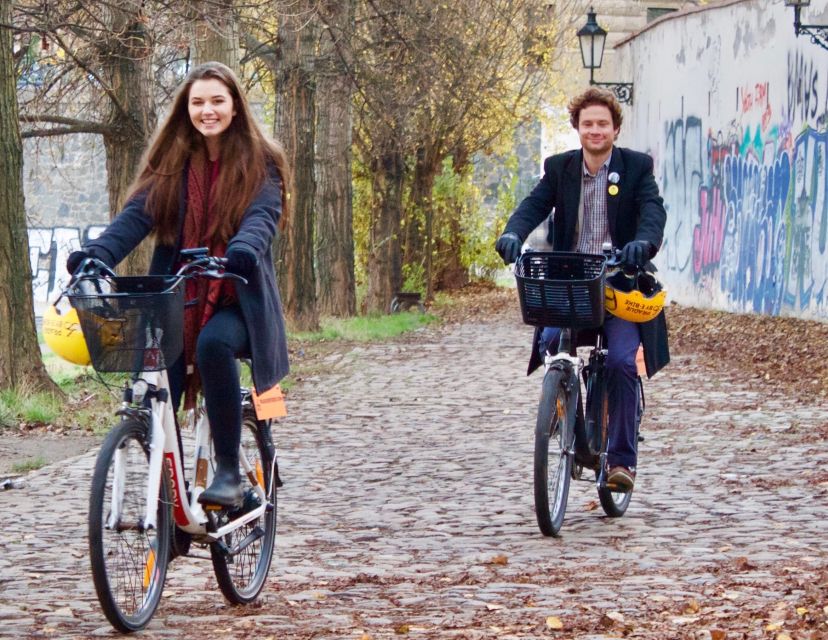
- E-bike comfort for a packed route: You can cover far more than a walking tour, even in warm weather.
- Free Museum of Communism entry: It’s an actual included stop, not something you tack on later.
- WWII + Communism in one timeline: Nazi occupation, then Soviet Communism, then the Velvet Revolution.
- Landmarks with strong symbolism: John Lennon Wall, Kafka Museum, Jewish Old Town, and the SS Headquarters area.
- Small group size (max 10): Easier questions, less rushing, more guide attention.
- Expect cobblestones and occasional bike-walking: Plan for Prague’s surfaces, not smooth bike lanes.
Price and what you actually get for $74
At $74 per person for about 3.5 hours, this tour sits in the “worth it if you’ll use all the inclusions” category. You’re not just paying for an e-bike ride. You also get:
- A local English live guide
- Helmet, and a poncho if you request one
- 1 bottle of water
- Free entry to the Museum of Communism
- 1 cold beer at the end
That mix matters because Prague has two common tour traps: either you pay for a guide but then skip paid entry sites, or you pay for tickets but don’t get context. Here, the free museum stop is built in, and the guiding ties the dots between Communist-era sites, Nazi occupation, and the movements that pushed back. If you like your history grounded in specific places you can point at, the value is easier to feel.
You can also read our reviews of more cycling tours in Prague


Where you start in Prague: Malá Strana near Újezd
The tour begins at Prague by E–Bike, Besední 440/2, Prague 1 (Malá Strana), close to tram station Újezd. Ending back at the meeting point keeps things simple at the end—no weird “transfer here later” stress.
Two practical notes that make the experience smoother:
- Arrive 15 minutes early, especially because small groups mean there’s less time to wrangle bikes.
- Bring your ID or passport (it’s specifically required).
If you’re staying in Prague 1 (or nearby), this start point is handy. If you’re coming from farther out, plan a little extra transit time so you’re not sprinting to the tram.
How the e-bike changes the pace (and the mood)
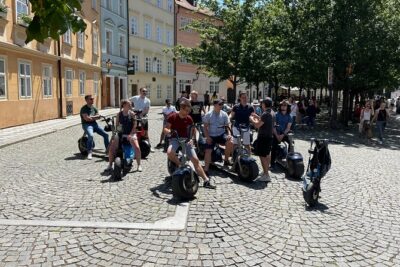
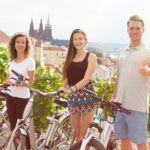
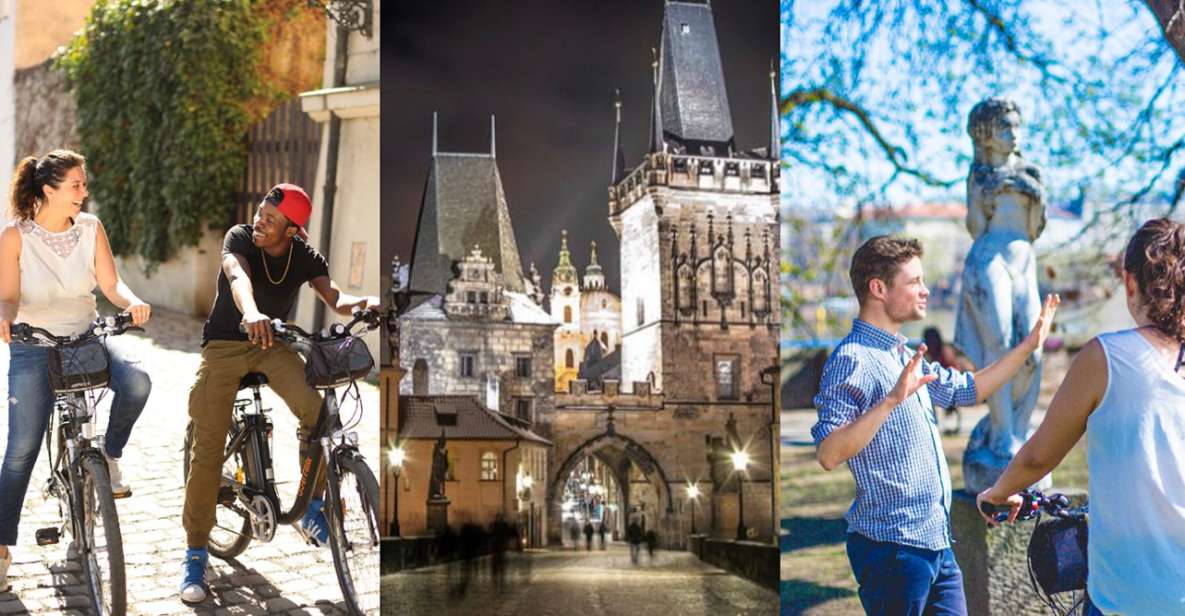
This is an e-bike tour designed for efficiency, but it’s not only for endurance athletes. The big win is that you can spend your energy on listening and looking instead of grinding up hills or burning out on longer distances.
In hot weather, the e-bike advantage becomes obvious fast. Several people highlight that it’s a comfortable way to cover lots of stops without turning the day into a sweat contest. Even better, the tour format feels built for questions: you’re not trapped in a single-file line for the whole ride.
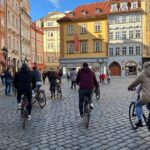
One real-world consideration: Prague’s streets include cobblestones, and that can change how “easy” the ride feels. You may also be asked to walk bikes through crowded areas. That’s not a dealbreaker, but it helps to go in expecting some stone-and-stamina moments, even with electric assist.
Old Town opener: getting your bearings fast
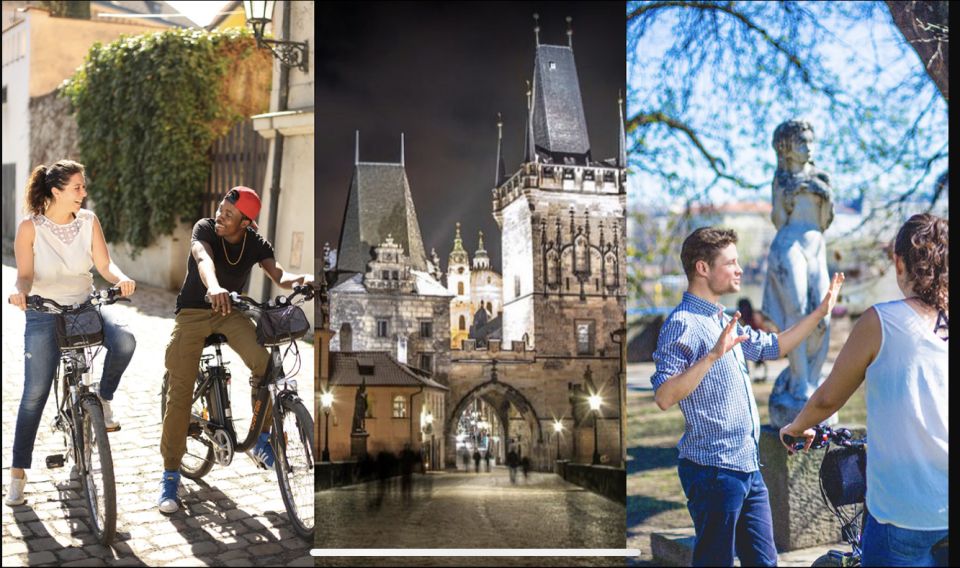
The tour starts with a grounded look at the city—especially Old Town—before it accelerates into the 20th-century material. This matters because Prague can feel like a living postcard unless someone anchors it in who lived here, what they endured, and what changed.
From the beginning, you’re set up to connect symbols and locations:
- You’ll move through parts of Old Town while the guide explains how the political shocks of the era reshaped daily life.
- Then the tour points you toward key Communist and WWII sites so you can keep building a mental map.
If you like learning history with a geographic “thread,” the early context is what makes later stops land.
Communism landmarks: Memorials and the students behind the Velvet Revolution
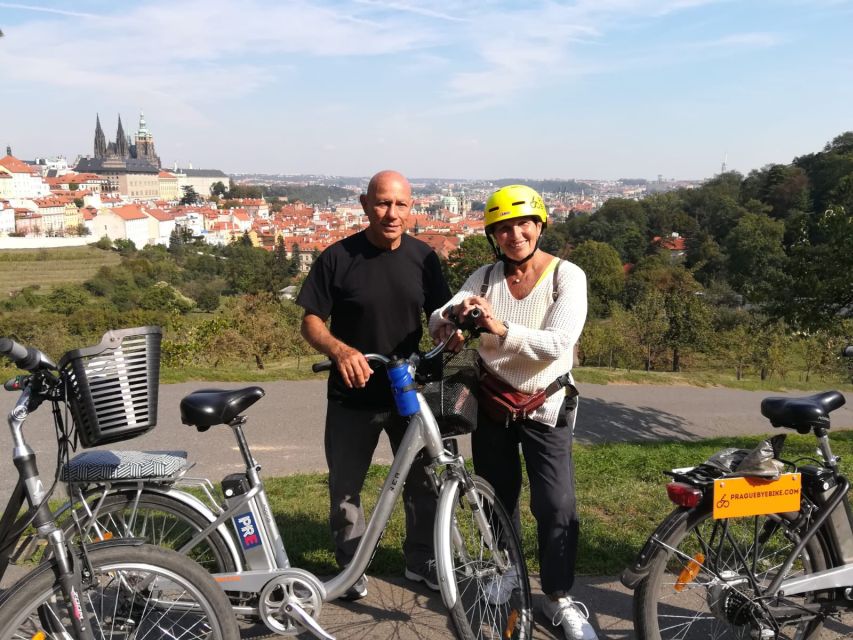
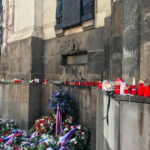
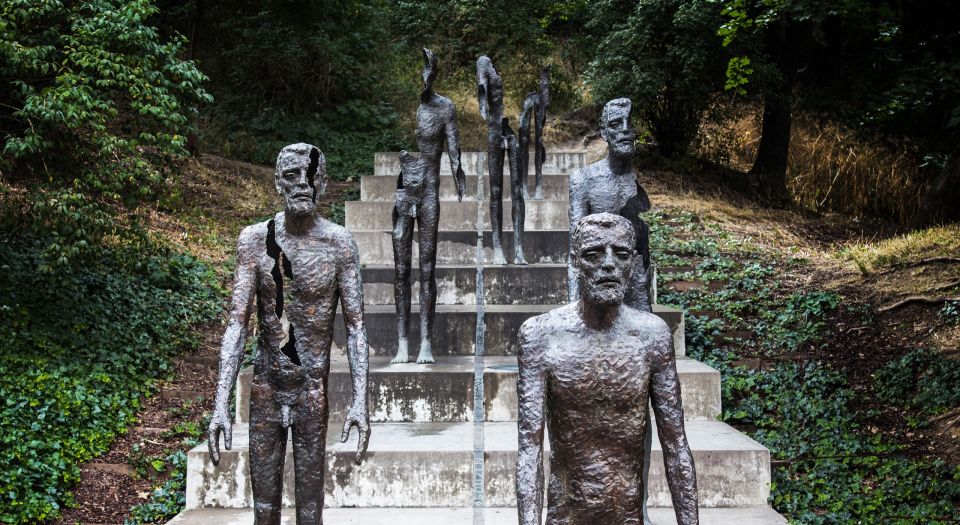
A major focus is life under Communist rule and how the Czech lands pushed back. You’ll visit the Communist Memorial, see the Victims of Communism memorial, and track the story of what repression looked like on the ground—not just as slogans, but as a lived experience.
Then the tour turns toward the spark of change. You’ll follow the student march footprints that helped trigger the Velvet Revolution. That sequence is powerful because it reframes the revolution as something human and collective, not a single heroic moment.
Practical takeaway: if you’re only used to thinking about the Cold War in big, abstract terms, this tour does a better job of translating it into concrete places and movements you can actually stand near.
You can also read our reviews of more tours and experiences in Prague


John Lennon Wall and Kafka Museum: culture stops with political meaning
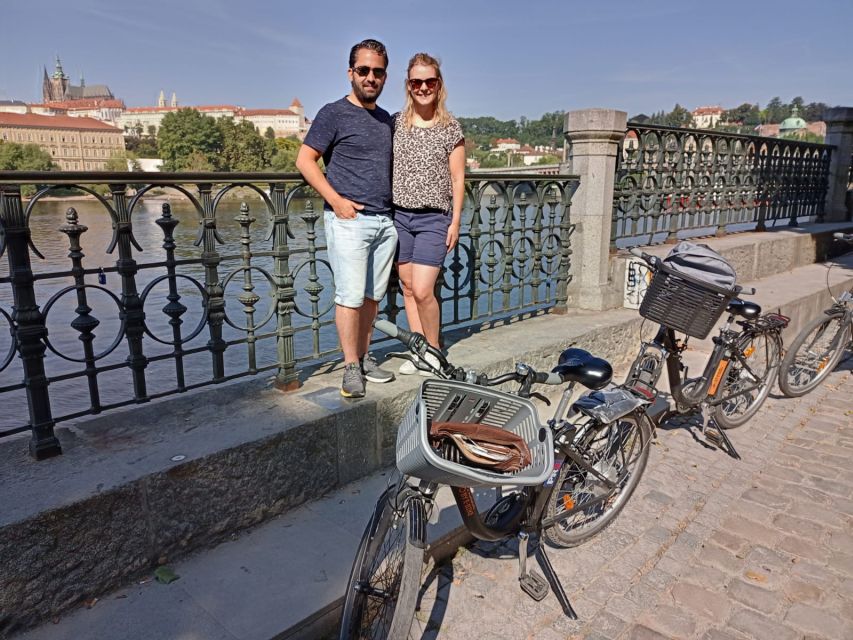
The route includes both the John Lennon Wall and the Kafka Museum. These aren’t just quick photo stops; they help create emotional contrast between the cultural Prague many people romanticize and the Prague that survived occupation and censorship.
- The John Lennon Wall works as a visible statement of defiance. It’s the kind of place where the guide can tie art, protest, and public speech to the wider political timeline.
- The Kafka Museum adds a different angle: literature and identity under pressures you can’t always see in buildings alone.
This combination is smart because it gives your brain a break from heavy political sites while still staying inside the same theme: resistance, expression, and what people do when freedom is constrained.
WWII anti-Nazi sites and the SS Headquarters area
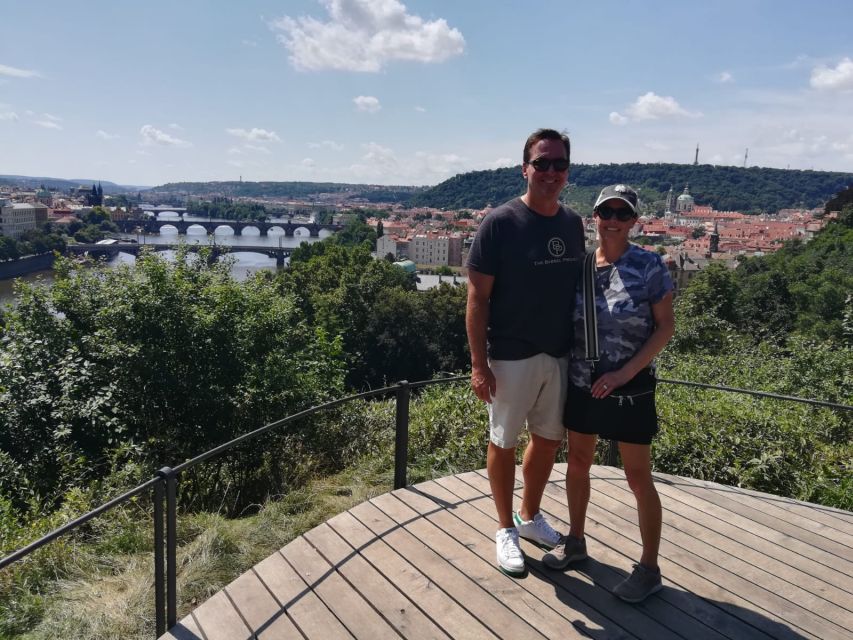
World War II is treated as more than background. You’ll see key sites related to anti-Nazi resistance and also visit the SS Headquarters area.
The value here is how the tour layers cause and effect:
- Nazi occupation pressures are explained.
- Then you get the geography of resistance—where people tried to fight back, survive, or preserve moral and civic life.
You also get stops tied to Second World War bombing locations. If you’ve ever wondered how the war left scars in the city beyond monuments, this is where the tour makes that idea tangible.
One consideration: if WWII and Communism both feel equally heavy to you, pace yourself mentally. A 3.5-hour format is intense by nature, and the tour packs in a lot of emotional subject matter without long breaks.
Jewish Old Town stop: a key part of Prague’s WWII reality
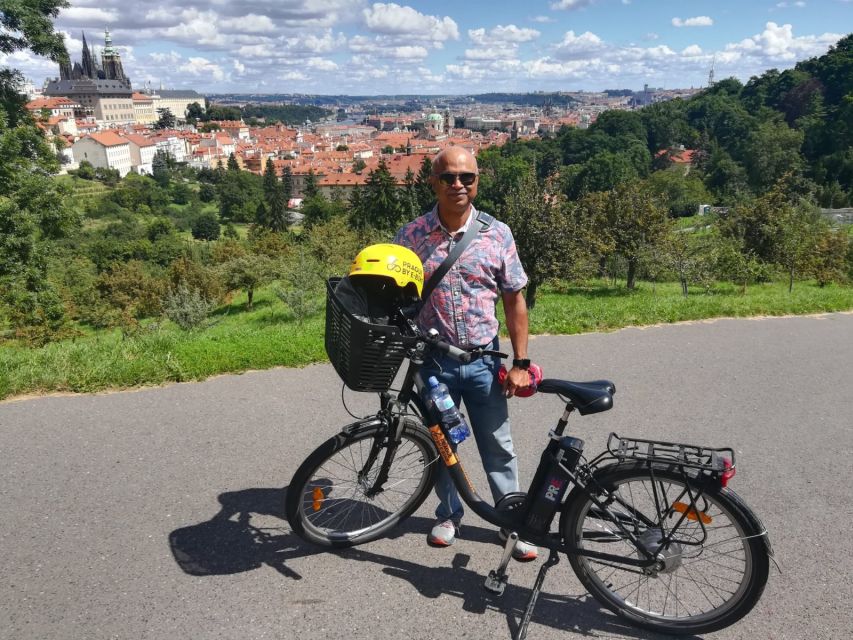
The itinerary includes the Jewish Old Town. This stop helps broaden the WWII narrative beyond politics-at-the-top and toward the communities affected most deeply.
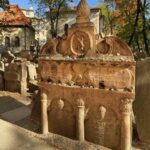
It’s not only a “see this neighborhood” segment. The way it’s framed supports the larger story of occupation and persecution—so you don’t leave thinking in terms of history-as-facts only. You leave with a better sense that entire lives and social worlds were disrupted.
The Museum of Communism: why the free entrance matters
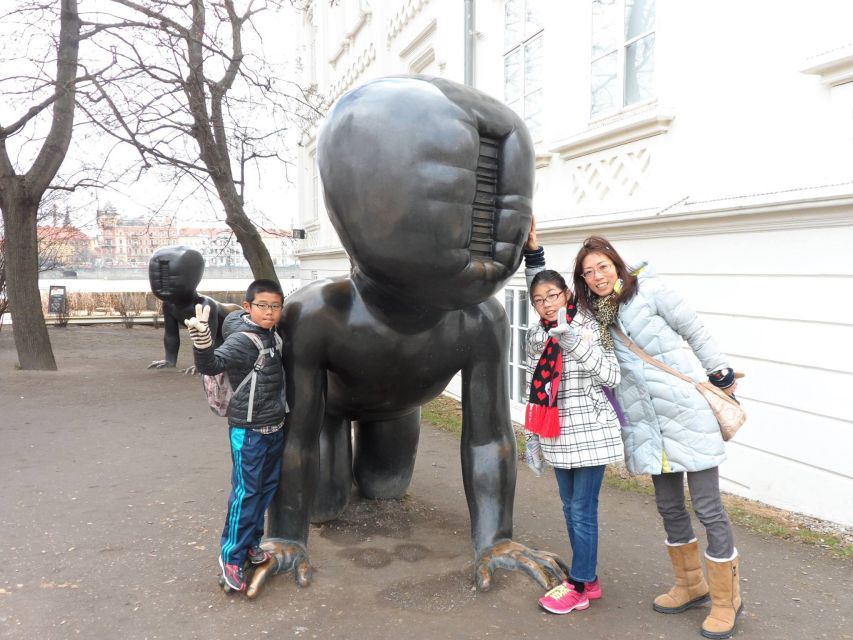
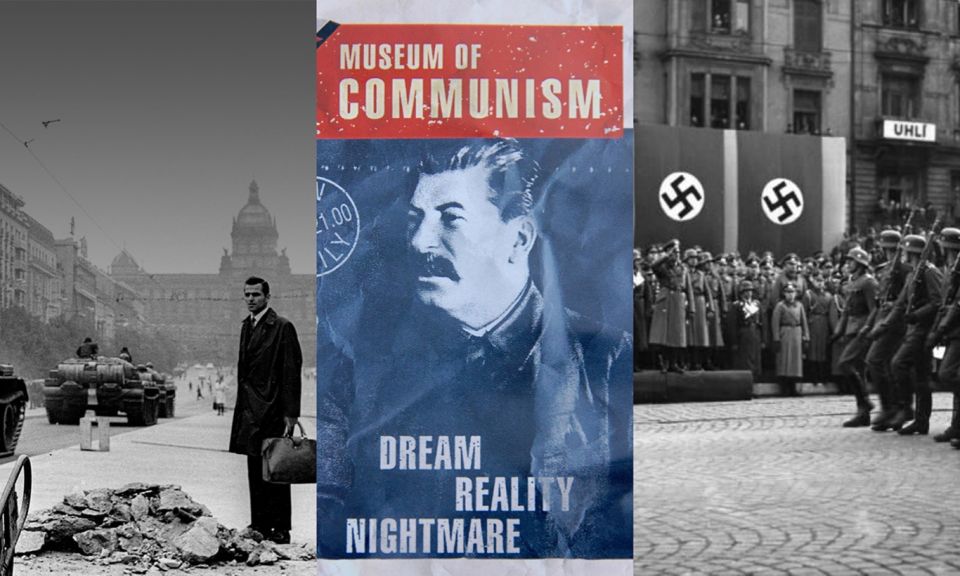
You get free entry to the Museum of Communism, and it functions as a built-in reset during the ride. People also point out that it’s a focused, readable break—an hour where exhibits, rooms styled for the era, and objects help make the ideology feel real rather than distant.
This stop is included for a reason. E-bike tours can be “see and go” if there’s no deeper pause. Here, the museum turns the guiding into something you can test against what you’re looking at. Even if you’re not a museum person, this one tends to work because it’s designed around how the system felt day-to-day: propaganda, symbols, and the visual language of power.
Cyril and Methodius Church and Anthropoid filming location
The tour also mentions the Cyril and Methodius Church as a filming location connected to Anthropoid (the 2016 war film). Even if you haven’t seen the movie, this kind of stop is useful because it links modern storytelling to the historical setting.
It helps you understand that history isn’t only preserved in textbooks; it gets reinterpreted through film, memory, and public imagination. It’s a neat way to keep the tour from becoming one long lecture.
SS, resistance, bombing sites, then back for the final beer
The later portion of the tour continues the thread: WWII hardship, resistance, and the aftermath that set the stage for Communism. You’ll finish the cycling portion and return to the start point.
At the end, you get 1 cold beer. It’s a small inclusion, but it fits the tone: you finish with a sense of having seen a lot, and you’re not left wandering the city with the emotional weight still sitting on your shoulders.
The real-world ride: what to wear and what to expect on cobblestones
The e-bikes do a lot of work for you, but Prague streets still have rules.
What I’d do before you go:
- Wear shoes with grip for cobblestones
- Expect that some sections can involve walking the bikes through crowded areas
- Bring a light layer in case weather changes mid-tour
Also, if you request it, you can get a poncho and you’ll have a helmet. That’s helpful because Prague weather can switch from fine to annoying quickly.
One more practical point: the bikes are electric, and people report they work well overall. Still, it’s a tour with moving parts. If something goes wrong, the format seems set up to handle it by switching equipment when needed.
Who this tour is for (and who might skip it)
This tour fits best if you want:
- A fast, place-based history route through Prague’s 20th century
- An easier way to cover lots of stops than walking alone
- Real landmarks tied to Communism, WWII, the Velvet Revolution, and resistance
You might consider a different tour if:
- You want mostly everyday-life glimpses (architecture and daily life details get less time than political events)
- You dislike cobblestones or prefer uninterrupted biking without any walk-through sections
- You prefer a deeper museum experience with more time sitting and reading, not a guided rotation of sites
Should you book the Prague Communism and WWII e-bike tour?
I’d book it if you want a guided Prague that connects the dots between occupation, propaganda, and the revolutions that changed the country’s direction. The biggest reasons are simple: the free Museum of Communism entry and the way the route uses major symbols like the John Lennon Wall, plus specific WWII and resistance sites, not just general talk.
Before you hit reserve, do a quick check of two things: your comfort with Prague’s cobblestones and your interest in history-heavy stops. If that sounds like your kind of day, this is a strong value, especially for the small group size and the payoff of finishing with context you can actually remember.
FAQ
What’s the duration of the Prague Communism and World War 2 e-bike tour?
It runs for about 3.5 hours. Starting times depend on availability.
How much does the tour cost?
The price is listed as $74 per person.
Is the tour in English?
Yes. The live guide speaks English.
What’s included besides the e-bike?
You get free entrance to the Museum of Communism, a knowledgeable local guide, 1 bottle of water, and helmet plus a poncho if requested. You also receive 1 cold beer at the end.
How big is the group?
The group is small, limited to 10 participants.
Where do I meet the tour?
The meeting point is Prague by E–Bike, Besední 440/2, 118 00 Praha 1-Malá Strana, near the tram station Újezd (Prague 1). The tour ends back at the same meeting point.
Do I need to bring ID?
Yes. Bring your passport or ID card.