REVIEW · PRAGUE
Jewish Prague With a Local Historian
Book on Viator →Operated by Prague: Local Historian Tours · Bookable on Viator
Prague’s Jewish story is never far away. This Jewish Prague walk strings together the key places you’d otherwise miss, with a local historian who can explain what you’re seeing and why it mattered. I especially like the mix of medieval Jewish life and the harsh World War II chapters, and I also like that you get a focused route instead of a random list of sights. One thing to plan for: this is a walking tour, and it runs best in decent weather.
What makes it feel different is the way the historian leads you through Josefov and nearby areas, pointing out details in the streets and corners that are easy to overlook on your own. I’m drawn to tours where you can ask real questions and get straight answers, and this one has that calm, patient feel. The group size stays small (max 6), which helps if you want to keep the conversation going.
In This Review
- Key points worth knowing before you go
- Price and logistics: what $64 buys you in practice
- Josefov: walking the Jewish Quarter back to the 13th century
- Klausen Synagogue and the Jewish Cemetery: why these stops matter
- A note on the Jewish Museum: optional, but not built in
- Nove Mesto’s Jewish traces: older, quieter clues beyond Josefov
- Bubny: the departure story and the Holocaust Memorial
- Praha hlavní nadrazi: Nicolas Winton and 669 children
- Jerusalem Synagogue: a focused stop with entry not included
- Pacing, questions, and why the guide’s approach matters
- How morning vs afternoon changes the vibe
- What this tour is best for (and who should look elsewhere)
- Should you book Jewish Prague With a Local Historian?
- FAQ
- FAQ
- How long is the tour?
- Where does the tour start and end?
- What is included in the price?
- Is it a group tour or private?
- What stops are included on the route?
- Do we visit the Jewish Museum?
- Is the Klausen Synagogue and Jewish Cemetery entry included?
- Is Jerusalem Synagogue entry included?
- What about the Nicholas Winton story stop?
- What’s the cancellation policy like?
Key points worth knowing before you go
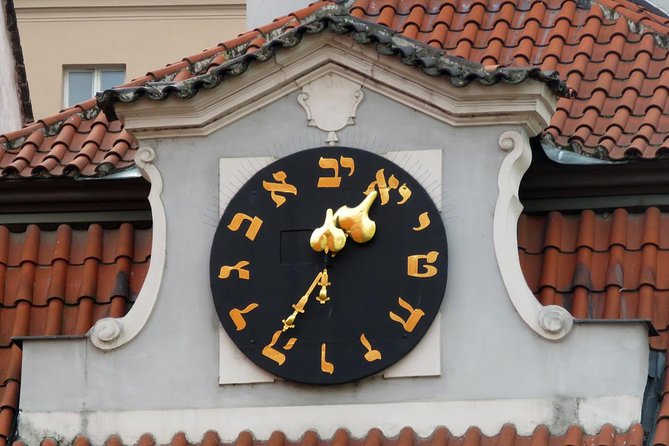
- A small group (up to 6) and a private, personalized style
- Klausen Synagogue and the Jewish Cemetery as central stops
- Holocaust and Nazi concentration-camp stories tied to specific places
- Bubny’s memorial focus on the departure of Czech Jews
- Praha hlavní nadrazi and Nicholas Winton’s rescue of 669 children
- Jerusalem Synagogue stop with entry not included
Price and logistics: what $64 buys you in practice
The price is $64 per person for about 3 hours, and that matters because you’re not just collecting photo ops. You’re paying for interpretation: walking the city with a historian who can connect streets, buildings, and the people who lived there. For a route like this, that explanation is the whole point.
You also get a Prague public transport ticket and bottled water, plus a mobile ticket for easier check-in. Start and end locations are both in central Prague, so you’re not trekking across town just to begin or finish. And since it’s offered in a morning or afternoon time slot, it fits nicely into a sightseeing day without forcing a weird schedule.
The only real “watch-out” is comfort and weather. The tour needs good weather, and you’ll be on foot for the full 3-hour experience.
You can also read our reviews of more tours and experiences in Prague.


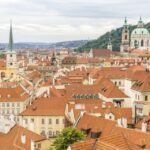
Josefov: walking the Jewish Quarter back to the 13th century
You start in Josefov, the historic Jewish Quarter. This is where the tour earns its name: Prague’s Jewish heritage here stretches back to the 13th century, when the area was Europe’s largest Jewish ghetto. That line alone sets the tone. You’re not just seeing synagogues; you’re seeing an urban world that shaped daily life, community rules, and later, catastrophe.
You’ll walk through the Jewish Quarter with stops around different synagogues and hidden spots that are hard to spot independently. The goal isn’t to rush you through landmarks. It’s to help you read the neighborhood—how these places sit in the streets, how the community shaped the area, and how layers of history still show up in the present.
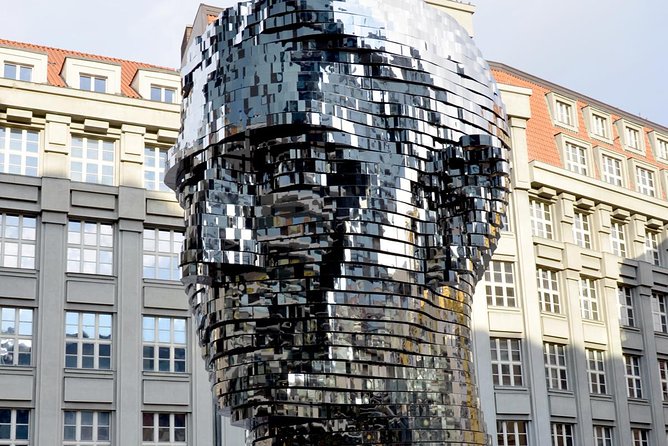
This is also the moment where you’ll hear the tour’s recurring themes: persecution during World War II, and how a figure like Franz Kafka fits into Prague’s Jewish story. Even if Kafka isn’t why you booked, it adds texture to the narrative—showing that Jewish life here wasn’t just about tragedy.
What you’ll love: the walking pace and the focus on small details.
What to consider: you should wear comfortable shoes because Josefov’s charm comes from its street-level texture.
Klausen Synagogue and the Jewish Cemetery: why these stops matter
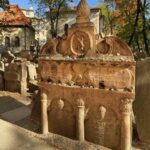
The tour’s highlights include the Klausen Synagogue and the Jewish Cemetery, and that’s a strong choice. Synagogues are obvious. Cemeteries are where the atmosphere gets real—especially in a place like Prague, where history isn’t sealed behind museum walls. A guided visit helps you understand what you’re looking at and what symbols, names, and layout often communicate.
You also get the benefit of timing. The tour allocates about 1 hour 30 minutes to Josefov, which is enough to take in the atmosphere without feeling like you’re sprinting between points. And since the stop includes an admission ticket free arrangement for that segment, you’re not juggling extra entry costs for every single photo stop.
If you’re the type who likes to understand the difference between “I saw a synagogue” and “I understood what it represents,” this is where the tour delivers.
A note on the Jewish Museum: optional, but not built in
You will not visit the Jewish Museum together as part of the standard flow. What you can do is arrange a visit together (depending on what fits your day). This is one of those details that can actually help you.
If you’re trying to keep your trip simple, you get the focused walking route you booked. If you want deeper museum time afterward, you can usually add it without derailing the guided story. For many people, that balance is ideal: context on the street first, then objects and documents inside if you want them.
Nove Mesto’s Jewish traces: older, quieter clues beyond Josefov
After Josefov, the tour moves to Nove Mesto (New Town) for “hidden Jewish stuff” around three places—including the oldest known Prague Jewish cemetery. This is a clever shift. It stops the tour from feeling like it’s only about one neighborhood.
In about 30 minutes, you get a different angle on Jewish Prague: not just the major cluster of synagogues and cemeteries, but the broader footprint across the city. Short? Yes. But it’s purposeful. These are the kinds of spots that don’t always make it into big sightseeing lists, and a guide helps you connect them to the bigger story you already heard in Josefov.
What to expect: quick orientation, clear explanations, and enough time to ask what you’re wondering about.
What to consider: this segment is compact, so if you’re the kind of person who loves long museum-style pacing, you may want to follow up with extra time on your own later.

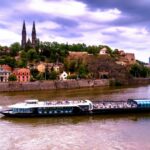
Bubny: the departure story and the Holocaust Memorial
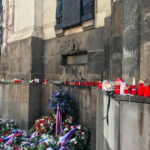
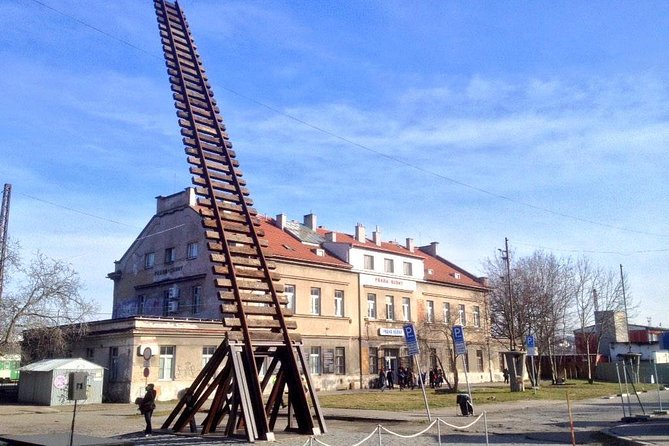
Next is Bubny, and this is where the tour’s emotional weight becomes unavoidable. You’ll hear about the departure place of Czech Jews to concentration camps, and you’ll visit the Holocaust Memorial area.
The value here isn’t sensationalism. It’s location. When you connect names and events to a place in the city, it becomes harder to treat the history as something abstract. A walking tour like this also has an important advantage over a pure museum visit: it can show you how the past sits in the present streetscape.
This stop runs about 30 minutes, which is long enough for meaning, short enough that the tour can keep moving without turning into a prolonged, exhausting slog.
What you’ll likely appreciate: a respectful, story-driven approach to a difficult topic.
What to consider: keep a little emotional space for yourself. If you’re sensitive to Holocaust-related themes, plan lighter activities the rest of the day.
Praha hlavní nadrazi: Nicolas Winton and 669 children
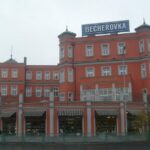
The tour then heads to Praha hlavní nadrazi, where you’ll hear the story of Nicolas Winton, who saved 669 Jewish children. This is one of the most hopeful threads in the tour, placed right after the darker Bubny segment.
And that sequencing matters. It stops the story from ending in tragedy only. Winton’s story gives you a counterweight: human choices, rescue efforts, and the difference one person—or a network of people—can make.
This segment is about 15 minutes, and admission is listed as included, which is helpful if you’re trying to keep costs predictable. Even with a shorter time block, the guide can make the story land, because you’ve already been building context moments earlier.
Jerusalem Synagogue: a focused stop with entry not included
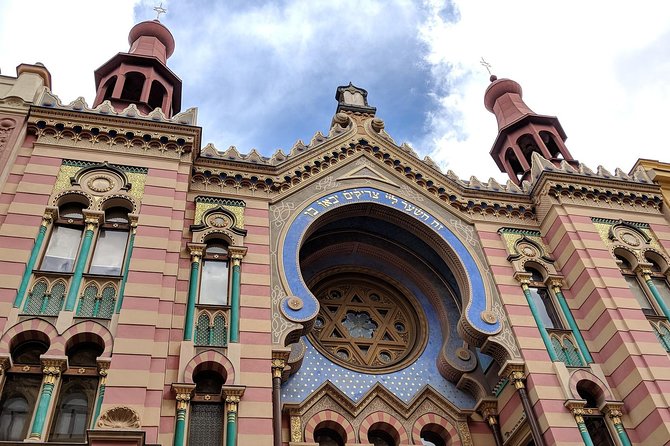
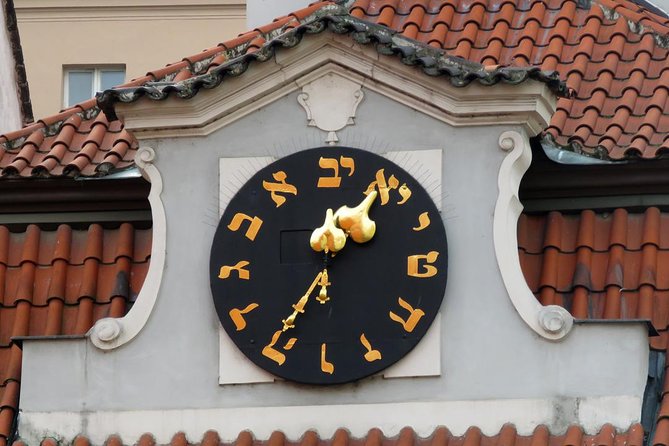
The final named sight on the route is the Jerusalem Synagogue. It’s scheduled for about 15 minutes, with admission not included.
This format works well if you want a guided visit that stays time-efficient. You’ll get the guided context and orientation, then you can decide on the spot whether you want to pay for entry. If you’re the type who likes to see interior spaces, budget extra time for this decision. If you’re more interested in the neighborhood story than the interior rooms, you may find the guided exterior-and-context stop exactly right.
Pacing, questions, and why the guide’s approach matters
The walking pace is a big part of why this tour earns top marks. The route doesn’t feel like a hurry-up march. Instead, it’s structured so you can absorb what you’re seeing and still have time for answers.
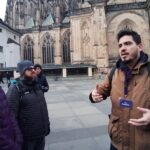
One especially praised element is the historian style: Jiri (a PhD) is mentioned as an example of the kind of guide who leads these walks, with information that’s both thorough and patiently explained. You’ll also notice the tone: when you have questions, you’re not brushed off. That’s not guaranteed on every tour, and it’s worth seeking out.
With a maximum of 6 travelers, you also avoid that awkward moment when the guide has to shout over everyone. You can actually keep track of what’s being said.
How morning vs afternoon changes the vibe
You can choose either a morning or afternoon time slot. That sounds minor, but in Prague it can change how you experience the route.
Morning can feel calmer for street walking and photo-taking. Afternoon can give you warmer light on stone façades, and it often fits better if you like to sleep in. Since the tour is time-limited anyway (about 3 hours), either slot works. Just pick the one that matches your energy and how you like to walk around historic neighborhoods.
What this tour is best for (and who should look elsewhere)
This tour fits you if you want:
- A small-group Jewish Prague walk with real storytelling
- A clear route tying Josefov, Nove Mesto, Bubny, and Praha hlavní nadrazi together
- Holocaust history addressed through place-based context
- A stop for Nicholas Winton and the 669 rescued children story
It may be less ideal if you want only light, entertainment-style sightseeing. Even though the route includes meaningful hope, the itinerary includes World War II persecution and concentration-camp context. You should be ready for that.
It’s also a good match if you like learning from a historian who can keep explanations organized. This one aims for clarity and patience rather than dumping facts.
Should you book Jewish Prague With a Local Historian?
If you care about depth, this is a strong pick. The tour gives you a coherent story in 3 hours, not a random grab bag of sights. It’s also built around what matters most: synagogues, cemeteries, key Jewish neighborhoods, and the Holocaust sites that give history a physical address.
Booking makes the most sense if:
- You want a guided way to understand Josefov and what happened there across centuries
- You’d rather have a historian connect the dots than do a solo scavenger hunt
- You appreciate a calm pace and time for questions
If you’d rather spend your time only in museums, or you’re looking for a purely outdoor-and-photo tour with no heavy history, then you might prefer something less narrative. But for most people trying to get Jewish Prague right, this route is a smart use of limited time.
FAQ
FAQ
How long is the tour?
It runs for approximately 3 hours.
Where does the tour start and end?
It starts at Nám. Franze Kafky 24/3, Staré Město, and ends at Jeruzalémská, Nové Město (both in central Prague).
What is included in the price?
The tour includes all fees and taxes, bottled water, and a Prague public transport ticket.
Is it a group tour or private?
It’s described as a private tour experience, with a maximum group size of 6 travelers.
What stops are included on the route?
You’ll cover Josefov, Nove Mesto, Bubny, Praha hlavní nadrazi, and a stop at the Jerusalem Synagogue.
Do we visit the Jewish Museum?
The Jewish Museum is not visited together as part of the standard walk, though a visit can be arranged.
Is the Klausen Synagogue and Jewish Cemetery entry included?
The Josefov segment lists admission ticket free, and Klausen Synagogue and the Jewish Cemetery are included as highlights.
Is Jerusalem Synagogue entry included?
Admission for the Jerusalem Synagogue is not included.
What about the Nicholas Winton story stop?
At Praha hlavní nadrazi, the story of Nicolas Winton and the 669 children he saved is included.
What’s the cancellation policy like?
Free cancellation is available up to 24 hours in advance for a full refund, and the tour depends on good weather.