REVIEW · PRAGUE
Back to Communism Walking Tour
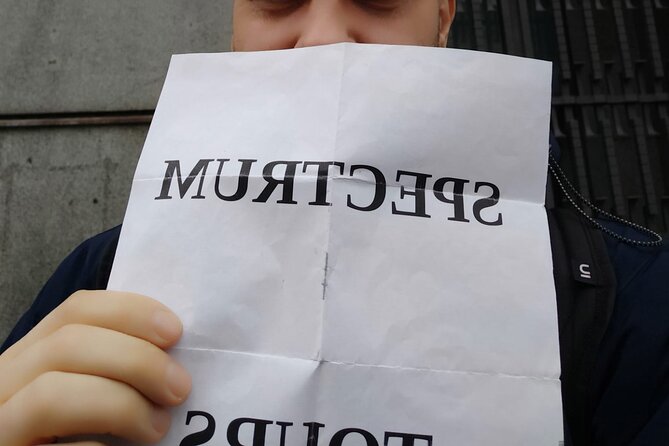
Book on Viator →Operated by Spectrum Tours · Bookable on Viator
These sites hit differently once you hear them from people who lived them. I love that this small-group walk turns Czech political history into street-level storytelling, with guides ready for real questions. I also like that the tour stays active on foot and keeps you moving between major landmarks. One drawback: it’s still an outdoor walking tour, so it can feel very cold—bring a jacket if you’re booking outside summer.
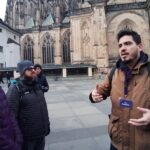
You’ll cover three powerful stops in about two hours, guided in English with a local perspective. Guides I’ve seen named in past tours include Petr, Daniel, and Marek, and their tone is serious but practical. If you’re hoping for a debate about today’s politics, you may find the focus stays on the past.
In This Review
- Key things that make this Prague communism walk worthwhile
- Back to Communism: how this tour makes Prague feel personal
- Price and timing: what $44.22 buys you (and why the value feels real)
- Where you start: Na Příkopě and why the first minutes matter
- Stop 1: Bartolomějská and the former Czechoslovak Secret Police HQ
- Stop 2: Wenceslas Square and the power of public space
- Stop 3: the hands on Narodni třída and the Velvet Revolution memorial
- Guides, tone, and why the conversation feels different
- Walking it well: how to get more from the 2-hour format
- Is it only for history nerds? Not even close
- Weather reality and what the freezing comments really mean
- Should you book the Back to Communism walking tour?
- FAQ
- How long is the Back to Communism walking tour?
- What language is the tour offered in?
- Where does the tour start and end?
- Is this a small-group tour?
- What’s included in the price?
- Are there admission fees for the stops?
- Is the tour suitable for children?
- Can I bring a service animal?
- How does free cancellation work?
Key things that make this Prague communism walk worthwhile
- Small group (max 15) means more chances to ask questions and get direct answers.
- Secret police HQ setting gives the Cold War story a physical place to land.
- Free outdoor stops keep you from feeling nickel-and-dimed mid-walk.
- Velvet Revolution memorial stop makes the Czech transition from communism harder to forget.
- Mobile ticket makes it easier to show up and start quickly.
- English guiding works well if you want the context without translation hassles.
Back to Communism: how this tour makes Prague feel personal
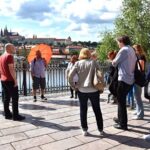
Prague has plenty of photo-worthy views. This tour goes after something else: memory. You walk through parts of the city where state power didn’t feel abstract. It felt close. And you hear how it shaped daily life—work, fear, and choices people were forced to make.
What makes this kind of tour click is the balance between location and explanation. You don’t just get names and dates. You get the lived context behind them: what it meant when a secret police operation was nearby, how public spaces could become stages for control, and how resistance later reshaped what people believed was possible.
I also like the pacing. It’s not a museum slog where you sit and read wall labels until your eyes blur. You’re outside, moving between spots that connect into a story. If you’re the type who learns best by looking and then listening, you’ll enjoy this format.
Still, manage expectations. This isn’t a fantasy tour of communist-era props. It’s a history-focused walk, so the tone stays grounded and focused on events and consequences—not shock value.
You can also read our reviews of more walking tours in Prague

Price and timing: what $44.22 buys you (and why the value feels real)
At $44.22 per person for about two hours, the big question is whether you’re paying for the walking or for the telling. Here, you’re really paying for the guides and the way they connect the dots. The tour includes both a local guide and a professional guide, and the small group size (up to 15) helps you get answers instead of just hearing a lecture.
A useful detail for planning: this tour is often booked about 78 days in advance. That suggests it’s a popular slot for people who want a focused topic without spending a half day. If your dates are fixed, don’t leave it to the last minute.
You also get practical ease:
- Mobile ticket so you can keep things simple on your phone
- English offering
- Tour ends back at the meeting point
- Stops are listed as free to access, so you’re not scrambling for extra admissions while you’re outside
For value, I like that you’re paying for a guided narrative with context, not for entry fees at museums. You’re using Prague’s streets as the classroom.
Where you start: Na Příkopě and why the first minutes matter
The tour meets at Na Příkopě 864/28, Nové Město and returns there at the end. This matters more than it sounds. Meeting near a main area on the Prague 1 side makes it easier to connect with other plans before or after the walk.
It also helps that the tour is near public transportation. If you’re doing a multi-day Prague itinerary and you want something tightly scheduled, this is the kind of tour that fits without turning into a logistics puzzle.
One small tip: arrive a little early. With only a maximum of 15 people, the group tends to be managed efficiently, and you’ll be ready to start right when the guide begins.
Stop 1: Bartolomějská and the former Czechoslovak Secret Police HQ
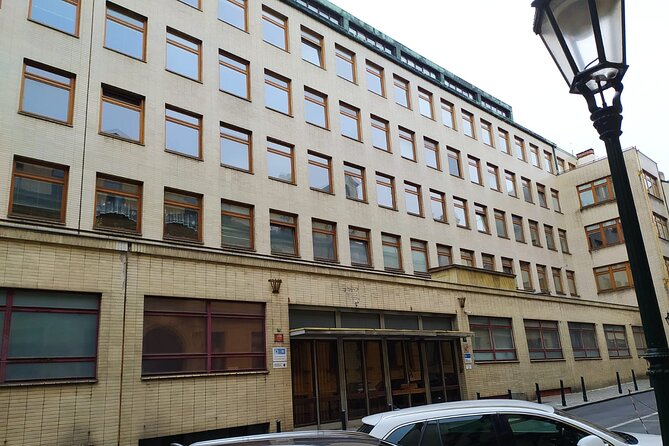
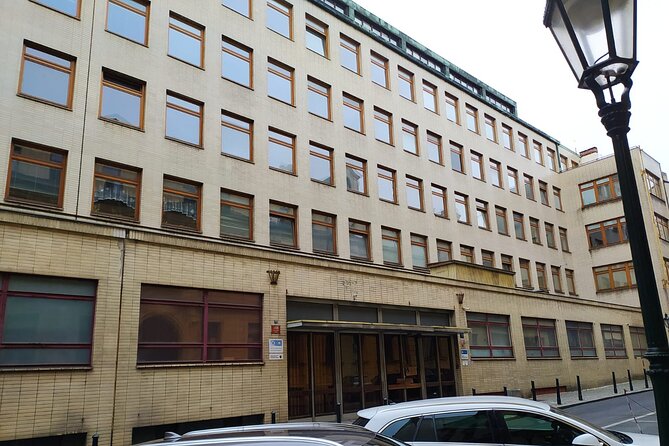
You begin at Bartolomějská, described as the former HQ of the Czechoslovak Secret Police. This is the kind of place where history stops being an abstract chapter and becomes a real-world setting.
The value here is not just learning that the secret police existed. It’s understanding what that kind of operation meant when it was housed near regular life. You can look at the building and imagine the power dynamic: monitoring, paperwork, fear of informants, and pressure on ordinary people. The guide’s job is to translate those forces into what you’d actually see and feel around you.
I also like that this stop is short and to the point (about 5 minutes). That’s a good strategy for heavy topics. It keeps your attention sharp and prevents “overstaying” in a place that can feel emotionally heavy.
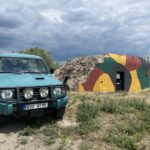
If you’re the type who likes evidence, keep your eyes open. One past highlight shared by guests was how guides point out physical remnants connected to the Soviet era, like visible damage you can see on-site. The exact specifics depend on what’s accessible and what the guide chooses to highlight, but the overall approach is hands-on observation paired with context.
Potential drawback: because this stop is focused and brief, you’ll want to ask questions if you’re curious. The small group size is there for that reason—use it.
Stop 2: Wenceslas Square and the power of public space
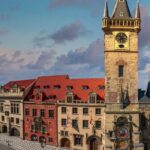
Next comes Wenceslas Square, framed as a place that has “experienced a lot,” with the guide taking you back into a more recent past. This is a smart pairing with the first stop. Secret police power is often hidden. Public squares are the opposite: they’re where the state’s image, rules, and messaging become visible.
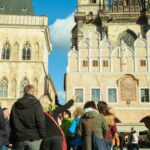
Wenceslas Square also gives you perspective. It’s the kind of location where you can walk around and see how space shapes behavior. Even without knowing every detail, you’ll grasp the idea that big public areas can become political tools—places for messaging, crowd pressure, and control.
The guide’s job here is to connect the dots between control behind closed doors and control in public. You’ll likely hear about how events unfolded and how everyday life was affected. The stop is listed as about 15 minutes, which is long enough for real context but not so long that you lose the thread.
One thing to consider: Wenceslas Square can be busy, depending on the time of day. That doesn’t ruin the experience, but it does mean you should be prepared for some outside noise and movement. The guide can still keep you focused, yet it’s good to be patient and listen for the story thread.
This is also where you’ll benefit if you like asking questions. Many guests have praised the tour for staying interactive—an important advantage over a larger, lecture-style walking group.

Stop 3: the hands on Narodni třída and the Velvet Revolution memorial
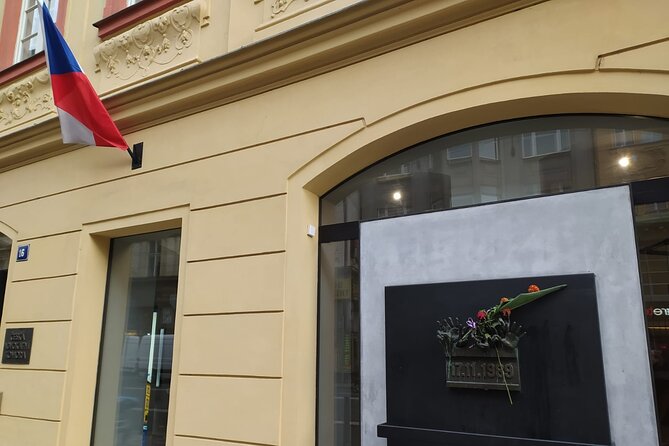
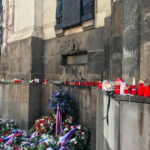
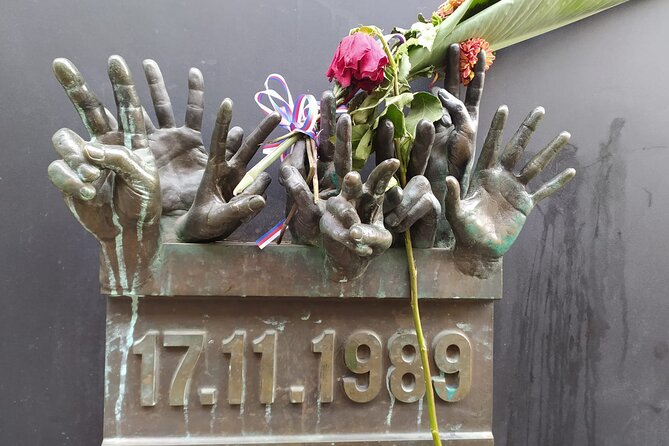
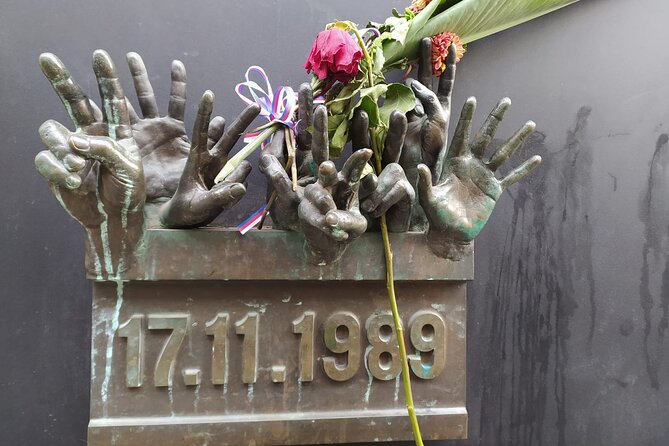
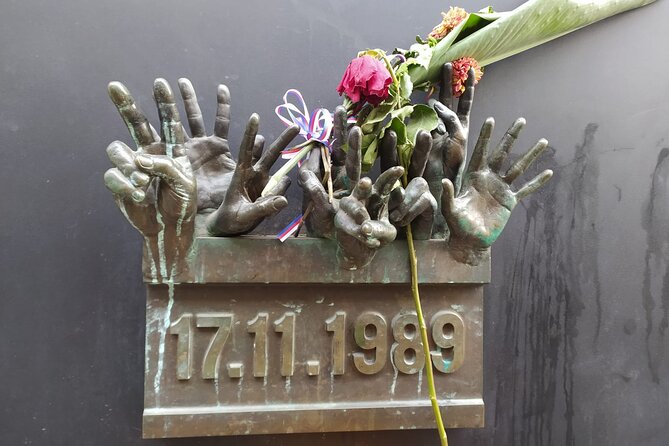
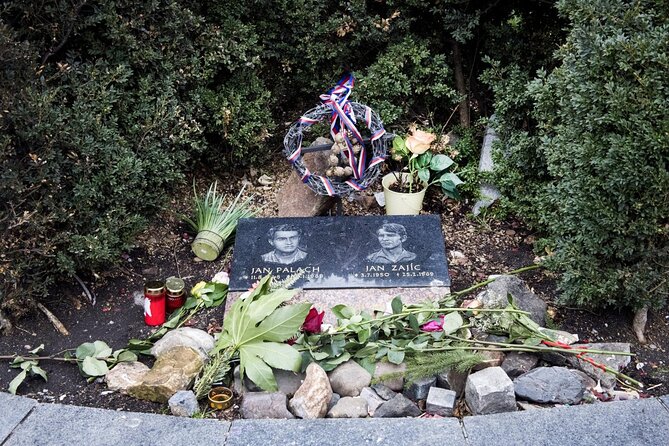
The final stop is the memorial on Narodni třída: hands reaching out of the wall, honoring victims of the Velvet Revolution. This is where the tour shifts from repression to consequence and change.
I like that the memorial is framed as one of the strongest moments of Czech modern history. You see it, you hear what happened, and suddenly the story feels like more than one political regime. It becomes a human timeline—people harmed, people inspired, people pushing for a future.
This stop is listed at 10 minutes, which works well for a reflective site. It gives you time to read the guide’s explanation without turning the moment into a long lecture. The best part of memorial stops is the pause they create, and a good guide uses that pause to make the history stick.
One of the most chilling things guests have described is how guides connect the memorial theme to physical evidence and real-world impact. Again, exact examples can vary depending on accessibility, but the approach is consistent: the guide points you toward what you can actually see, and then ties it back to what those marks meant.
If you prefer a history tour that ends with meaning—not just facts—this is a strong finish.
Guides, tone, and why the conversation feels different
A big reason this tour earns praise is the people leading it. Past guides named in guest feedback include Petr, Daniel, Marek, and the tour company leadership signs some responses from Lukas Vraz and Jan Svitavsky. That may sound like background, but it points to a bigger theme: this tour’s value comes from human delivery, not just a script.
You’ll likely notice two things when the guide talks:
- they speak like someone who understands how systems worked, not like a storyteller repeating trivia
- they keep the tone focused on the topic, with room for questions inside that focus
There’s also a recurring note in feedback about the experience feeling freezing. That’s partly humor and partly reality: you’re outside, and communism history doesn’t come with a warm café break. Dress for cold weather if you’re visiting in cooler months, and don’t plan to treat the tour like an easy stroll in light layers.
Walking it well: how to get more from the 2-hour format
Two hours sounds short until you’re listening closely at three emotionally intense sites. Here’s how to make sure you actually absorb the story instead of just moving from place to place.
First, pick one or two questions before you arrive. For example: how did the secret police operate in daily life, or what changed when the Velvet Revolution unfolded? The small-group format is built for this kind of targeted curiosity.
Second, pay attention to how the guide connects stops. The tour works best when you hear Stop 1 as context for Stop 2 and Stop 2 as context for Stop 3. If you miss the transition, it’s easy for the story to feel like separate facts. The guide will try to link it, so follow the thread.
Third, if you’re pressed for time in Prague, treat this as a topic anchor. You can pair it with other landmarks without needing another deep history session. It gives you a mental framework for what you’ll see later around the city.
Finally, bring comfortable shoes. The tour is designed for active travelers who like to explore on foot, and it’s simply easier if your legs aren’t fighting you while you’re trying to listen.
Is it only for history nerds? Not even close
I think this tour works for more than one type of traveler.
- If you like understanding the modern Europe behind today’s politics, this is a fast, concentrated route.
- If you’re the kind of person who likes personal perspective—how someone experienced a system—this has the right ingredients.
- If you’re visiting Prague for architecture and want a human layer, it adds depth without taking over your whole day.
It’s also a decent choice if you’re traveling with friends who don’t all share the same interests. One person can focus on political history, another can focus on the city’s public spaces and memorials, and the guide connects those angles into one narrative.
The only group I’d hesitate for is people who only want light sightseeing with zero emotional weight. This walk includes serious subject matter. It isn’t graphic, but it is not casual.
Weather reality and what the freezing comments really mean
That strong “freezing” theme in guest feedback is worth taking seriously. Even if your guide keeps the tone focused, you’re still outside for roughly two hours. Cold weather plus standing still at memorials can wear you down faster than you expect.
So do what you would do for any Prague winter walking plan:
- wear warm layers
- consider gloves if you run cold
- plan to stand and listen for a few minutes at each stop
The good news: because the tour is structured into short segments—5, 15, and 10 minutes—you’re not stuck in one place forever. You keep moving, and that can help.
Should you book the Back to Communism walking tour?
Book it if you want a small-group Prague experience focused on Cold War and communist-era context, delivered by guides such as Petr, Daniel, or Marek. The combination of a former secret police HQ, a major public square, and a memorial tied to the Velvet Revolution gives you a clean emotional and historical arc in about two hours.
Skip it (or save it for later) if you’re looking for purely scenic sightseeing, or if you hate outdoor walking in cold weather. Also, if you’re specifically hunting for a current-events political discussion, expect the guide to keep the center of gravity on historical understanding.
If you do book it, you’ll get something Prague does best when you’re ready for it: a story that makes the city’s buildings feel like they have memory.
FAQ
How long is the Back to Communism walking tour?
It runs for about 2 hours (approx.).
What language is the tour offered in?
The tour is offered in English.
Where does the tour start and end?
It starts at Na Příkopě 864/28, Nové Město, 110 00 Praha-Praha 1, Czechia and ends back at the meeting point.
Is this a small-group tour?
Yes. The tour has a maximum of 15 travelers.
What’s included in the price?
The tour includes a local guide and a professional guide.
Are there admission fees for the stops?
The stops listed are free, with admission ticket free noted for each stop.
Is the tour suitable for children?
Children must be accompanied by an adult.
Can I bring a service animal?
Yes. Service animals are allowed.
How does free cancellation work?
You can cancel for a full refund up to 24 hours in advance of the experience start time.