REVIEW · PRAGUE
The Plague Doctor of Prague
Book on Viator →Operated by Night Watchman of Prague · Bookable on Viator
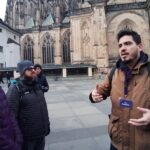
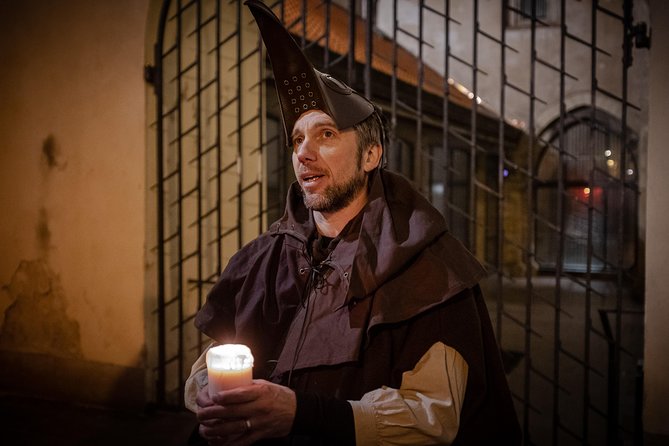
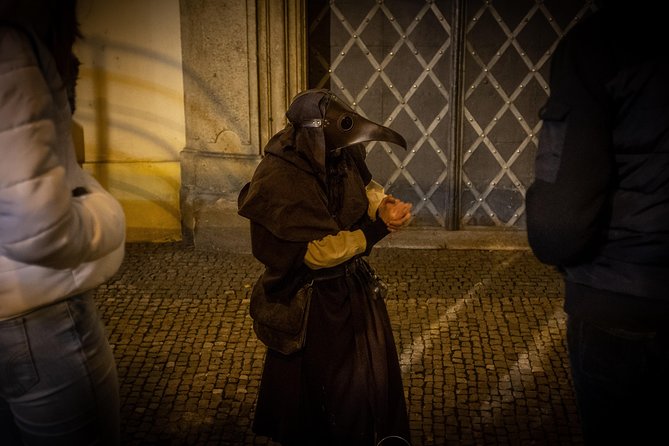
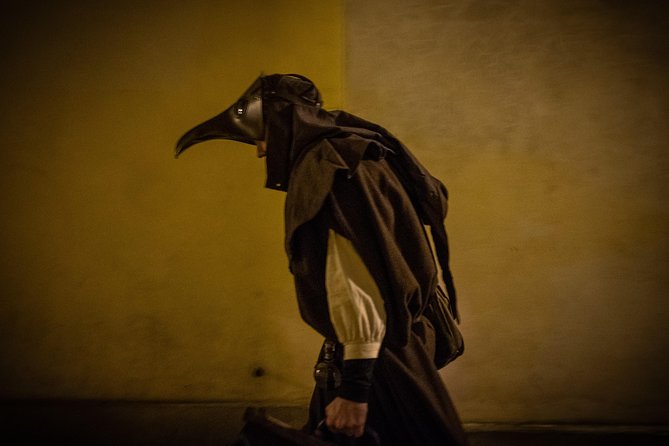
A plague doctor in Prague feels like time travel. This 90-minute, English-led walk uses real city stops to explain how people in 1715 thought about the plague—and why it hit some Prague communities harder than others. You’ll meet the plague doctor Alexander Schamsky and move through Old Town like you’re stepping onto a public-health set.
I really like the way the tour mixes history and storytelling without turning into a lecture. The stops are specific (Aurus Hotel Prague, Klementinum, the market square, Na Frantisku hospital), and the pace stays easy with frequent short segments. I also love the Jewish Quarter focus, including the impact of the plague on Jewish communities and connections to literature like Albert Camus’s La Peste.
One thing to consider: if you’re craving a strict, academic timeline with lots of dense background, you might want to pair this with another history walk. Some guides do a lot of humor and street-level life, and that approach can feel lighter on pure chronology for a few people.
In This Review
- Key things to know before you go
- A 90-minute Prague walk that turns public health into street theatre
- Meeting Alexander Schamsky at Aurus Hotel Prague (House of the Golden Well)
- Klementinum, the library world, and the reality of quarantine
- Staroměstské náměstí: merchants, markets, and war-time stress
- Kafka’s statue, the Jewish Quarter, and the meaning of La Peste
- Na Frantisku hospital: healing methods and medical beliefs
- Convent of St. Agnes: closing the loop with today’s disease context
- Who this tour fits best (and who should look elsewhere)
- Value for $26.61: why the price makes sense
- Should you book the Plague Doctor of Prague tour?
- FAQ
- How long is the Plague Doctor of Prague tour?
- Where does the tour start and where does it end?
- Is the tour offered in English?
- What is the group size limit?
- What can I expect to see during the tour?
- What if the weather is poor?
Key things to know before you go
- Small groups (max 10) keep the walk friendly and make questions easier to answer.
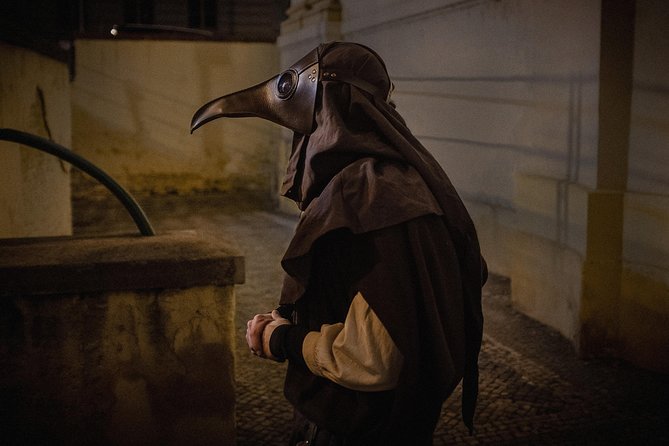
- Plague doctor character time adds atmosphere, especially at evening hours.
- A Jewish Quarter storyline covers how the plague affected Jewish communities in Prague and beyond.
- Quarantine and healing methods get treated as real-life details, not just scary anecdotes.
- Na Frantisku hospital stop ties medical beliefs to the city’s physical past.
- A final group photo with the plague doctor gives the tour a fun, memorable finish.
A 90-minute Prague walk that turns public health into street theatre
This is the kind of tour that gives you more than photos. You get a guided walk where the guide’s performance matters, but the facts still have a clear goal: help you understand what people believed, how they lived, and why fear spread so fast.
The format is also practical. Expect about 1 hour 30 minutes with short stop times, so you don’t feel stuck in one place for ages. And with a maximum of 10 travelers, it tends to feel like a shared experience rather than a shuffle through landmarks.
I’d call it a value win, too. At $26.61 per person for an organized, English-guided, multi-stop evening walk (with a plague doctor character and a group photo), you’re paying less than most themed experiences and getting a lot of story per minute.
You can also read our reviews of more tours and experiences in Prague.
Meeting Alexander Schamsky at Aurus Hotel Prague (House of the Golden Well)
You start at Aurus Hotel Prague on Karlova 3. The guide introduces Alexander Schamsky and drops you into the year 1715 right at the first stop, using the nearby building known as the House of the Golden Well to set the mood.
This opening works because it frames everything else you’ll hear later. You get plague beliefs of the time, including the role of saints—St. Sebastian and St. Rochus—and the different root causes people blamed when they didn’t understand disease. Even if you know modern science, it’s a useful reminder that earlier medicine mixed faith, fear, and observation in messy ways.
A small drawback here: the first stop is very story-driven. If you’re the type who wants immediate focus on street views and landmarks, you might need a few minutes to settle into the character-and-beliefs style.
Klementinum, the library world, and the reality of quarantine
From the opening, you head to the New Town Hall area and the Klementinum complex, including its old monastery and library spaces. The guide connects this setting to how people believed different forms of the Black Death behaved and who seemed to suffer most.
Then comes one of the most practical parts of the tour: quarantine life. You’ll hear how wealthy people and common people in Prague experienced the outbreak differently, and how isolation wasn’t just a public-health measure. It also shaped daily routines—where you went, who you avoided, and what hope looked like.
If you like history that affects daily behavior, you’ll enjoy this section. It’s not just “people got sick.” It’s how they adapted, resisted, and coped using the tools they had.
Staroměstské náměstí: merchants, markets, and war-time stress
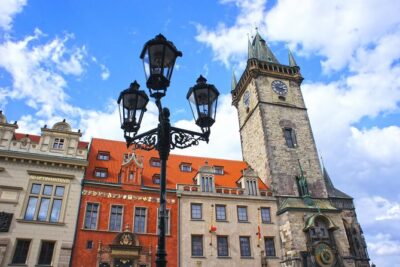
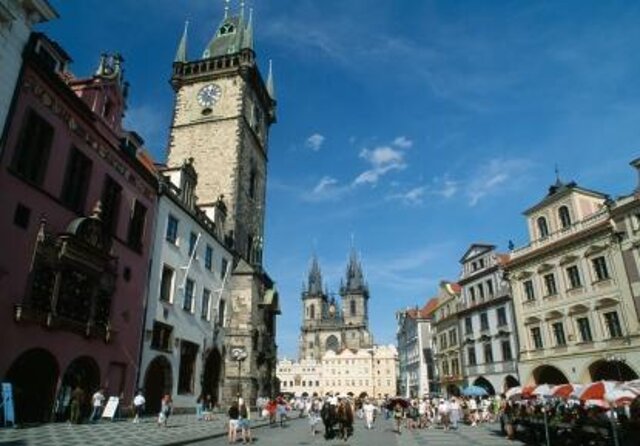
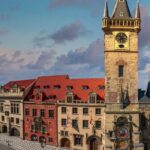
The walk continues to Staroměstské náměstí, the big market square. Here you’ll see major church landmarks tied to the area’s past—the Hussite Church, Týn Church, and the Old Town Hall—and the guide paints a picture of merchants trying to function during plague times.
This stop is also where the tour adds a wider European context via the Thirty Years’ War. That matters because epidemics don’t happen in a vacuum. When conflict and disease overlap, people’s choices narrow fast, and rumor becomes a survival tool.
What I like about this part is the balance. You still get the visual cues of a historic square, but the story keeps returning to people trying to earn a living, keep supplies moving, and manage risk while everything feels unstable.
Kafka’s statue, the Jewish Quarter, and the meaning of La Peste
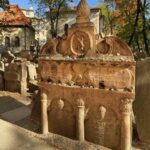
Next comes a quick but memorable shift at the Franz Kafka statue. The guide introduces Kafka and then moves into insights about the Jewish people during plague times in Prague and Europe, before leading you into the Jewish Quarter.
This is one of the tour’s standout strengths. It doesn’t treat Jewish communities as a side note; it gives them weight in the story. You also get a literature thread, connecting Albert Camus’s La Peste to the broader themes people grappled with: illness, fear, and how communities change under pressure.
If you’re visiting Prague for architecture only, this segment may be the emotional center for you. It’s where the experience goes past spooky costumes and turns into human history with real consequences.


Na Frantisku hospital: healing methods and medical beliefs
At the Church of Saint Simon and Jude, you visit the old hospital site known as Na Frantisku. The guide uses this stop to explore plague in Prague through healing methods and more medical background about the disease.
A key detail you’ll hear here is scale: plague killed around 200 million people worldwide. That number reframes the whole walk. Suddenly this is not just “Prague’s spooky past.” It’s part of a global public-health story that shaped centuries.
You’ll also learn about lesser-known heroes of medicine connected to the hospital—people who worked in difficult conditions with limited knowledge. This is where the tour feels most respectful, because it shifts the focus from myths to workers trying to do something practical with what they had.
Convent of St. Agnes: closing the loop with today’s disease context
The tour ends at the National Gallery Prague’s Convent of St. Agnes. Here the guide ties the story together by introducing St. Agnes of Bohemia—her life and work—and then summarizing plague times in Prague and Europe.
This finale is also where you get a modern angle: interesting facts about the current status of the disease. You’re not leaving the tour trapped in dread; you’re leaving with perspective on how society’s understanding changed over time.
The last touch is fun and visual. You finish with a group picture with the plague doctor, so the experience lands with a clear memory hook. It’s one of those small moments that make the whole evening feel complete.
Who this tour fits best (and who should look elsewhere)

This is a smart pick if you enjoy history with characters, especially when it’s delivered with humor and clear explanations. It’s also great for families and mixed ages. In the feedback I saw reflected in my notes of what works on the ground, kids and teens often latch onto the storytelling, while adults appreciate the medical and social context.
It’s also for you if you’re interested in public health beyond the modern era. The tour looks at beliefs, quarantine life, and practical healing attempts—stuff that helps you understand why communities responded the way they did.
If you want only architecture and formal sightseeing, you might feel the balance leans more toward story and everyday life than pure sightseeing. One complaint I noted in the tour results was that the historical narrative could be stronger. You can fix that by pairing this walk with a more fact-heavy museum visit the next day.
Value for $26.61: why the price makes sense
For $26.61 per person, you’re buying three things at once: organization, a guided narrative, and a themed performance that keeps the group moving. The max of 10 travelers means you’re not paying just to stand near the back of a crowd.
You also get multiple environments in a compact time window—market square, institutional Prague near Klementinum, hospital ground at Na Frantisku, and the Convent of St. Agnes. That’s more coverage than many single-topic walks offer, especially when the guide connects each site to a theme: beliefs, quarantine, commerce, community impact, and medicine.
If you’re short on time in Prague but want an experience that feels memorable, this is a strong use of one evening hour and a half.
Should you book the Plague Doctor of Prague tour?
Yes, if you want a fun, well-told way to understand plague-era life in Prague, including the social impact on Jewish communities. The tour’s structure works—short stops, a guided story arc, and a strong finish at St. Agnes—so you don’t lose the thread.
Consider skipping or pairing with something heavier if you’re looking for a tightly academic history lecture. This experience leans into character, humor, and everyday behavior more than dense, straight-line chronology.
If you do book it, choose based on the type of guide you like. Names that have appeared in the tour results—Thomas, David, and Oskar/Oscar, among others—are consistently tied to clear storytelling and good audience engagement, which is exactly what makes a themed walking tour click.
FAQ
How long is the Plague Doctor of Prague tour?
The tour lasts about 1 hour 30 minutes.
Where does the tour start and where does it end?
It starts at Aurus Hotel Prague (Karlova 3, Prague 1-Staré Město). It ends in a different location, specifically at the National Gallery Prague – Convent of St. Agnes.
Is the tour offered in English?
Yes, it is offered in English.
What is the group size limit?
The tour has a maximum of 10 travelers.
What can I expect to see during the tour?
You’ll visit multiple stops including Aurus Hotel Prague (House of the Golden Well), the Klementinum area near the New Town Hall, Staroměstské náměstí (Old Town Square), the Franz Kafka statue area leading into the Jewish Quarter, the Church of Saint Simon and Jude near the Na Frantisku hospital site, and the National Gallery Prague – Convent of St. Agnes.
What if the weather is poor?
This experience requires good weather. If it’s canceled due to poor weather, you’ll be offered a different date or a full refund.