REVIEW · PRAGUE
Prague Old Town tour and external Jewish Quarter
Book on Viator →Operated by GUIDA di PRAGA · Bookable on Viator
Prague has layers; this tour reads them fast. I love the storytelling that links Prague’s medieval roots to 20th-century shocks, and I love the careful focus on the Jewish Quarter without turning it into a rushed checklist. One consideration: the pace is brisk, so if you’re the type who likes to linger in churches or cafés, you’ll need to plan extra free time later.
In practice, this is the kind of tour that helps you get your bearings fast. You meet at Rudolfinum on the river, then your guide leads a compact route across Nove Mesto and the Old Town center, finishing back near the start. It’s a private group (up to 8), pickup is offered, and you get a mobile ticket—so you spend less time sorting logistics and more time understanding what you’re seeing.
In This Review
- Key Highlights That Make This Tour Worth Your Time
- A 3-Hour Prague Route That Connects Old Town and Nove Mesto
- Wenceslas Square and the Story of Bohemia Through Revolution
- Municipal House and the Powder Tower Exterior: Art Nouveau Meets Civic Prague
- Old Town Square, the Astronomical Clock, and Celetná Street’s Mood
- Kafka, Republic Square, and Parizská Street: Modern Prague in Old Streets
- Basilica of San Giacomo and Church of Santa Maria di Týn: Gothic Gravity and Baroque Drama
- Prague’s Jewish Quarter Exteriors and the Terezín Connection
- Price, Value, and Ticket Choices in One Small Private Group
- Who This Tour Fits Best (and Who Might Need Extra Time)
- Should You Book This Tour?
- FAQ
- FAQ
- How long is the Prague Old Town tour with the external Jewish Quarter?
- Is this a private tour?
- Is pickup available, and is there a mobile ticket?
- Which stops include admission tickets, and which are free?
- Where does the tour start and end?
- Does the tour run in any weather?
- What are the cancellation rules?
Key Highlights That Make This Tour Worth Your Time
- A timeline, not a random walk: medieval Prague connects to Nazis, then communism, then the Prague Spring and Velvet Revolution.
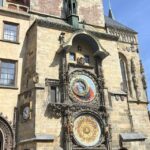
- Old Town Square with context: the Astronomical Clock area isn’t treated like a photo stop.
- Art Nouveau meets civic power: the Municipal House (Obecní dům) gets explained, not just pointed at.
- Jewish Quarter exteriors with Terezín in the background: you leave with a clearer sense of why the places matter.
- A guide who keeps people engaged: Alessandro is repeatedly described as punctual, cultured, and able to hold attention with anecdotes and irony.
A 3-Hour Prague Route That Connects Old Town and Nove Mesto
This tour is built like a short, guided course in how Prague became Prague. In about 3 hours, you move from the New Town feel of Wenceslas Square into the historic gravity of the Old Town center, then into the Jewish Quarter area—so you don’t just collect sights. You understand how different eras overlap in the same streets.
Because it’s private and sized for up to 8 people, the walk stays flexible enough for questions and for the guide to adjust the tone. You’ll get a mix of big landmarks and smaller “in-between” moments, like older lanes and street views that show off Prague’s scale and quirks. It’s also designed to work even when you’re visiting your first (or second) day—when everything feels close together and confusing.
Expect a lot of walking, but not marathon walking. It’s more like an efficient city stroll with story stops. Since the tour requires good weather, you’ll want to bring a rain layer just in case.
You can also read our reviews of more tours and experiences in Prague.


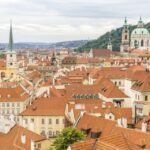
Wenceslas Square and the Story of Bohemia Through Revolution
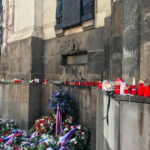
Wenceslas Square is where Prague shows its attitude—wide, public, and built for statements. You’ll start at the Wenceslas Monument and your guide ties it to the earlier story of St. Wenceslas and the Kingdom of Bohemia. That matters because it helps the square feel less like a backdrop and more like a stage where history keeps rewriting the meaning.
Then the talk shifts to the 20th century: Nazi invasion, communism, the Prague Spring, and the Velvet Revolution. This is not history in a vacuum. The value of doing it while you’re standing in the real place is that the same stone-and-street layout can suddenly feel political, tense, and meaningful—not just pretty.
If you’re someone who likes history but hates long lectures, you’ll likely appreciate the way this tour blends facts with social context and short anecdotes. One practical tip: wear shoes you can trust here. Wenceslas Square and the surrounding streets can be slow and slippery if weather turns.
Municipal House and the Powder Tower Exterior: Art Nouveau Meets Civic Prague
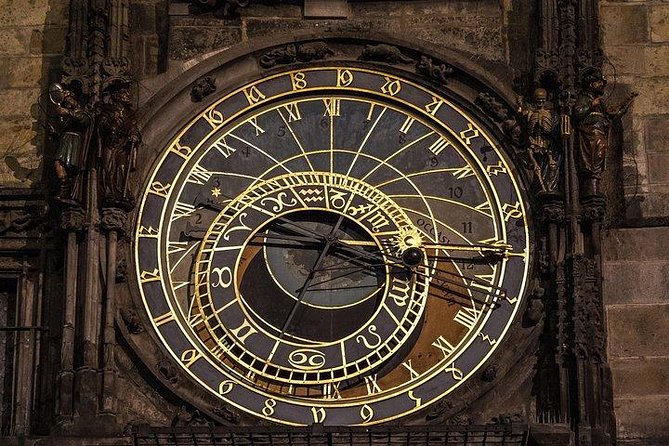
Next comes the Obecní dům (Municipal House), an Art Nouveau showpiece in the middle of city life. Even if you only see the outside and immediate area, it’s still worth it. The Municipal House helps you understand that Prague wasn’t only building churches and castles. It also built a public face for administration, culture, and civic identity.
This segment is also where you start seeing how the city’s styles talk to each other. Art Nouveau sits next to older medieval bones, so your eye starts connecting eras instead of treating them separately. You’ll also get the exterior view connected to the Powder Tower area (the route mentions it as part of the Municipal House exterior experience).
A small but real advantage: when you grasp these civic landmarks, you stop thinking of Prague as just a museum town. It becomes a lived-in capital that still shapes everyday movement and meeting points.
Old Town Square, the Astronomical Clock, and Celetná Street’s Mood
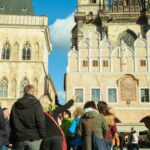
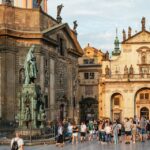
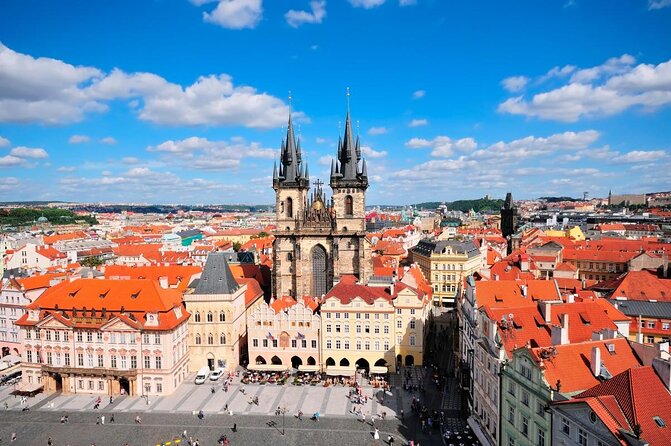
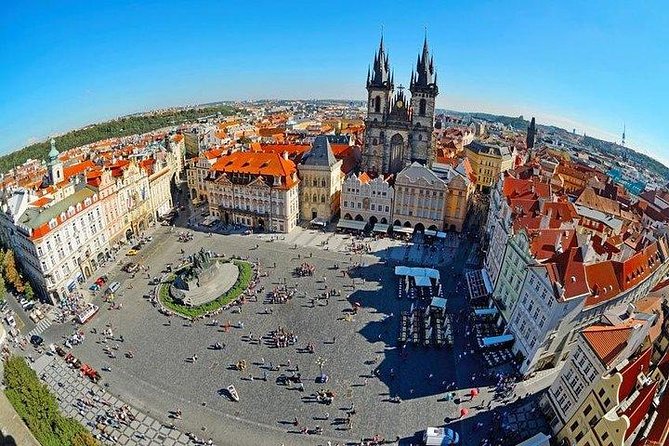
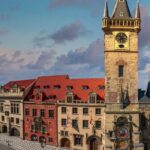
Staroměstské náměstí (Old Town Square) is where Prague performs on cue. You’ll spend time around the Astronomical Clock area, but what you really gain is context: what you’re looking at, why it’s famous, and how it fits into the city’s old-town center.
Just as important, you’ll also walk away from the “main stage.” Celetná Street is one of those Prague lanes that feels like it was designed for wandering—narrower, more human scale, and perfect for catching small details you’d miss if you sprinted between ticket lines.
This portion works best if you do two things:
- Look up as you walk. Prague’s charm is often in façades and rooflines, not just street-level crowds.
- Let your guide pace the conversation. The stories make the clock and the square feel less repetitive and more layered.
If crowds bother you, come in with realistic expectations. Old Town Square is popular. The best way to handle it is to slow down once you’re there—listen first, take photos second.
Kafka, Republic Square, and Parizská Street: Modern Prague in Old Streets
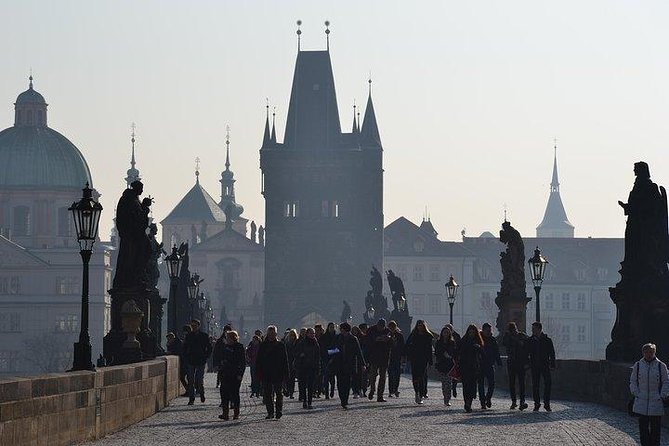
Prague isn’t frozen in the Middle Ages, and this tour quietly proves it. You’ll stop near a modern Franz Kafka statue—an easy anchor if you’ve heard his name but don’t know how he connects to the city. It’s the kind of moment that reminds you Prague produced writers and thinkers too, not just monuments.
From there, you move toward Republic Square and then Parizská Street, which helps you see Prague’s shopping-and-streets energy. These stops also give your brain a breather. After history-heavy conversations, the city’s present-day texture can feel like a reset button.
One reason I like this kind of “today” pause on a historic tour: it keeps Prague from becoming a single mood. You get a sense of continuity. Even in streets steeped in past events, life keeps happening.


Basilica of San Giacomo and Church of Santa Maria di Týn: Gothic Gravity and Baroque Drama
Churches in Prague are never just about religion. They’re about power, art, and local identity—and two of the biggest in this route are worth your attention.
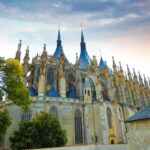
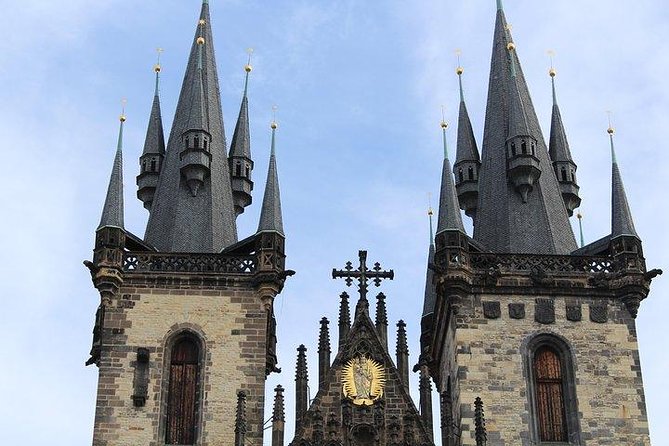
You’ll see the Basilica of San Giacomo and the Church of Santa Maria di Týn (often referred to as the Church of Our Lady before Týn). The big takeaway here is style: Gothic structure with a dramatic skyline, plus the baroque and medieval court atmosphere that makes Old Town feel like a set of connected interiors.
Even if you’re only stopping for a short moment at each, the guided framing matters. Instead of “nice church, next stop,” you start noticing why the outlines look the way they do and how Prague’s city layout makes these buildings feel like landmarks in every direction.
If you like architecture, bring a little patience. The main shapes are visible quickly, but the details take longer. Use your guide’s explanations to decide what to look for when you return on your own later.
Prague’s Jewish Quarter Exteriors and the Terezín Connection
This is the part of the tour that adds moral weight and human clarity. You’ll visit the Jewish Quarter area with a focus on the history connected to Terezín (Theresienstadt). The tour mentions this as a key thread, and that’s important because it turns “exterior-only stops” into something more meaningful.
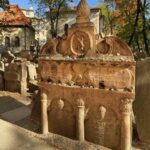
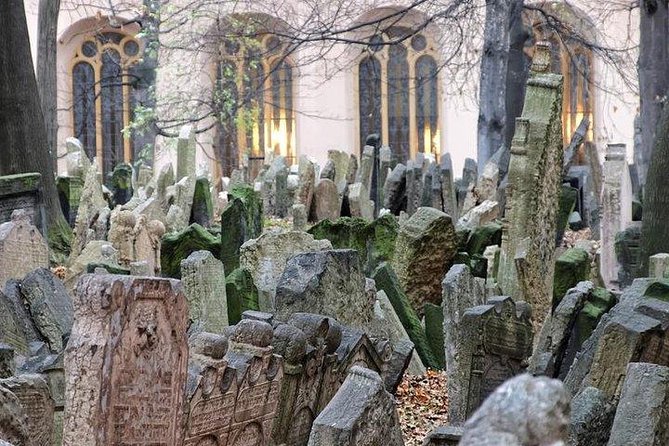
You’ll see exterior views connected to the main synagogues and the Jewish cemetery. Since the stops are focused on exteriors, you won’t be spending time inside buildings here—so your listening matters. The guide’s job is to connect what you can see from the street to the bigger historical picture you might not know on your own.
I also like that this segment is described as a journey through history, art history, music, and anecdotes. That combination helps you avoid a one-note approach. You’re not only hearing tragedy; you’re also learning how cultural life and identity persist in the way places are remembered.
Practical note: keep your tone respectful here. Even when the tour feels lively, this area carries history that deserves quiet attention.
Price, Value, and Ticket Choices in One Small Private Group
At $116.29 per group (up to 8), this tour is priced as a group experience, not a per-person ticket. That can be excellent value if you have 2–4 people who want a guided route without the hassle of coordinating entry times.
What makes the price feel fair is how the stops are structured. Some sights are marked as having admission ticket included (like the Wenceslas Monument experience, the Municipal House, and the Old Town Square/Astronomical Clock area). Others are listed as free (such as the Church of Our Lady before Týn and the Jewish museum segment focused on exteriors and the Jewish cemetery).
So you’re not paying for every single stop with a separate ticket. You’re paying for the guiding and interpretation that ties the pieces together. In a city where you can spend hours bouncing between points on your own, a guided route helps you use your time better—especially in the first 1–3 days.
One more value detail: pickup is offered. If you’re staying near transit, this can save time that you’d otherwise spend decoding where to meet and how to get there efficiently.
Who This Tour Fits Best (and Who Might Need Extra Time)
This tour is a great match if you want:
- A first-time-or-near-first-time Prague overview with strong historical context
- A route that mixes big landmarks with meaningful neighborhood transitions
- A guide who talks in a way that keeps attention—punctual, engaging, and built around stories and social curiosities
It’s also well-suited for people traveling in small groups who don’t want a huge crowd. Since it’s private and only your group participates, you avoid the frustration of being rushed along with strangers.
Who might not love it? If you want long, quiet time inside buildings, this probably won’t satisfy you on its own. In 3 hours, the route has to cover a lot. You’ll likely enjoy it most if you treat it as the “activate the city” tour, then come back later for slower self-guided wandering.
Should You Book This Tour?
Yes—book it if you want your Prague day to make sense. The blend of Nove Mesto and Old Town, the emphasis on Prague’s political turns (Nazi invasion, communism, Prague Spring, Velvet Revolution), and the inclusion of the Jewish Quarter exteriors with the Terezín connection give you a full picture that you can’t easily build by yourself in one afternoon.
Skip it only if you’re trying to do the city without walking much, or if you need long interior time at churches and museums. In that case, you might prefer fewer stops and more time per place.
If you do book, plan one extra hour afterward for free wandering. You’ll see the streets differently once the stories have attached to them.
FAQ
FAQ
How long is the Prague Old Town tour with the external Jewish Quarter?
It runs for about 3 hours.
Is this a private tour?
Yes. It’s a private tour/activity, and only your group participates. The group size is up to 8.
Is pickup available, and is there a mobile ticket?
Pickup is offered, and the experience includes a mobile ticket.
Which stops include admission tickets, and which are free?
Some stops are listed as having admission tickets included (including the Wenceslas Monument experience, the Municipal House, and the Old Town Square/Astronomical Clock area). Other stops are listed as free, including the Jewish museum segment focused on exteriors and the Jewish cemetery, the Church of Our Lady before Týn, and the Old Town Hall/Astronomical Clock.
Where does the tour start and end?
It starts and ends at Rudolfinum, Alšovo nábř. 79/12, Staré Město, Prague.
Does the tour run in any weather?
The experience requires good weather. If it’s canceled due to poor weather, you’ll be offered a different date or a full refund.
What are the cancellation rules?
You can cancel for a full refund up to 24 hours in advance. If you cancel less than 24 hours before the start time, the amount you paid will not be refunded.