REVIEW · PRAGUE
Prague: Jewish Quarter Premium Tour
Book on GetYourGuide →Operated by Precious Legacy Tours s.r.o. · Bookable on GetYourGuide
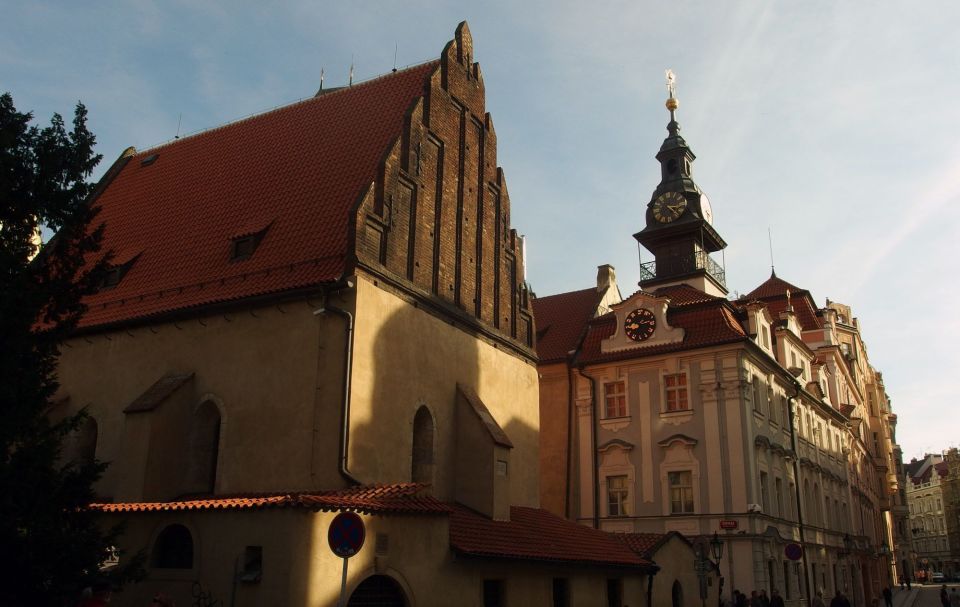
Prague’s synagogues carry weight. This Premium Tour strings together several former active synagogues and shows how Czech Jewish life changed through the 20th century. I like that the route starts with the still-active Old-New Synagogue, letting you see its famous exterior (Europe’s oldest north of the Alps) before you move indoors elsewhere.
My favorite stop is the Pinkas Synagogue, where the museum space centers on Czech Holocaust victims and includes children’s drawings connected to the Terezin Ghetto. The tour also uses the other synagogues—Klausen, Maisel, and the Moorish-inspired Spanish—to balance story and daily practice, not just tragedy.
One thing to consider: Old-New Synagogue entry isn’t included, so you’ll admire the building from outside rather than going in.
In This Review
- Key highlights at a glance
- A short walk through Prague’s layers of Jewish life
- Old-New Synagogue exterior: the calm start
- Pinkas Synagogue and the Terezin drawings museum
- Klausen and Maisel Synagogues: ritual life, names, and objects
- Chevrah Kaddisha ceremonial hall and the Old Jewish Cemetery
- Spanish Synagogue: Moorish-inspired finish with a new feel
- Price and what you actually get for $117
- Group size, pace, and language details that matter
- Should you book this Prague Jewish Quarter Premium Tour?
- FAQ
- FAQ
- Which synagogues are included on the tour?
- Is the Old-New Synagogue included?
- How long is the walking tour?
- Where do I meet the guide?
- Does the tour run on Saturdays?
- What languages are available?
- What should I wear?
- Are there options for flexible booking?
Key highlights at a glance
- Old-New Synagogue exterior view to set the tone right at the start
- Pinkas Synagogue Holocaust memorial museum with Terezin-related children’s drawings
- Klausen Synagogue exhibits on the Maharal and Jewish rituals
- Maisel Synagogue Judaica collection for cultural context beyond the Holocaust rooms
- Old Jewish Cemetery burial layers that can reach up to 12 levels
- Ceremonial Hall of the Prague Burial Society at Chevrah Kaddisha
A short walk through Prague’s layers of Jewish life
This is a one-day, on-foot tour built for people who want more than photos and surface facts. You’ll spend about three hours moving through the Jewish Quarter, stopping at multiple synagogues and Jewish heritage sites in a tight area. The experience is emotional, but it’s also practical: you get a guided storyline you can follow without needing to be an expert first.
What makes this tour especially useful is the mix of types of places. You’re not only visiting memorial spaces. You’re also seeing how communities studied, prayed, practiced rituals, and preserved objects and traditions—then watching how history broke that continuity.
You’ll want to bring patience for difficult subject matter. The Holocaust content is direct and hard to sit with, but the tour’s structure helps you absorb it one stop at a time rather than getting hit all at once.
You can also read our reviews of more tours and experiences in Prague.

Old-New Synagogue exterior: the calm start
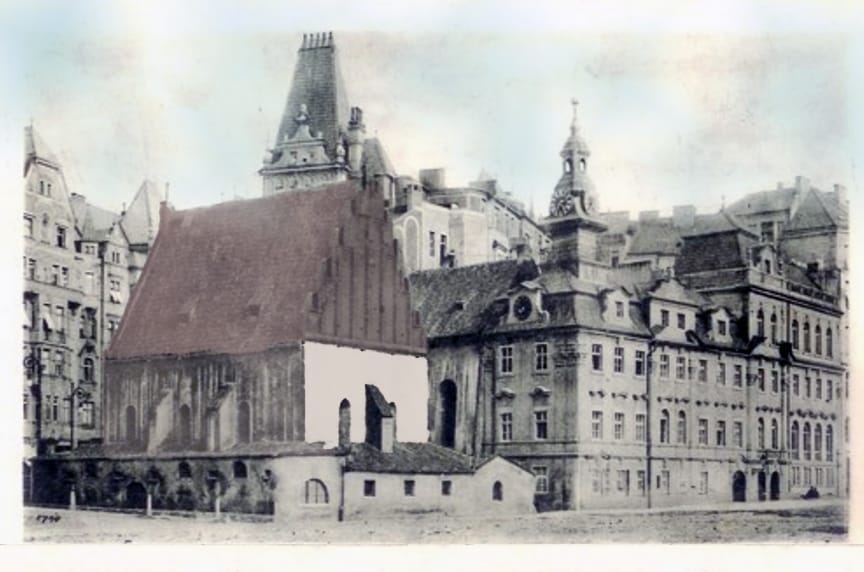
You meet in the city center at the Golem Café in the Information Centre of the Jewish Museum. From there, the walk heads to the Old-New Synagogue, a building from the 13th century that’s still active today.
Here’s what you’ll enjoy: you’re not rushing past it. The guide has you pause to look at the exterior and place it in context. That exterior view matters because it’s a living thread. Even as the tour moves into Holocaust memory and graveyards, you’re reminded that Jewish life here didn’t begin as a museum exhibit.
The practical catch is simple: Old-New Synagogue admission is not included. So plan on a strong exterior orientation, then let the interior museums take the story forward.
Pinkas Synagogue and the Terezin drawings museum
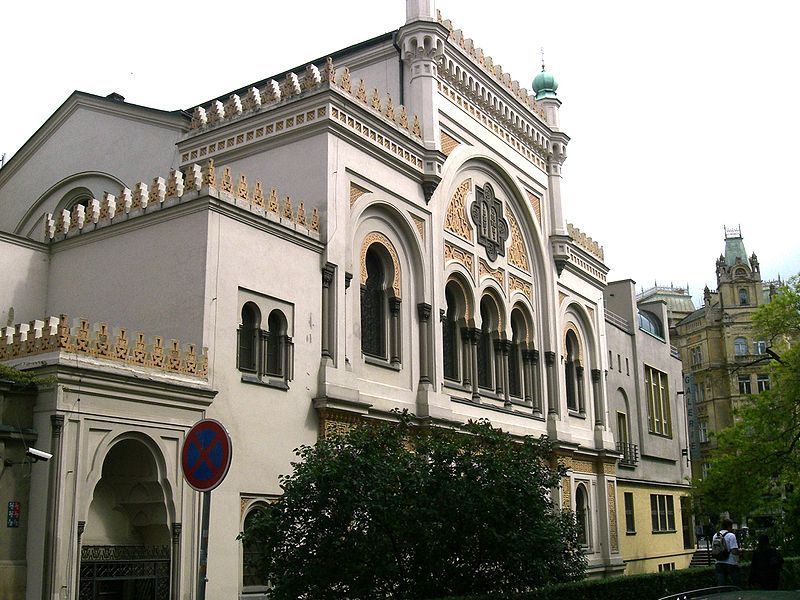
Next comes Pinkas Synagogue, where the tone becomes unmistakably memorial. The site functions as a hallowed museum dedicated to Czech victims of the Holocaust. It’s built around remembrance, and the design of the space supports that purpose.
The standout element is the heart-wrenching exhibition of drawings created by children from the Terezin Ghetto. You’re not only being told about what happened; you’re seeing how children expressed fear, imagination, and loss on paper. This stop tends to be the one visitors remember most, and for good reason: it turns history into something human-scale.
If you’re traveling with kids, this is also the part where the guide’s pacing and tone matter. The experience descriptions you’ll come across often praise how guides handle the content with care. One guide named Clara, for example, was described as a high point for Jewish history and the Judaism behind the stories—not just the tragedy. So even when the subject is brutal, the framing is meant to help you process it.
Klausen and Maisel Synagogues: ritual life, names, and objects
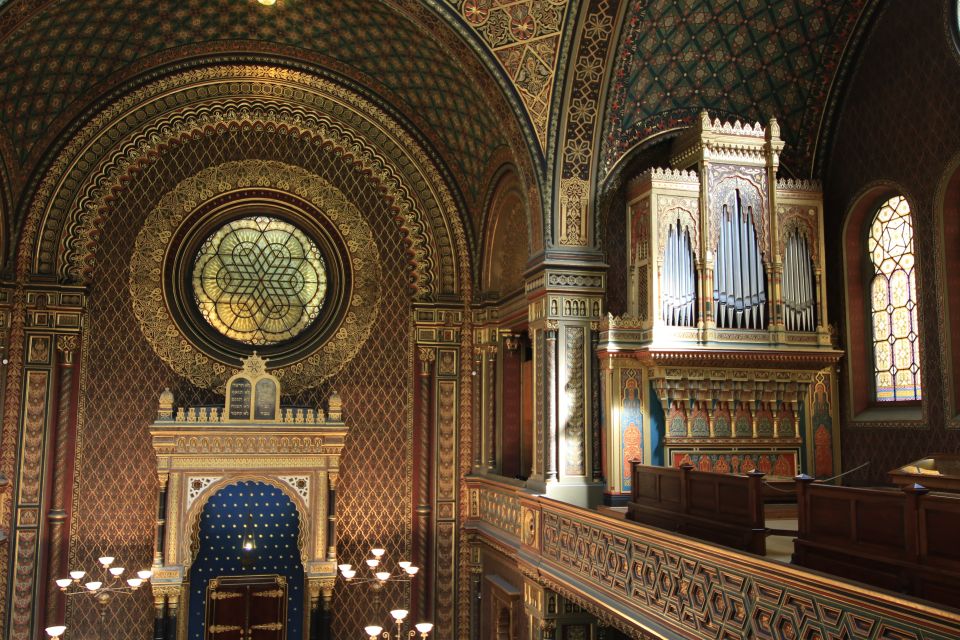
After Pinkas, the tour shifts toward learning and cultural context.
At Klausen Synagogue, you’ll see a permanent collection tied to the Maharal of Prague, along with exhibits connected to everyday Jewish life and rituals. This stop is valuable because it answers a question you’ll likely have by then: what did religious practice look like day to day, not just in ceremonies? By pairing a major historical figure with practical ritual displays, the museum makes the community feel more concrete.
Then comes Maisel Synagogue, focused on an extensive collection of Judaica. This is the kind of stop that rewards your attention even if you’re not a collector-type. Judaica objects are small, specific, and tied to particular moments—teaching you how identity is carried through everyday items, not only through big events.
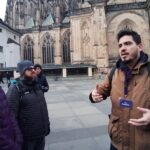
A detail that can make the tour feel more personal is the way guides use names and family stories alongside objects. In one account, a guide named Valentina was described as sensitive in how she guided people through each synagogue and other sites, giving time to absorb both beauty and enormity. That style can turn these indoor collections into more than reading panels and walking onward.
Chevrah Kaddisha ceremonial hall and the Old Jewish Cemetery
This is the part that can hit you physically as well as emotionally.
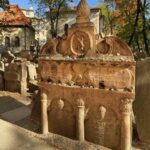
The tour includes the Ceremonial Hall of the Prague Burial Society at the Chevrah Kaddisha building, followed by the Old Jewish Cemetery. The cemetery isn’t presented as a neat, one-level place. Graves are densely packed, sometimes up to 12 levels deep. That layered burial reality is hard to understand until you’re standing there and seeing the space used over and over.
Why I think this stop is so powerful for first-timers: it puts the concept of community continuity into your body. Even though you’re learning about persecution and death, you can also see how a community organized memory through burial traditions and physical space.
One practical tip: this is where you’ll appreciate walking slowly and reading what you can. If you feel rushed, you miss the point. In some descriptions, people noted the pace could feel fast, especially when crowds were heavy, so don’t assume you’ll have long quiet time everywhere. If you want a reflective cemetery visit, it helps to be ready to move deliberately and ask questions when you can.

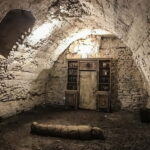


Spanish Synagogue: Moorish-inspired finish with a new feel
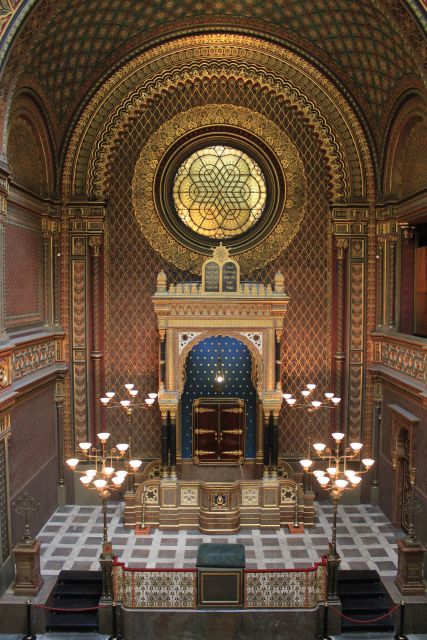
The tour ends at the Spanish Synagogue, newly restored and Moorish-inspired. This final stop matters because it gives you a change of visual mood after heavy memory sites. Restoration can feel like a message too: the story isn’t frozen in loss. It continues, maintained through preservation work and renewed attention.
What you’ll likely take away here is a sense of architecture as identity. The Spanish Synagogue’s exterior and style are distinct enough that you’ll remember where it sits in the route, almost like a final chapter break.
Also note a practical boundary: the tour includes admission to the Spanish Synagogue, so you’re not left with only an outside look at the finale. That’s a meaningful difference compared with Old-New.
Price and what you actually get for $117
At $117 per person, the best way to judge value is not just the price tag, but the package:
- You’re visiting four synagogues with included admission: Pinkas, Klausen, Maisel, and the Spanish Synagogue.
- You also cover the Ceremonial Hall at Chevrah Kaddisha and see the Old Jewish Cemetery.
- You get a live guide (Czech and English) plus an audio guide with multiple language options.
That combination is a big part of why this tour can feel worth it even if you’re watching your budget. Paying separately for multiple museum-like interiors adds up quickly in Prague, and here you’re bundling several separate ticketed stops plus cemetery time under one structured route.
The one caveat is the Old-New Synagogue: admission isn’t included, so you’re not paying for an interior visit there. Still, the route is designed so the tour uses Old-New to establish tone and then spends your ticketed stops on the places where entry and exhibitions are the main event.
If you like to travel with flexibility, the booking model also helps you plan calmly since you can reserve and pay later and cancel up to 24 hours in advance.
Group size, pace, and language details that matter
The live guide is offered in Czech and English. Audio support is included in a wide list of languages: German, French, Hebrew, Spanish, Portuguese, Polish, Dutch, Italian, Chinese, Czech, and Russian.
So if you’re counting on a specific live language, double-check your expectations. Live guide language is limited to Czech and English based on the tour info, and that means Hebrew, for example, is available through the audio guide rather than guaranteed as spoken interpretation.
Pace is another real-world factor. Some people found the content excellent but felt the group moved too fast at times, especially when crowds made it harder to hear. The fix is simple: arrive early enough to get oriented, and position yourself where you can see and hear. If you’re sensitive to walking pace, pick a day when you expect fewer crowds and wear shoes that can handle uneven cobblestones without complaint.
On the plus side, some accounts describe small-group moments, including groups of seven, which can make it easier to ask questions and stay engaged.
Also keep in mind the tour does not operate on Saturdays, since the Jewish Museum is closed. If you’re planning around Shabbat, this is a must-know.
Should you book this Prague Jewish Quarter Premium Tour?
Book it if you want a guided, structured way to understand Prague’s Jewish Quarter without cherry-picking. The tour works best when you like a chronological, emotionally honest storyline: synagogues first, then Holocaust memory, then ritual and everyday life context, and finally cemetery remembrance.
I’d think twice before booking if you know you need long quiet time at each stop. The route is packed into about three hours, and some visitors have reported it can feel crowded and fast. If you prefer slow museum wandering, pair this tour with extra standalone time later (for example, to re-read exhibit panels you skipped in a rush).
If your top priority is the Holocaust memorial spaces, you’ll be satisfied here—Pinkas Synagogue is the anchor. If your priority is understanding how Jewish life worked in practice, Klausen and Maisel add real context. And if you want closure with a restored architectural finish, the Spanish Synagogue provides it.
FAQ
FAQ
Which synagogues are included on the tour?
The tour includes admission to the Pinkas Synagogue, Klausen Synagogue, Maisel Synagogue, and the Spanish Synagogue.
Is the Old-New Synagogue included?
You will admire the exterior of the Old-New Synagogue, but admission to the Old-New Synagogue is not included.
How long is the walking tour?
The tour is described as a 3-hour walking tour.
Where do I meet the guide?
Meet at the Golem Café in the Information Centre of the Jewish Museum.
Does the tour run on Saturdays?
No. The tour does not operate on Saturdays because the Jewish Museum is closed.
What languages are available?
The live guide is available in Czech and English. An audio guide is included in German, French, Hebrew, Spanish, Portuguese, Polish, Dutch, Italian, Chinese, Czech, and Russian.
What should I wear?
Wear comfortable shoes for the walking tour and dress for the weather.
Are there options for flexible booking?
Yes. You can reserve now and pay later, and you can cancel up to 24 hours in advance for a full refund.